

Short Answer
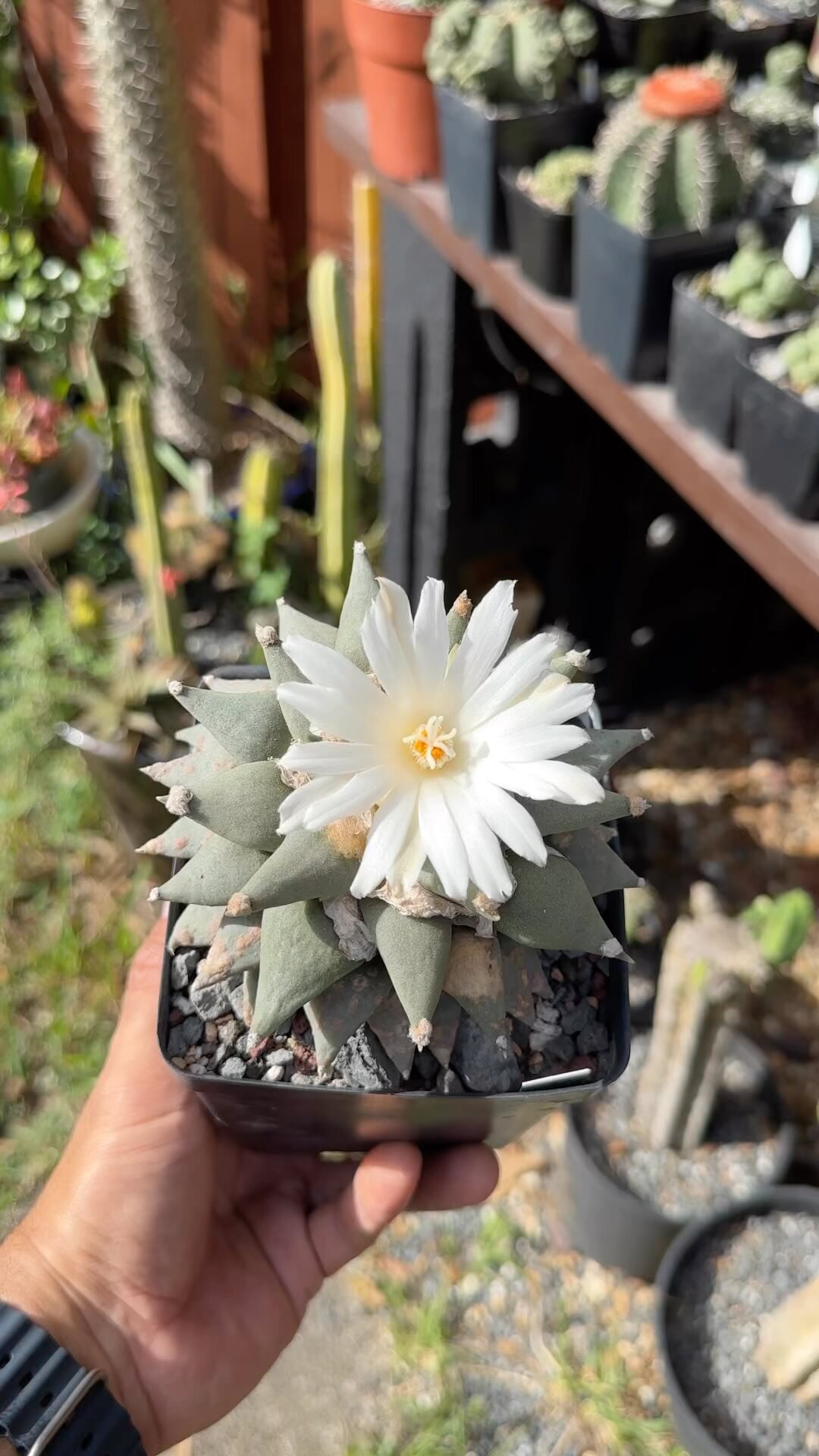
In the vast, sun-scorched expanses of northern Mexico and the southwestern United States, a silent drama unfolds beneath the thorny embrace of desert shrubs and the watchful gaze of towering cacti. Here, a botanical marvel known as Leuchtenbergia principis—the sole member of its genus—stands as a living relic of evolutionary ingenuity, its existence now teetering on the precipice of oblivion. This peculiar cactus, with its elongated, tuberous roots and striking, pineapple-like rosette of grayish-green, triangular tubercles, is more than just a plant; it is a testament to nature’s artistry and a harbinger of ecological fragility. Yet, despite its resilience, Leuchtenbergia is vanishing from the wild at an alarming rate, its decline a stark reminder of the delicate balance between survival and extinction in the harshest of habitats.
The Enigmatic Allure of Leuchtenbergia: A Botanical Oddity
To the untrained eye, Leuchtenbergia principis might appear as a mere curiosity—a cactus that has strayed from the familiar spherical or columnar forms that dominate the desert landscape. Yet, upon closer inspection, its uniqueness becomes undeniable. The genus name honors Eugène de Beauharnais, Duke of Leuchtenberg, a 19th-century nobleman with a passion for botany, while principis (Latin for “of the prince”) underscores its regal bearing. Unlike its spiny kin, Leuchtenbergia boasts a crown of soft, papery spines that radiate from its tubercles like the delicate rays of a sunburst, a feature that sets it apart in the cactus world.
The plant’s morphology is a marvel of adaptation. Its tuberous roots, which plunge deep into the parched soil, allow it to store precious water during the rare desert downpours, while its elongated tubercles minimize water loss by reducing surface area exposed to the scorching sun. This evolutionary strategy is a masterclass in survival, yet it is precisely this specialization that renders Leuchtenbergia vulnerable to environmental shifts. The same traits that enable it to thrive in its arid homeland also make it ill-equipped to adapt to the rapid changes wrought by climate change, habitat destruction, and unscrupulous plant poaching.
The Vanishing Act: Why Leuchtenbergia Is Disappearing
The plight of Leuchtenbergia principis is a microcosm of the broader crisis facing desert ecosystems worldwide. In the wild, this cactus is a master of concealment, blending seamlessly into the rocky, scrubby terrain it calls home. Yet, its very elusiveness has not spared it from the relentless pressures of human activity. Habitat loss, driven by agricultural expansion, urban sprawl, and mining operations, has carved away at its range, leaving fragmented populations that struggle to maintain genetic diversity. The encroachment of invasive plant species further exacerbates the problem, outcompeting Leuchtenbergia for the scant resources of its arid environment.
Climate change, with its attendant cycles of prolonged drought and erratic rainfall, poses an existential threat to this species. Leuchtenbergia relies on a delicate balance of moisture and temperature to complete its life cycle. Prolonged dry spells can stunt its growth, while sudden deluges may drown its shallow roots. The increasing frequency of extreme weather events—heatwaves that bake the soil to a hardpan and flash floods that scour the landscape—disrupts the delicate equilibrium this cactus has maintained for millennia. As the deserts of northern Mexico and the southwestern U.S. grow hotter and drier, the window for Leuchtenbergia to reproduce and thrive narrows, pushing it ever closer to the brink.
Perhaps the most insidious threat to Leuchtenbergia comes from the hands of collectors. Its striking appearance and rarity have made it a coveted prize in the illicit trade of desert plants, fetching exorbitant prices in the black market. Poachers, armed with shovels and disregard for conservation, uproot these cacti from their natural habitats, leaving behind barren scars in the earth. The slow growth rate of Leuchtenbergia—it can take decades to reach maturity—means that each stolen specimen is a loss that cannot be easily replaced. Conservationists warn that without stringent measures to curb this trade, the wild populations of Leuchtenbergia principis may soon be reduced to mere footnotes in botanical history.
Conservation Efforts: A Race Against Time
In the face of such daunting challenges, a coalition of botanists, conservationists, and local communities has rallied to save Leuchtenbergia principis from extinction. One of the most promising strategies is ex-situ conservation, where seeds and cuttings are propagated in controlled environments to ensure the species’ survival outside its natural habitat. Botanical gardens and research institutions have taken up the mantle, cultivating Leuchtenbergia in greenhouses and sharing seeds with other facilities to create a genetic safety net. These efforts not only preserve the species but also provide a source for potential reintroduction into the wild once suitable habitats are restored.
Community-based conservation initiatives have also emerged as a beacon of hope. In the regions where Leuchtenbergia still clings to existence, local communities are being empowered to become stewards of their natural heritage. Educational programs teach residents about the ecological importance of this cactus and the threats it faces, fostering a sense of pride and responsibility. Some communities have even begun to cultivate Leuchtenbergia in nurseries, selling sustainably propagated plants to collectors while reinvesting profits into habitat restoration projects. This approach not only reduces the demand for wild-harvested specimens but also creates economic incentives for conservation.
Legislation has played a crucial role in the fight to protect Leuchtenbergia principis. The Convention on International Trade in Endangered Species of Wild Fauna and Flora (CITES) has listed the species in Appendix I, effectively banning its commercial trade across international borders. While this measure has curbed some of the illegal trafficking, enforcement remains a challenge, particularly in remote areas where oversight is minimal. Advocacy groups continue to push for stricter penalties and increased funding for anti-poaching patrols, emphasizing the need for a multi-faceted approach to conservation.
Cultivation and Care: How to Grow Leuchtenbergia at Home
For those who wish to appreciate the beauty of Leuchtenbergia principis without contributing to its decline in the wild, cultivation offers a rewarding alternative. This cactus is surprisingly adaptable to container life, thriving in well-draining soil mixes that mimic the gritty, mineral-rich substrates of its native habitat. A blend of coarse sand, perlite, and a small amount of organic matter provides the ideal medium, ensuring that water drains quickly to prevent root rot—a common pitfall for novice growers.
Light is another critical factor in successfully cultivating Leuchtenbergia. In the wild, it basks in the full, unfiltered sunlight of the desert, and replicating this intensity indoors is essential. A south-facing windowsill or a grow light set to 12–14 hours per day will encourage robust growth and the development of its characteristic tubercles. However, beware of the scourge of sunburn; while Leuchtenbergia loves light, a sudden exposure to intense rays can bleach its tissues and stunt its progress. Gradual acclimation is key.
Watering should be approached with the same caution as one would handle a bar of soap—gently and sparingly. During the growing season, which typically spans spring and summer, the soil should be allowed to dry out completely between waterings. In winter, the plant enters a period of dormancy, and watering should be reduced to a bare minimum, if not halted entirely. Overwatering is the fastest route to a withered, lifeless specimen, so err on the side of underhydration. Fertilization is rarely necessary, but a diluted, low-nitrogen cactus fertilizer applied once or twice during the growing season can provide a gentle boost.
The rewards of cultivating Leuchtenbergia principis are manifold. Over time, a well-cared-for specimen will reward its grower with a striking, architectural form and, under the right conditions, the rare spectacle of its creamy yellow flowers. These blooms, which emerge from the apex of the plant, are a fleeting but breathtaking sight, a testament to the cactus’s tenacity and beauty. By growing Leuchtenbergia at home, enthusiasts not only enjoy its unique charm but also contribute to the conservation of this vanishing species by reducing the demand for wild-collected plants.
The Future of Leuchtenbergia: Hope in the Face of Extinction
The story of Leuchtenbergia principis is one of resilience and fragility, a narrative that echoes the broader struggles of countless species in an era of rapid environmental change. Yet, it is also a story of hope—a testament to the power of human intervention when guided by knowledge, compassion, and determination. The path forward is fraught with challenges, but the efforts of conservationists, researchers, and local communities offer a glimmer of optimism. Through a combination of habitat restoration, legal protections, and sustainable cultivation, there is a real possibility that Leuchtenbergia can be saved from the brink of extinction.
As we look to the future, the fate of Leuchtenbergia principis serves as a poignant reminder of our interconnectedness with the natural world. This unassuming cactus, with its pineapple-like rosette and delicate spines, is more than just a plant; it is a symbol of the intricate web of life that sustains us all. Its survival depends not only on the preservation of its arid homeland but also on our collective commitment to stewardship and conservation. By taking action—whether through supporting conservation initiatives, cultivating Leuchtenbergia responsibly, or advocating for stronger environmental policies—we can ensure that this botanical oddity continues to grace the deserts of northern Mexico and the southwestern United States for generations to come.
The vanishing act of Leuchtenbergia principis is not yet a tragedy; it is a challenge. And challenges, by their very nature, demand our best efforts. The question is not whether we can save this remarkable cactus, but whether we will choose to rise to the occasion.
FAQ
What is Leuchtenbergia principis?
Leuchtenbergia principis is a unique cactus species known for its elongated tuberous roots and striking rosette shape, native to northern Mexico and the southwestern United States.
Why is Leuchtenbergia principis disappearing?
This cactus is threatened by habitat loss, climate change, and illegal plant poaching, leading to its decline in the wild.
How can I grow Leuchtenbergia at home?
Leuchtenbergia can be grown in well-draining soil, needs full sunlight, and should be watered sparingly, allowing the soil to dry out completely between waterings.
FAQ
What is Leuchtenbergia?
Leuchtenbergia is a unique genus of cactus, represented by the species Leuchtenbergia principis, known for its distinctive tubercles and vulnerability to extinction.
Why is Leuchtenbergia disappearing?
Leuchtenbergia is disappearing due to habitat loss, climate change, and illegal poaching.
What conservation efforts are in place for Leuchtenbergia?
Conservation efforts include ex-situ propagation, community-based initiatives, and legal protections to curb illegal trade.
FAQ
What is Leuchtenbergia principis?
Leuchtenbergia principis is a rare cactus species endemic to northern Mexico and the southwestern United States, known for its unique morphology and ecological significance.
Why is Leuchtenbergia disappearing?
Leuchtenbergia is vanishing due to habitat destruction, climate change, and illegal poaching for the collector’s market.
How can I help conserve Leuchtenbergia?
You can support conservation efforts through awareness, donations to conservation organizations, and by purchasing ethically sourced plants.




Leave a Reply