
Short Answer
In the vast and vivacious world of succulents, few genera captivate enthusiasts quite like Echinopsis. Their ethereal blooms, often described as nature’s own fireworks, seem to emerge from seemingly unremarkable spiny globes, enchanting all who witness their fleeting beauty. It’s a common observation: these cacti, though unassuming in daylight, transform into stunning botanical spectacles, sparking a fascination unrivaled in the succulent sphere. But what lies beneath this allure? Beyond their visual splendor, Echinopsis species embody resilience, botanical intrigue, and a tapestry of evolutionary marvels that continue to enthrall collectors and botanists alike.
The Enigmatic Appeal of Echinopsis
At first glance, Echinopsis might appear to be just yet another cactus among many, sporting their characteristic spines and globular forms. However, their true allure reveals itself in their startlingly extravagant flowers. The juxtaposition of their modest bodies against their flamboyant blooms creates a captivating narrative of contrasts. This duality hints at a deeper ecological story—one of survival and reproductive strategy. These blooms often open under the cloak of night, relying on nocturnal pollinators like moths and bats, and vanish by morning, adding transience to their allure. This ephemeral beauty evokes a poetic connection to the fleeting moments of life itself, an aspect that elevates human fascination beyond mere horticultural interest.
Botanical Characteristics Distinguishing Echinopsis
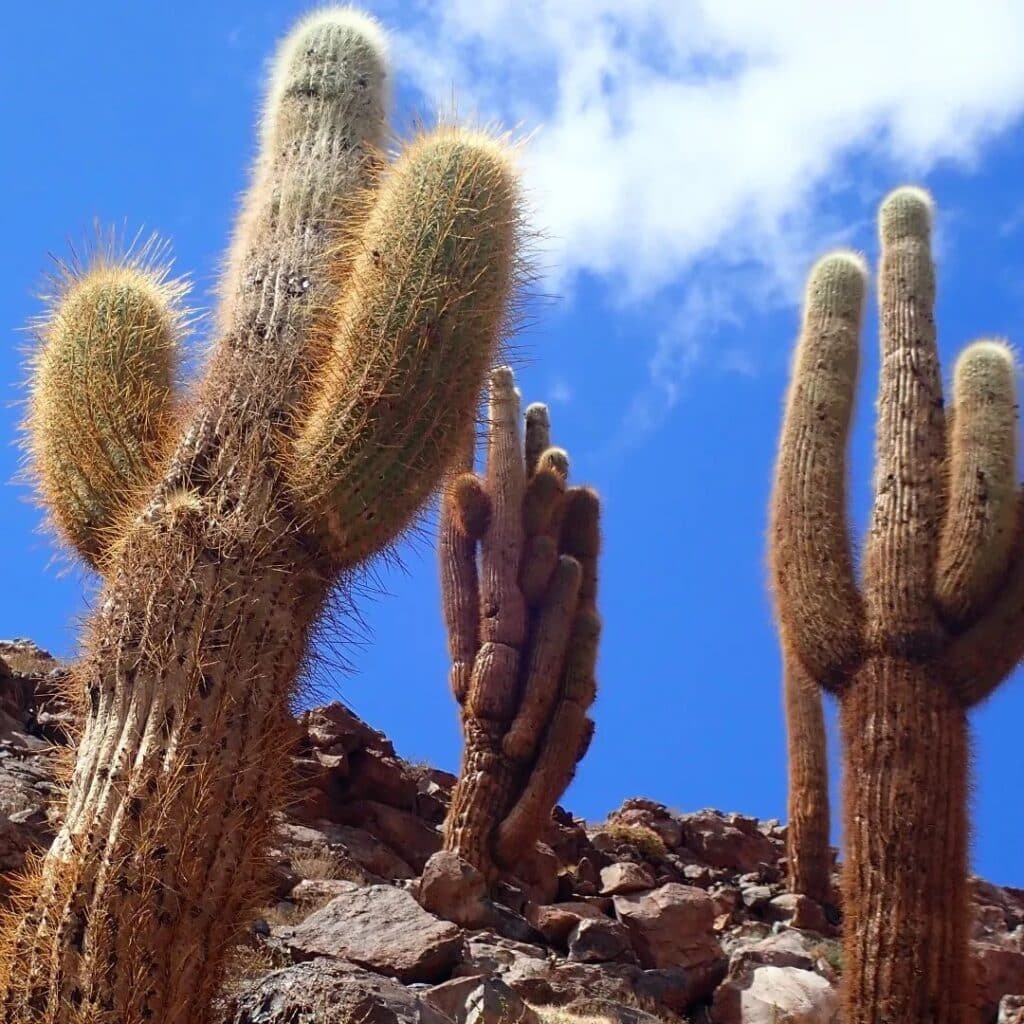
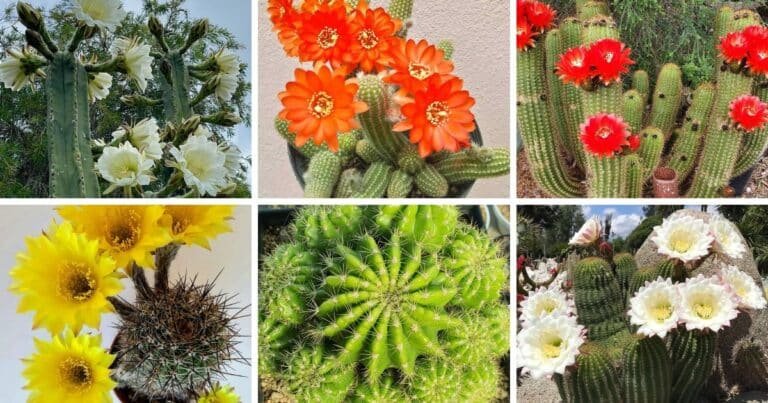
The genus boasts an impressive variability, yet it adheres to certain defining morphological characteristics. Typically, Echinopsis cacti display ribbed, globular, or columnar stems covered with evenly spaced clusters of spines. These ribs allow the plant to expand and contract, accommodating varying water availability—a testament to their xerophytic adaptability. Beyond mere survival traits, these features are crucial for enthusiasts aiming to identify species within the genus. Their flowers, trumpet-shaped and radially symmetrical, range vastly in color from snowy whites and gentle pinks to fiery reds and deep magentas, often emitting nocturnal fragrances that add yet another layer to their complex pollination ecology.
Popular Echinopsis Species and Their Unique Traits
Among the myriad species, a handful has steadily surged in popularity among collectors due to their distinctive appearances and relatively manageable cultivation requirements. Understanding their individual quirks can deepen appreciation and inform practical care approaches.
Echinopsis oxygona — The Classic Showstopper
Known for its large, fragrant white flowers that can reach up to 15 centimeters in diameter, Echinopsis oxygona is arguably the genus’ most iconic species. Its globular stem is decorated with stout, widely spaced spines, providing a sculptural elegance even without blooms. Often blooming in the late evening, its flowers emit a subtle yet enchanting scent, attracting pollinators and admirers alike. The combination of impressive size and nocturnal fragrance has cemented its place as a beloved specimen.
Echinopsis eyriesii — The Miniature Marvel
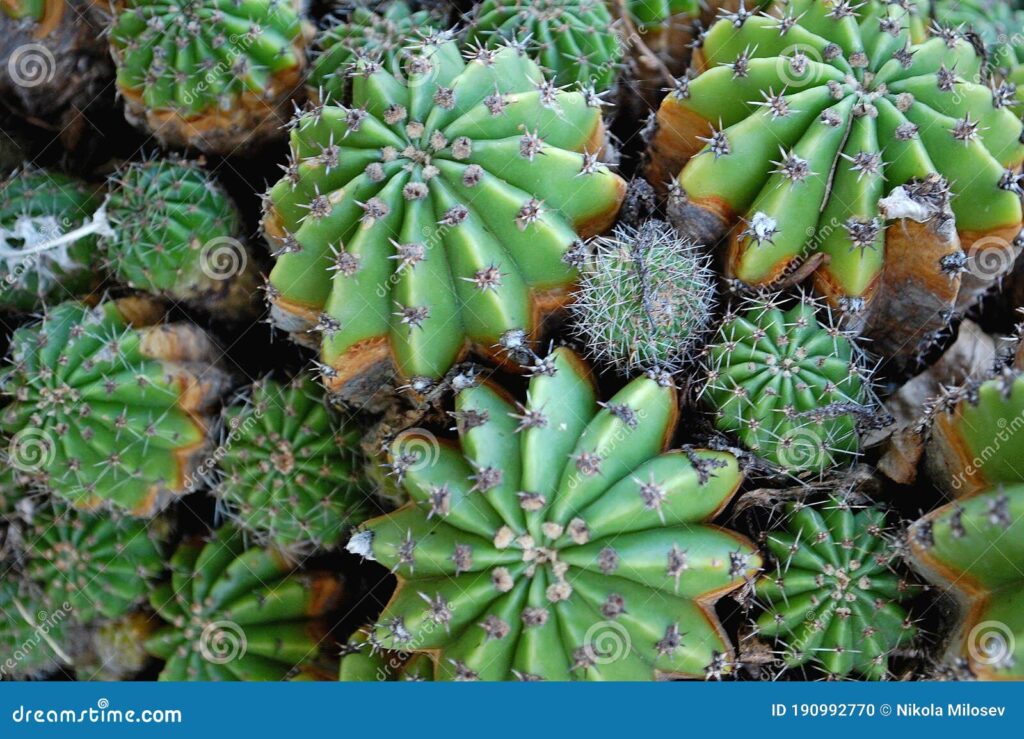
Smaller and more compact, Echinopsis eyriesii boasts a charming, spherical body with dense spination that contrasts beautifully with its cluster of bright colored blooms, usually pink or lavender hues. It showcases the genus’ adaptability to microhabitats and serves as an ideal candidate for enthusiasts seeking a more modestly sized yet equally dramatic species.
Echinopsis huascha — The Desert Perfume
This species stands out with its delicate pastel flowers, often in shades of pale pink to creamy white, and intense fragrance. Native to the arid regions of Argentina, its floral aromas evoke the essence of its desert origins, filling gardens with a subtle sweetness that only adds depth to its collectors’ experience.
Cultivation: Secrets to Thriving Echinopsis
For many, part of the enchantment lies in nurturing these cacti to full bloom glory. While seemingly undemanding, successful cultivation requires attention to nuanced details. Echinopsis species thrive in well-drained soil, mimicking their native rocky and sandy substrates. Overwatering remains the cardinal sin; these plants prefer to endure drought rather than drown.
Sunlight is another cornerstone. These cacti bask in bright light but often benefit from some filtered shade during the scorching afternoon hours to prevent chlorosis or sunburn. Temperatures mimicking their native climates—warm but tolerant of cooler nights—facilitate their natural growth rhythms. Encouragingly, many species bloom more profusely when subjected to a slight cool dormancy during winter, replicating their native seasonal cues.
Propagation: Extending the Family
Propagation of Echinopsis is as rewarding as it is accessible. Offshoots, commonly known as pups, provide straightforward vegetative propagation without genetic variance, maintaining the parent’s desirable traits. Seed propagation, however, invites delightful unpredictability, sometimes resulting in hybrid vigor or novel characteristics that enhance the genus’ diversity further.
Ecological and Cultural Significance
Beyond their ornamental appeal, Echinopsis species play important roles in their native ecosystems. Their night-blooming flowers support specialist pollinators, including moths and bats, facilitating intricate ecological networks in often fragile environments. Culturally, several species have been revered by indigenous peoples for medicinal or ritualistic purposes, showcasing how these plants intertwine with human history and spirituality.

The Endless Fascination: Why We’re Drawn to Echinopsis
The enduring fascination with Echinopsis goes beyond their botanical features. It is their embodiment of the extraordinary hidden within the ordinary—tiny reservoirs of beauty crafted through evolutionary artistry. Their short-lived blooms remind us of the potency and poignancy of transient moments. They challenge us to observe with intention and appreciate the ephemeral. In a world brimming with constant change, Echinopsis plants invite us to pause, marvel, and connect with the raw poetry of life’s rhythms.
In cultivating and cherishing these species, we partake in an ancient dialogue between nature and nurture. Through their survival and splendor, Echinopsis cacti continue to inspire wonder, reminding us that sometimes, the most magnificent spectacles thrive in the most unexpected forms.
FAQ
What are the best conditions for growing Echinopsis?
Echinopsis cacti prefer bright light conditions with some shade, well-drained soil, and should be watered sparingly to prevent root rot.
Are Echinopsis cacti easy to propagate?
Yes, Echinopsis cacti can be easily propagated through offshoots or seeds, with offshoots providing consistent traits of the parent plant.



Leave a Reply