
Short Answer
There’s a unique charm in witnessing the life cycle of a Stenocactus unfold right in your care. These ribbed beauties, with their exquisite spiral ridges and subtle hues, beckon more than admiration—they invite cultivation. Propagating Stenocactus through offsets and seeds is not just a horticultural task; it’s a profound exploration of patience, nature’s artistry, and a redefined gardening experience that transforms mundane care into a captivating journey. Prepare to shift your perspective on propagation, unlocking methods that retain the plant’s intricate character while inviting new life under your nurturing hand.
Understanding the Enigmatic Stenocactus
Before delving into propagation techniques, it’s essential to grasp the singularity of Stenocactus. This genus, known commonly as the brain cactus or Easter lily cactus, showcases mesmerizing ribbed configurations that spiral with mathematical precision. Native to arid regions of Mexico, Stenocactus thrives in precise conditions—well-draining soil, infrequent watering, and ample indirect light. Successful propagation means not merely replicating the plant but coaxing out its inherent sculptural elegance in each new specimen.
Propagation via Offsets: The Elegant Clone
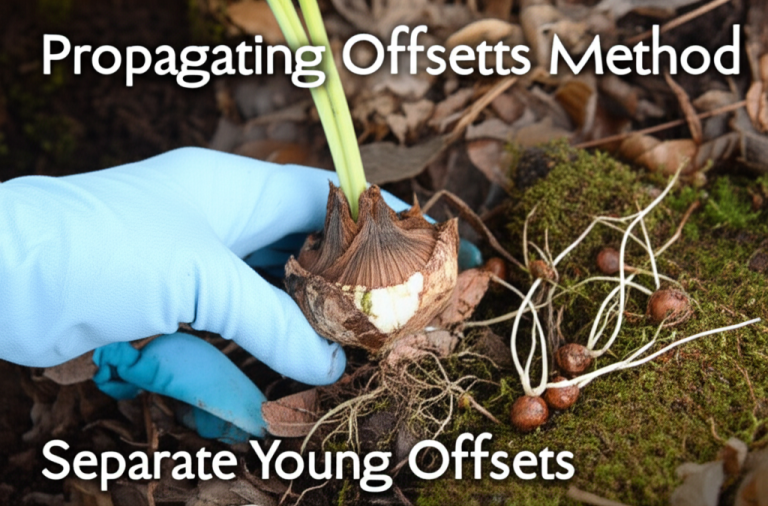
Offsets—those miniature offshoots that emerge gracefully from the base of a mature Stenocactus—are the perfect vehicles for propagation. They offer a direct genetic replica, ensuring the progeny inherits every nuanced ridge and shade. Finding offsets requires a keen eye; not all Stenocacti produce them abundantly, but when they do, it’s a treasure.
Begin by identifying offsets that are at least a few centimeters wide with visible, healthy spines. Gently extricate these pups using a sterile knife or by carefully twisting them free. This step is delicate; precision prevents damage to the parent plant and preserves the offset’s vitality. Once removed, let the offsets callus over in a shaded, dry environment for several days—this critical phase inhibits rot when the offset encounters moist soil.
After the callus has formed, plant the offset in an airy, gritty substrate—preferably a mix of cactus potting soil with added pumice or perlite. Water sparingly initially, allowing roots to establish without succumbing to moisture stress. Warm temperatures and bright, filtered light stimulate root development swiftly, ushering in the new generation of Stenocactus.

Seeds: Cultivating Potential from Miniature Marvels
Propagation through seeds untethers you from the limitations of existing plants, offering a fertile ground for genetic diversity and personal triumph. Seed propagation is an enchanting process; it demands patience and meticulous care, yet rewards with the thrill of nurturing life from the very beginning.
To start, procure fresh, viable Stenocactus seeds—vital to ensure germination. Scarification is rarely necessary for Stenocactus, but soaking seeds in warm water overnight can dramatically enhance hydration and germination success. Sow seeds on the surface of a well-drained, sterile substrate such as a fine-textured cactus mix blended with sand.
Maintain a consistently warm environment, ideally between 70-80°F, paired with high humidity. Covering the seed tray with a clear lid or plastic wrap creates a micro-greenhouse effect, sustaining moisture without wetting the seeds excessively. Light is crucial—strawberry or fluorescent lights for 12-14 hours daily mimic natural conditions and catalyze germination.
Typically, seeds sprout within two to four weeks, revealing miniature spined wonders. At this stage, gradually acclimate seedlings to less humidity and increase airflow to prevent damping-off disease. Seed-grown Stenocacti may take several years to achieve mature ribbing and flowering, but the slow unfolding deepens appreciation for each spiral pattern’s emergence.
Common Pitfalls and How to Avoid Them
Propagation is as much an art as a science, and Stenocactus can be a temperamental subject. Overwatering tops the list of mistakes—these cacti demand restraint. Offsets and seedlings are even more susceptible to fungal infections in soggy conditions. Ensure pots have ample drainage and adopt a “dry to touch” watering approach.
Another challenge is inadequate light, which stunts growth and dulls the iconic ribbed texture. Filtered sunlight or bright artificial light prevents etiolation and spurs robust development. When propagating from offsets, patience becomes a virtue; rushing replanting before callusing leads to rot and loss.
Embracing the Journey: A New Lens on Propagation
Propagating Stenocactus is not simply a horticultural protocol; it is an invitation to engage deeper with nature’s intricacies. Through offsets, you mirror the very essence of the parent plant, witnessing the beauty of replication with precision. Through seeds, you embrace unpredictable growth patterns and the potential for subtle variations, amplifying the narrative of life’s resilience.
Each step—from the moment a pup is coaxed away, to the delicate unfurling of a seedling’s first spines—is an opening to observe time’s slow, unyielding rhythm. If approached with curiosity and reverence, propagating Stenocactus transforms from a basic gardening task to a meditative and fulfilling practice. This perspective shift encourages patience, nurtures intuition, and ultimately, fosters a relationship with these exquisite cacti that extends well beyond the everyday.
FAQ
What is Stenocactus?
Stenocactus, commonly known as the brain cactus, is a genus of cacti characterized by their ribbed structures and unique growth patterns.
How often should I water Stenocactus seedlings?
Water Stenocactus seedlings sparingly, allowing the soil to dry out completely between waterings to prevent rot.
Can I propagate Stenocactus from seeds?
Yes, Stenocactus can be propagated from seeds, which can lead to genetic diversity and unique plant characteristics.


Leave a Reply