
Short Answer
Beneath the scorching gaze of the desert sun, where the earth cracks like parched lips and the wind carries whispers of ancient secrets, a silent revolution unfolds. It is not one of swords or banners, but of pollen and purpose. Here, the humble bee—dusty-winged architect of life—engages in a dance as old as time itself, a choreography of survival that transforms the prickly embrace of the cactus into a symphony of color and sustenance. This is the hidden world of cactus pollination: a tale of resilience, adaptation, and quiet heroism, where every visit from a bee is a brushstroke in the masterpiece of an ecosystem.
The Desert’s Unlikely Matchmakers: Bees as Botanical Cupids
In the arid expanse where water is a rumor and shade a luxury, the cactus stands as a sentinel of endurance. Yet, for all its thorny armor, it cannot reproduce alone. It needs a messenger—one small enough to navigate its labyrinthine spines, brave enough to face its prickly defenses, and clever enough to extract its hidden treasure. Enter the bee: not just a pollinator, but a desert matchmaker, threading the needle between plant and future.
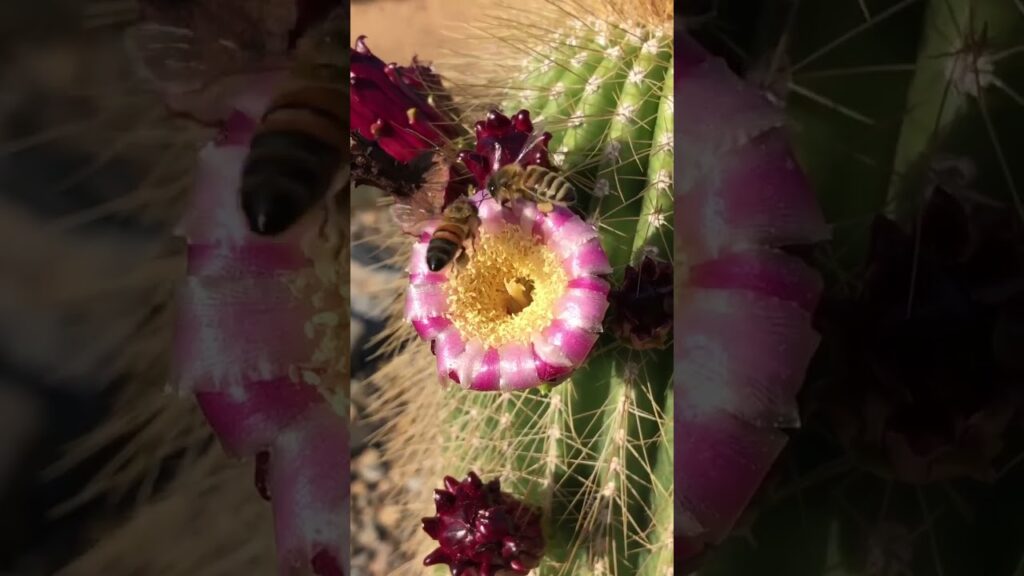
Unlike their temperate cousins, desert bees have evolved in a crucible of scarcity. Their bodies are compact, their wings strong, their metabolisms tuned to the rhythm of the sun. They do not flit aimlessly; they navigate by the scent of nectar, by the geometry of petals, by the unspoken language of the desert. When a bee lands on a prickly pear bloom, it is not merely feeding—it is performing a ritual. Its fuzzy abdomen brushes against the stamens, dislodging golden pollen like a thief in the night, only to deposit it, unwittingly, onto the stigma of another flower miles away. This is not charity. It is symbiosis in its purest form: a transaction where both parties thrive.
The Prickly Pear’s Seduction: A Thorny Serenade to Survival
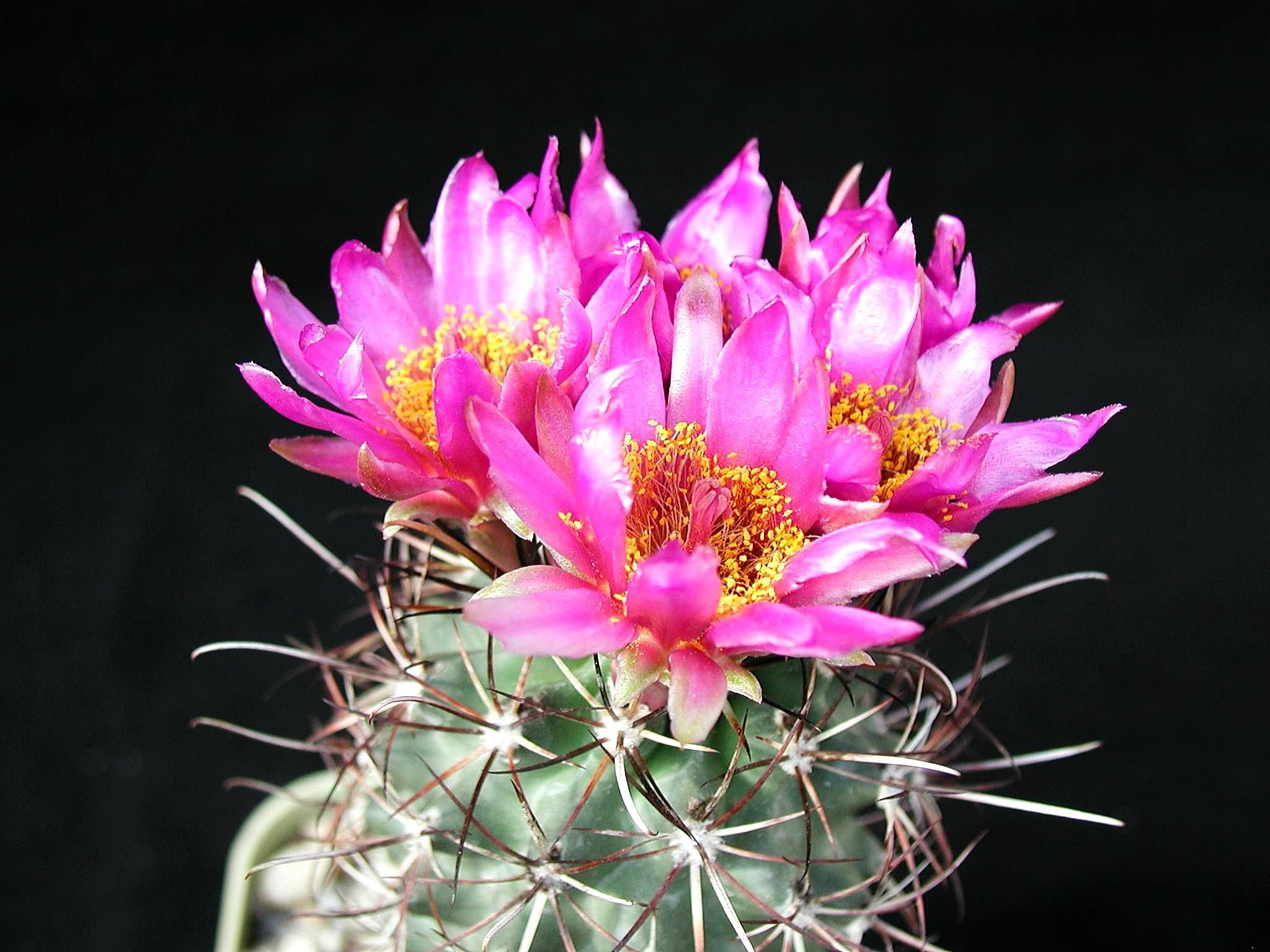
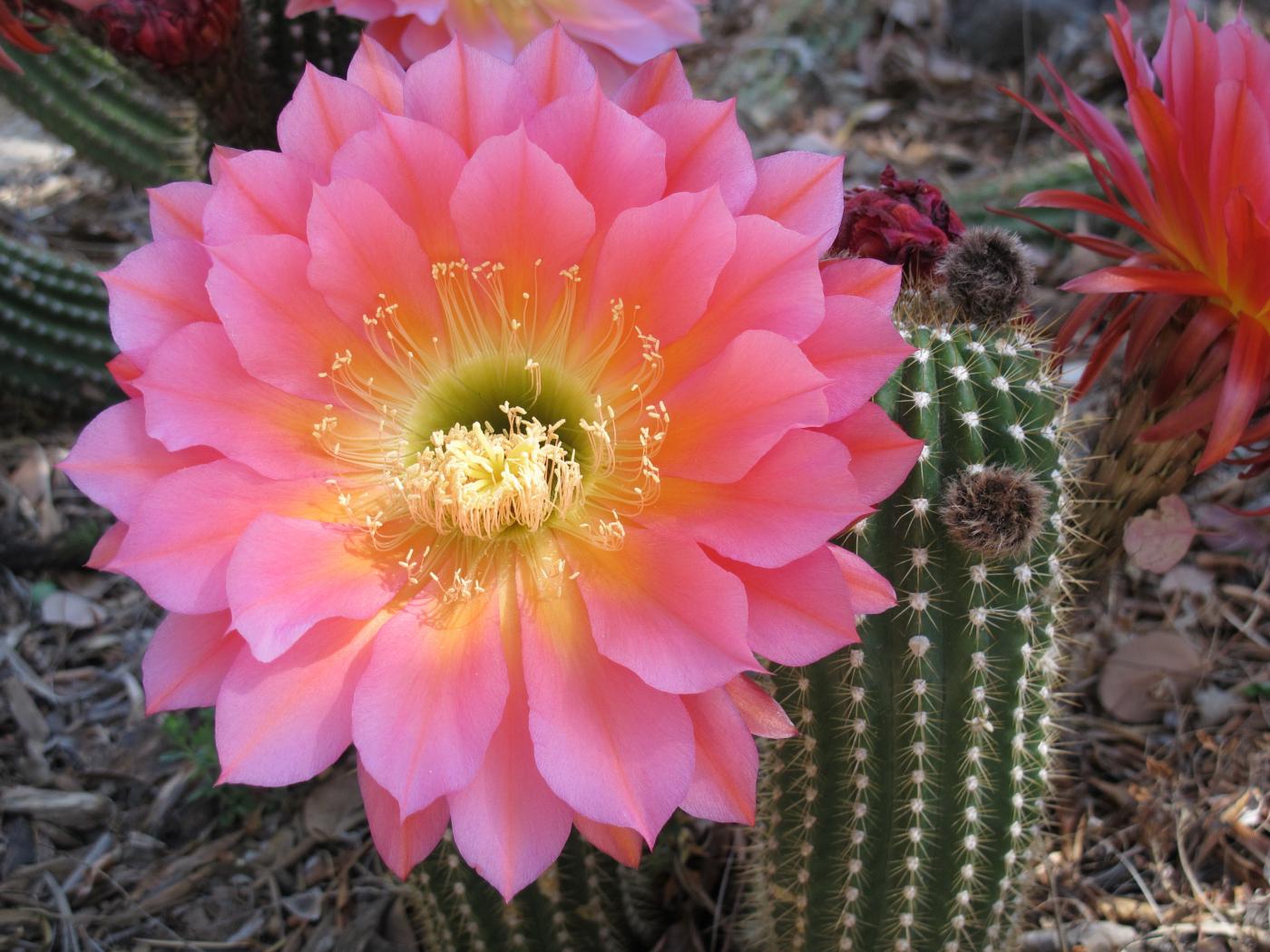
The prickly pear does not bloom for beauty alone—though its soft pink petals are a marvel—but for survival. Its flowers are not mere decorations; they are beacons, broadcasting their presence to the desert’s winged emissaries. The petals unfurl in a slow, deliberate crescendo, releasing a fragrance that drifts on the dry air like an invitation to a secret feast.
But the cactus is no passive host. It has evolved defenses as sharp as its spines. The base of its petals is a fortress of nectar-rich chambers, accessible only to those with the right tools: a bee’s proboscis, long and deft, capable of navigating the labyrinth. The pollen itself is a golden currency, not given freely but earned through the bee’s labor. As the bee delves deeper, its body becomes a living conduit, transferring life from one flower to the next. This is not charity. It is a high-stakes exchange where the cactus trades its future for the bee’s diligence.
The Bee’s Odyssey: A Pilgrimage Across the Sands
For the desert bee, pollination is not a casual errand but a perilous odyssey. Each flight is a gamble against the elements, a test of endurance. The bee must remember the location of blooms, their flowering cycles, their hidden caches of nectar. It must outwit predators, navigate the shifting sands, and endure temperatures that would wither lesser creatures.
Yet, the bee does not travel alone. It is part of a vast, invisible network—a web of life that stretches across the desert like a living tapestry. Some bees are generalists, flitting from flower to flower with indiscriminate delight. Others are specialists, their bodies adapted to the unique contours of a single cactus species. These bees are the desert’s artisans, their fidelity ensuring the survival of both plant and pollinator.
When a bee returns to its nest, heavy with pollen, it does not hoard its treasure. It shares it, passing the golden dust to its sisters, ensuring that the next generation will inherit the knowledge of where to find life in a land of death. This is not just pollination. It is legacy.
The Alchemy of Pollination: From Thorns to Fruit
The magic of cactus pollination lies not in the act itself, but in its aftermath. When a bee’s journey is successful, the cactus begins to transform. The fertilized ovules swell into seeds, the ovary swells into fruit—a burst of succulent sweetness that will nourish the desert’s creatures through the leanest months. This fruit is not just food; it is a promise, a testament to the bee’s labor and the cactus’s resilience.
For humans, the prickly pear fruit is a delicacy, a burst of summer in the dead of winter. But for the desert, it is survival. Birds feast on its pulp, dispersing its seeds in their droppings. Rodents bury it for later, only to forget, planting the seeds anew. The bee’s work echoes through the generations, a ripple in the fabric of life.
The Silent Crisis: Threats to the Desert’s Dance
Yet, this delicate balance is under siege. Climate change parches the land, shortening flowering seasons and disrupting the bees’ delicate timing. Pesticides, even those used far from the desert, drift on the wind, poisoning the very creatures that sustain the ecosystem. Invasive species outcompete native bees, their hunger for nectar leaving the cactus’s flowers untouched.
The desert does not scream when it is dying. It simply stops blooming. The bees grow fewer. The fruit withers on the vine. The land, once a tapestry of life, becomes a graveyard of potential. To lose the bees is to lose the desert’s soul.
A Call to Witness: The Beauty We Must Protect
To stand in the desert and watch a bee alight on a prickly pear bloom is to witness a miracle. It is to see, in microcosm, the interconnectedness of all life—a reminder that survival is not a solitary endeavor but a collective dance. The bee and the cactus are not adversaries but collaborators, their fates entwined in a ballet as old as the earth itself.
We must not let this dance fade into silence. We must protect the bees, not as servants of our gardens, but as guardians of the wild. We must safeguard the desert, not as a resource to be exploited, but as a living testament to resilience. For in the end, the story of cactus pollination is not just about bees and flowers. It is about us. It is about the choices we make, the worlds we save, and the legacies we leave behind.
So the next time you see a bee, pause. Watch. Marvel. For in its fuzzy, determined flight lies the future of the desert—and perhaps, the future of us all.
FAQ
Why are bees important for cactus pollination?
Bees are essential for cactus pollination as they transfer pollen between flowers, enabling fertilization and fruit production.
What are the main threats to bees and cactus pollination?
Main threats include climate change, pesticides, and competition from invasive species, which disrupt the delicate balance of the ecosystem.
Leave a Reply