
Short Answer
Cacti are not merely resilient plants thriving in arid environments; they also provide botanical enthusiasts with an opportunity to indulge in the art of grafting. Grafting is an age-old horticultural technique that merges two distinct plants into a single organism, creating a hybrid that boasts improved vigor, aesthetic appeal, and resilience. For those intrigued by enhancing the growth and visual allure of their prickly companions, understanding the nuances of grafting a cactus can be invaluable.
The process may seem daunting, but with meticulous preparation and execution, the results can be profoundly rewarding. This guide will expertly demystify the grafting process, unraveling the intricacies while addressing common concerns among potential graftors.
The Science Behind Grafting: Understanding the Basics
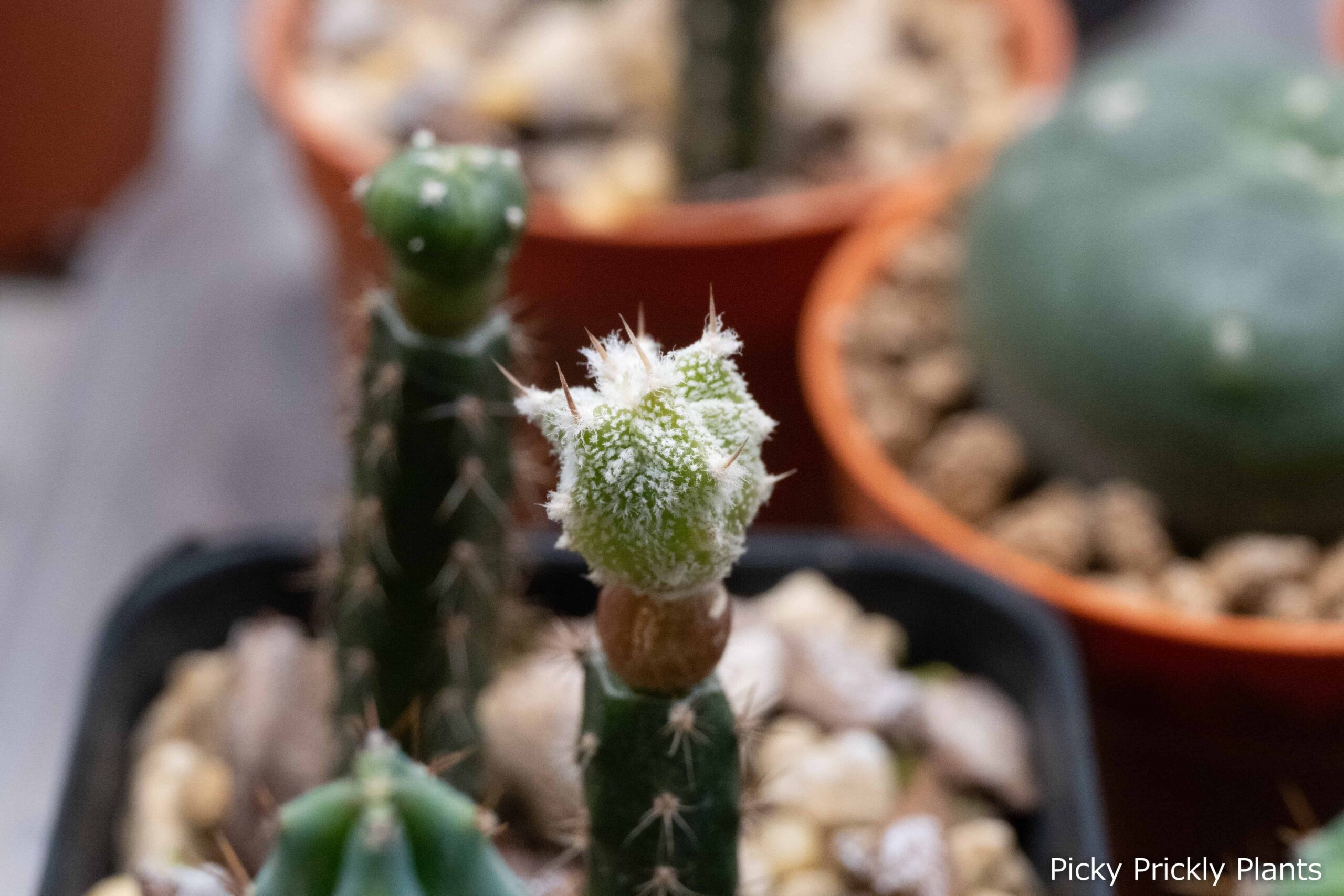
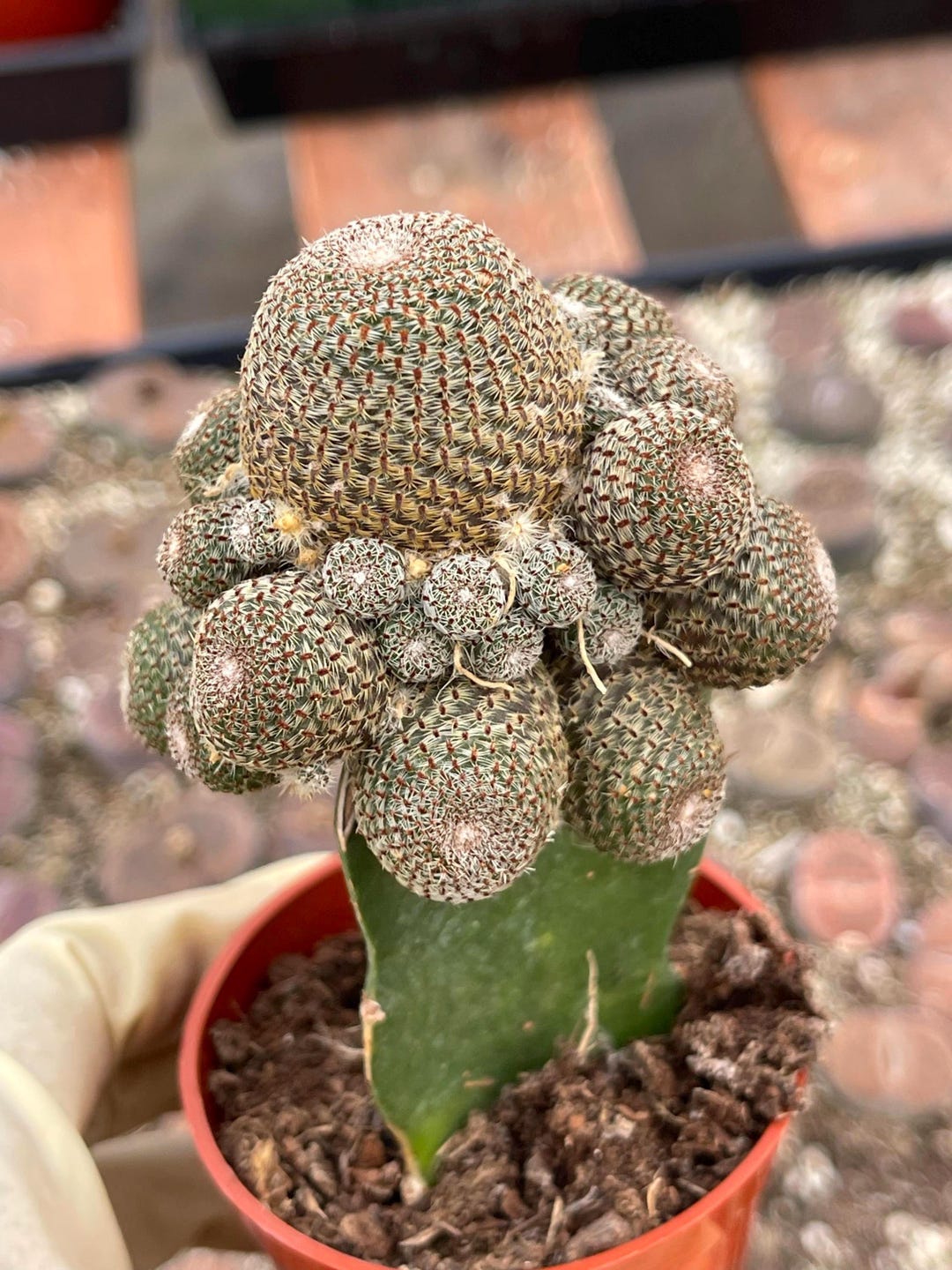
Grafting involves splicing the tissues of two different plants so that they unite and grow together. Typically, the upper part of one plant, known as the scion, is joined with a lower part, the rootstock. In cacti, this synergy can amplify desirable traits, such as disease resistance, growth rate, and drought tolerance. Furthermore, grafting allows for the combination of different species, unlocking a vibrant palette of forms, colors, and textures.
Choosing the Right Cacti for Grafting
Before embarking on your grafting endeavor, selecting the appropriate cactus specimens is paramount. The selection largely depends on the desired outcome. Are you looking to expedite growth, enhance flowering, or simply create an aesthetically pleasing hybrid?
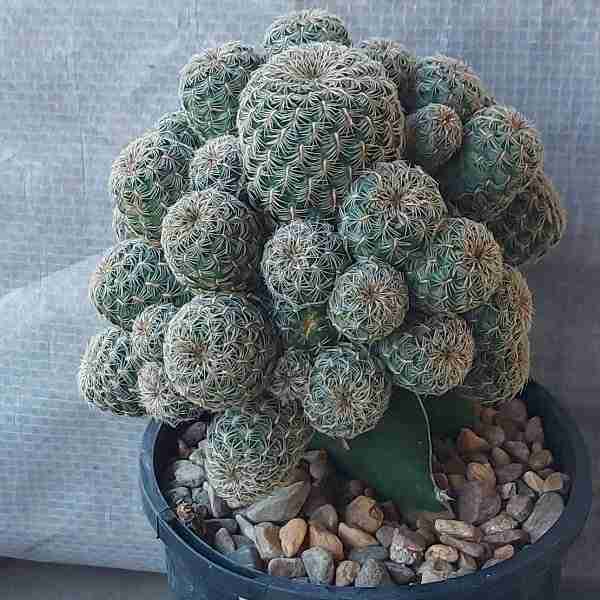
Typically, the scion can be any cactus that suits your vision for the final product. Common choices include Gymnocalycium or Cereus species. For rootstock, Opuntia (prickly pear) or Pereskia are favorable due to their robust growth and adaptability. Understanding the compatibility of the species involved is essential, as not all cacti can graft successfully. General rule of thumb—ensure that both the rootstock and scion belong to the same family to increase the likelihood of a successful graft.
Grafting Tools: Essential Equipment for Success
A successful graft hinges on meticulous preparation and the right tools. The essential instruments include:
- A sharp, sterile knife or scalpel
- Tweezers for delicate handling
- Rubber bands or clips for securing the graft
- Healing hormone or grafting wax (optional but recommended to enhance healing)
Ensuring that tools are sanitized will mitigate the risk of transmitting disease, which can thwart the graft’s success.
The Grafting Process: A Step-by-Step Approach
1. Prepare the Rootstock:
Begin by selecting a healthy, well-established rootstock. Cut off the top section using the sterilized knife to create a flat surface. This flat cut must be clean and unblemished, which will facilitate a strong union with the scion.
2. Prepare the Scion:
Next, choose a healthy, unblemished scion. It should be about 3-4 inches long and have several nodes. Using the knife, make a slanted cut at the base of the scion, creating a pointed end—this increases the surface area for union with the rootstock.
3. Unite Scion and Rootstock:
Carefully align the cut surfaces of the scion and rootstock, ensuring maximum contact. Here, precision is crucial; misalignment can hinder the union and invite rot. Once aligned, apply gentle pressure to promote adherence.
4. Secure the Graft:
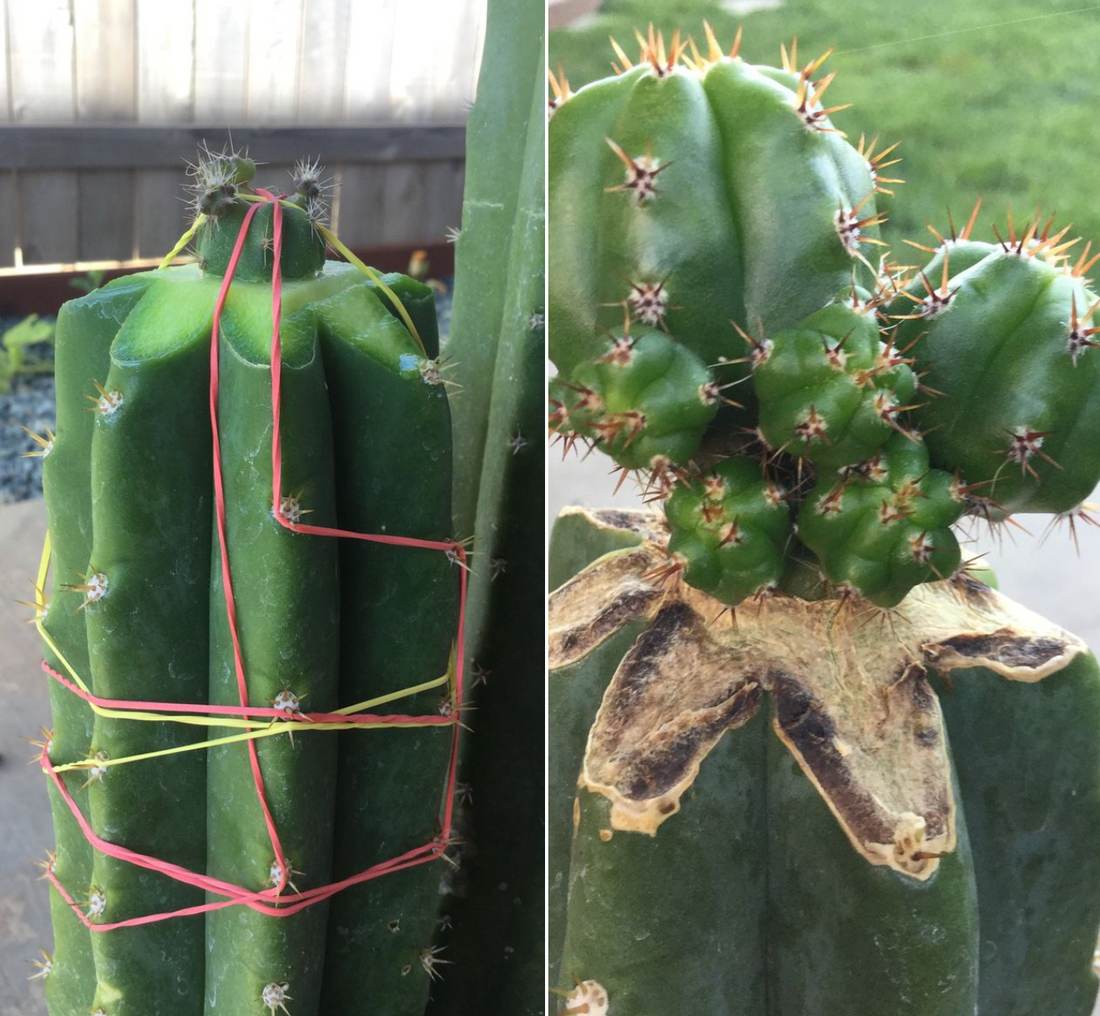
To maintain contact while the graft heals, use rubber bands or clips to bind the scion to the rootstock. It’s advisable not to overtighten, as this could damage the tender tissues.
5. Apply Healing Hormone (Optional):
For an added advantage, consider applying a grafting hormone to the exposed areas; this can expedite the healing process and encourage successful unification.
6. Provide Care Post-Grafting:
After the grafting process, it’s vital to place the grafted cactus in a shaded area without direct sunlight. Too much light can stress the plant during this delicate phase. Monitor moisture levels carefully—overwatering poses a particular risk, while under-watering can impede recovery. Aim for a balance akin to a sponge that is damp, yet not dripping wet.
Signs of Success: How to Recognize a Thriving Graft
Patience is intrinsic to gardening. After a few weeks, things to look out for include the development of new growth on the scion—this is a positive indicator that the graft has taken hold. Conversely, if signs of wrinkling or discoloration appear, this could signal a failure, possibly due to improper technique or compatibility issues.
Potential Challenges and Solutions
Grafting is not without its challenges. Issues such as rot, desiccation, and insufficient adhesion can arise. To combat these concerns, ensure that your grafting environment is clean and optimal. If problems persist, re-evaluate your technique, the selected species, and the overall health of your cacti.
In conclusion, grafting cacti can be a fulfilling pursuit that enriches your plant collections and diversifies your garden. By understanding the biological principles and techniques involved—even as the cactus spines may seem intimidating—this intricate dance of horticulture beckons to be mastered with practice and care. Grow your skills, and contribute to the vibrant world of cacti in ways you never thought possible.
FAQ
What is cactus grafting?
Cactus grafting is a horticultural technique that joins the tissues of two different cactus plants to create a hybrid with improved growth, vigor, and aesthetic qualities.
Which cacti are best for grafting?
Common rootstock choices include Opuntia and Pereskia species for their robust growth, while scions often come from species like Gymnocalycium or Cereus.
What tools do I need for grafting a cactus?
Essential tools include a sharp sterile knife or scalpel, tweezers, rubber bands or clips, and optionally healing hormone or grafting wax.
How do I care for a cactus after grafting?
Place the grafted cactus in a shaded area, avoid direct sunlight, maintain balanced moisture without overwatering, and monitor for new growth as a sign of success.
What are common problems in cactus grafting?
Common issues include rot, desiccation, poor adhesion, and incompatibility between species, often preventable by proper technique and clean tools.
Leave a Reply