
Short Answer
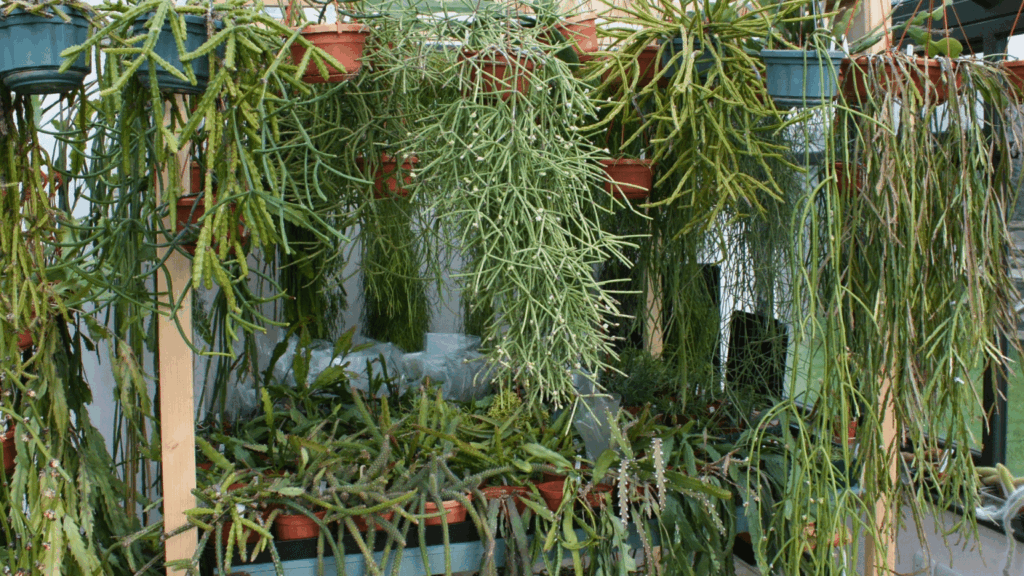
There’s something undeniably captivating about cacti—their tenacious resilience, sculptural forms, and the silent stories whispered by their spines. These remarkable plants thrive in some of the harshest environments on Earth, yet they evoke a profound sense of wonder and admiration. Many enthusiasts find themselves drawn to cacti not just for their aesthetic, but because growing them connects one to nature’s uncanny ability to adapt and flourish against all odds. If you’ve ever found yourself admiring these stoic survivors and wondered how you might cultivate your own, this step-by-step guide will serve as your trusted companion on that journey.
Understanding the Cactus: Nature’s Resilient Marvels
Before delving into the practicalities of cultivation, it’s essential to appreciate what makes cacti extraordinary. These succulents hail predominantly from arid regions like deserts, where water scarcity demands ingenious survival strategies. Their thick, fleshy stems store moisture, their spines are modified leaves that protect them from herbivores and reduce water loss, and their shallow root systems maximize the scant rainfall absorption. Recognizing these adaptations offers insight into their care requirements—light, soil, and watering practices must mirror their natural habitat to foster robust health.

Selecting the Right Cactus Variety
Not all cacti are created equal. Some embrace dramatic desert landscapes, towering skywards, like the majestic Saguaro, while others prefer intimate nooks, flourishing in rocky crevices as small globular specimens. When choosing your cactus, consider your space, lighting conditions, and patience. Some species are slow to sprout and require years to mature; others are more forgiving and fast-growing. Opting for a variety that suits your environment and lifestyle ensures a rewarding cultivation experience.
Choosing the Perfect Soil: The Foundation of Growth
Cactus health begins underground. A common pitfall among novice growers is using standard potting soil, which retains too much moisture and leads to root rot. Cacti demand a gritty, well-aerated substrate with excellent drainage. Many prefer a blend comprising sand, perlite, and organic matter in balanced proportions. This mimics their native sandy and rocky terrain, allowing roots to breathe while avoiding water stagnation. Amending soil with pumice or small gravel further prevents compaction, promoting vigorous growth.
Potting and Containers: Accommodating Growth and Drainage
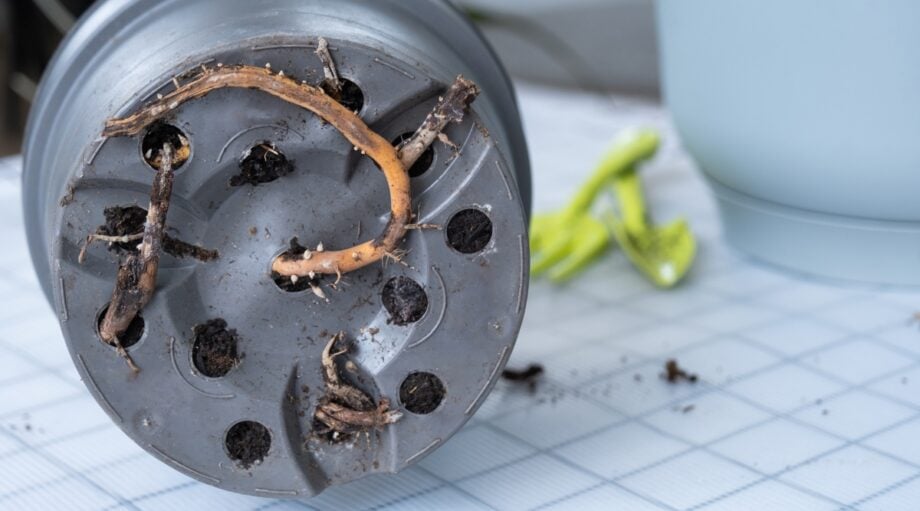
Choosing the right container is as pivotal as the soil. Terracotta pots are a favorite due to their porous nature, facilitating natural evaporation and preventing excess moisture retention. The pot must also feature drainage holes, allowing water to escape freely. When repotting, handle the cactus with care—using tongs or gloves to avoid injury from spines—and gently inspect the roots. Repotting every couple of years helps refresh the soil and provides space for growth, fostering a thriving plant.
Lighting Conditions: Emulating the Desert Sun
Light fuels the life force of cacti. Appropriately bright, indirect sunlight or direct morning rays emulate their native environment, encouraging photosynthesis and healthy development. South- or west-facing windows often provide ideal illumination indoors. However, intense, relentless midday sun can sometimes scorch sensitive varieties, so gradually acclimate your cactus to increased light exposure. Observing how your plant responds—a vibrant hue or elongated stems—can guide adjustments to their positioning.
Watering Techniques: The Art of Hydration
Overwatering is the bane of many cactus enthusiasts. Unlike typical houseplants, cacti thrive on neglect rather than indulgence. During their active growing season—spring and summer—they require periodic watering when the soil is completely dry. This schedule mimics natural desert rainfall patterns. In contrast, winter calls for near dormancy, with watering minimized to prevent root decay. Employing the soak-and-dry method—watering thoroughly and allowing full drainage before next watering—strikes the delicate balance to sustain vitality.
Temperature and Humidity: Cultivating Comfort Zones
Cacti gravitate naturally toward warm temperatures with low humidity. Most species flourish between 65°F and 85°F (18°C to 29°C). Cold drafts or frost can be devastating, so if grown indoors, ensure placement away from windows or vents that experience temperature fluctuations. Humidity levels should remain low; excessive moisture in the air invites fungal diseases. Maintaining these climatic conditions replicates the canevas of the desert, nurturing healthy growth.
Feeding and Fertilization: Nourishing the Desert Survivor
While cacti are undemanding, occasional feeding enhances their development. During the growing season, a diluted, low-nitrogen fertilizer applied once a month provides essential nutrients without overwhelming the plant. Avoid fertilizing during dormancy to prevent spurts of weak, unsustainable growth. Organic options rich in phosphorus and potassium encourage root and flower health, bolstering the plant’s intrinsic fortitude.
Propagation: Multiplying Your Cactus Collection
The allure of sharing and expanding your cactus garden brings joy and deepens the bond with these extraordinary plants. Many cacti propagate easily from cuttings or offsets—natural pups that sprout around the parent. Simply remove the offset with sterilized tools, allow the wound to callous for several days, and then plant it in appropriate soil. Patience during root establishment rewards you with new botanical sculptures poised to grow resiliently.
Common Challenges and How to Overcome Them
Despite their hardiness, cacti face hurdles such as pests like mealybugs and spider mites, fungal infections, and etiolation—where insufficient light causes elongation and pale coloration. Vigilant care, proper sanitation, and adapting environmental conditions can mitigate these issues. Removing pests manually, employing natural insecticides, or increasing light levels often restores health. Regular inspection is key; early intervention maintains the cactus’ vigor and aesthetic appeal.
Embracing the Patience and Reward of Cactus Cultivation
Growing a cactus isn’t a pursuit for the impatient—it’s a lesson in slow, deliberate nurturing and appreciation of nature’s subtle rhythms. Their steady growth invites reflection and mindfulness, rewarding caretakers with enduring companionship and bursts of unexpected blooms. In cultivating a cactus, you’re not merely raising a plant; you’re entering a dialogue with resilience itself, witnessing remarkable adaptation distilled into living art.

Embarking upon this journey with knowledge and enthusiasm opens a gateway to both botanical mastery and intimate connection with the natural world. Your cactus awaits—ready to thrive under your care, embodying the enduring spirit of the deserts.
FAQ
What are common pests that affect cacti?
Common pests include mealybugs and spider mites, which can be managed through careful inspection and treatment.


Leave a Reply