

Short Answer
Pricing cacti for retail and online sales is an art as much as it is a science. These fascinating desert dwellers have captivated plant enthusiasts worldwide, and establishing the right price point is critical for success. Whether you’re selling a petite prickly pear or a towering saguaro, understanding the nuances of cost structure, market demand, and consumer psychology will help your cacti business flourish. This comprehensive guide explores every facet of pricing strategy, shedding light on how to value your spiny treasures effectively both in physical stores and digital marketplaces.
Understanding the Intrinsic Value of Different Cacti Species
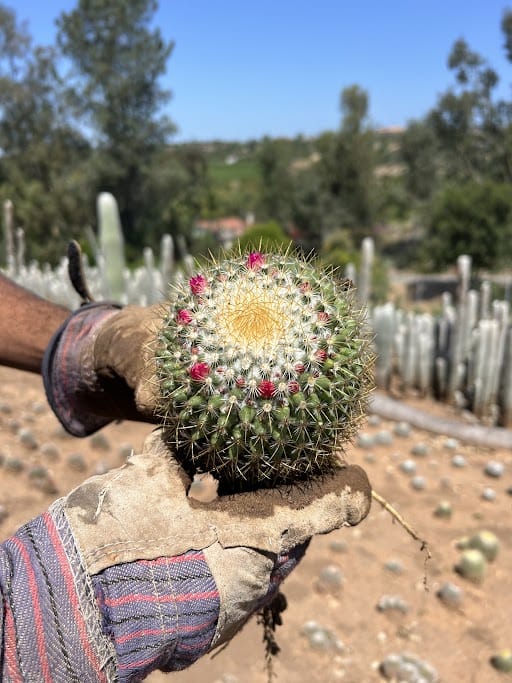
Not all cacti are created equal, nor do they command the same market price. The species, rarity, size, and age heavily influence their intrinsic value. Common varieties like Echinopsis or Mammillaria tend to be affordable due to their abundance and ease of propagation. Conversely, rare or slow-growing species such as Lophophora williamsii or large mature specimens of Carnegiea gigantea can demand premium pricing.
Additionally, unique morphological features like coloration, spine configuration, or blooming frequency add to their desirability. Pricing must reflect these distinguishing attributes to capture true market worth.


Assessing Production and Procurement Costs
A fundamental pillar of pricing involves calculating your total cost basis. This encompasses propagation expenses, greenhouse or outdoor growing space maintenance, labor, soil and pot materials, watering, pest control, and shipping supplies. For retail sellers, overhead such as storefront rent, utilities, and staff wages must also be factored in.
Online sellers should include packaging costs and shipping fees, which can vary widely depending on plant size and destination. Understanding your break-even point—the minimum price needed to cover all costs—is imperative before determining profit margins.
Market Research: Gauging Competitive and Consumer Pricing Expectations
Market research anchors your pricing decisions in reality. Scouring competitors’ prices for similar cactus varieties gives insight into standard retail values. Analyze both brick-and-mortar nurseries and e-commerce platforms to gauge the pricing spectrum.
Consumers shopping online often expect transparent, competitive pricing, combined with detailed plant descriptions to justify premium costs. Offering bundle discounts or seasonal promotions can also influence perceived value and drive sales volume.
Factor in Size and Presentation: Potting, Styling, and Staging
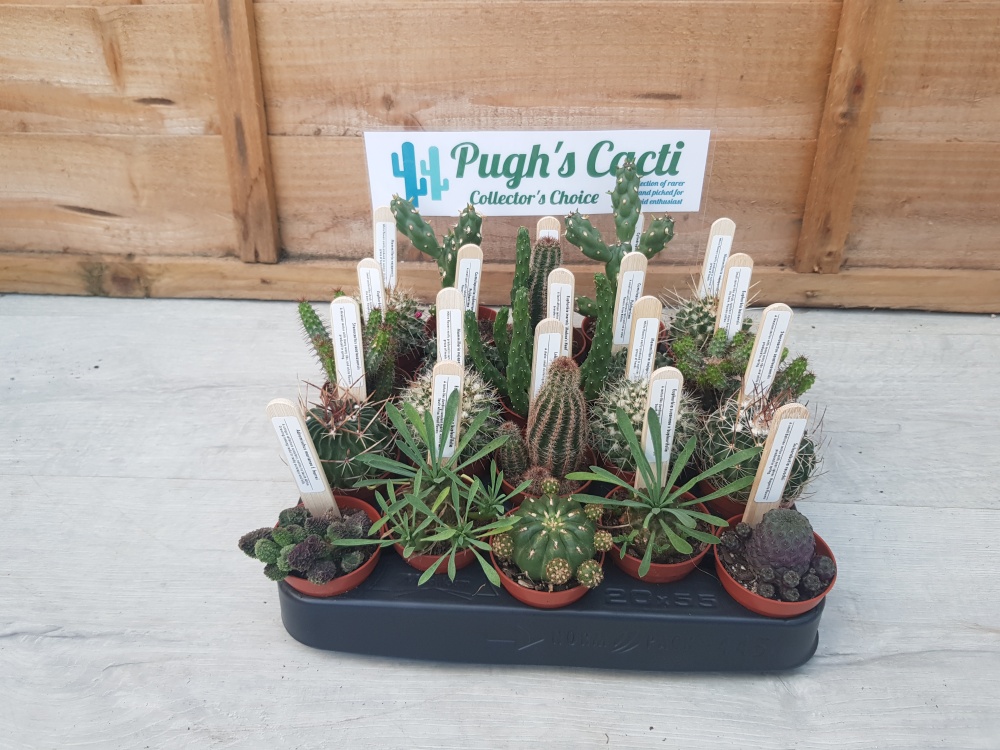
Size is often the most straightforward determinant of price. Larger cacti require more time and resources to cultivate. However, presentation can elevate prices beyond mere size categories. Decorative pots, artistic soil layering, and thoughtful staging can enhance perceived luxury.
Investing in aesthetic appeal not only increases the plant’s visual magnetism but also allows for strategic upcharging. Customers willing to pay for ready-to-display specimens appreciate this attention to detail, arguably contributing to a more compelling purchase experience.
Seasonality and Blooming Cycles Impact on Pricing
The seasonality of cacti can affect their supply levels and attractiveness. Some cacti bloom spectacularly during particular months, creating a natural window where demand surges. Pricing can be adjusted upward during peak blooming to capture consumer enthusiasm for flowers.
Off-season pricing strategies might include discounts to maintain turnover or promoting plants for their structural beauty rather than blossoms. Monitoring these fluctuations ensures your inventory remains appealing year-round.
Incorporating Shipping and Handling for Online Sales
Shipping cacti poses unique logistical challenges that impact pricing online. Their spiny, delicate nature requires sturdy packaging and sometimes expedited shipping to prevent damage. These added expenses inevitably raise the final cost.
Offering flat-rate shipping or free shipping thresholds can incentivize larger purchases but must be balanced against your cost structure. Detailed shipping policies that set expectations help reduce buyer hesitation and create a trustworthy brand image.
Psychological Pricing Techniques for Enhanced Sales
Employing pricing psychology can subtly nudge customers toward purchases. Charm pricing—using prices ending in .99 or .95—creates a perception of bargain without undermining value. Tiered pricing that presents multiple size or variety options caters to different budgets and encourages upselling.
Transparency about the value proposition, such as highlighting rarity or time invested, reinforces premium pricing justification. Leveraging limited-time offers or scarcity messaging can create urgency and boost conversions.
Leveraging Customer Feedback and Sales Data to Refine Pricing
After establishing initial prices, monitor sales performance and solicit customer feedback. Are certain species consistently moving quickly or slow? Do higher-priced cacti yield better profit margins without sacrificing sales volume?
Adapt your pricing dynamically based on empirical data. Seasonal trends, emerging species popularity, and consumer preferences evolve—your pricing strategy should be agile and responsive to maximize revenue and customer satisfaction alike.
Legal and Ethical Considerations in Pricing Live Plants
Pricing should always adhere to fair trade practices and respect regulations concerning endangered species or protected plant materials. Misrepresenting plant age, size, or rarity can alienate customers and invite legal repercussions.
Maintaining transparency and integrity fosters loyalty and builds a reputable brand, crucial components for long-term success in the cactus retail sector.
FAQ
What factors should I consider when pricing cacti?
Consider the intrinsic value of different species, production costs, market research, size and presentation, seasonality, and shipping logistics.
How can I enhance the perceived value of my cacti?
Invest in aesthetic presentation with decorative pots and staging, and use psychological pricing techniques.



Leave a Reply