
Short Answer
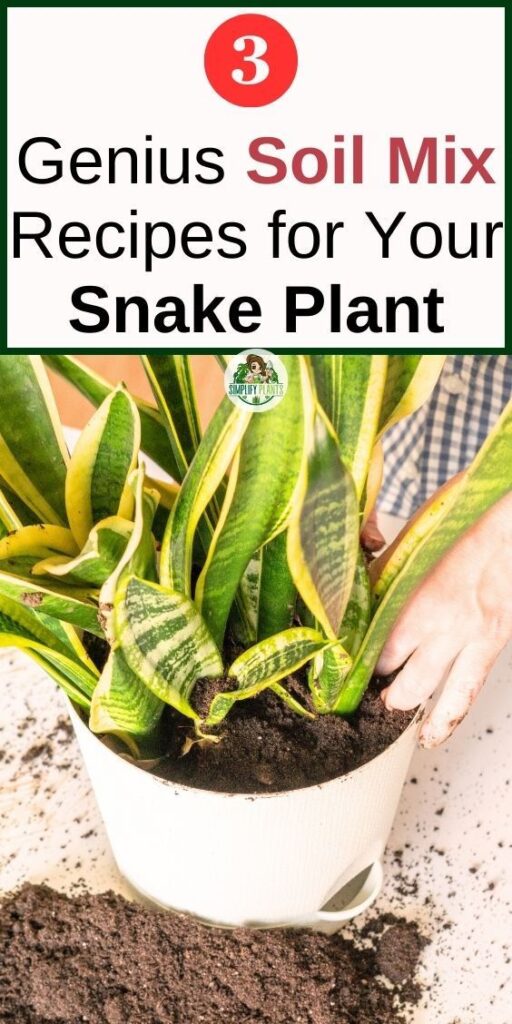
Ever stared at your Astrophytum, its ribbed body gleaming under the grow light, and wondered: Is this the soil whispering sweet nothings to my cactus, or is it silently plotting its demise? The truth? Soil isn’t just dirt—it’s the unsung hero of your cactus’s life story, the stage where roots tango with nutrients, and the fortress against root rot’s sneaky advances. But here’s the twist: not all soils are created equal, and for the star of the show—your Astrophytum—mediocrity simply won’t do. So, let’s roll up our sleeves and craft a soil mix that turns your cactus into the diva of your windowsill.
The Astrophytum’s Secret: Why Soil Matters More Than You Think
Astrophytums aren’t your average houseplants. These aren’t the kind of succulents that thrive in neglect; they’re the prima donnas of the cactus world, demanding a soil that’s equal parts airy, gritty, and nutrient-rich. Think of it this way: if your soil were a cocktail, you’d want it light and refreshing, not thick and cloying. A poorly draining mix is like serving your Astrophytum a milkshake—it might look appealing at first, but soon, the roots are drowning in a swamp of their own despair. Root rot isn’t just a setback; it’s a full-blown tragedy, and the villain? Stagnant moisture.
But here’s the kicker: Astrophytums also crave a touch of organic matter to keep their growth steady. Too little, and they’ll starve; too much, and they’ll suffocate. It’s a delicate balance, like walking a tightrope while juggling flaming torches. The solution? A bespoke soil blend that caters to their every whim.

The Anatomy of the Perfect Astrophytum Soil Mix
Ready to play mad scientist? Let’s dissect the ideal soil mix for your star cactus. The foundation should be a high-quality cactus and succulent mix, but don’t stop there—this is where the magic happens. To this base, we’ll add a handful of amendments to mimic the arid, rocky terrain of their native habitats. Here’s the recipe:
- 50% Cactus Mix: The backbone of your blend, providing a light, well-draining base.
- 25% Perlite or Pumice: The secret to aeration, ensuring roots get the oxygen they crave without compacting.
- 15% Coarse Sand: Not the beach sand you’re thinking of—this should be sharp, like the grit of a desert storm, to prevent compaction.
- 10% Organic Matter: A sprinkle of compost or worm castings to feed your cactus without smothering it.
Mix it all together, and voilà—you’ve just created a soil that’s as close to a five-star resort as a cactus could dream of. But wait, there’s more! For the overachievers among us, consider adding a dash of charcoal to absorb impurities or a smidge of gypsum to improve drainage. Your Astrophytum will thank you with faster growth and fewer meltdowns.
The Great Drainage Debate: Why It’s Non-Negotiable
Let’s talk about drainage—or the lack thereof—as if it’s the villain in a soap opera. Poor drainage is the slow, creeping antagonist that turns your cactus’s home into a waterlogged nightmare. Signs of trouble? Yellowing stems, mushy bases, or a foul odor wafting from the pot. If you see these, your soil mix has failed you, and your Astrophytum is staging a protest.
To avoid this tragedy, always opt for pots with drainage holes. If you’re feeling rebellious and want to use a cachepot (a decorative outer pot without holes), make sure to remove it after watering to let excess moisture evaporate. And here’s a pro tip: elevate your pot on pot feet or a layer of pebbles to ensure air circulates beneath. Your cactus’s roots need to breathe, not swim.
Another often-overlooked factor? The pot’s material. Terracotta is a cactus’s best friend—it’s porous, allowing moisture to evaporate quickly. Plastic, while lightweight, traps moisture like a humidity-loving villain. Choose wisely, and your soil mix will work in harmony with your pot to keep your Astrophytum thriving.
When to Repot: The Astrophytum’s SOS Signal
Even the best soil mix won’t last forever. Over time, organic matter breaks down, compaction occurs, and your once-perfect blend becomes a suffocating blanket. So, how do you know when it’s time to give your Astrophytum a fresh start? Watch for these red flags:
- Roots Poking Out: If you see roots circling the drainage hole or peeking out the top, it’s a clear sign your cactus is outgrowing its home.
- Soil Compaction: Press your finger into the soil. If it feels dense and hard, like a stale cake, it’s time for a refresh.
- Stunted Growth: If your Astrophytum’s ribs are barely elongating or new growth is sluggish, the soil might be exhausted.
- Foul Odor: A musty smell? That’s the scent of root rot setting in—act fast!
When repotting, choose a pot that’s only 1-2 inches larger than the current one. Astrophytums like to be snug; too much space invites excess moisture and root rot. Gently remove the cactus, shake off the old soil, and inspect the roots. Trim any mushy or blackened roots with sterilized scissors, then nestle your Astrophytum into its new home with fresh soil. Water lightly at first—just enough to settle the soil—and hold off on heavy watering for a week to let any damaged roots recover.
The Watering Waltz: How to Hydrate Without Drowning
Watering an Astrophytum isn’t a casual affair; it’s a choreographed dance between you and the soil. These cacti are drought-tolerant by nature, but they still need water to grow. The key? Soak and dry—give them a thorough watering, then let the soil dry out completely before watering again. But how do you know when it’s time? Here’s the trick: stick your finger an inch into the soil. If it’s bone dry, it’s go-time. If it’s even slightly damp, hold off.
Seasonal shifts matter too. In the growing season (spring and summer), your Astrophytum will guzzle water like a marathon runner. In fall and winter, cut back to minimal watering—just enough to prevent the soil from turning into a desert wasteland. And here’s a quirky tip: water in the morning. This gives excess moisture time to evaporate before cooler evening temperatures set in, reducing the risk of rot.
But what if you’re a serial overwaterer? Fear not! A top-dressing of coarse gravel or decorative stones can help wick away excess moisture and add a touch of desert chic to your pot. Your Astrophytum will appreciate the effort, even if it can’t say thank you.
Troubleshooting: When Your Soil Mix Fails
Even the most meticulous plant parent can run into soil-related hiccups. Maybe your Astrophytum’s ribs are wrinkling, or its base is softening like overripe fruit. Don’t panic—these are solvable problems. Let’s troubleshoot the most common soil-induced dramas:
- Yellowing or Mushy Base: Root rot is the likely culprit. Remove the cactus, trim the rotten roots, and repot in fresh, dry soil. Consider adding more perlite to the mix next time.
- Stunted Growth or Pale Color: Your soil might be too dense or lacking nutrients. Amend with more organic matter or switch to a lighter mix.
- Crusty Soil Surface: This happens when salts from tap water accumulate. Flush the soil with distilled water or use rainwater to prevent buildup.
- Pests Like Mealybugs or Fungus Gnats: These critters love damp, organic-rich soil. Let the top layer dry out between waterings and consider a soil drench with neem oil.
Remember, every Astrophytum is unique. What works for one might not work for another. Pay attention to your cactus’s cues, and don’t be afraid to experiment with your soil mix. After all, gardening is as much an art as it is a science.
The Final Flourish: Top-Dressing for Style and Function
Why stop at a functional soil mix when you can elevate your Astrophytum’s home into a work of art? Top-dressing isn’t just about aesthetics—it’s about creating a microclimate that mimics the cactus’s natural habitat. A layer of smooth pebbles, crushed granite, or even activated charcoal can do wonders. Not only does it look stunning, but it also helps regulate moisture and deter pests.
For a touch of whimsy, mix in some colored sand or crushed seashells to create a miniature desert landscape. Your Astrophytum will be the envy of every plant parent on your block. And if you’re feeling extra creative, arrange the top-dressing in patterns or gradients—because why should your cactus’s home be any less stylish than your living room?
So there you have it—the ultimate guide to crafting the perfect soil mix for your Astrophytum. With the right blend, your cactus will grow faster, stay healthier, and become the star of your plant collection. Now go forth, mix with confidence, and let your Astrophytum shine!
FAQ
What is the ideal soil mix for Astrophytum?
The ideal soil mix consists of 50% cactus mix, 25% perlite or pumice, 15% coarse sand, and 10% organic matter.
How often should I repot my Astrophytum?
Repot when you see roots poking out, soil feels compacted, or growth has stunted.



Leave a Reply