
Short Answer
Imagine a desert landscape, where the sun bakes the earth into a golden crust, and life persists in the most unexpected forms. Among the spiny sentinels of this arid world, the Echinocactus stands as a symbol of resilience, its ribbed, globular form a testament to nature’s tenacity. But what if you could not just admire this botanical marvel from afar, but instead, coax its legacy into your own hands? Propagating Echinocactus from offsets isn’t just a horticultural task—it’s an act of creation, a way to invite the untamed spirit of the desert into your home or garden. Whether you’re a seasoned green thumb or a curious novice, this guide will unravel the secrets of nurturing new life from these spiky offspring, promising a shift in how you perceive the humble cactus.
The Allure of Offsets: Why Echinocactus Reproduces Itself
Echinocactus, with its slow-growing, solitary nature, might seem like a loner of the plant world. Yet, beneath its armored exterior lies a quiet reproductive genius. Offsets, often called “pups” or “side shoots,” are miniature clones of the parent plant, sprouting from its base like tiny, spiky heirs. These offsets are nature’s way of ensuring the survival of the species, a built-in mechanism for propagation that requires no human intervention. But why do they form? The answer lies in the plant’s evolutionary strategy. In the harsh desert, where resources are scarce and survival is a daily battle, Echinocactus has evolved to reproduce asexually, ensuring that even if the parent plant perishes, its genetic legacy lives on through its offspring. For the gardener, this means an opportunity to harness this innate resilience, turning a single plant into a thriving colony with minimal effort.
Selecting the Perfect Offset: A Matter of Timing and Tact
Not all offsets are created equal, and choosing the right one is the first step toward success. The ideal offset should be at least one-third the size of the parent plant, with its own set of spines and a healthy, plump appearance. Avoid offsets that look shriveled or discolored, as these may be struggling to photosynthesize or could harbor disease. Timing is crucial too. The best time to harvest offsets is during the plant’s active growing season, typically in spring or early summer, when the parent is primed for growth and the offsets have the energy to establish themselves independently. Gently twist the offset from the parent, using a clean, sharp knife if necessary. The goal is to minimize damage to both the parent and the pup, ensuring a clean break that promotes quick healing.
The Art of Detachment: Separating Offsets Without Harm
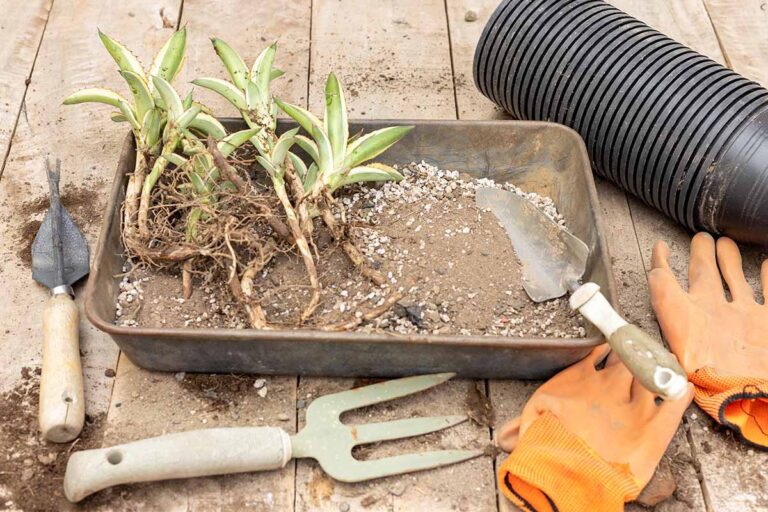
Detaching an offset from its parent is a delicate operation, akin to performing microsurgery on a living organism. The key is to act with precision and care. Start by sterilizing your tools—whether a knife, pruning shears, or even your bare hands—to prevent introducing pathogens. If the offset is stubborn, don’t force it. Instead, wiggle it gently from side to side, applying even pressure until it releases. If it resists, a quick slice with a sterilized blade may be necessary, but always aim to leave a small portion of the offset’s base intact. This “heel” can help the pup root more easily. Once detached, allow the offset to callus over for a day or two. This step is non-negotiable; a fresh wound is an open invitation for rot, and patience here will save you heartache later.
Rooting the Future: Preparing the Perfect Medium
A cactus’s roots are its lifeline, and choosing the right medium is the difference between thriving and withering. Echinocactus offsets are no exception. The ideal medium should mimic the well-draining, mineral-rich soils of their native habitats. A blend of coarse sand, perlite, and a dash of organic matter like coconut coir or composted bark works wonders. Avoid heavy, moisture-retentive soils, which can drown the delicate roots in a matter of days. For added insurance, consider using a rooting hormone powder to stimulate growth, though this isn’t strictly necessary for healthy offsets. The medium should be slightly moist but never soggy—a fine balance that encourages root development without inviting fungal foes.
The Waiting Game: Patience as a Virtue in Propagation
Here’s where the real test begins: the waiting. Rooting an Echinocactus offset is not a sprint; it’s a slow, meditative marathon. Place the callused offset in its prepared medium, burying the base just enough to anchor it. Resist the urge to water it immediately. Instead, wait a week before giving it a light drink, allowing the roots to seek moisture naturally. Over the next few weeks, keep the soil barely damp, checking for signs of life—a slight firmness at the base or the emergence of new spines are telltale signs that roots are forming. During this time, provide bright, indirect light. Direct sun can scorch the tender young plant, while too little light will stunt its growth. Think of this period as a delicate dance between nurturing and restraint, where every drop of water and every ray of light plays a pivotal role.
Transplanting Triumph: When and How to Move Your New Plant
Patience pays off when you notice new growth—a sure sign that your offset has successfully rooted. But don’t rush to transplant it just yet. Wait until the pup is at least an inch in diameter and shows signs of robust health. When the time comes, choose a pot that’s just slightly larger than the offset’s root system. Terracotta pots are ideal, as their porous nature helps wick away excess moisture. Gently remove the plant from its medium, taking care not to disturb the roots. Place it in its new home, filling in with fresh, well-draining soil. Water lightly at first, then gradually increase as the plant acclimates. The first few weeks post-transplant are critical; keep the plant in a stable environment with consistent light and minimal stress. This is its probation period, where it must prove its hardiness before facing the world.
Nurturing the Next Generation: Long-Term Care for Your Echinocactus
With your offset now established, the journey shifts from propagation to cultivation. Echinocactus thrives in conditions that echo its desert origins: bright, direct light for at least six hours a day, and a winter dormancy period where temperatures drop and water is scarce. Fertilize sparingly, using a low-nitrogen cactus fertilizer diluted to half strength, only during the growing season. Overwatering is the silent killer of these plants—when in doubt, underwater. The soil should dry out completely between waterings, a rule that applies year-round but is especially critical in cooler months. Watch for pests like mealybugs or scale, which can hitch a ride on new plants. A quick wipe with rubbing alcohol or a blast from a hose can evict these uninvited guests before they cause damage.
A Legacy in the Making: The Rewards of Propagation
There’s something profoundly satisfying about watching a tiny offset grow into a full-fledged Echinocactus, its ribs swelling with stored water, its spines standing sentinel like a miniature fortress. Each propagated plant is a living testament to the power of patience and the magic of nature’s design. Beyond the tangible rewards—a home filled with thriving cacti, a garden enriched with desert beauty—there’s an intangible gift: the knowledge that you’ve played a part in the cycle of life. Propagating Echinocactus from offsets isn’t just about growing plants; it’s about growing a connection to the earth, to the rhythms of growth and decay, and to the quiet, unyielding resilience of life itself. So, roll up your sleeves, gather your tools, and prepare to embark on a journey that will change the way you see the world—one spiky offspring at a time.
FAQ
What is Echinocactus?
Echinocactus is a genus of cacti known for their spherical shape and ribbed structure, often referred to as barrel cacti.
How do I know when to propagate Echinocactus?
The best time to propagate Echinocactus is during its active growing season, typically in spring or early summer.
What should I do if my Echinocactus offsets don't root?
If offsets don’t root, ensure you are using a well-draining soil mix and provide adequate light and moisture. Patience is key.


Leave a Reply