
Short Answer
Pruning a cactus can seem like a daunting task, much like wandering through a desert filled with prickly obstacles. This process requires a deft hand and a discerning eye to ensure your green companion remains healthy and thriving amidst the austere beauty of its spiny form.
Understanding the anatomy of a cactus is crucial before embarking on this delicate journey. Cacti are not merely plants; they are living sculptures, honed by thousands of years of evolution to withstand arid terrains. Their resilience is inspiring, yet they remain vulnerable. A sudden, unthoughtful clip can lead to detrimental outcomes. Thus, knowing how and when to prune is essential for maintaining this botanical wonder’s integrity.
Before snipping away, let us explore the intriguing world of cactus pruning.
Recognizing the Right Time to Prune
Timing can be as crucial in pruning as the act itself. The optimal moment to initiate this task tends to align with the seasonal clock. Ideally, late winter or early spring heralds the perfect time, just as the cactus awakens from dormancy, preparing for growth.
As the sun’s rays linger longer, the plant begins to swell with life, akin to an artist finally putting brush to canvas after a long pause of contemplation. During this period, the sap flows more freely, and the cactus is better equipped to heal the wounds inflicted by your pruner’s shears.
Avoid pruning in the fall or winter months when the plant is at its most fragile state. The chill of winter can be unforgiving, much like a harsh critic who impedes creative expression. The cactus retreats, conserving energy rather than engaging in growth or repair.
The Purpose Behind Pruning
Why prune a cactus? The simple answer resides in aesthetics and health. Over time, cacti can develop disease, and overcrowding may stifle growth. Think of a cactus as a crowded artist’s studio; without the occasional decluttering, creativity suffers, and the art loses its intention.
A properly pruned cactus not only enhances its visual appeal, transforming a wild tangle into a well-composed masterpiece, but it can also stave off diseases and pests that take residence in the overgrown nooks and crannies. Remove any discolored, soft, or dead pads or stems; these are akin to scribbled drafts in an artist’s sketchbook—necessary to eradicate for the greater beauty of the final piece.
Additionally, pruning encourages new growth. By strategically cutting away old or weak parts, the cactus can redirect its energy to healthier, more vigorous sections. It’s a revitalizing refresh that inspires flourishing results.
Employing Pruning Techniques
Using the right tools is paramount in your transformational journey. Choose sharp, clean scissors or pruning shears, much like a sculptor wielding a chisel—precision is the key to revealing a beautiful form hidden within. Before commencing, ensure your tools are sterilized to mitigate the risk of pathogens that could affect your plant’s health.
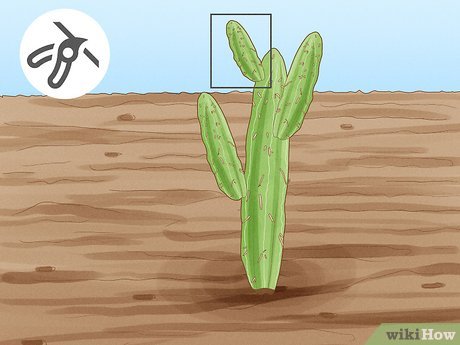
When ready, proceed with caution. Begin by identifying the sections you wish to prune. Be methodical. Cut just above a joint or pad. Each cut should be bewitchingly deliberate, leaving enough healthy tissue behind to support new growth.
Unlike other plants that may call for a rough approach, with cacti, gentleness should be your mantra. As you work, avoid excessive handling to minimize stress. Each piece of the cactus you remove should feel intentional, like brush strokes building a harmonious fresco.
Addressing the Aftermath
Once the pruning process is complete, the journey does not end there. The aftermath of pruning can be compared to finishing a great novel; it requires reflection and care. It’s essential to let your pruned cactus “heal” by minimizing stress. Place it in an environment with bright, indirect light, avoiding harsh direct sunlight that could scorch the wounded areas.
Moreover, resist the inclination to water immediately after pruning. Instead, allow the cuts to callous over; this fascinating biological process is akin to an artist allowing their paint to dry before adding more layers. Your cactus will thrive best with patience, ensuring it has time to form protective barriers against pathogens.
Monitoring Progress for Optimal Health
After pruning, embark on a journey of observation. Like watching a fertile landscape transform after a storm, you should closely monitor your cactus’s responses. Healthy signs include new growth developing from previously trimmed sections, showcasing vigor—a testament to your carefully executed care.
If discrepancies arise, such as wilting or discoloration, reevaluate your pruning choices. Your cactus speaks through its physical state, revealing concerns much like an author weaving themes through character development. Adjust care and environment accordingly to nurture the evolving plant.
Remember, pruning is not merely about aesthetics—it’s a nurturing form of artistry that fosters health and longevity. You become the caretaker of a living sculpture, and each snip is a testament to your commitment to both its beauty and well-being.
In conclusion, pruning a cactus without causing harm is an art requiring knowledge, patience, and respect for the intricate beauty embedded in each spine and pad. With the right approach, your cactus will not only survive the experience but thrive in its renewed glory, becoming a beacon of resilience and beauty in your collection.
FAQ
When is the best time to prune a cactus?
The best time to prune a cactus is late winter or early spring, just as the plant begins to grow after dormancy.
What tools should I use to prune my cactus?
Use sharp, clean, and sterilized pruning shears or scissors to make precise cuts and prevent infection.
How should I care for my cactus after pruning?
Keep the cactus in bright, indirect light and avoid watering immediately to allow the cut areas to callous over.
Why is pruning important for cacti?
Pruning removes diseased or dead parts, prevents overcrowding, and encourages healthy new growth.

Leave a Reply