
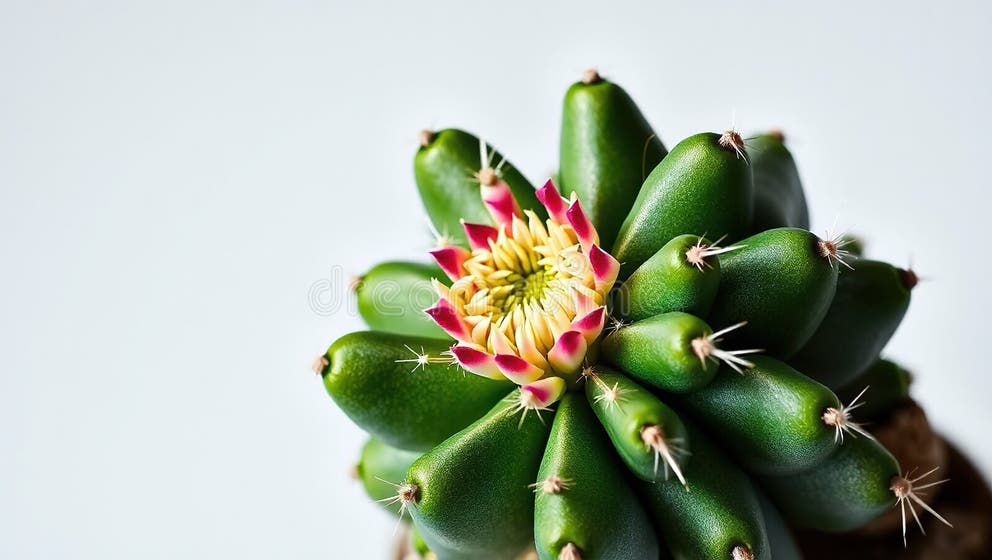
Short Answer
In the quiet corners of urban apartments and the sun-drenched patios of suburban homes, a peculiar green revolution is unfolding. Cacti, those stoic sentinels of arid landscapes, have transcended their desert origins to become darlings of the indoor plant world. Their allure lies not just in their resilience but in the promise they hold—tiny, unassuming seeds that can sprout into living sculptures of nature’s tenacity. Yet, selling cactus seeds is more than a transaction; it’s an invitation into a world where patience and passion intertwine. To transform these humble seeds into coveted treasures, one must master the art of packaging and marketing, where every detail whispers a story of growth, mystery, and the quiet thrill of nurturing life from the barest of beginnings.
The Allure of Cactus Seeds: Why They Captivate the Modern Gardener
There’s something almost alchemical about cactus seeds. In a world where instant gratification reigns, they demand a different kind of magic—one that unfolds over months, even years. The modern gardener, besieged by the ephemeral trends of social media, finds solace in the cactus’s slow, deliberate journey from seed to spectacle. It’s a rebellion against the disposable culture, a commitment to the art of waiting. This fascination isn’t merely aesthetic; it’s a psychological balm. In an era of digital overload, the tactile experience of planting, watering, and watching a cactus grow becomes a meditative act, a tangible connection to the earth’s rhythms.
Moreover, cacti are survivors. Their ability to thrive in neglect mirrors the resilience many seek in their own lives. Selling cactus seeds, then, isn’t just about commerce—it’s about selling a philosophy. A promise that beauty can emerge from adversity, that growth is possible even in the driest of circumstances. This deeper narrative is what transforms a simple packet of seeds into a coveted commodity.
Packaging: The First Whisper of Your Brand’s Story
Packaging is the silent ambassador of your product, the first physical interaction a customer has with your seeds. For cactus seeds, this is where the magic begins—or ends. The packaging must evoke the essence of the cactus itself: rugged, resilient, and subtly exotic. Think matte kraft paper envelopes with earthy tones, or sleek, minimalist tins that hint at industrial precision. Avoid anything overly glossy or plastic-like; the goal is to evoke the natural world, not a laboratory.
Transparency is key. Include a small window or a detailed illustration of the mature cactus the seeds will produce. This isn’t just informative—it’s aspirational. It allows the buyer to visualize their future plant, to dream of the day their windowsill will host a thriving, spiky marvel. Consider adding a QR code that links to a short video of the cactus’s growth stages. In a world of instant information, this small touch bridges the gap between curiosity and commitment.
Don’t overlook the tactile experience. Texture matters. A slightly rough, unbleached paper or a linen-like finish invites touch, making the packaging feel like a relic from a bygone era of handwritten letters and hand-tended gardens. And, of course, the seal must be secure but not hermetically airtight—cactus seeds need breathability to remain viable. A wax seal or a simple sticker closure adds a touch of artisanal charm, reinforcing the idea that these seeds are not mass-produced but lovingly curated.
Branding: Crafting an Identity That Resonates
A brand isn’t just a logo or a color scheme; it’s the emotional fingerprint you leave on your customers. For cactus seeds, the branding should feel like a whispered secret among fellow enthusiasts. Use earthy, muted colors—sage greens, terracotta, deep blues—that evoke the desert at dusk. Typography should be clean but not sterile; perhaps a handwritten-style font for the brand name, paired with a modern sans-serif for the rest. This juxtaposition hints at both tradition and innovation.
Your brand voice should be warm, knowledgeable, and slightly whimsical. Share stories of cactus lore—how certain species were used in ancient rituals, or how the saguaro cactus can live for over 150 years. This isn’t just fluff; it’s world-building. It transforms your seeds from a product into a portal to a larger, richer narrative. Consider a tagline that captures this essence, something like “Grow Resilience, One Seed at a Time” or “From Arid Beginnings to Verdant Triumphs.”
Packaging and branding are not separate entities but two sides of the same coin. Together, they create an experience that begins the moment the customer’s eyes land on your product and lingers long after the seeds are planted.
Marketing Channels: Where to Plant Your Seeds
The digital age offers a labyrinth of marketing channels, but not all are suited for cactus seeds. Social media, particularly Instagram and Pinterest, are visual playgrounds where the aesthetic appeal of cacti can shine. Post time-lapse videos of seed germination, share before-and-after photos of cacti grown from your seeds, and create reels that highlight the quirky personalities of different cactus species. Use hashtags like #CactusLove, #DesertDreams, and #SlowGrowthMovement to tap into niche communities.
Email marketing remains a powerful tool for storytelling. Send a monthly newsletter with care tips, cactus trivia, and subscriber-exclusive discounts. This isn’t just about selling; it’s about fostering a community. Consider partnering with micro-influencers—plant enthusiasts with small but highly engaged followings. Their authenticity will resonate more than a celebrity endorsement ever could.
Don’t overlook the tactile power of print. A beautifully designed catalog or a postcard with a handwritten note can stand out in a world of digital noise. Attend local plant swaps, farmers’ markets, or garden shows to connect with customers face-to-face. The personal touch of explaining the care of cactus seeds in person can turn a skeptical buyer into a loyal advocate.
Educational Content: Empowering Customers to Succeed
The best marketing doesn’t just sell a product; it sells confidence. Provide detailed, easy-to-follow guides on germinating cactus seeds, from soil preparation to watering schedules. Create a blog series on common mistakes to avoid, such as overwatering or using the wrong soil mix. This positions your brand as an authority, a trusted guide in the customer’s journey.
Consider offering a free e-book, “The Beginner’s Guide to Cactus Cultivation,” in exchange for email sign-ups. This not only builds your mailing list but also demonstrates your expertise. Host live Q&A sessions on Instagram or YouTube, where customers can ask questions and receive real-time advice. The more you educate, the more you empower—and the more loyal your customer base will become.
Don’t forget the power of user-generated content. Encourage customers to share photos of their cacti with a branded hashtag, and feature the best submissions on your website or social media. This creates a sense of community and provides social proof that your seeds deliver on their promise.
Pricing and Positioning: Balancing Accessibility and Exclusivity
Pricing cactus seeds requires a delicate balance. On one hand, seeds are inherently affordable, and customers expect a reasonable price. On the other, positioning your seeds as premium—perhaps by emphasizing rare species or organic growing practices—can justify a higher price point. Consider offering tiered pricing: a basic packet for beginners, a premium packet with rare seeds for collectors, and a “collector’s edition” with seeds from a specific region or species.
Bundle deals can also drive sales. Offer a “Desert Starter Kit” with seeds, soil, and a small pot, or a “Gift of Growth” package for those looking to give a unique present. Limited-edition releases, such as seeds from a newly discovered cactus species, can create a sense of urgency and exclusivity. Remember, people don’t just buy seeds; they buy experiences, stories, and the thrill of possibility.
The Future of Cactus Seed Sales: Trends to Watch
The world of plant sales is evolving, and cactus seeds are poised to ride the wave of several emerging trends. Sustainability is no longer a buzzword but a necessity. Highlight your eco-friendly packaging, your commitment to organic seeds, or your participation in reforestation programs. Customers are increasingly drawn to brands that align with their values.
Another trend is the rise of “plantfluencers”—social media personalities who focus solely on plants. Collaborate with these influencers to reach a broader audience. Additionally, the demand for rare and exotic plants continues to grow. Consider offering seeds for unusual cactus species, such as the *Turbinicarpus* or *Lophophora*, to cater to collectors and enthusiasts.
Finally, the intersection of technology and gardening is an exciting frontier. Augmented reality (AR) apps that allow customers to visualize how a cactus will look in their space before purchasing are gaining traction. While this may be beyond the scope of a small seed seller, staying aware of these trends can help you adapt and innovate in the future.
The journey of selling cactus seeds is one of patience, passion, and precision. It’s about understanding the deeper desires of your customers—their longing for connection, their appreciation for resilience, and their love for the slow, steady magic of growth. By crafting packaging that tells a story, branding that resonates, and marketing that educates, you’re not just selling seeds. You’re selling a piece of the desert’s soul, a promise of transformation, and a reminder that even the smallest beginnings can lead to the most extraordinary outcomes.
FAQ
What are effective packaging tips for cactus seeds?
Use eco-friendly materials, include visual elements of the mature cactus, and ensure breathability for seed viability.
How can I market cactus seeds?
Utilize social media platforms, email marketing, and community engagement through events to promote your cactus seeds.
Leave a Reply