
Short Answer
When envisioning an indoor garden, cacti may not be the first plants that spring to mind. However, their unique architectural shapes, dazzling colors, and resilient nature make them captivating additions to any interior space. These desert dwellers possess qualities that not only enhance aesthetic appeal but also intrigue plant aficionados with their peculiar adaptability. To maximize the potential of your indoor cacti, a thorough understanding of their specific needs is essential.
Understanding the Anatomy of Cacti
Cacti are morphologically distinct from other houseplants, characterized by their thickened stems capable of storing water. This adaptation allows them to thrive in arid environments where moisture is scarce. Their spines, which have evolved from leaves, serve multiple purposes: they provide shade and limit water loss while also deterring herbivores. Recognizing these features can deepen one’s appreciation for cacti beyond their aesthetic charm; it reveals their remarkable evolutionary journey.
Choosing the Right Variety for Indoor Spaces
Not all cacti are created equal, and selecting the appropriate species for indoor cultivation is crucial. Consider the following popular varieties:
• **Saguaro Cactus (Carnegiea gigantea)**: Iconic for its tall, upright structure, the Saguaro is ideal for spacious indoor settings where it can be a dramatic centerpiece.
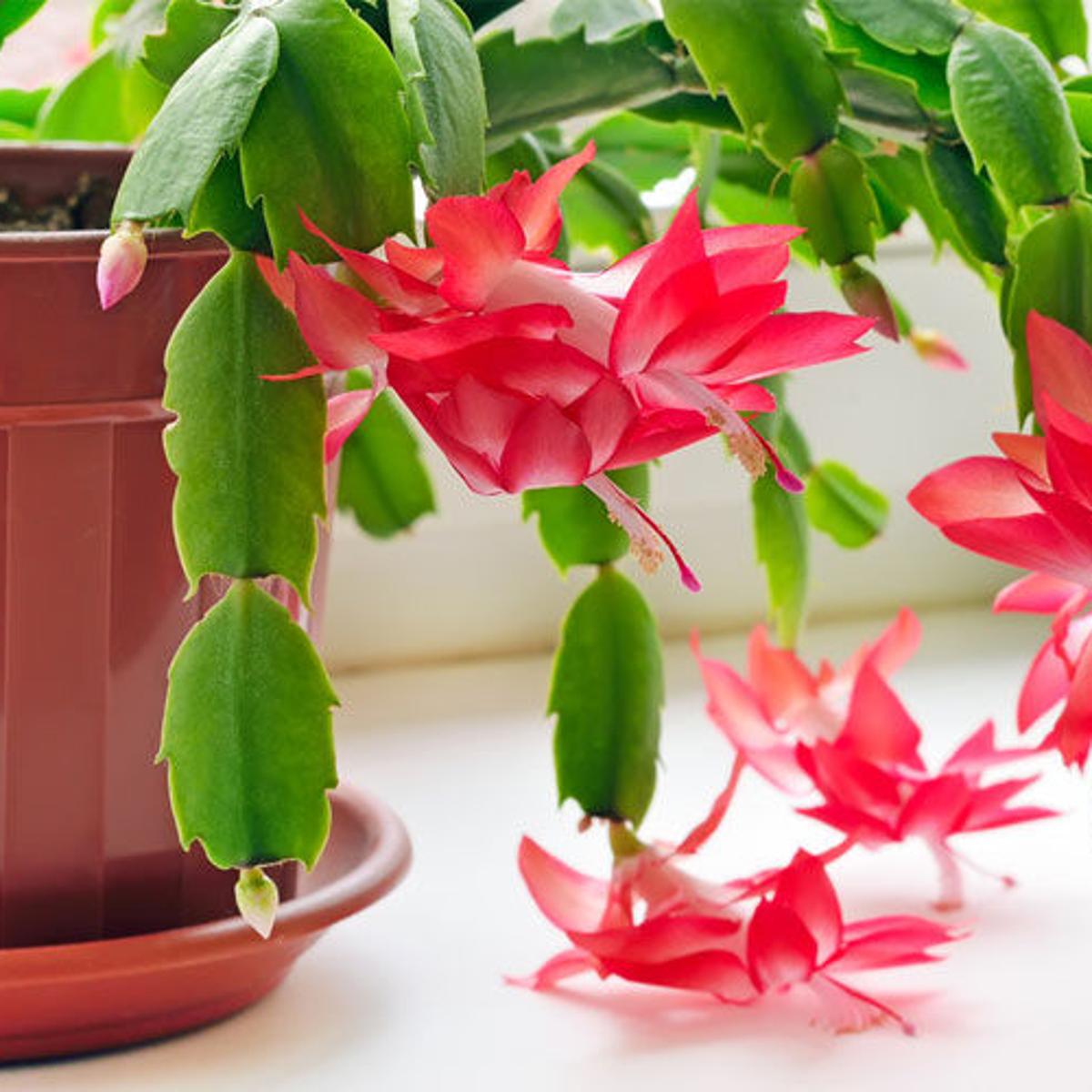
• **Christmas Cactus (Schlumbergera)**: Not technically a true cactus, this variety showcases vibrant blossoms during the holiday season, adding a touch of festivity to your home.
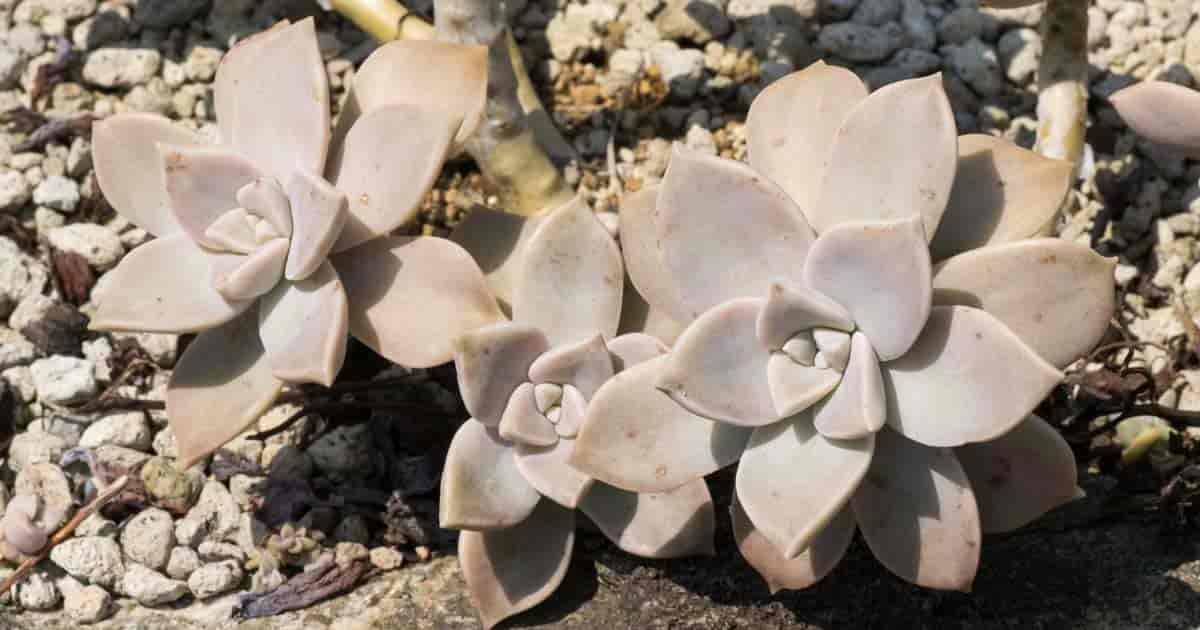
• **Hens and Chicks (Echeveria)**: Known for their rosette shape, these small cacti are perfect for tabletops and windowsills, offering a compact option for cacti enthusiasts.
• **Fishhook Barrel Cactus (Ferocactus wislizeni)**: With its symmetrical form and formidable spines, this cactus juxtaposes beauty and toughness, making it an interesting conversation starter.
Understanding your space and light conditions will guide your selection process. Ensuring the chosen species aligns with your indoor environment will set the stage for successful cultivation.
Creating the Perfect Environment
The growing environment is pivotal for any plant, and cacti are no exception. Here are vital considerations for nurturing your indoor cacti:
• **Light Requirements**: Cacti flourish in bright, direct sunlight. Positioning them near south-facing windows is ideal, where they can soak up ample light. If natural light is limited, consider supplementing with grow lights, ensuring they receive adequate illumination for at least six hours a day. Avoid placing them in dank corners as inadequate light can lead to etiolation, where they stretch awkwardly in search of sunlight.
• **Temperature Control**: Cacti thrive in indoor temperatures ranging from 65°F to 80°F during the daytime and can endure slightly cooler conditions at night. Keep them away from drafts and sudden temperature fluctuations, which can stress the plants.
• **Humidity Considerations**: One of the defining characteristics of cacti is their tolerance to low humidity. They generally prefer dryer conditions, so maintaining average home humidity levels is sufficient. Avoid placing them in humid spaces like bathrooms, which may promote rot and other health issues.
Mastering Watering Techniques
Watering is arguably the most misunderstood aspect of cactus care. While it’s tempting to treat them like most houseplants, cacti have unique hydration needs.
• **Soil Moisture Awareness**: The general rule of thumb is to allow the soil to dry out completely between watering sessions. Insert your finger into the soil; if it feels dry up to the first knuckle, it’s time to water. Overwatering is a common pitfall, leading to root rot—a swift demise for a cactus.
• **Water Quantity**: When it’s time to water, do so thoroughly. Water the plant until it drains out of the pot’s bottom, ensuring the roots receive adequate moisture without lingering in waterlogged conditions.
• **Seasonal Adjustments**: Cacti require less frequent watering during winter months as they enter dormancy. It’s crucial to adapt your watering schedule according to the season, giving your plants the care they need to thrive.
Repotting and Soil Considerations
Repotting is essential for cacti to expand their growth potential. Here’s how to do it effectively:
• **Selecting the Right Soil**: Opt for a well-draining soil mix specifically designed for cacti and succulents. This will help prevent moisture accumulation—a common enemy of healthy cacti roots.
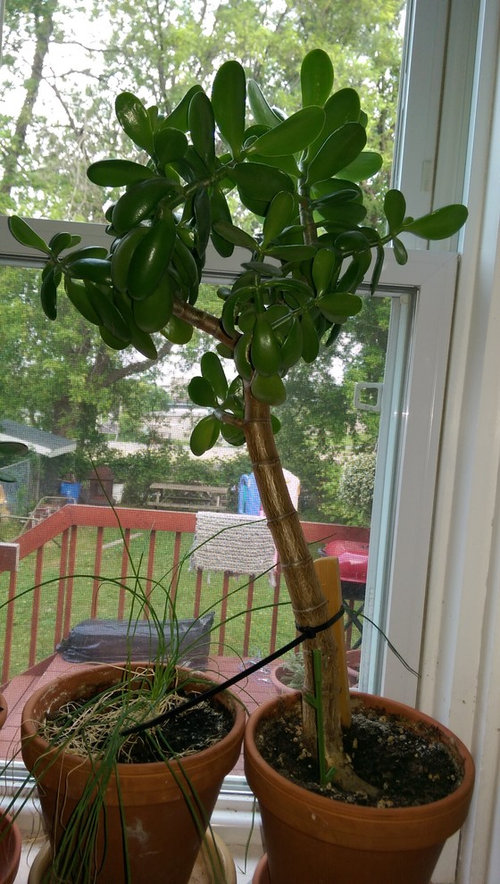
• **Choosing the Right Pot**: Terracotta pots are ideal, as the porous material allows for airflow and drainage. Ensure that the pot has adequate drainage holes to facilitate proper water flow.
• **Timing for Repotting**: The ideal time for repotting is during the growing season—typically in spring. Gently remove the cactus from its pot, shake off excess soil, and place it in the new pot with fresh soil. Avoid watering immediately after repotting; allow the plant a week to acclimatize before resuming its watering routine.
Nurturing Your Indoor Eden
Embracing cacti in your indoor gardening endeavors offers a unique blend of intrigue and beauty. Their unconventional forms and vibrant blossoms can enliven any space, making them rewarding companions for seasoned and novice plant enthusiasts alike. Remembering to cater to their specific needs in terms of light, watering, and soil will ensure that your indoor cacti thrive, bringing an authentic piece of the desert into the heart of your home. As you delve deeper into the world of cacti, you’ll discover that these plants not only embellish your surroundings but also offer a window into the wonders of nature’s resilience. Cultivating them is not merely about aesthetics; it’s about appreciating the intricacies of life that they embody.
FAQ
How much light do indoor cacti need?
Indoor cacti need bright, direct sunlight for at least six hours a day, ideally near south-facing windows or supplemented with grow lights.
What is the best watering practice for indoor cacti?
Water thoroughly only when the soil is dry up to the first knuckle, and reduce watering frequency during winter dormancy.
What kind of soil should I use for my indoor cactus?
Use a well-draining soil mix designed specifically for cacti and succulents to avoid root rot.
When should I repot my indoor cactus?
Repot your cactus during the spring growing season using fresh soil and a pot with good drainage.
Can indoor cacti tolerate humidity?
Indoor cacti prefer low to average household humidity and should be kept away from humid areas like bathrooms.
Leave a Reply