

Short Answer
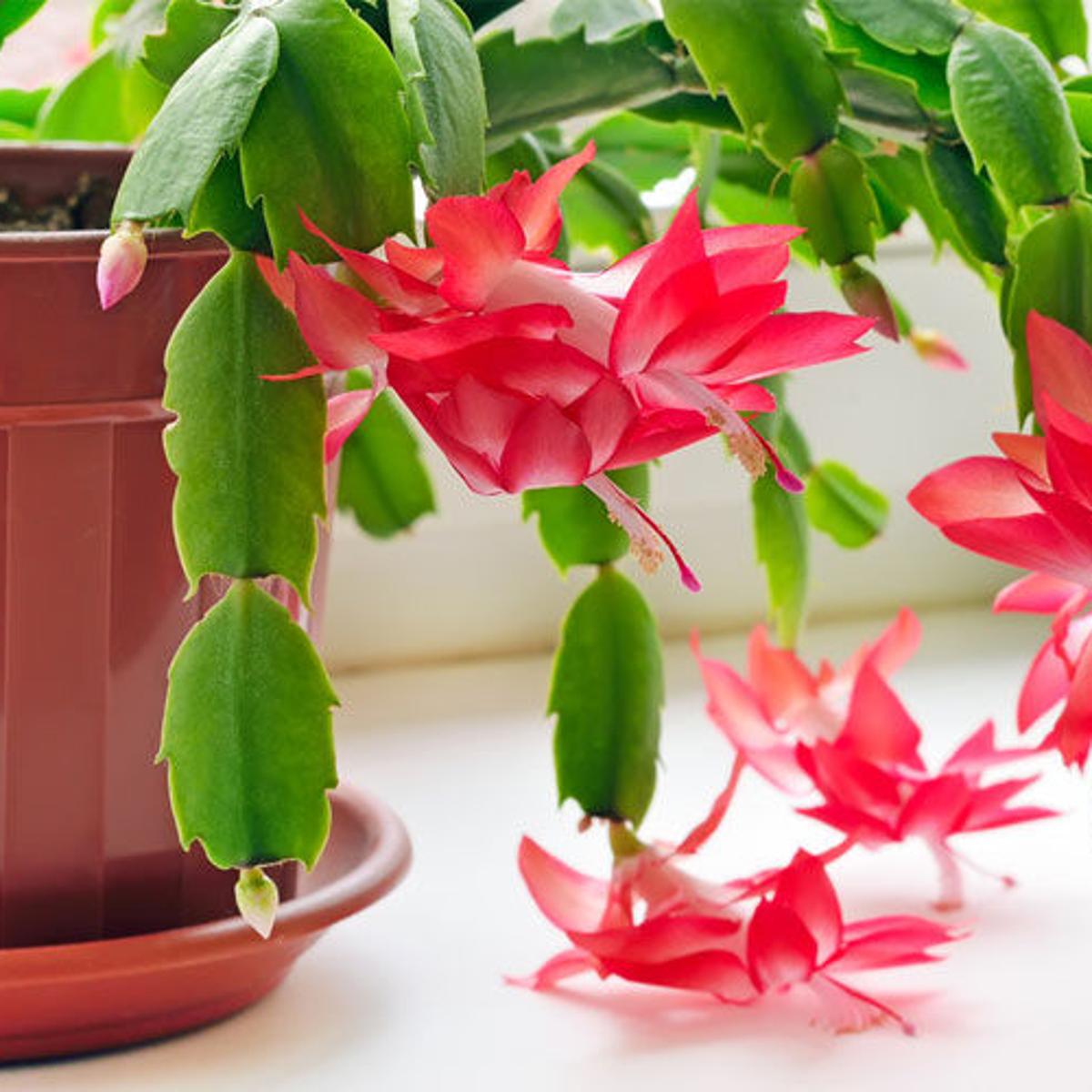
Picture this: a lush, vibrant Schlumbergera plant, its segmented stems cascading like emerald waterfalls over the edge of a pot, its tips crowned with radiant blooms that defy the dreary winter months. This isn’t just a houseplant—it’s a living testament to resilience, a burst of color in the grayest season. But here’s the twist: this botanical marvel doesn’t ask for much. In fact, it begs for restraint. Overwatering, that silent assassin of houseplants, lurks in the shadows, ready to sabotage your Schlumbergera’s splendor with a single misplaced drop of water. The question isn’t just *how often* to water—it’s *how wisely*. Let’s embark on a journey to decode the hydration needs of this epiphytic wonder, where less truly becomes more.
The Myth of the Thirsty Cactus: Why Schlumbergera Isn’t Your Average Succulent
Schlumbergera, affectionately dubbed the “Christmas cactus” (though it blooms far beyond December), is often lumped into the same category as its desert-dwelling cousins. But here’s the revelation: it’s not a cactus in the traditional sense. This epiphyte hails from the misty, humid jungles of Brazil, where it clings to trees, sipping moisture from the air and the occasional rain shower. Its flat, segmented stems are evolutionary marvels—designed to store water, yes, but also to signal distress when overindulged. Unlike true succulents, which thrive on neglect, Schlumbergera demands a delicate balance: enough hydration to fuel its growth, but never enough to drown its roots in soggy despair.
This misconception is where many well-meaning plant parents go astray. They see a plant with thick, fleshy stems and assume it’s a water-guzzler. Wrong. The stems are more like reservoirs than straws. They’re built to endure brief dry spells, not constant saturation. Overwatering suffocates the roots, leading to a cascade of problems—root rot, bud drop, and a slow, sad decline. The key? Treat your Schlumbergera like the tropical guest it is: pampered, but not drowned.
The Golden Rule: When to Water (And When to Walk Away)
So, how do you know when your Schlumbergera is truly thirsty? The answer lies not in a rigid schedule, but in the language of the plant itself. Start by checking the top inch of soil. If it’s dry to the touch, it’s time to water. But here’s the nuance: don’t just poke the surface and assume the job is done. Gently press your finger into the soil near the base of the plant. If it’s dry two inches down, your Schlumbergera is begging for a drink. If it’s still damp, walk away. This isn’t a plant that thrives on routine; it thrives on observation.
Seasonality plays a starring role in this hydration dance. During the active growing season—spring and summer—your Schlumbergera will drink more freely. The soil should dry out slightly between waterings, but never completely. Come fall, as the plant gears up for its winter bloom cycle, reduce watering frequency. The soil should dry out more between drinks, mimicking the natural dry spells it experiences in its native habitat. Winter is the trickiest act of all. While the plant is in bloom, keep the soil lightly moist, but never soggy. After flowering, let it rest. This is the time to let the soil dry out almost entirely before watering again. It’s a rhythm, not a rule—a symphony of give and take.
The Perils of Overwatering: Root Rot and the Silent Sabotage
Overwatering isn’t just a minor misstep; it’s a full-blown betrayal of your plant’s trust. When the roots sit in waterlogged soil, they suffocate, unable to absorb oxygen. The result? Root rot, a stealthy killer that begins underground before the first signs appear above. Yellowing stems, mushy leaves, and a foul odor wafting from the pot are the plant’s last cries for help. By then, it’s often too late. The rot spreads like wildfire, and the only recourse is to snip away the affected roots, repot in fresh, dry soil, and hope for recovery.
But the damage doesn’t stop at the roots. Overwatering triggers a cascade of secondary horrors. Bud drop, that heartbreaking phenomenon where flower buds shrivel and fall before they can bloom, is a common symptom. The plant, sensing distress, redirects its energy from reproduction to survival. It’s a desperate act of self-preservation. And then there’s the stunted growth, the limp stems, the overall air of malaise. Overwatering doesn’t just drown the roots—it drowns the plant’s spirit.
Prevention is the only cure. Ensure your pot has drainage holes—non-negotiable. Use a well-aerated, chunky soil mix, ideally one formulated for epiphytes or cacti, with plenty of perlite or orchid bark to promote airflow. And for the love of all things green, resist the urge to mist. While Schlumbergera appreciates humidity, misting the stems can trap moisture where it doesn’t belong, inviting rot to take hold. Instead, place the pot on a tray of pebbles filled with water, or use a humidifier to mimic the plant’s natural environment without the risks.
The Art of Observation: Reading Your Schlumbergera’s Signals
Plants are communicators, if only we’d listen. Your Schlumbergera speaks in subtle, often overlooked ways. Drooping stems, for instance, aren’t always a sign of thirst. They can also indicate overwatering or root stress. The difference? Overwatered stems are often soft and mushy, while thirsty ones are firm but slightly wrinkled. Yellowing segments are another red flag—sometimes a sign of too much water, sometimes a sign of too little light or nutrient deficiency. The key is to look at the whole picture: the color of the stems, the firmness of the segments, the moisture level of the soil.
Bud drop is perhaps the most dramatic of these signals. If your plant is dropping buds before they open, it’s a cry for help. The culprits? Overwatering, underwatering, sudden temperature changes, or even drafts from a nearby heater or air conditioner. Schlumbergera is a creature of habit. It thrives on consistency. Sudden shifts in its environment—whether in light, temperature, or moisture—can send it into a tailspin. The solution? Keep it in a stable spot, away from heat sources and drafts, and maintain a consistent watering routine. If you’ve recently moved it, give it time to acclimate before expecting blooms.
And then there’s the matter of light. While this article focuses on watering, it’s worth noting that light plays a crucial role in your Schlumbergera’s well-being. Too little light, and the plant becomes leggy and weak, its stems stretching desperately toward the nearest window. Too much direct sun, and the segments can scorch. Aim for bright, indirect light—think an east-facing window or a spot filtered by a sheer curtain. This balance ensures the plant has the energy to grow without burning out.
Rebuilding Trust: Reviving an Overwatered Schlumbergera
What if it’s too late? What if your Schlumbergera is already showing signs of distress? Don’t despair. Plants are resilient, and with the right care, they can bounce back. Start by removing the plant from its pot and inspecting the roots. Healthy roots are firm and white or light tan. Rotted roots are dark, mushy, and may crumble at the touch. Snip away any affected roots with clean scissors, and repot the plant in fresh, dry soil. Hold off on watering for a few days to give the remaining roots time to recover. If the stems are still firm, the plant may rally. If they’ve turned mushy, it’s a sign the rot has spread too far, and the plant may not survive.
During the recovery period, place the plant in a spot with bright, indirect light and minimal disturbance. Avoid fertilizing until the plant shows signs of new growth—fertilizer can stress a weakened plant further. And most importantly, resist the urge to coddle it. Overwatering is often the result of over-loving, and your Schlumbergera needs space to heal. Think of it as a convalescent: it needs rest, not constant attention.
With patience and care, your Schlumbergera can return to its former glory. And when those first buds appear, you’ll know the lesson was learned. The plant survived not in spite of your care, but because of it—because you finally understood what it truly needed.
The Ripple Effect: How Proper Watering Transforms Your Space
There’s a quiet magic in nurturing a Schlumbergera correctly. It’s not just about avoiding overwatering; it’s about creating a harmonious relationship with your plant. When you water with intention, you’re not just feeding a houseplant—you’re fostering a living, breathing presence in your home. A healthy Schlumbergera isn’t just a decoration; it’s a conversation starter, a mood booster, a reminder of nature’s resilience in the face of adversity.
And let’s not forget the environmental impact. By watering wisely, you’re conserving resources, reducing waste, and minimizing the risk of root rot—a problem that often leads to discarded plants and unnecessary plastic waste from pots. It’s a small act with far-reaching consequences, a testament to the power of mindful gardening.
So the next time you reach for the watering can, pause. Ask yourself: is this what my Schlumbergera truly needs? Or am I acting out of habit, out of fear, out of a misplaced desire to over-nurture? The answer might just transform not only your plant, but your entire approach to care. And that, dear reader, is where the real growth begins.
FAQ
How often should I water my Schlumbergera?
Water when the top inch of soil feels dry, adjusting frequency based on the season.
What are the signs of overwatering in Schlumbergera?
Signs include yellowing stems, mushy leaves, and root rot.
Can I mist my Schlumbergera?
Avoid misting; use humidity trays or humidifiers instead.

Leave a Reply