

Short Answer
As the crisp breath of winter begins to whisper through the air, cactus enthusiasts across colder climates face a unique challenge: safeguarding their spiky darlings from the silent, creeping threat of frost. These desert denizens, accustomed to scorching sun and parched earth, often shudder at temperatures that dip below freezing. Frost can turn their fleshy stems into mushy, discolored casualties, leaving gardeners with a heartbreaking aftermath. But fear not! With the right strategies, you can shield your cacti from Jack Frost’s icy embrace and ensure they emerge from winter unscathed, ready to bask in the sun once more. Let’s dive into the art and science of winterizing your cacti, blending practicality with a touch of botanical finesse.
The Perils of Frost: Why Cacti Are Frost-Sensitive
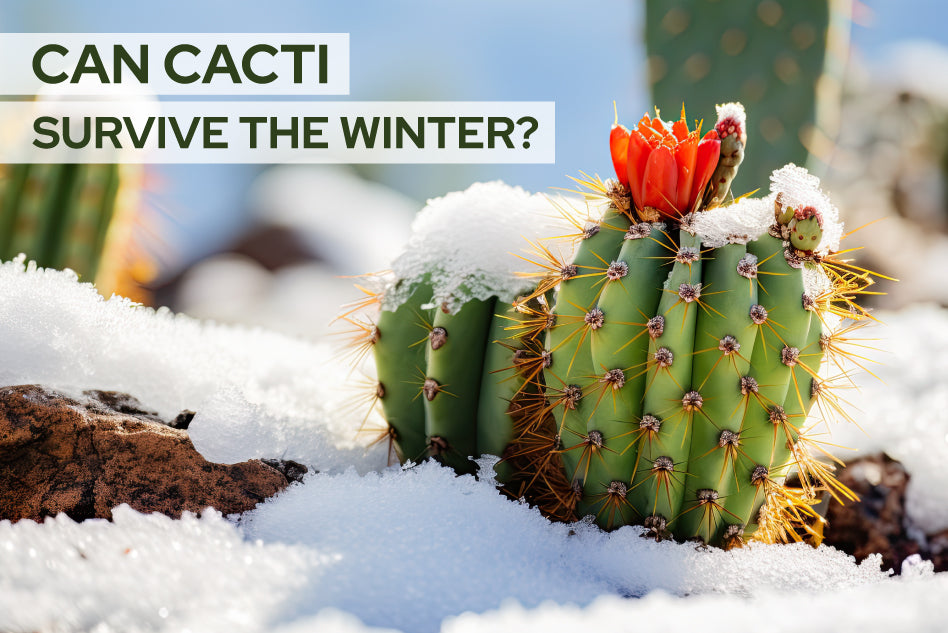
Cacti, those resilient survivors of arid landscapes, are not built to endure prolonged exposure to freezing temperatures. Unlike their hardy counterparts in the wild, cultivated cacti—especially those from tropical or subtropical origins—lack the evolutionary adaptations to handle frost. When temperatures plummet below 32°F (0°C), ice crystals form within their cells, rupturing delicate tissues and causing irreversible damage. The first signs of frostbite in cacti often manifest as soft, discolored patches or a water-soaked appearance, which can quickly escalate into rot if left unchecked. Even brief cold snaps can leave lasting scars, turning a once-vibrant specimen into a shadow of its former self. Understanding this vulnerability is the first step in crafting a winter protection plan that keeps your cacti thriving.
Know Your Enemy: Identifying Frost-Prone Conditions
Frost doesn’t strike uniformly—it thrives in specific microclimates and under certain weather patterns. Urban gardeners, for instance, might find their cacti more susceptible to frost damage due to the “heat island” effect, where buildings and pavement retain warmth during the day but radiate cold at night. Similarly, low-lying areas or spots near water features can trap cold air, creating frost pockets. Wind exposure also plays a role; while a gentle breeze might seem harmless, it can strip away the thin layer of warmth that cacti rely on. Monitoring local weather forecasts for frost advisories is crucial, but don’t rely solely on predictions. Invest in a reliable thermometer placed near your cacti to track temperature fluctuations in real time. By identifying these frost-prone zones, you can tailor your protection strategies to the unique challenges of your garden.
Indoor Relocation: The Ultimate Frost Escape Plan
For those with tender cacti or limited outdoor space, the simplest solution is to bring them indoors before the first frost warning. A bright, sunny windowsill—preferably south-facing—can serve as a temporary sanctuary. However, indoor environments come with their own set of challenges. Central heating systems can dry out the air, leaving cacti parched, while drafts from windows or doors may expose them to sudden temperature drops. To mitigate these risks, place your cacti on a pebble tray filled with water to boost humidity, and avoid placing them near vents or radiators. If your indoor space lacks sufficient light, consider supplementing with a grow light to mimic the sun’s rays. For larger collections, a dedicated greenhouse or sunroom can provide the ideal balance of warmth and light, ensuring your cacti remain in stasis rather than distress.
Outdoor Armor: Protective Structures for Cold-Hardy Cacti
Not all cacti require indoor exile. Hardy species like the Opuntia (prickly pear) or Echinocactus (barrel cactus) can tolerate brief cold snaps if properly shielded. The key is to create a microclimate that buffers against frost. Start by selecting a sheltered location, such as against a south-facing wall or under the eaves of a roof, where they can soak up residual warmth. Next, construct a protective barrier using materials like frost cloth, burlap, or even old bedsheets. These lightweight fabrics allow sunlight and air to penetrate while trapping a thin layer of warmth around the cactus. For added insulation, mound dry leaves, straw, or mulch around the base of the plant, but avoid piling it against the stem to prevent rot. In regions with heavy snowfall, a temporary lean-to made from plywood or clear plastic can shield cacti from both frost and crushing snow loads. Remember, the goal is to mimic the desert’s natural temperature fluctuations—cool nights followed by warm days—without subjecting your cacti to extreme cold.

The Art of Mulching: A Cactus’s Winter Blanket
Mulching is a time-honored technique for protecting plants from frost, and cacti are no exception. A well-applied mulch layer acts as a thermal buffer, slowing the rate at which the soil cools and reducing the risk of frost penetration. Organic mulches like straw, wood chips, or pine needles are ideal, as they decompose slowly and improve soil health over time. Apply a 2- to 4-inch layer around the base of the cactus, extending outward to cover the root zone. Avoid piling mulch directly against the stem, as this can trap moisture and encourage rot. For an extra layer of defense, top the mulch with a few large rocks or a terracotta pot turned upside down—these act as heat sinks, absorbing warmth during the day and radiating it back at night. In regions with mild winters, this simple strategy can mean the difference between a thriving cactus and a frostbitten casualty.
Watering Wisdom: The Delicate Balance of Winter Hydration
Winter watering is a paradox for cactus caretakers. While it’s tempting to cut back entirely, cacti still require moisture to survive the dormant season. The key is moderation. Overwatering in cold, damp conditions can lead to root rot, while underwatering leaves them vulnerable to desiccation. Aim to water your cacti sparingly—just enough to prevent the soil from becoming bone-dry. Before watering, check the top inch of soil; if it’s dry to the touch, it’s time to hydrate. Use room-temperature water to avoid shocking the roots, and always water in the morning to allow excess moisture to evaporate before nightfall. For container-grown cacti, ensure the pots have adequate drainage holes to prevent waterlogging. If you’re unsure, err on the side of underwatering; cacti are far more resilient to drought than to excess moisture.
Post-Frost Recovery: Nursing Your Cacti Back to Health
Despite your best efforts, frost damage can still occur. If you notice soft, mushy patches or discoloration on your cactus, act quickly to prevent further decline. Start by removing any severely damaged tissue with a clean, sharp knife, sterilizing the blade between cuts to avoid spreading pathogens. Allow the wound to callus over for a few days before treating it with a fungicide to ward off rot. Move the affected cactus to a warm, dry location with indirect light, and hold off on watering until new growth appears. In severe cases, you may need to propagate healthy cuttings from the undamaged portions of the plant. While recovery can be slow, patience and proper care can often revive even the most frostbitten cactus. Think of it as a second chance to refine your winterizing techniques for next year.
Long-Term Strategies: Building a Frost-Resilient Cactus Collection
For those committed to growing cacti in frost-prone regions, long-term strategies can minimize the annual battle against Jack Frost. Start by selecting cold-hardy species, such as Escobaria vivipara (pincushion cactus) or Pediocactus simpsonii (mountain cactus), which can tolerate temperatures as low as -20°F (-29°C). Grouping cacti together in a raised bed or container can also create a microclimate that retains warmth. Additionally, consider planting them in well-draining soil amended with coarse sand or perlite to prevent waterlogging. Over time, your cacti may adapt to local conditions, developing thicker skins or denser spines as natural defenses. Pair these strategies with a seasonal routine of monitoring weather patterns, adjusting protection methods, and learning from each winter’s challenges. With persistence, you’ll cultivate a collection that not only survives but thrives in the face of frost.
FAQ
Can all cacti survive frost?
No, most cacti are sensitive to frost and can suffer damage or death if exposed to freezing temperatures. Only certain cold-hardy species can tolerate brief frost.
What are the signs of frost damage on cacti?
Signs include soft, discolored patches, water-soaked appearance, and eventually rot if untreated.
How can I protect my cacti if I don't have indoor space?
Use outdoor protective structures like frost cloth, burlap coverings, mulch, and place cacti in sheltered microclimates such as south-facing walls.
Should I water my cacti during winter?
Yes, but sparingly. Water only when the soil is dry to avoid root rot, using room-temperature water and watering in the morning.
How do I help a cactus recover after frost damage?
Remove damaged tissue with a sterilized knife, allow wounds to callus, treat with fungicide, move to warm indirect light, and avoid watering until new growth appears.
Leave a Reply