
Short Answer
In the verdant microcosms of terrariums, where life thrives in confined elegance, the Gymnocalycium cactus emerges as a botanical paradox—a radiant rebel in a world of green conformity. These jewel-like succulents, with their flattened, disc-shaped bodies and jewel-toned hues, defy the monotony of traditional terrarium flora. Their compact stature and slow growth make them ideal candidates for small-space gardens, where every inch of real estate must be meticulously curated. Whether nestled in a glass orb or a geometric terrarium vessel, Gymnocalycium brings a burst of color and architectural intrigue to even the most modest of indoor landscapes. For those who crave a fusion of resilience and beauty in their plant collections, these cacti offer a compelling narrative of adaptation and allure.
The Allure of Gymnocalycium: A Cactus with Character
Gymnocalycium, often overshadowed by its spikier cousins in the cactus family, possesses a quiet magnetism that belies its unassuming appearance. Native to South America’s arid regions, these cacti have evolved to thrive in conditions where water is scarce and sunlight is intense. Their flattened, ribbed bodies—ranging from pale pink to deep violet—are not merely decorative; they are a survival strategy, maximizing surface area for photosynthesis while minimizing water loss. In a terrarium, where humidity and light can be carefully controlled, Gymnocalycium flourishes, its colors deepening and its forms becoming more pronounced. Unlike the towering saguaros of the desert, these cacti remain diminutive, making them perfect for those who adore the idea of a miniature ecosystem without sacrificing visual impact.
Designing with Gymnocalycium: Crafting a Miniature Desert Oasis
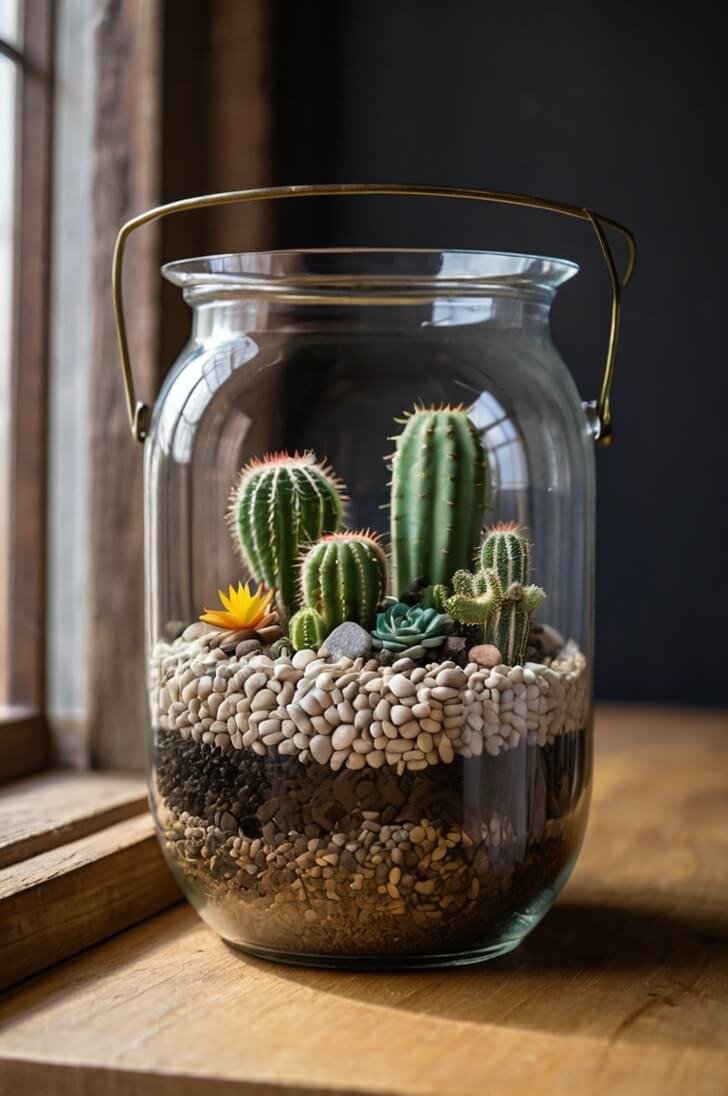
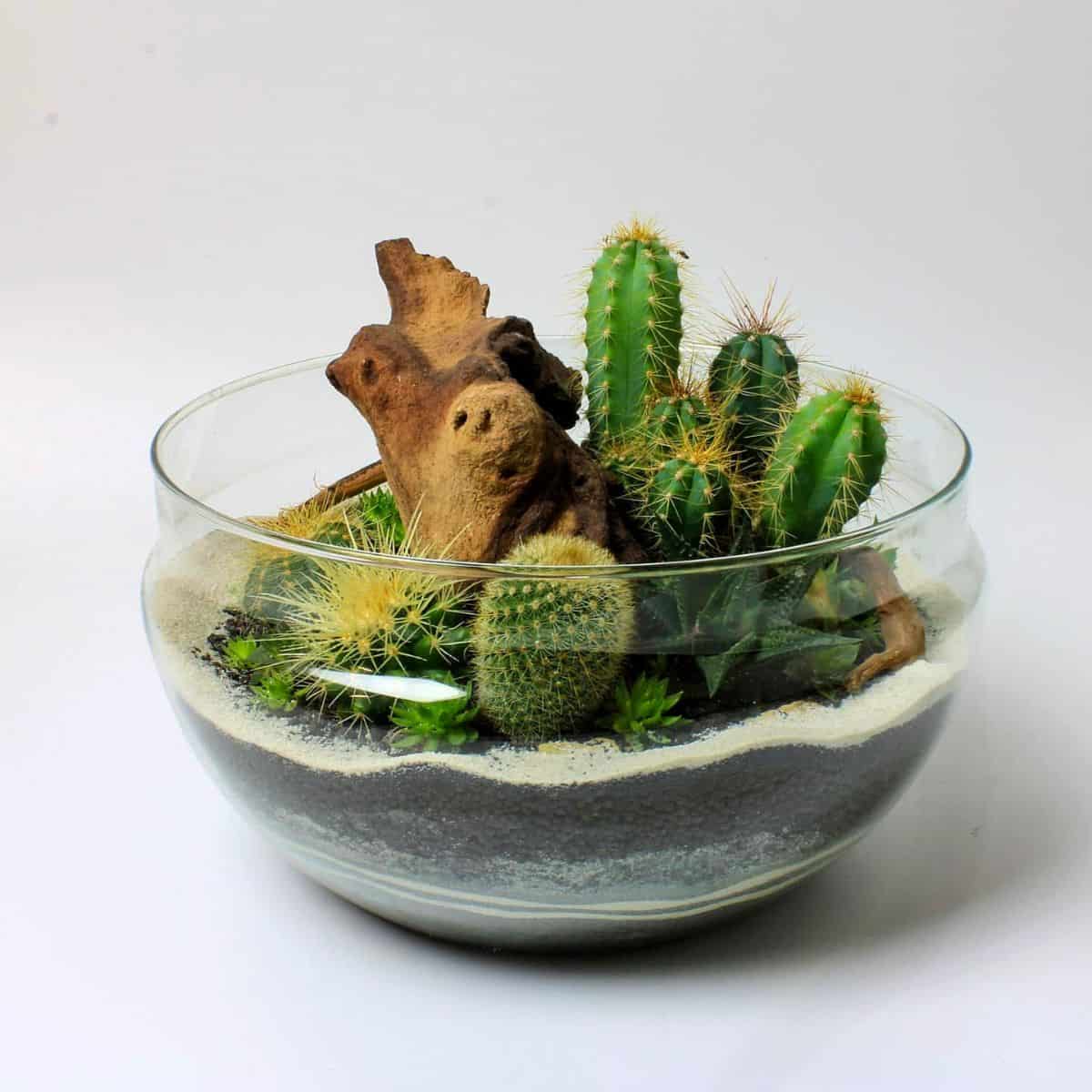
The art of terrarium design is akin to painting with plants—each element must harmonize with the others while standing out in its own right. Gymnocalycium, with its bold silhouettes and vibrant palettes, serves as a focal point around which a terrarium’s aesthetic can be built. Begin with a vessel that complements its colors: a clear glass orb for a modern, minimalist look, or a rustic ceramic container for a touch of earthy warmth. The substrate should mimic its native habitat—a well-draining mix of sand, perlite, and a smattering of organic matter to retain just enough moisture without drowning the roots. Layering is key: a base of coarse gravel for drainage, followed by a thin layer of activated charcoal to keep the environment fresh, and then the soil blend. Gymnocalycium thrives when its roots are snug but not suffocated, so avoid compacting the soil too tightly.
Companion plants are the unsung heroes of terrarium design. Pair Gymnocalycium with other drought-tolerant species like Echeveria, Haworthia, or tiny ferns to create a layered, textured landscape. The contrast between the cactus’s geometric form and the soft, flowing lines of its neighbors will elevate the terrarium from a simple plant display to a living work of art. For a whimsical touch, tuck in a few mosses or lichens to mimic the rugged terrain of the Andes, where these cacti originate. The result? A self-sustaining microcosm where each plant plays a role in the symphony of growth.
Light and Temperature: Mimicking the Andes in Your Living Room
Gymnocalycium’s native habitat is one of extremes—blazing sun by day, chilly nights, and seasonal droughts. Recreating these conditions indoors is essential for its well-being. Place your terrarium in a spot that receives bright, indirect light for at least six hours a day. A south-facing windowsill is ideal, but avoid direct midday sun, which can scorch the cactus’s delicate skin. If natural light is scarce, supplement with a grow light, ensuring it emits a spectrum that encourages healthy photosynthesis without overheating the plants. Temperature-wise, Gymnocalycium prefers a range between 70°F (21°C) during the day and a slight dip to 60°F (15°C) at night—a fluctuation that mimics its natural environment and can stimulate blooming.
Seasonal adjustments are crucial. In winter, when days grow shorter, consider using a heat mat to maintain consistent warmth, especially if your terrarium is in a cooler room. Conversely, in summer, ensure the terrarium isn’t placed near air conditioning vents or drafts, which can cause temperature shock. Gymnocalycium is resilient, but like all living things, it thrives when its environment feels familiar. By paying attention to these subtle environmental cues, you’ll coax vibrant growth and, with luck, the occasional burst of flowers—a reward for your meticulous care.
Watering Wisdom: The Delicate Dance of Hydration
Watering a terrarium housing Gymnocalycium is less about routine and more about intuition. These cacti are accustomed to sporadic rainfall followed by prolonged dry spells, so overwatering is their greatest enemy. The golden rule? When in doubt, wait. A good practice is to water only when the soil is completely dry to the touch, typically every 2–3 weeks, depending on the terrarium’s humidity levels. Use a spray bottle to mist lightly, focusing on the soil rather than the cactus itself to avoid rot. If your terrarium is closed, the moisture will recirculate, reducing the need for frequent watering. For open terrariums, monitor the environment closely—low humidity may require more frequent misting, while high humidity could lead to fungal issues.
Signs of overwatering are subtle but unmistakable: a soft, mushy stem or blackened spots are red flags. If this occurs, remove the affected cactus immediately, trim away any rotten tissue, and repot it in fresh, dry soil. Conversely, underwatering will cause the cactus to shrivel slightly, its ribs becoming more pronounced. While Gymnocalycium can bounce back from mild dehydration, chronic neglect will stunt its growth and dull its colors. Strike a balance, and you’ll be rewarded with a thriving, jewel-like specimen that seems to glow from within.
Blooming Beauty: Encouraging Gymnocalycium to Flower
There’s something magical about witnessing a Gymnocalycium in full bloom—a burst of color that feels like a secret shared between you and the plant. These cacti are not shy about flowering, but they do require specific conditions to do so. First, ensure the plant is mature, typically at least 3–5 years old, as younger specimens focus on growth rather than reproduction. Second, provide a winter rest period with cooler temperatures (around 50–60°F or 10–15°C) and reduced watering. This dormancy mimics the dry season in their native habitat and signals to the cactus that it’s time to bloom. As spring approaches, gradually reintroduce warmth and light, and watch as the buds form.
The flowers themselves are a study in elegance—delicate, funnel-shaped, and often in shades of white, pink, or pale yellow. They emerge from the center of the cactus, a fleeting but breathtaking spectacle. To maximize your chances of blooming, avoid fertilizing during the winter rest period, as this can disrupt the plant’s natural cycle. Instead, use a diluted, low-nitrogen fertilizer sparingly in the growing season to support overall health. Patience is key; not every Gymnocalycium will flower every year, but when it does, the reward is a testament to your care and the plant’s resilience.
Troubleshooting: Common Pitfalls and How to Avoid Them
Even the most dedicated plant enthusiasts encounter challenges, and Gymnocalycium is no exception. One of the most frequent issues is etiolation—when the cactus stretches unnaturally in search of light, becoming elongated and weak. This is a clear sign that the plant isn’t receiving enough illumination. Move it to a brighter location or supplement with artificial light, ensuring the light source is close enough to prevent further stretching. Another common problem is pest infestations, particularly mealybugs or spider mites, which thrive in the confined spaces of a terrarium. Inspect your cactus regularly, and if pests appear, isolate the terrarium and treat with a gentle insecticidal soap or neem oil, applied with a soft brush to avoid damaging the plant.
Root rot is another silent killer, often going unnoticed until it’s too late. If you suspect rot, carefully remove the cactus from its pot, trim away any blackened or mushy roots, and repot it in fresh, dry soil. Prevention is always better than cure: ensure your terrarium has adequate drainage, and avoid overwatering at all costs. Lastly, keep an eye on the overall humidity levels. While Gymnocalycium appreciates a touch of moisture, excessive humidity can lead to mold or bacterial growth, which can spread rapidly in a closed environment. A well-ventilated terrarium or occasional airing out can mitigate this risk.
Beyond the Terrarium: Expanding Your Gymnocalycium Collection
Once you’ve mastered the art of growing Gymnocalycium in a terrarium, the next step is to expand your collection. These cacti are prolific producers of offsets, or “pups,” which can be carefully removed and propagated to create new plants. To do this, use a clean, sharp knife to separate the pup from the mother plant, ensuring it has some roots attached. Allow the cut to callous over for a day or two before planting it in a small pot with well-draining soil. Water sparingly at first, and gradually increase as the roots establish. Within a few months, you’ll have a new Gymnocalycium to add to your collection—or gift to a fellow plant lover.
For those who love variety, explore the different species of Gymnocalycium, each with its own unique charm. Gymnocalycium mihanovichii, with its pinkish-purple body, is a classic choice, while Gymnocalycium baldianum boasts striking red flowers. Hybrid varieties, often grafted onto more robust rootstock, offer even more color options, from neon pinks to deep purples. Joining a cactus or succulent society can provide access to rare specimens and expert advice, turning your hobby into a lifelong passion. Whether you’re a seasoned collector or a curious beginner, Gymnocalycium offers endless possibilities for creativity and growth.
FAQ
What type of light do Gymnocalycium cacti need?
Gymnocalycium cacti thrive in bright, indirect light for at least six hours a day.
How often should I water Gymnocalycium in a terrarium?
Water every 2-3 weeks, only when the soil is completely dry to the touch.
What is the ideal temperature for Gymnocalycium?
They prefer a daytime temperature of 70°F (21°C) and a nighttime drop to 60°F (15°C).
Leave a Reply