

Short Answer
What if I told you that beneath the arid skies of the desert, a silent heist unfolds—not of gold or jewels, but of tiny, spiky sentinels that guard the secrets of ancient landscapes? Welcome to the clandestine world of Mammillaria poaching, where the humble pincushion cactus becomes a victim of its own allure, and where the boundaries between conservation and exploitation blur into a thorny paradox.
The Allure of the Pincushion: Why Mammillaria Captivates the World
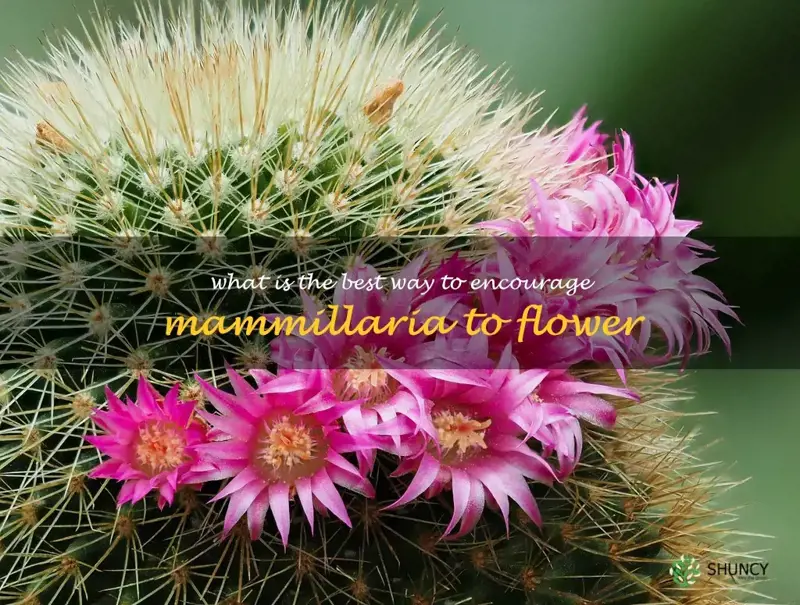
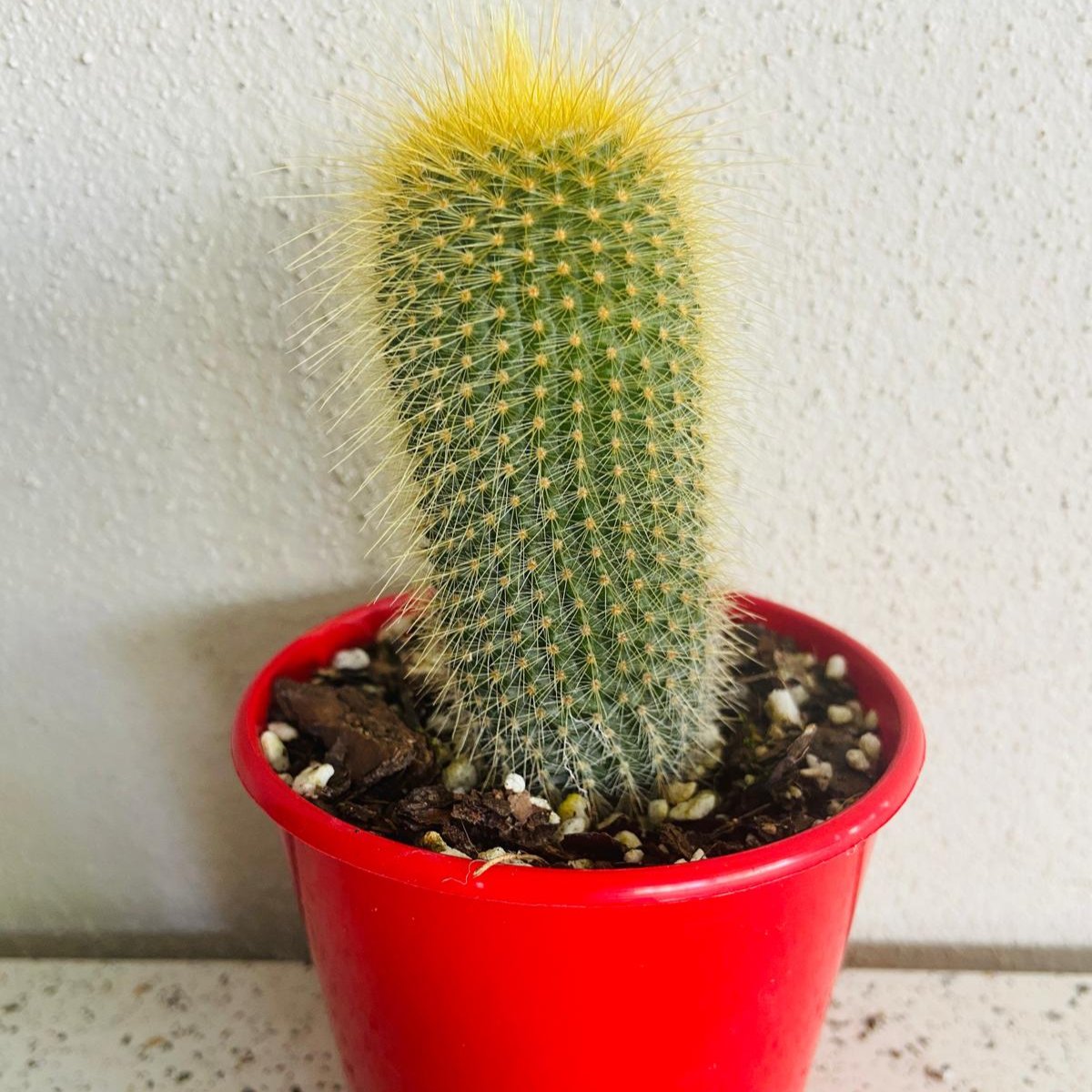
Imagine a plant so resilient it thrives where others wither, a botanical marvel cloaked in a coat of spines that whispers tales of survival against the odds. The Mammillaria genus, with its 200-odd species, is a master of desert elegance—compact, colorful, and deceptively delicate. Its globular forms, adorned with concentric rings of spines or crowned with vibrant flowers, have ensnared the hearts of horticulturists and collectors alike. But here lies the rub: beauty, in the wrong hands, becomes a commodity. The very traits that make Mammillaria a horticultural darling—its slow growth, specific habitat needs, and rarity in the wild—also make it a prime target for illegal trade. What begins as a passion for these miniature botanical sculptures can, all too easily, spiral into a black-market obsession.
The Poaching Pipeline: From Desert Floor to Black Market
The journey of a poached Mammillaria is a tale of deception and desperation. Poachers, often operating under the cover of night, uproot these cacti from their native habitats—be it the rocky slopes of Mexico’s Sierra Madre or the sunbaked flats of Arizona. The methods are crude but effective: a trowel, a sack, and a disregard for the ecosystem’s fragility. Once extracted, the cacti are smuggled across borders, hidden in luggage, shipped as “ornamental plants,” or even disguised as innocuous parcels. The demand is insatiable. Online marketplaces, social media groups, and clandestine auctions fuel a trade where a single rare specimen can fetch thousands of dollars. But the true cost? The decimation of wild populations, the erosion of genetic diversity, and the unraveling of ecosystems that depend on these unassuming plants.
The Thorny Ethics: Who Bears the Blame?
Is it the poacher, driven by poverty or greed? The collector, blinded by the thrill of the chase? The online platform that turns a blind eye to illegal listings? The answer, as with most ethical quandaries, is a tangled web. The Mammillaria trade exposes a harsh truth: conservation is not just about protecting species, but about dismantling the systems that commodify them. Many poachers are not masterminds of crime but individuals caught in cycles of exploitation, lured by the promise of quick cash. Meanwhile, wealthy enthusiasts in climate-controlled greenhouses may unknowingly bankroll an industry that drives species to extinction. The irony? The same people who claim to love these plants often contribute to their demise. How do we reconcile admiration with accountability?
Conservation in the Crosshairs: Can We Save the Pincushion?
The fight to protect Mammillaria is a battle on multiple fronts. Conservationists employ a mix of strategies: from rigorous habitat monitoring to undercover operations targeting smuggling rings. Some species, like Mammillaria herrerae, are so critically endangered that every wild plant is a miracle. Botanical gardens and seed banks act as lifelines, preserving genetic material for future restoration. Yet, the scale of the problem is daunting. Climate change, habitat destruction, and the insatiable appetite of collectors create a perfect storm. Can we outpace the poachers? The answer may lie in a blend of education, enforcement, and empathy—teaching collectors that true appreciation means leaving plants in the wild, where they belong.
The Global Ripple Effect: Beyond the Desert
The impact of Mammillaria poaching extends far beyond the cactus itself. Desert ecosystems are finely tuned, and the removal of a single species can trigger cascading effects. Pollinators, soil health, and even the survival of other flora and fauna hang in the balance. Moreover, the illegal wildlife trade is a gateway crime. Funds from cactus smuggling often flow into more sinister networks, from drug trafficking to human exploitation. What starts as a hobbyist’s obsession can fuel a shadow economy that thrives on suffering. The pincushion cactus, in its quiet way, becomes a symbol of a much larger crisis—one where greed tramples the delicate threads of life.
A Call to Action: How Can You Help?
So, what can be done? Start by questioning the origin of the plants you bring into your home. Support nurseries that propagate Mammillaria ethically, rather than wild-harvested specimens. Advocate for stricter regulations on online sales and social media marketplaces. And perhaps most importantly, spread awareness. Share the story of these spiky survivors, not just as objects of beauty, but as vital threads in the tapestry of life. The next time you admire a Mammillaria in a pot, ask yourself: Is this a plant or a piece of a vanishing world?
FAQ
What is Mammillaria poaching?
Mammillaria poaching refers to the illegal harvesting of pincushion cacti from their natural habitats for profit.
Why are Mammillaria cacti targeted for poaching?
Their beauty, slow growth, and rarity make them highly desirable for collectors, leading to illegal trade.
What can be done to help conserve Mammillaria species?
Support ethical nurseries, raise awareness, and advocate for stricter regulations on plant sales.

Leave a Reply