

Short Answer
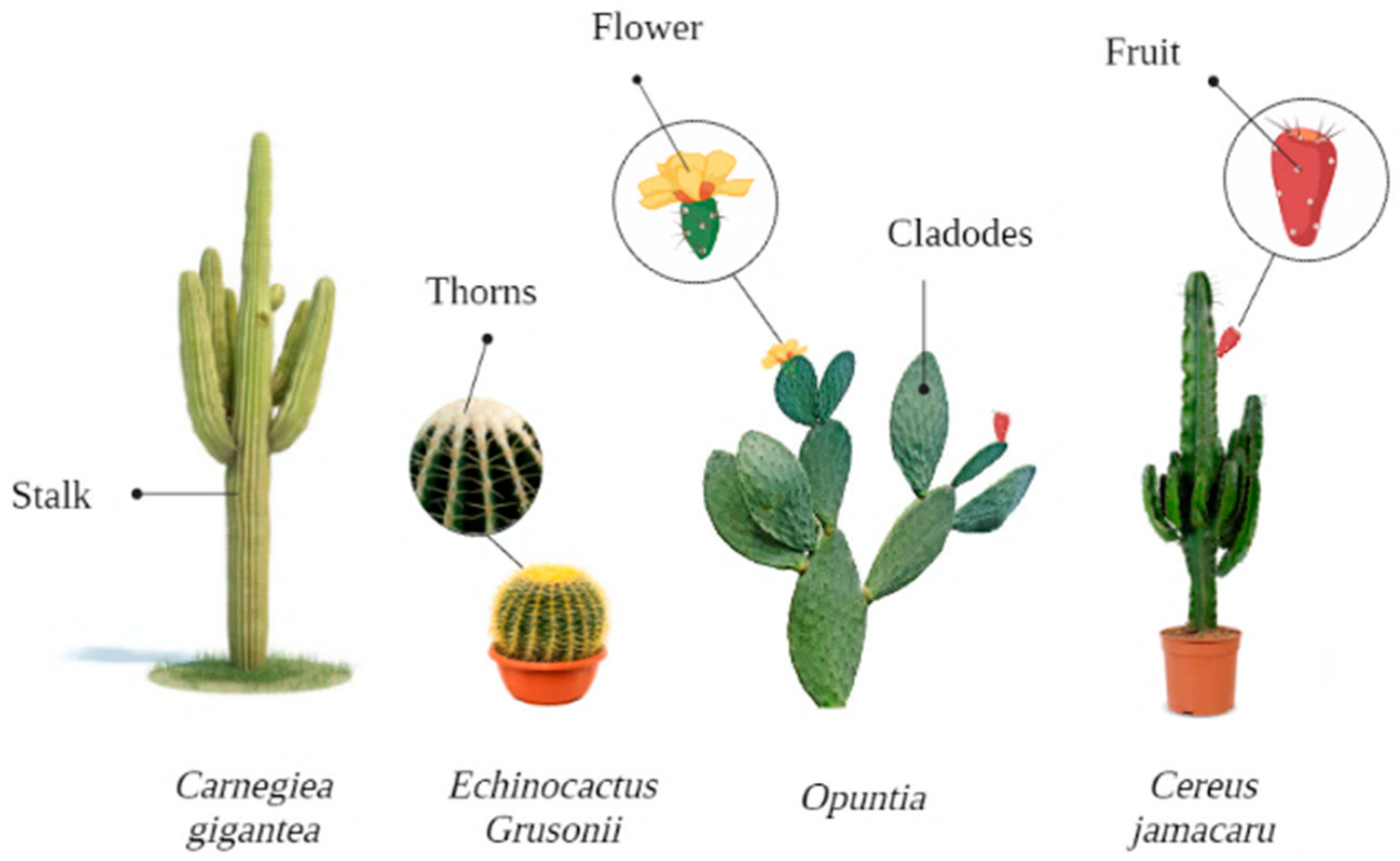
In the vast, sun-scorched landscapes where the earth seems to exhale heat like a living thing, the Opuntia cactus stands as a sentinel of resilience. With its paddle-like cladodes and spines that pierce the air like needles of defiance, this plant is not merely a survivor—it is a storyteller. To photograph the Opuntia is to capture the essence of tenacity, to frame the quiet rebellion of life thriving against the odds. It is an art that transcends mere documentation; it is a dialogue with the desert itself, a conversation between light and shadow, fragility and fortitude.
The Geometry of Tenacity: Framing the Opuntia’s Architectural Brilliance
The Opuntia is a master of geometric poetry. Its cladodes, those flattened, oval pads, are arranged in a rhythm that feels almost choreographed—a dance of survival where every angle is deliberate. To photograph this cactus is to engage with its structural audacity. The way the pads stack upon one another, like the pages of an ancient manuscript, speaks of an evolutionary wisdom honed over millennia. The spines, delicate yet menacing, emerge in clusters that resemble the quills of a porcupine, each one a testament to the plant’s unyielding defense mechanism.
In the golden hour, when the sun dips low and the light softens into a honeyed glow, the Opuntia’s pads become canvases of shimmering gold and deep emerald. The spines catch the light like tiny prisms, scattering it into flecks of fire. A skilled photographer will exploit this interplay, using the backlight to create a halo effect around the spines, making them appear as if they are wreathed in an otherworldly glow. The result is not just an image—it is a revelation of the cactus’s inner fire, a visual ode to its unapologetic existence.
The Desert’s Palette: Capturing the Opuntia’s Chromatic Symphony
The Opuntia is a chameleon of the arid world, its hues shifting with the seasons and the whims of the environment. In spring, its pads blush with a tender pink, a fleeting softness that belies the harshness of its surroundings. By summer, they deepen into a robust green, a color so saturated it seems to vibrate with life. And in the cooler months, they take on a muted bronze, as if the desert itself has whispered a secret to the plant, urging it to blend into the earth’s tapestry.
Photographing the Opuntia’s color palette requires a keen eye for contrast and a willingness to embrace the unexpected. A close-up shot of a single pad, its surface textured with tiny, almost imperceptible bumps, can reveal a world of subtle gradients—from the palest lime to the deepest jade. Meanwhile, a wide-angle shot that includes the cactus against a backdrop of ochre sand and azure sky can transform the scene into a cinematic tableau, where the Opuntia becomes the protagonist in a story of survival and splendor.
To truly capture the Opuntia’s chromatic symphony, one must also consider the interplay of light and shadow. The spines, when backlit, cast delicate shadows that dance across the pads, creating a chiaroscuro effect that adds depth and drama. The photographer must be patient, waiting for the perfect moment when the light carves the cactus into a silhouette of stark beauty, or when the sun’s rays illuminate it from behind, turning it into a living sculpture of light.
The Spine as a Symbol: Metaphor and Meaning in Opuntia Photography
The spines of the Opuntia are more than just a physical defense—they are a metaphor for resilience, a visual shorthand for the idea that beauty and danger can coexist. In many cultures, the cactus is a symbol of endurance, its spines representing the challenges that life throws our way. To photograph the Opuntia is to engage with this symbolism, to frame the spines not as mere adornments but as the cactus’s way of declaring, “I am here. I am unbroken.”
A skilled photographer will use the spines to guide the viewer’s eye, creating a sense of movement and tension within the frame. A low-angle shot, for example, can make the spines appear as if they are reaching toward the sky, as if the cactus is defying gravity itself. Alternatively, a macro shot that focuses on the intricate patterns of the spines can reveal a mesmerizing complexity, a reminder that even the smallest details can hold profound meaning.
The spines also serve as a reminder of the Opuntia’s duality. They are both beautiful and dangerous, delicate and formidable. This duality is what makes the cactus such a compelling subject for photography. It challenges the photographer to capture not just the plant itself, but the essence of what it represents—strength in vulnerability, beauty in adversity.
The Dance of Light and Shadow: Mastering the Opuntia’s Dramatic Silhouettes
Few plants are as dramatic in silhouette as the Opuntia. When the sun is low on the horizon, the cactus becomes a stark, black silhouette against the sky, its pads and spines etched in sharp relief. This is the moment when the Opuntia reveals its true theatricality, when it transforms from a mere plant into a character in a grand narrative.
To capture this drama, the photographer must be attuned to the play of light and shadow. The key is to position oneself so that the sun is directly behind the cactus, casting it into shadow while illuminating the edges of its pads and spines. The result is a silhouette that is both bold and intricate, a study in contrasts that speaks to the cactus’s unyielding spirit.
But the Opuntia’s silhouettes are not limited to the golden hour. In the harsh midday sun, the cactus can cast long, dramatic shadows that stretch across the sand like fingers reaching for something just out of reach. These shadows add a layer of complexity to the image, hinting at the cactus’s presence even when it is not directly visible. They are a reminder that the Opuntia is always watching, always waiting, a silent guardian of the desert.
Beyond the Frame: The Opuntia as a Portal to the Desert’s Soul
To photograph the Opuntia is to do more than capture a plant—it is to step into a world where time moves differently, where the air is thick with the scent of sage and the earth hums with ancient energy. The Opuntia is a portal, a gateway to the desert’s soul, and a skilled photographer will use their lens to guide the viewer through that portal, inviting them to see the world through the cactus’s eyes.
In the Opuntia’s world, every detail matters. The way the pads are arranged, the way the spines catch the light, the way the shadows stretch and shift—all of these elements come together to create a tapestry of life that is both intricate and awe-inspiring. To photograph the Opuntia is to become a storyteller, to weave a narrative that speaks of resilience, beauty, and the quiet power of the natural world.
The Opuntia is not just a plant. It is a symbol, a metaphor, a living sculpture. It is the desert’s way of reminding us that even in the harshest of environments, life finds a way to thrive. And in capturing its dramatic beauty, we are not just taking a photograph—we are paying homage to the unbreakable spirit of the natural world.
FAQ
What is Opuntia photography?
Opuntia photography focuses on capturing the unique beauty and resilience of the Opuntia cactus, emphasizing its shapes, colors, and the light interplay.
What techniques are best for photographing Opuntia?
Utilizing the golden hour for soft light, capturing silhouettes against the sky, and focusing on color contrasts can enhance Opuntia photography.
Leave a Reply