
Short Answer
Imagine a world where tiny, sunburst-shaped sentinels dot the landscape, their ribbed bodies pulsing with life under the desert sun. These are the parodias—cacti of such vibrant character and botanical intrigue that they’ve ensnared the hearts of collectors worldwide. With over 50 recognized species, each parodia is a masterpiece of evolutionary artistry, boasting spines that shimmer like polished metal, blooms that explode in fiery hues, and forms that range from globular to columnar. For enthusiasts, cultivating a collection of these desert jewels is not merely a hobby; it’s a journey into the heart of arid biodiversity, where every spine tells a story and every flower is a fleeting masterpiece. Whether you’re a seasoned grower or a budding botanist, this guide will illuminate the most popular parodia species, offering insights into their care, cultivation, and the sheer visual drama they bring to any space.
The Globular Gems: Parodia Magnifica and Parodia Haselbergii
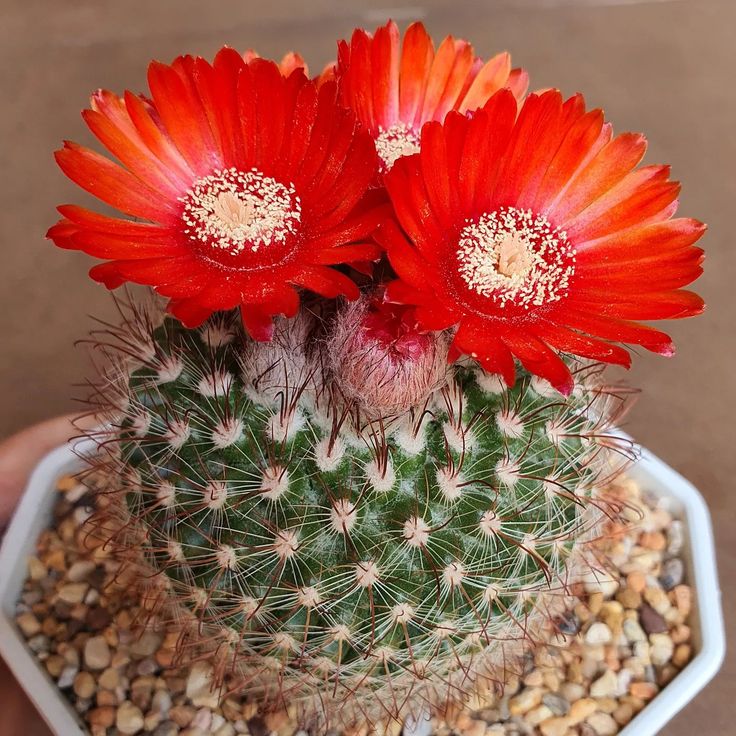
At the forefront of every collector’s wishlist are the globular parodias, whose perfectly spherical forms evoke the essence of a miniature planet. Parodia magnifica, with its deep green body adorned by dense, golden spines, is a showstopper. This species thrives in bright, indirect light, where its spines can gleam like spun gold. Meanwhile, Parodia haselbergii—often called the “old man cactus” for its woolly crown—delights with its compact size and clusters of scarlet blooms that erupt in spring. These globular species are ideal for windowsill gardens or terrariums, where their slow growth and manageable size make them perfect companions. To coax them into flowering, mimic their natural habitat: a winter rest period with cooler temperatures and reduced watering, followed by a burst of sunlight in spring. The reward? A crown of blossoms that seem to defy the harshness of their native environments.
The Ribbed Rarities: Parodia Luehkeri and Parodia Scopa
For those who crave texture and architectural drama, the ribbed parodias are an irresistible draw. Parodia luehkeri, with its tightly packed, spiraling ribs, resembles a living spiral staircase. Its spines are a study in contrast—deep brown at the base, fading to near-translucent tips, creating an almost holographic effect in sunlight. Parodia scopa, on the other hand, is a study in minimalism, its ribs cleanly defined and its spines arranged in perfect radial symmetry. Both species hail from the high-altitude regions of South America, where they’ve adapted to intense UV exposure and dramatic temperature swings. In cultivation, they demand excellent drainage and a gritty soil mix to prevent root rot. Their ribbed forms not only serve as a structural marvel but also as a canvas for the play of light and shadow, making them prized specimens for collectors who appreciate geometric precision.
To encourage the development of their signature ribs, these parodias benefit from a period of stress—slightly drier conditions during the growing season can enhance rib definition. Pair them with contrasting companion plants, such as a sprawling Echeveria or a trailing Senecio, to create a living tapestry of form and texture. The result is a display that feels both wild and curated, a snapshot of the desert’s untamed beauty distilled into a single pot.
The Floral Fireworks: Parodia Warasii and Parodia Chrystyanii
Few sights in the cactus world can rival the spectacle of a parodia in full bloom. Parodia warasii, with its velvety green body and clusters of neon-yellow flowers, is a burst of sunshine in any collection. Its blooms are not just beautiful; they’re ephemeral, lasting only a few days before giving way to the next floral marvel. Parodia chrystyanii, meanwhile, dazzles with its fiery orange-red blossoms that seem to glow from within. These species are the divas of the parodia world, demanding precise care to coax out their floral fireworks. They require a winter chill to trigger blooming, so resist the urge to keep them cozy indoors year-round. Instead, let them experience the crisp air of a simulated desert winter, and watch as they reward your patience with a dazzling display.
The key to success with these floral showstoppers lies in their light requirements. A south-facing window or a grow light is essential to prevent etiolation—those elongated, stretched-out growths that signal a plant crying out for more light. Supplement their diet with a low-nitrogen fertilizer during the growing season, but taper off as autumn arrives. The result? A parodia that doesn’t just survive but thrives, its blooms a testament to the harmony between human care and botanical resilience.
The Miniature Marvels: Parodia Microsperma and Parodia Submammulosa
In an era where space is a premium, the miniature parodias offer a solution that’s as practical as it is beautiful. Parodia microsperma, with its tiny, button-like form, is a favorite among urban gardeners and terrarium enthusiasts. Its diminutive size belies its resilience, as it can thrive in the most compact of settings. Parodia submammulosa, with its clustered growth habit, is another space-saving gem, forming tight mounds of ribbed green that burst into clusters of pink or yellow flowers. These species are perfect for windowsill displays, dish gardens, or even mounted on driftwood to create a living sculpture.
Cultivating miniature parodias requires a light touch. Their small root systems mean they dry out quickly, so watering must be precise—less is often more. A shallow pot with excellent drainage is ideal, and a layer of grit on the soil surface can help prevent moisture buildup. Pair them with similarly sized succulents, such as Gymnocalycium or Rebutia, to create a miniature desert landscape that’s both charming and low-maintenance. The joy of these tiny treasures lies in their ability to bring the magic of the desert into the smallest of spaces, proving that great things truly do come in small packages.
The Columnar Contenders: Parodia Maassii and Parodia Rubriflora
For collectors who prefer their plants with a bit more height, the columnar parodias offer a striking alternative to their globular cousins. Parodia maassii, with its tall, slender columns and dense spines, is a striking addition to any collection. Its spines can range from white to deep red, creating a visual gradient that’s mesmerizing to behold. Parodia rubriflora, on the other hand, is a study in contrast, its green body offset by vibrant red spines and flowers. These species are ideal for larger pots or dedicated cactus gardens, where their vertical presence can be fully appreciated.
Columnar parodias thrive in conditions that mimic their natural habitats—bright light, excellent drainage, and a soil mix that’s heavy on inorganic material like perlite or pumice. They’re also more forgiving of occasional neglect, making them a great choice for those who love the look of desert plants but aren’t always available to fuss over them. To encourage branching, some growers gently rotate their plants or provide a slight lean to one side, mimicking the natural growth patterns of wild cacti. The result is a plant that not only grows tall but also develops a character all its own, its form shaped by both nature and nurture.
Cultivation Challenges and Triumphs: Common Pitfalls and Solutions
Even the most dedicated parodia enthusiast will encounter challenges along the way. Overwatering is the most common pitfall, leading to root rot and a slow, sad decline. The solution? When in doubt, wait. Parodias are far more tolerant of underwatering than overwatering, and a dry spell is often less damaging than soggy soil. Pests, such as mealybugs or spider mites, can also pose a threat, especially in indoor collections. Regular inspections and a quick blast of neem oil can keep these invaders at bay.
Another challenge is etiolation, or the stretching of a plant due to insufficient light. This is particularly common in winter, when days are short and indoor light is weak. The fix? Supplement with grow lights or move your plants to the sunniest spot in your home. And don’t forget the importance of repotting. Parodias, like all cacti, benefit from fresh soil every few years, which replenishes nutrients and prevents compaction. When repotting, choose a pot that’s only slightly larger than the root ball—parodias prefer to be snug, not swimming in space.
The rewards of overcoming these challenges are immeasurable. There’s nothing quite like the thrill of seeing a parodia you’ve nurtured for years burst into bloom, its flowers a fleeting but unforgettable spectacle. Or the pride of watching a once-sickly plant recover and thrive under your care. These are the moments that make cactus collecting more than just a hobby—it’s a lifelong journey of learning, patience, and wonder.
Building a Parodia Collection: Tips for the Aspiring Collector
If you’re ready to dive into the world of parodia collecting, start small. Choose one or two species that appeal to you, and focus on mastering their care before expanding your collection. Visit local nurseries, cactus shows, or reputable online sellers to source healthy plants. When selecting a parodia, look for signs of vigor—firm body, no soft spots, and healthy spines. Avoid plants with discolored or mushy areas, as these can indicate rot or disease.
As your collection grows, think about the aesthetic you want to create. Do you prefer a monochromatic display, with all green or all red parodias? Or a riot of color, with spines and blooms in every hue imaginable? Consider the textures and forms of your plants, and how they’ll complement each other. Grouping parodias with similar care requirements can simplify maintenance, while mixing species with contrasting forms can create a dynamic, visually engaging display.
Don’t be afraid to experiment. Some collectors swear by grafting parodias onto stronger rootstocks to encourage faster growth or more prolific blooming. Others enjoy creating miniature landscapes, pairing parodias with mosses, stones, and other succulents to evoke a tiny desert oasis. The possibilities are endless, limited only by your imagination and creativity.
Above all, remember that collecting parodias is about more than just amassing plants—it’s about fostering a connection with the natural world. These are living sculptures, each one a testament to the resilience and beauty of life in the harshest of environments. By caring for them, you’re not just growing plants; you’re preserving a piece of the desert’s soul. And in a world that often feels chaotic and uncertain, that’s a gift worth cherishing.
FAQ
What are the best conditions for growing Parodia cacti?
Parodia cacti thrive in bright light and require a well-draining soil mix to prevent root rot.
Do Parodia cacti need special fertilizer?
A low-nitrogen fertilizer during the growing season is beneficial; minimize feeding in autumn.

Leave a Reply