
Short Answer
Imagine a miniature universe where vibrant spheres of emerald, ruby, and topaz nestle among rugged stones, their spiny crowns catching the sunlight like tiny suns. This is the enchanting world of Parodia in rock gardens—a living mosaic where botanical artistry meets geological grandeur. These cacti, with their globular forms and dazzling blooms, are not mere plants; they are the jewels of arid landscapes, transforming barren stones into a kaleidoscope of color and texture. Whether perched on a sun-baked ledge or cradled in a crevice, Parodia species bring a sense of whimsy and resilience to compact gardens, proving that even the smallest spaces can harbor extraordinary beauty.
The Allure of Parodia: Nature’s Miniature Sculptures
Parodia cacti are the unsung heroes of the succulent world, their globular bodies often no larger than a grapefruit yet brimming with character. Their ribs, spiraled like ancient scrolls, spiral outward in hypnotic patterns, while their areoles—those tiny, woolly cushions from which spines emerge—are like the brushstrokes of a master painter. Some species, such as Parodia schlosseri, flaunt spines so dense they resemble a hedgehog’s quills, while others, like Parodia procera, boast elongated, columnar forms that defy their diminutive stature. Each variety is a study in contrast: soft wool against sharp spines, pastel hues against bold primary colors, and delicate flowers that belie their tough exterior.
Their compact size makes them ideal for rock gardens, where they can nestle into crevices like natural ornaments. Unlike sprawling succulents, Parodia species remain contained, their growth habit a slow, deliberate expansion that rewards patience. They are the botanical equivalent of a haiku—concise yet profound, their presence speaking volumes in a single glance.
Rock Gardens as Canvases: The Perfect Stage for Parodia
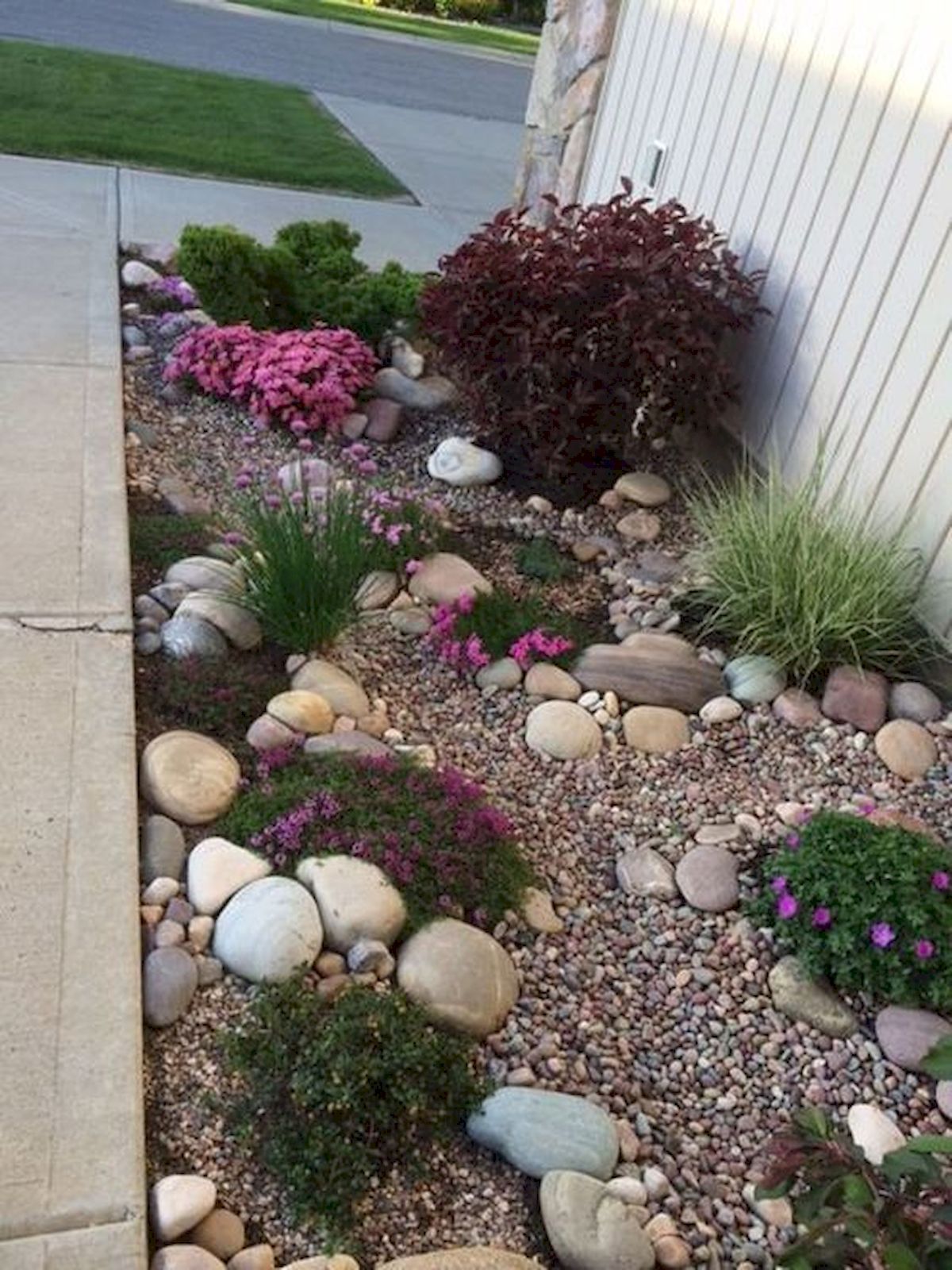
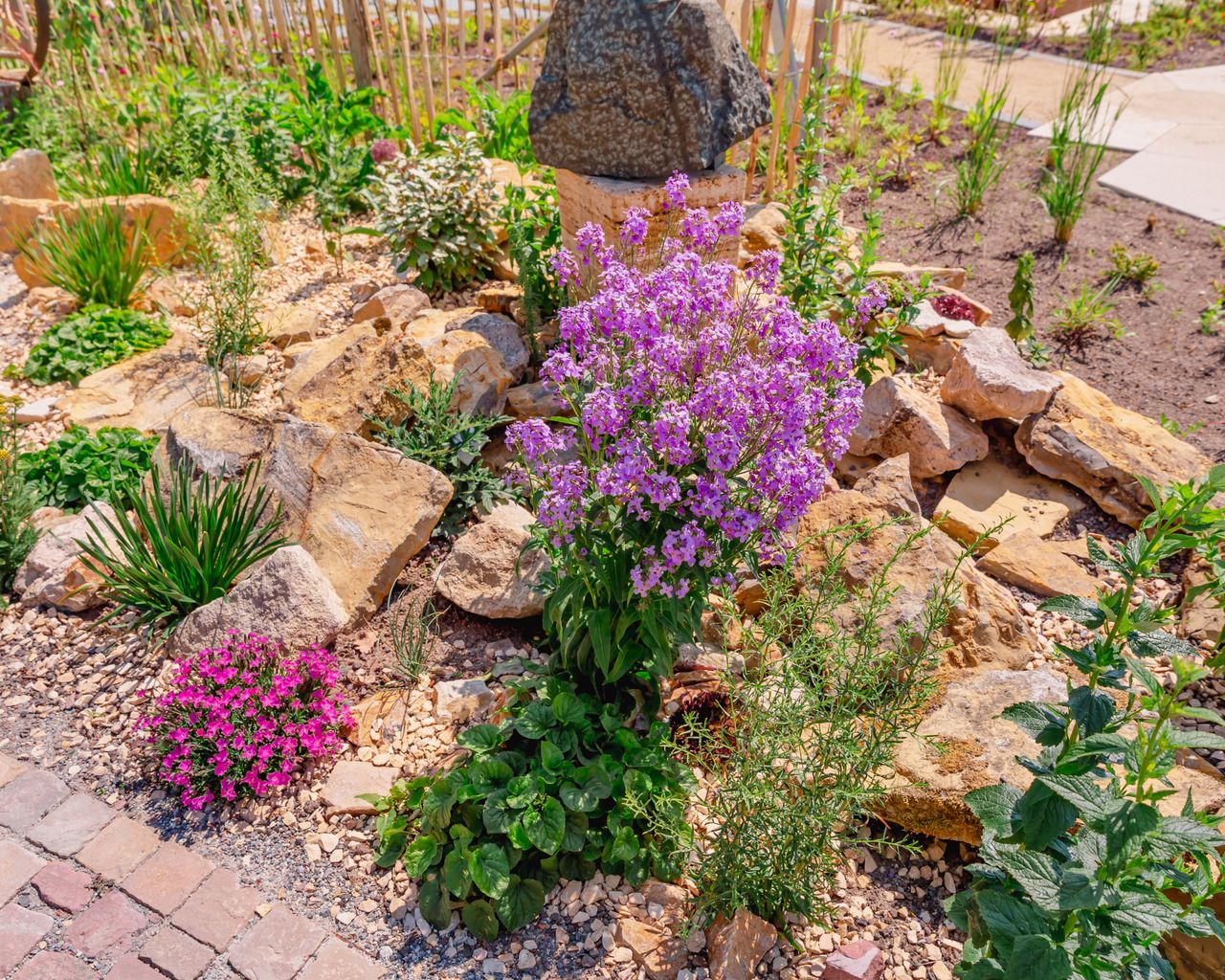
A rock garden is not merely a collection of stones; it is a carefully curated stage where geology and flora perform a silent ballet. Parodia cacti are the prima donnas of this performance, their vibrant forms drawing the eye like magnets. When paired with the right stones—limestone for a Mediterranean vibe, granite for rugged drama, or sandstone for a warm, earthy palette—they create a harmonious yet dynamic tableau. The interplay between the cacti’s rounded silhouettes and the jagged edges of rocks produces a visual rhythm, a dance of softness against hardness that is both soothing and invigorating.
Consider the contrast: a cluster of Parodia in shades of amber and coral nestled among weathered slate, their spines catching the light like scattered embers. Or a lone specimen of Parodia haselbergii, its golden spines glowing against a backdrop of dark volcanic rock, evoking the sun setting over a desert mesa. The key lies in layering—placing taller stones at the back, mid-sized ones in the middle, and smaller, flat stones in the foreground to create depth. Parodia cacti, with their low-growing habit, thrive in these front-and-center positions, where their colors can truly shine.
Color Palettes and Textural Contrasts: Painting with Plants
The color spectrum of Parodia is a feast for the senses, ranging from the deepest magenta to the most delicate lemon yellow. Parodia leninghausii, with its golden spines, resembles a tiny sunburst, while Parodia magnifica flaunts deep red blooms that seem to pulse with life. The spines themselves are a study in diversity—some are straight and needle-like, others curved like a scimitar, and a few are so fine they resemble human hair. This textural variety ensures that even a small collection of Parodia can feel like a living tapestry.
To maximize impact, group cacti with complementary colors. A trio of Parodia—one with silver spines, one with red, and one with green—can create a striking focal point. Alternatively, scatter them among other succulents, like Echeveria or Sedum, to weave a tapestry of overlapping hues and forms. The goal is to mimic the random yet balanced beauty of a natural landscape, where each plant has its place, yet the whole feels effortlessly cohesive.
Design Principles: Crafting a Parodia-Centric Rock Garden
Creating a rock garden centered around Parodia begins with understanding their native habitats. These cacti hail from the high-altitude regions of South America, where they cling to rocky outcrops and bask in intense sunlight. Replicating these conditions—well-draining soil, ample light, and minimal water—is crucial for their success. A mix of coarse sand, perlite, and a touch of organic matter will mimic their natural substrate, while a sunny, south-facing slope ensures they receive the light they crave.
When arranging your garden, think in terms of “islands” of color. A cluster of three to five Parodia of the same species, surrounded by a sea of gravel or small stones, creates a bold statement. For a more natural look, intersperse them with other drought-tolerant plants, such as Delosperma or Agave, to add layers of texture and height. Avoid overcrowding; Parodia need space to breathe, and their slow growth means they won’t outcompete their neighbors in a hurry.
Drainage is non-negotiable. Parodia despise soggy roots, so ensure your rock garden has a slight incline or is built on a raised bed. If planting in containers, opt for terracotta pots with ample drainage holes, and use a cactus-specific soil mix. The goal is to replicate the arid, well-aerated conditions of their native Andes, where water is a rare and precious commodity.
The Blooming Spectacle: Parodia in Full Flower
Few sights in the plant world are as breathtaking as a mature Parodia in full bloom. Their flowers, often appearing in late winter or early spring, are a riot of color—fiery reds, electric oranges, and sunny yellows that seem to defy the very concept of a desert bloom. Parodia haselbergii, for instance, produces clusters of scarlet flowers that resemble tiny trumpets, while Parodia ottonis dazzles with its lemon-yellow blooms, each petal unfurling like a sunrise over the pampas.
The timing of their flowering is a marvel of adaptation. In their native habitats, blooming coincides with the brief wet season, ensuring that pollinators—bees, hummingbirds, and even butterflies—are abundant. In a rock garden, their flowers can last for weeks, providing a continuous show of color when most other plants are dormant. To encourage blooming, ensure your Parodia receive plenty of sunlight and a winter rest period with cooler temperatures and reduced watering. A little neglect in the colder months can yield spectacular rewards when spring arrives.
Seasonal Care: Nurturing Parodia Through the Year
Parodia are low-maintenance, but they do require a watchful eye through the seasons. In spring and summer, they thrive on bright light and occasional watering—just enough to keep their soil lightly moist, but never soggy. A good rule of thumb is to water only when the soil is completely dry, and to reduce frequency as temperatures drop. Overwatering is the fastest way to turn a thriving Parodia into a mushy, unhappy specimen.
As autumn approaches, taper off watering and prepare them for dormancy. A cool, dry winter—ideally between 40°F and 50°F (4°C to 10°C)—will signal them to rest, much like a bear preparing for hibernation. During this time, they need virtually no water, and any excess moisture can lead to rot. Come spring, resume watering gradually, and watch as they awaken from their slumber, ready to burst forth with new growth and, if you’re lucky, a dazzling display of flowers.
Pests are rarely an issue, but keep an eye out for mealybugs or scale insects, which can hide in the dense spines. A cotton swab dipped in rubbing alcohol can dispatch these intruders without harming the plant. With minimal care, Parodia can live for decades, their globular forms growing ever more sculptural with age.
Beyond the Garden: Parodia as Living Art
The appeal of Parodia extends beyond the garden; they are, in many ways, living sculptures that challenge our perceptions of scale and beauty. Their compact size makes them ideal for terrariums, where a single specimen can become the centerpiece of a miniature desert landscape. In containers, they can be arranged in geometric patterns or allowed to spill over the edges like a waterfall of spines. Even indoors, near a sunny window, they can thrive, their vibrant forms adding a touch of the wild to urban spaces.
For those with limited outdoor space, a vertical rock garden—a series of stacked stones with crevices for Parodia—can transform a blank wall into a living mural. The interplay of light and shadow across their spines creates a dynamic display that changes with the angle of the sun. In this way, Parodia become more than plants; they are ambassadors of resilience, proof that beauty can flourish even in the most inhospitable of places.
Whether you’re a seasoned gardener or a curious beginner, Parodia offers a world of possibilities. Their unique forms, dazzling colors, and undemanding nature make them the perfect companions for rock gardens, where every stone and spine tells a story. So why not invite a few of these botanical gems into your life? Let them transform your garden into a living canvas, where the art of nature takes center stage.
FAQ
What are Parodia cacti?
Parodia cacti are small, globular cacti known for their vibrant colors and unique textures, making them ideal for rock gardens.
How do I care for Parodia in a rock garden?
Ensure they are planted in well-draining soil, receive plenty of sunlight, and are watered minimally to prevent root rot.

Leave a Reply