
Short Answer
Imagine sculpting a miniature desert oasis—where rugged stones cradle resilient cacti like ancient sentinels standing guard over a forgotten realm of tranquility. Creating a cactus rock garden is akin to composing a symphony of textures and forms, where each element sings in harmony with the others. This unique garden style marries the stoic beauty of arid landscapes with the artful arrangement of natural elements, inviting a meditative calm into your space. Let’s embark on a journey to bring this captivating tapestry to life, one stone and spiny plant at a time.
Choosing the Perfect Canvas: Location and Base Preparation
Your cactus rock garden begins with a well-chosen stage. Think of the location as the blank parchment on which your desert narrative will unfold. Seek a spot drenched in sunlight, for cacti bask in the glory of full sun—at least six hours daily. The soil beneath should be free-draining, mimicking the natural arid terrains where these hardy plants thrive.
To prepare, clear the area of weeds and debris, then consider sheet mulching with landscape fabric to suppress future intrusions. Creating a subtle slope can facilitate drainage, ensuring that water deserts the root zone swiftly. The base is the silent backbone of your display, crucial for long-term success. Layer coarse sand or gravel mixed with native soil to enhance porosity, crafting an environment as breathable as a desert breeze.
Selecting Your Cast of Characters: Choosing Cacti and Companion Plants
A cactus rock garden is a stage populated by charismatic protagonists—plants that tell stories through their spines, shapes, and shades. Consider a diverse cast: the spherical charm of barrel cacti, the towering elegance of saguaro replicas, or the geometric artistry of prickly pears. Each species brings a unique silhouette, from the whimsical curls of Old Man Cactus to the architectural geometry of Golden Barrel.
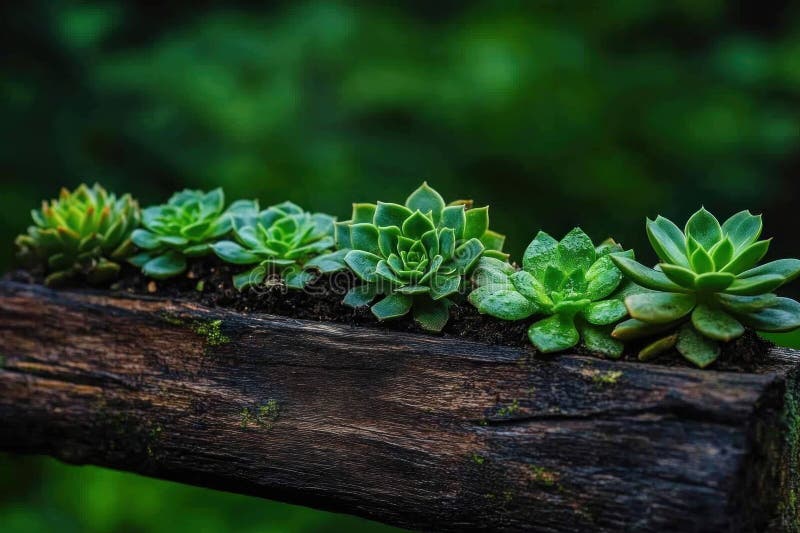
Complement these with drought-tolerant succulents and desert wildflowers to weave variety and subtle color into your tableau. Agave’s bold rosettes or aloe’s fleshy leaves introduce a counterpoint of texture, enriching the narrative without overpowering the cacti’s stoic presence.

Rock Selection and Placement: Crafting the Desert Topography
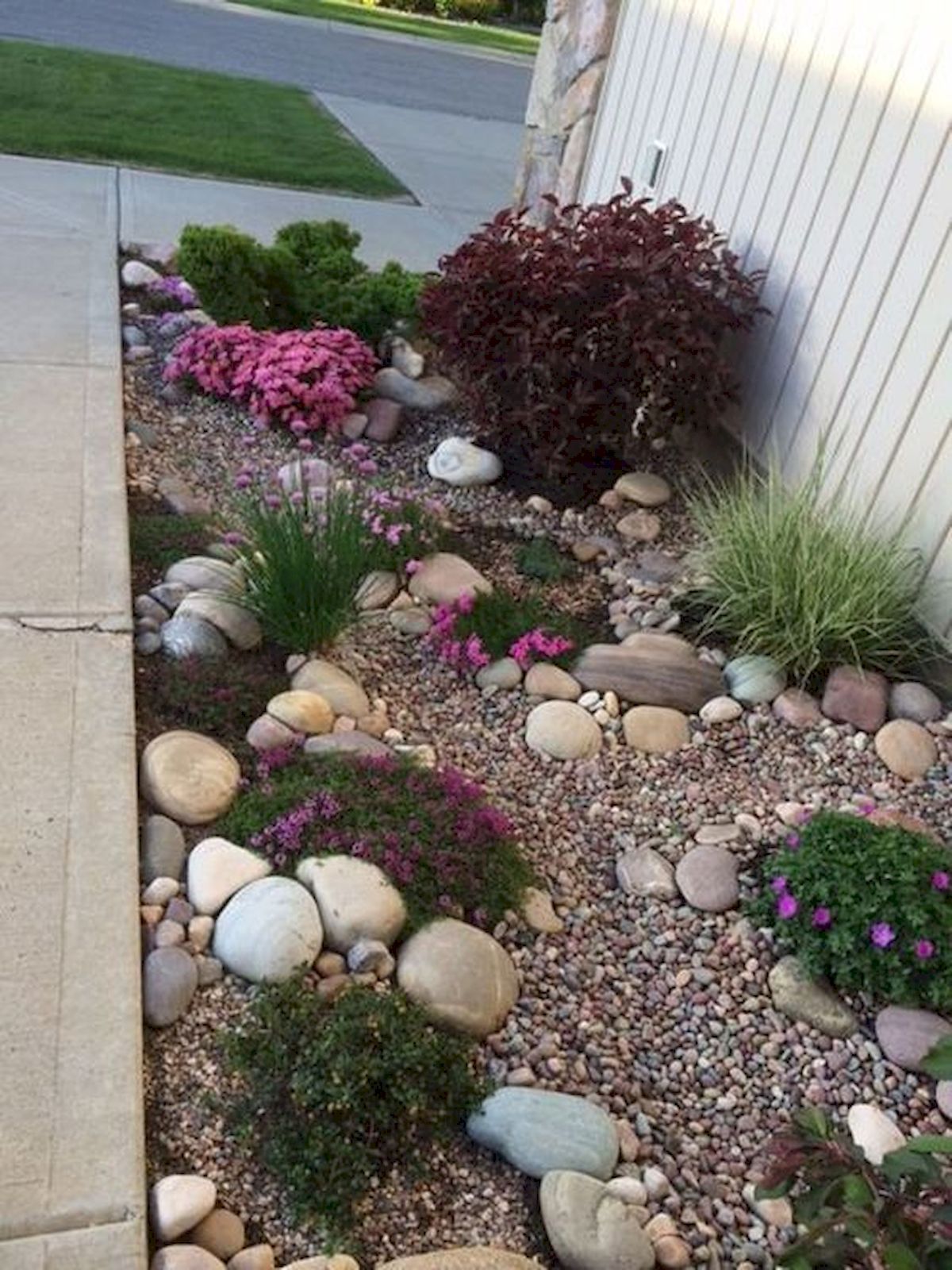
Rocks are the silent storytellers in your garden, sculpting the contours of a miniature desert landscape. Choose stones evocative of natural canyons and crags—weathered, irregular, and variegated in hue. Granite, sandstone, and basalt offer compelling textures and colors, grounding the garden in authenticity.
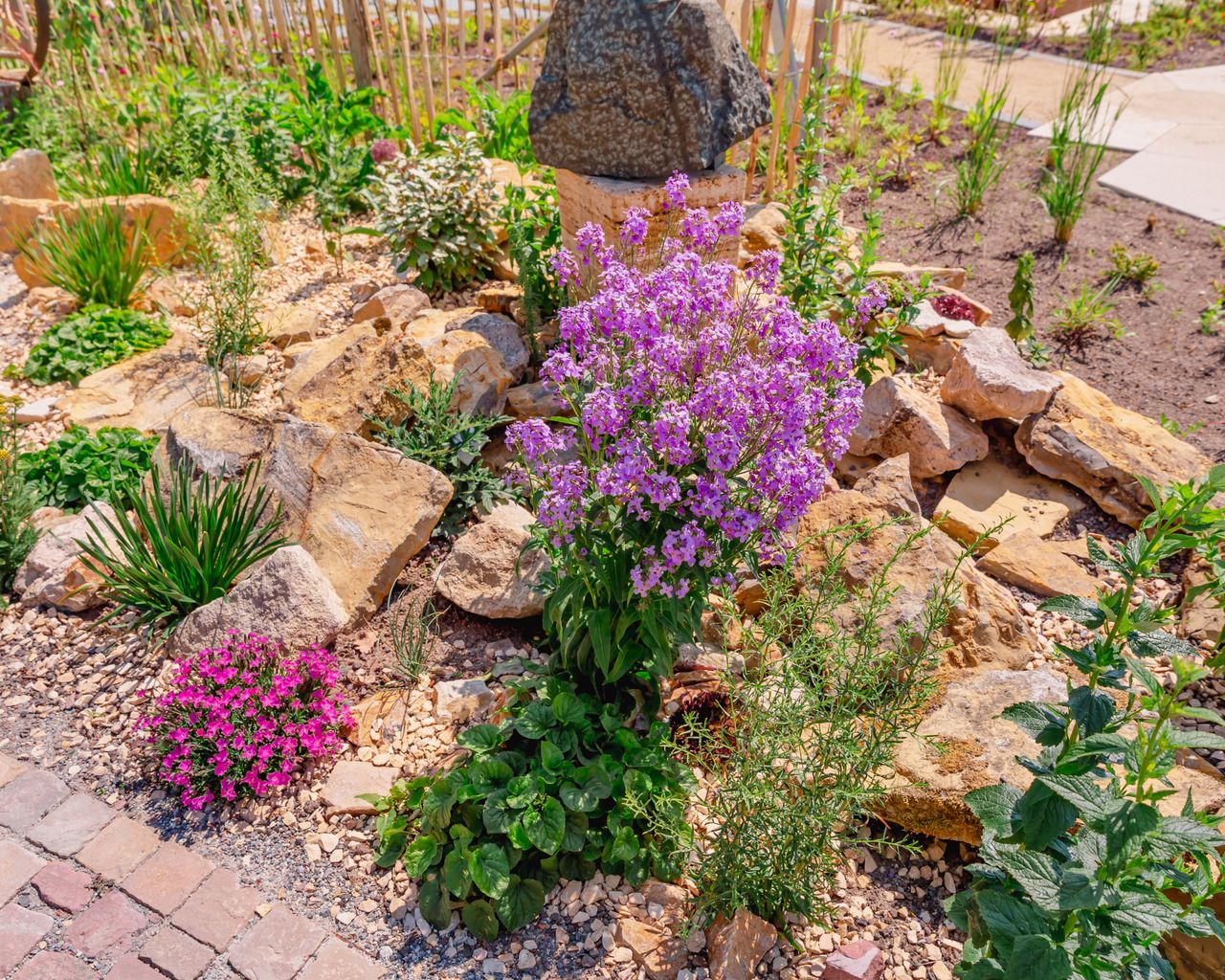
Placement is an art form. Position larger rocks as anchor points, mimicking the stoic permanence of desert outcrops. Intermingle mid-sized and pebble-scale stones around plants to emulate natural crevices and dry washes. Allow your intuition to guide placement, balancing both form and function; stones aid drainage and protect tender roots from sudden temperature shifts. Remember, asymmetry is your ally—avoid perfect patterns to preserve the organic mystique of wild landscapes.

Planting Techniques: The Delicate Act of Rooting Resilience
Planting cacti requires a delicate yet confident hand. Begin by gently loosening roots and removing excess soil. Dig holes wider than the root ball, providing a generous cradle cushioned by your improved soil mix. Position each cactus slightly higher than the natural soil line to discourage water accumulation at the base—this is crucial for preventing rot.
After planting, fill gaps with a blend of gritty sand and small gravel, enhancing aeration while anchoring the plant. Patience is essential here; let roots acclimate to their new desert home before your first substantial watering. Initially, hand-water sparingly—to emulate rare desert rainfalls—and gradually acclimate the plants to seasonal watering patterns.
Maintaining Your Desert Tableau: Care and Longevity
Though cacti are often celebrated as low-maintenance champions, their survival thrives on mindful care, the poetry of subtle observation. Monitor for signs of distress such as shriveling or discolored spines, which may indicate underwatering or pests. Seasonal pruning keeps the garden’s narrative fresh, removing spent flowers and untidy growth.
Feeding is minimal—use diluted, balanced cactus fertilizer during the active growing season to ignite gentle bursts of vigor. During winter dormancy, reduce watering dramatically, allowing nature’s quiet pause to renew your garden’s vitality.
Finally, protect your rock garden from invasive weeds and excessive moisture. Mulching with a thin layer of fine gravel helps retain structural integrity, ward off unwanted growth, and maintains the desert aesthetic.
The Unique Allure of a Cactus Rock Garden
More than a collection of plants and stones, a cactus rock garden is a canvas of contrasts—rough stone against soft pads, arid stillness against quietly resilient life. It captures an elemental beauty, where austerity transforms into elegance and survival becomes artistry. This garden style invites practitioners into a slow dance with time and nature, celebrating patience, resilience, and the astounding artistry rooted in minimalism.
Each cactus is a chronicle of endurance, each rock a monument of geological time. Together, they form a living diorama, an ever-evolving sculpture that beckons both the curious eye and the contemplative spirit. To build a cactus rock garden is to invite a whisper of the desert’s soul onto your doorstep—a perpetual reminder that beauty thrives in persistence and in the blending of nature’s rugged poetry.
FAQ
What is a cactus rock garden?
A cactus rock garden is a landscape design that combines cacti and rocks to create a miniature desert environment.
How do I choose the right location for my cactus rock garden?
Select a spot that receives at least six hours of sunlight daily and has well-draining soil.
What are the best types of rocks to use?
Use weathered, irregular stones like granite, sandstone, and basalt for an authentic desert look.
What maintenance is required for a cactus rock garden?
Monitor for pests, prune as needed, and water sparingly to mimic natural rainfall.

Leave a Reply