
Short Answer
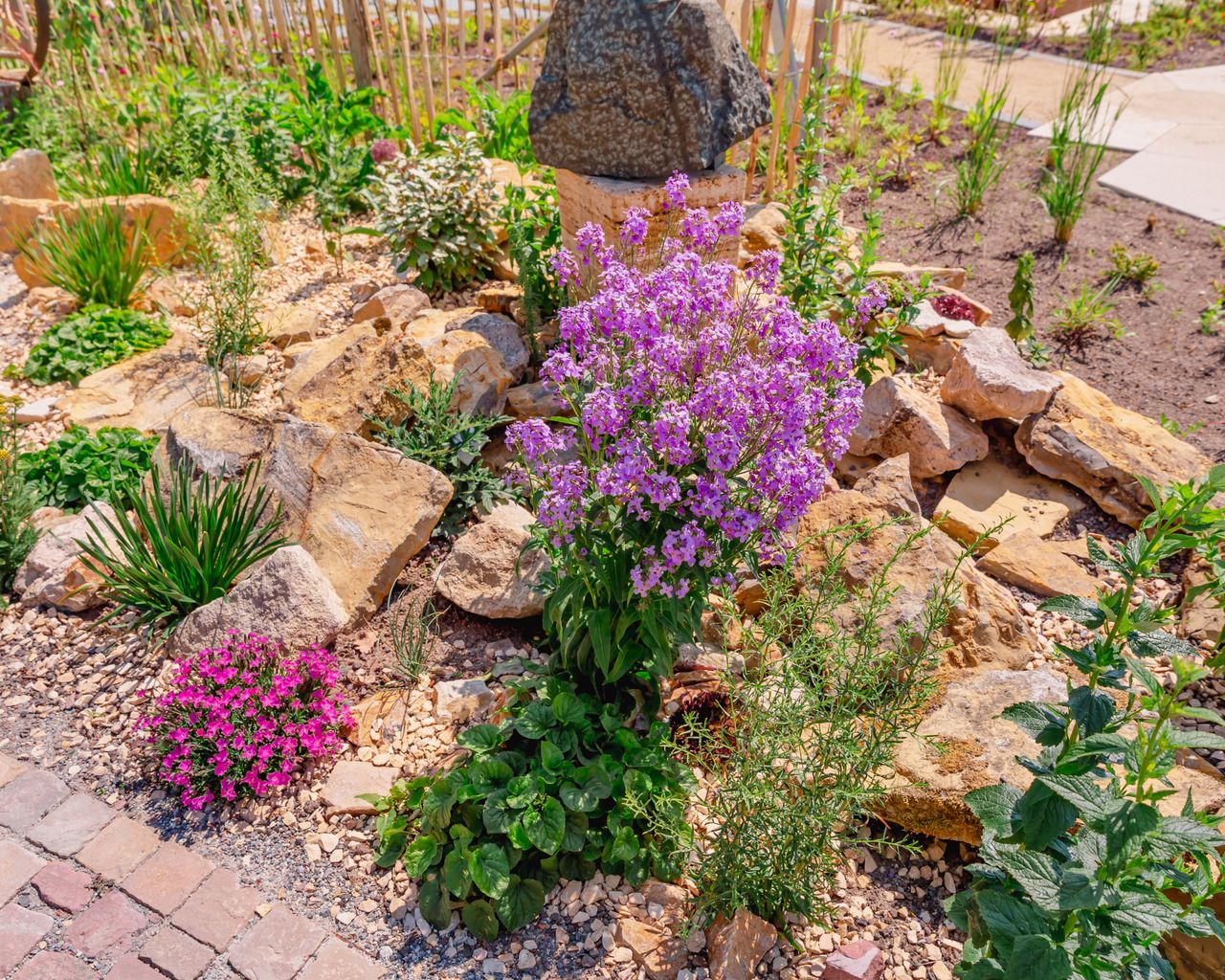
The rock garden is a miniature cosmos, a rugged microcosm where stone and flora engage in a silent dialogue of resilience and beauty. Within this stony realm, the Mammillaria cactus emerges not as a mere plant, but as a living sculpture—compact, tenacious, and brimming with character. Its globular form, crowned with spiraled tubercles and delicate spines, transforms the austere landscape into a tapestry of texture and intrigue. To cultivate Mammillaria in rock gardens is to invite a conversation between the ancient and the enduring, where each spine whispers tales of survival and each bloom unfurls a fleeting moment of color against the monochrome canvas of stone.
The Allure of the Stone Embrace: Why Mammillaria Thrives in Rock Gardens
Mammillaria—a genus of diminutive titans—finds its perfect stage in the rock garden. Unlike sprawling succulents that demand space, these cacti are the quintessential introverts of the plant world, content to nestle into crevices, perch upon ledges, or tuck themselves into pockets of gritty soil between weathered boulders. Their compact growth habit is not a limitation, but a strategic adaptation: a survival tactic honed over millennia in the arid, sun-scorched landscapes of Mexico and the southwestern United States.
In the rock garden, Mammillaria becomes an architect of illusion. Its spherical body mimics the smoothness of river stones, while its radial spines echo the jagged edges of the surrounding terrain. This mimicry is no accident—it is a form of botanical camouflage, a silent pact between plant and place. The rock garden, with its sharp angles and sun-baked surfaces, becomes a sanctuary where Mammillaria does not just survive, but thrives, turning adversity into artistry.
The Geometry of Resilience: Designing with Mammillaria’s Structural Elegance
To design with Mammillaria is to engage in a study of geometric poetry. Each specimen is a near-perfect sphere, a mathematical marvel that defies the chaos of nature. When clustered among angular rocks, the contrast is striking: the soft curves of the cactus against the rigid lines of stone create a visual tension that is both calming and invigorating. This interplay of form and formlessness invites the observer to pause, to trace the contours with their eyes, and to marvel at the harmony born from apparent discord.
Consider the placement of Mammillaria in a sunken trough or a crevice garden. Here, the cactus becomes a focal point, its presence accentuated by the surrounding matrix of gravel and moss. The low-growing habit of species like Mammillaria elongata or Mammillaria hahniana allows them to spill over edges like living waterfalls, their offsets cascading in slow motion. Meanwhile, taller varieties such as Mammillaria longimamma stand sentinel, their elongated tubercles reaching skyward like the fingers of a buried giant.
Color and Contrast: Painting with Spines and Blooms
The visual language of Mammillaria extends far beyond its shape. Its spines—ranging from snow-white to fiery red, from golden-yellow to inky black—add a layer of chromatic complexity to the rock garden. Some species, like Mammillaria plumosa, wear a halo of feathery white spines that soften the harshness of the stones, while others, such as Mammillaria zeilmanniana, dazzle with vibrant pink or purple hues that seem to glow under the sun.
But the true spectacle arrives with the flowers. In spring, the compact crowns of Mammillaria erupt in rings of bloom—crimson, magenta, lemon-yellow, or pristine white—each flower a fleeting masterpiece. These blossoms are not merely decorative; they are declarations of vitality, bursts of color that defy the dry, inhospitable environment. The contrast between the muted tones of the rocks and the electric vibrancy of the blooms creates a visual dissonance that is both jarring and exhilarating.
Ecological Synergy: Mammillaria as a Keystone Species in Miniature Landscapes
Beyond aesthetics, Mammillaria plays a vital ecological role in the rock garden. Its shallow root system helps stabilize loose soil, preventing erosion on slopes and in crevices. The dense clusters of spines provide microhabitats for beneficial insects, offering shelter from predators and the elements. Even its flowers attract pollinators—bees, butterflies, and hummingbirds—that might otherwise overlook the austere terrain.
In this way, Mammillaria becomes more than a decorative element; it is a steward of biodiversity. A single well-placed cluster can transform a barren patch of stone into a thriving micro-ecosystem, where life persists in the most unlikely of places. It is a reminder that even in the most compact and seemingly inhospitable environments, nature finds a way to flourish.
Creative Arrangements: From Zen Gardens to Desert Oases
The versatility of Mammillaria
allows for endless creative expression. In a Japanese-inspired rock garden, its spherical forms can echo the smoothness of carefully raked gravel, while its spines add a touch of wildness to the otherwise meticulous design. In a desert-themed landscape, it can be paired with agaves, yuccas, and other xeric plants to evoke the rugged beauty of the Sonoran or Chihuahuan deserts.
For a more whimsical approach, consider a “cactus village” arrangement, where multiple Mammillaria species are grouped together, each with its own personality. Some may stand tall and proud, while others nestle cozily in the shadows of larger rocks. The interplay of sizes and textures creates a sense of community, a tiny society of plants that thrive together in harmony.
The Art of Patience: Cultivating Mammillaria for Long-Term Beauty
To grow Mammillaria is to embrace the art of patience. These cacti are slow growers, their progress measured in millimeters per year. Yet, this slowness is part of their charm. Each new spine, each additional ring of bloom, is a testament to the passage of time and the resilience of life. In a world obsessed with instant gratification, Mammillaria offers a counterpoint—a lesson in the beauty of gradual transformation.
The key to success lies in emulating their natural habitat. A well-draining mix of grit, sand, and a touch of organic matter mimics the rocky, nutrient-poor soils of their native environments. Full sun is essential, but in hotter climates, a bit of afternoon shade can prevent scorching. Water sparingly, allowing the soil to dry completely between irrigations, and always err on the side of underwatering. With these simple principles, Mammillaria will reward the gardener with decades of steadfast beauty.
Conclusion: The Unyielding Charm of the Stone and Spine
Mammillaria in the rock garden is a study in contrasts—soft and hard, delicate and tenacious, ephemeral and eternal. It is a plant that asks little but gives much: a splash of color, a burst of texture, a whisper of resilience. In its compact form, it holds the vastness of the desert, the precision of geometry, and the quiet poetry of survival.
To cultivate Mammillaria is to engage in a dialogue with the earth itself. It is to acknowledge that beauty does not require grandeur, that strength is not measured in size, and that even the smallest spaces can harbor the most extraordinary wonders. In the rock garden, Mammillaria does not just grow—it flourishes, it inspires, and it endures.
FAQ
What is the best way to care for Mammillaria cacti?
Mammillaria cacti thrive in well-draining soil, require full sun, and should be watered sparingly, allowing the soil to dry completely between watering.
Can Mammillaria cacti survive in a rock garden?
Yes, Mammillaria cacti are well-suited for rock gardens due to their compact growth habit and ability to thrive in arid conditions.

Leave a Reply