
Short Answer
Propagating an Aloe Plant: Easy Methods for Beginners
For those embarking on the rewarding journey of cultivating succulents, propagating an Aloe Vera plant represents one of the most gratifying endeavors. Not only does Aloe Vera possess remarkable medicinal properties, but it is also a resilient plant that thrives in diverse conditions. This guide elucidates effective methods for propagating Aloe Vera, ensuring your success as a novice gardener.
Understanding Aloe Vera and Its Propagation
Aloe Vera is a perennial succulent characterized by its fleshy leaves and ability to store water. It naturally grows in arid regions, making it an excellent candidate for indoor gardening. One of the most compelling reasons to propagate Aloe Vera is its remarkable resilience. When propagated correctly, this plant can yield multiple offspring, each carrying the potential for healing benefits and aesthetic appeal.
Unlike other houseplants that may require meticulous care, Aloe Vera’s hardiness allows beginners to experiment with propagation without overwhelming anxiety. The fundamental techniques for achieving successful propagation involve leveraging offsets, leaf cuttings, or seeds. Each method offers unique advantages and caters to varying preferences. Understanding these methods is vital in addressing concerns regarding plant vitality and ensuring successful growth.
Utilizing Offsets: The Most Reliable Method
Offsets, or pups, are young plants that grow at the base of the mother plant. This method is often favored for its simplicity and high success rate. To propagate via offshoots, follow these steps:
1. **Identifying the Offsets**: First, examine the base of your Aloe Vera plant. Look for small rosettes that demonstrate growth. These pups are typically at least a few inches tall and have developed their own set of roots.
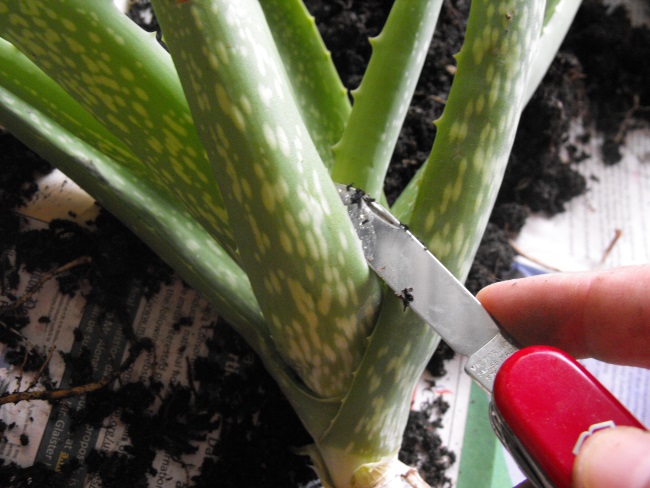
2. **Separation Process**: To detach the pups, use a clean, sharp knife. Carefully cut the root system of the pup, ensuring you do not damage the main plant. It is important to cut close to the base, allowing for a sufficient root system to remain intact.
3. **Preparing for Replanting**: Allow the pups to rest for a day or two. This process, also known as “callousing,” helps prevent rot when they are replanted.
4. **Choosing the Right Medium**: Utilize a well-draining potting mix suitable for succulents. This prevents water retention, which could lead to root rot.
5. **Replanting**: Position the pup in its new pot, covering the root system with soil while avoiding excessive pressure on the roots. Water lightly after planting to stimulate growth.
Embracing Leaf Cuttings: An Alternate Approach
Another method to propagate Aloe Vera is through leaf cuttings. Although not as foolproof as offsets, with patience and diligence, this approach can yield favorable results.
1. **Selecting a Healthy Leaf**: Identify a mature, healthy leaf from the plant, preferably one from the outer sections as they have more nutrients. Using a sterilized knife, cut the leaf at its base. Aim for a leaf that is free from damage and disease to ensure viability.
2. **Preparing the Cutting**: Similar to the offset method, place the leaf cuttings in a dry area for several days. The cut end should form a callus before being placed in soil, as this minimizes the risk of rot.
3. **Positioning in Soil**: Once properly calloused, insert the cut end of the leaf into a succulent soil mix. Ensure that the leaf stands upright to prevent excess moisture accumulation, which can lead to decay.
4. **Watering Considerations**: Lightly mist the soil to maintain a humid environment while avoiding saturation. After a few weeks, observe for root formation and new growth. This process can take time and patience, often several weeks to a few months, but the results are rewarding.
Expanding Through Seed Propagation: A Challenging Venture
For the more adventurous, seed propagation can also be an option, although it requires significantly more effort and time. Aloe Vera seeds can be sourced from reputable vendors or collected from a flowering plant. The process involves planting seeds in a seed starting mix, maintaining consistent moisture, and ensuring adequate light. Be prepared for a longer journey, as it may take several months before seedlings are ready for separate pots.
Addressing Common Concerns and Care Tips
A frequent concern among new propagators is the health and vitality of their plants. Frequent watering mistakes can lead to issues such as root rot. It’s crucial to err on the side of caution; allow the soil to dry out between watering sessions. Additionally, placing Aloe plants in bright, indirect sunlight will bolster their growth without the risk of sunburn.
In conclusion, propagating an Aloe Vera plant can be an enriching experience for beginners. Whether opting for offsets, leaf cuttings, or seeds, each method offers unique benefits. With the right techniques and a commitment to mindful care, your Aloe Vera collection can flourish, bringing beauty and health to your living space. By understanding these propagation methods, you not only enhance your gardening skills but also cultivate a deeper appreciation for the incredible resilience that these plants embody.
FAQ
What is the best method to propagate Aloe Vera for beginners?
Using offsets or pups is the best and easiest method for beginners, as it has a high success rate and requires minimal care.
How long does it take for Aloe Vera leaf cuttings to root?
Rooting from leaf cuttings can take several weeks to a few months, requiring patience and proper care.
Can Aloe Vera be propagated from seeds at home?
Yes, but seed propagation is more time-consuming and challenging, usually taking several months to grow seedlings ready for potting.
How should I care for newly propagated Aloe Vera plants?
Place them in bright, indirect light, water sparingly, and use well-draining soil to avoid root rot.
Why do Aloe Vera pups need to callous before planting?
Allowing pups to callous helps prevent rot and infection at the cut site during replanting.


Leave a Reply