
Short Answer
In the concrete jungles where skyscrapers pierce the sky and every square inch of space is a premium, the yearning for a touch of nature becomes not just a desire but a necessity. Urban dwellers, confined to balconies no larger than a postage stamp or windowsills barely wide enough for a coffee mug, often find themselves in a silent battle against the sterility of modern living. Yet, amidst this urban sprawl, there exists a silent sentinel of resilience—the cactus. These prickly paradoxes of the plant world, with their stoic demeanor and minimalist elegance, are the unsung heroes of small-space gardening. They thrive where others wither, demanding little yet offering a sanctuary of green in the midst of concrete. But why do these desert dwellers captivate us so deeply? Perhaps it’s their defiance of convention, their ability to flourish in adversity, or the quiet reminder that beauty need not be extravagant to be profound.
The Allure of Cacti in Compact Urban Sanctuaries
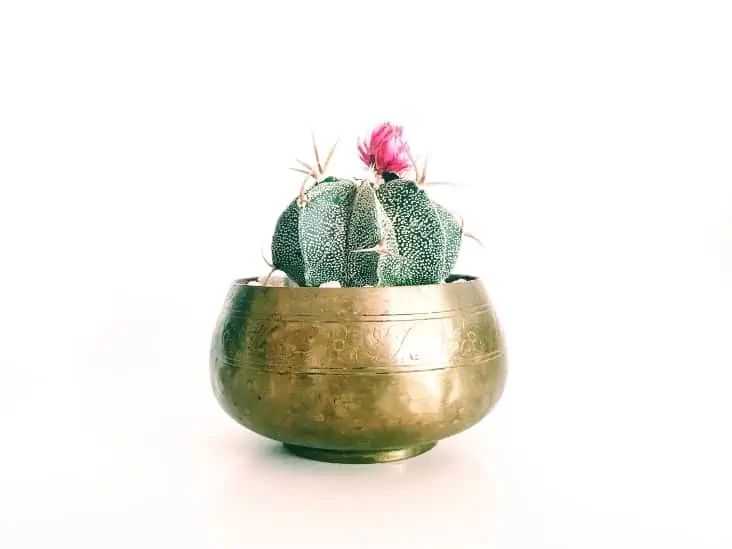
There’s an undeniable magic in watching a cactus flourish in a cramped balcony garden. These plants, born of arid landscapes where water is a luxury, seem to mock the very notion of scarcity. Their geometric forms—spherical, columnar, or paddle-shaped—introduce a sculptural quality to urban spaces, transforming a mundane windowsill into a living art installation. The contrast between their rugged exteriors and the delicate, often ephemeral blooms they produce is a study in contradictions. A single burst of color, a fleeting moment of vibrancy, serves as a poignant reminder that even in the most constrained environments, life finds a way to assert itself.
Their low-maintenance nature is another draw. In a world where time is a luxury, cacti ask for almost nothing in return for their presence. A splash of water every few weeks, a sliver of sunlight, and they’re content. This symbiotic relationship—where the plant thrives on neglect and the gardener reaps the rewards of greenery without the burden of constant care—is a modern-day marvel. It’s no wonder that urbanites, perpetually racing against the clock, are drawn to these desert denizens. They offer a reprieve from the chaos, a moment of stillness in an otherwise frenetic existence.
Top Cactus Varieties for the Urban Gardener’s Arsenal
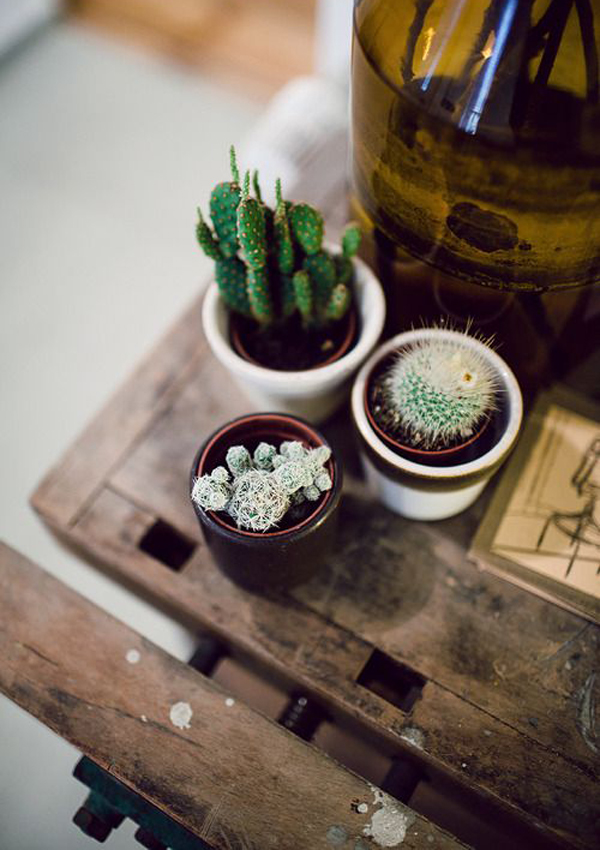
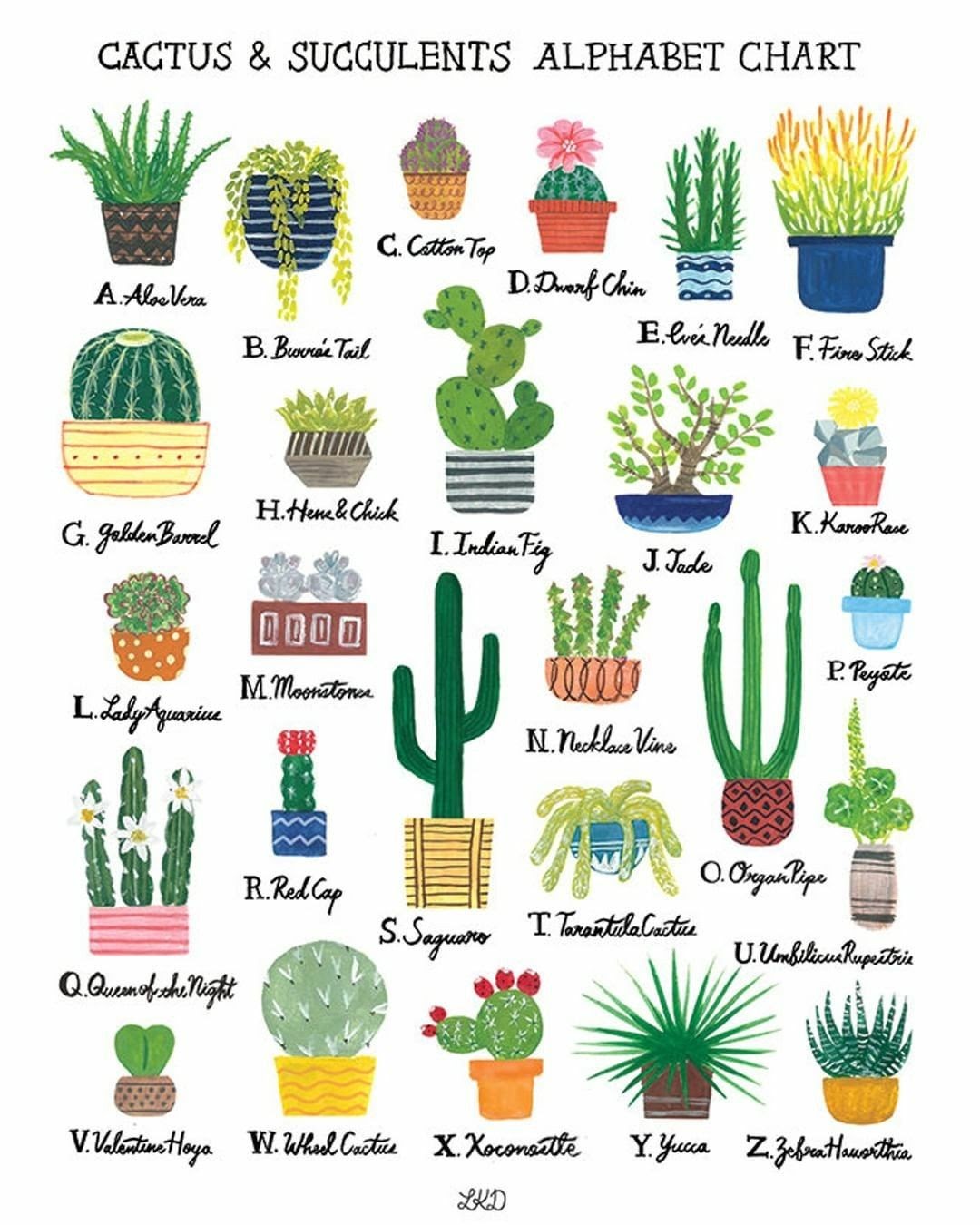
Not all cacti are created equal, especially when space is at a premium. The ideal candidates for small gardens are those that remain diminutive yet striking, their forms compact yet full of character. Among the stars of this miniature menagerie is the Mammillaria, a genus of globular cacti that produce rings of vibrant flowers in hues of pink, red, or white. Their small stature—often no larger than a tennis ball—makes them perfect for windowsill vignettes or clustered arrangements on a balcony ledge. Then there’s the Gymnocalycium, with its ribbed, spherical body and a penchant for producing flowers that seem to emerge from nowhere, as if by magic. These cacti are the quiet achievers of the urban garden, their unassuming presence belied by their quiet resilience.
For those who crave vertical drama, the Cephalocereus senilis, or “old man cactus,” is a showstopper. Its dense, white hairs give it the appearance of an elderly sage, lending an air of wisdom to any space. Though it grows slowly, its eventual height (up to three feet) can be managed with careful pruning, making it a statement piece in even the smallest of gardens. Meanwhile, the Echeveria genus, though technically a succulent rather than a true cactus, is a must-consider for its rosette-shaped foliage and pastel-hued blooms. These plants are the ultimate space-savers, their flat, layered leaves stacking like pancakes in a tiny pot.
Designing a Cactus Oasis: A Blueprint for Small Spaces
Creating a cactus garden in a confined space is less about scale and more about intention. The key lies in curating a collection that harmonizes in form, texture, and color, while also considering the microclimate of your urban sanctuary. Start with a shallow, well-draining container—terracotta pots are ideal, as their porous nature prevents waterlogging, a cactus’s worst enemy. Layer the base with a gritty substrate, such as a mix of potting soil and perlite, to mimic the rocky, mineral-rich soils of their native habitats. This foundation not only ensures proper drainage but also anchors the plants, preventing them from toppling over in a gust of wind.
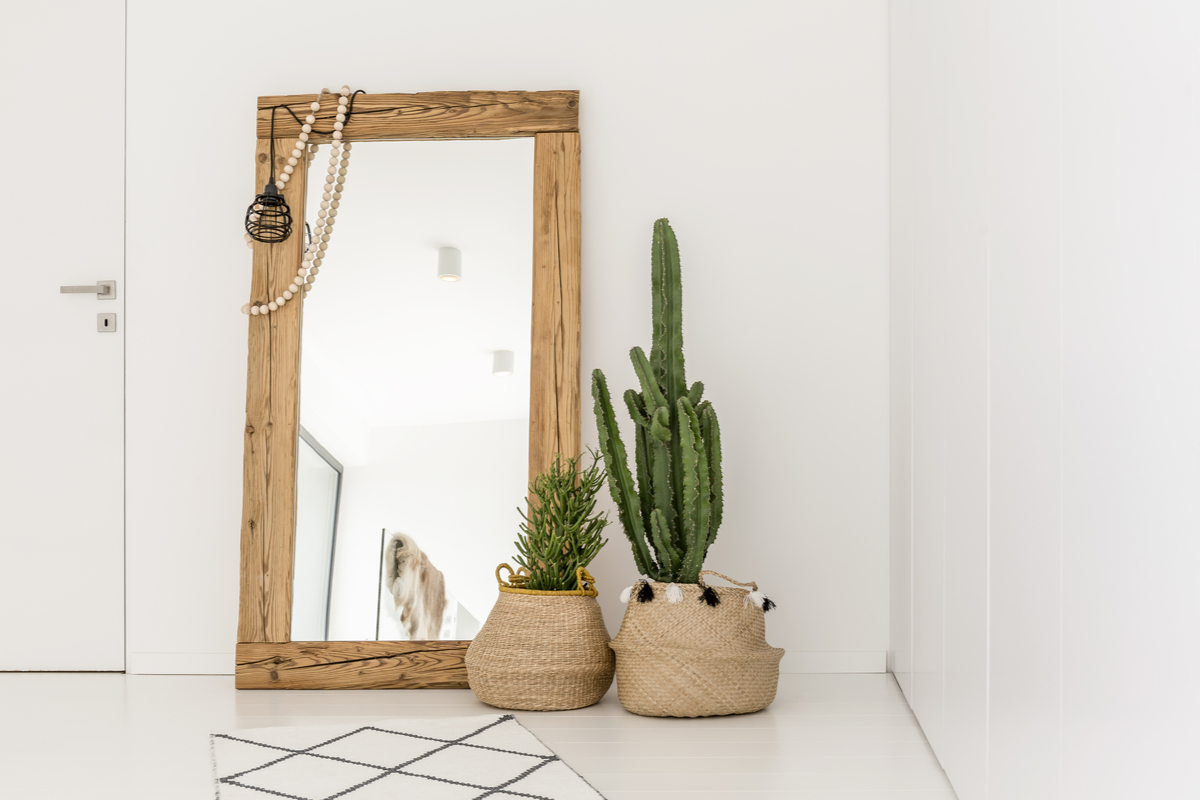
Arrangement is everything. Group cacti with similar water and light requirements together, but vary their heights and shapes to create visual interest. A tall, columnar Cereus might stand sentinel at the back, while a low-growing Echeveria sprawls in the foreground. Interspersing rocks or driftwood can add a touch of ruggedness, echoing the desert landscapes these plants call home. For those with a penchant for color, consider adding a few non-cactus succulents, like Haworthia or Sedum, to introduce subtle variations in hue and texture. The result is a miniature ecosystem, a self-contained world where each element plays a role in the overall composition.
The Psychological Benefits of Cacti in Urban Living
Beyond their aesthetic appeal, cacti offer a subtle yet profound psychological balm in the urban environment. Studies have shown that interaction with plants—even in small doses—can reduce stress, lower blood pressure, and enhance mood. The act of tending to a cactus, of observing its slow but steady growth, instills a sense of patience and mindfulness in an era dominated by instant gratification. There’s a meditative quality to watching a bud unfurl over the course of weeks, a reminder that some things in life are worth the wait.
Cacti also serve as a tangible connection to nature, a lifeline in a world where green spaces are increasingly scarce. Their presence can evoke memories of distant landscapes, of deserts and canyons, transporting the urban dweller to a place of tranquility. In this way, they act as more than just decorative elements; they become companions, silent witnesses to the ebb and flow of daily life. Their resilience in the face of neglect is a metaphor for perseverance, a quiet lesson in endurance that resonates deeply in the fast-paced urban milieu.
Common Pitfalls and How to Avoid Them
Even the hardiest of cacti can falter if their basic needs aren’t met. Overwatering is the most common mistake, a fatal flaw in a plant adapted to survive on dew and sparse rainfall. The golden rule? When in doubt, don’t water. A cactus’s roots are designed to absorb moisture quickly and efficiently, but they rot just as swiftly if left to sit in soggy soil. Ensure your pots have drainage holes, and always err on the side of underwatering rather than overdoing it. During the winter months, most cacti enter a dormant phase, requiring even less water—sometimes as little as once a month.
Light is another critical factor. While cacti are sun-worshippers by nature, not all urban spaces can provide the six to eight hours of direct sunlight they crave. If your balcony is shaded for much of the day, opt for species like Schlumbergera (the Christmas cactus) or Zygocactus, which thrive in bright, indirect light. Conversely, if your space is bathed in relentless sunlight, consider using a sheer curtain to diffuse the intensity, preventing sunburn on your prickly charges. Pests, though rare, can also pose a threat. Mealybugs and spider mites are the usual culprits, but a quick wipe with a cotton swab dipped in rubbing alcohol is often enough to evict them.
Cultivating a Cactus Collection: A Lifelong Pursuit
For the truly devoted, collecting cacti becomes more than a hobby—it’s a passion, a lifelong journey of discovery. Each new addition to the collection is a story, a testament to the gardener’s patience and discernment. Some enthusiasts focus on rare and exotic species, hunting down elusive varieties like Turbinicarpus or Lophophora (the peyote cactus, though not for consumption!). Others are drawn to the challenge of hybridizing, creating bespoke plants with unique forms and colors. Online communities and local succulent societies offer a wealth of knowledge, where novices and experts alike share tips, trade cuttings, and marvel at the diversity of the cactus world.
The beauty of a cactus collection lies in its scalability. Whether you have a single windowsill or a sprawling rooftop garden, there’s always room for one more plant. The key is to start small, to learn the idiosyncrasies of each species, and to embrace the occasional setback as part of the journey. After all, even the most seasoned cactus growers lose a plant or two along the way—it’s an inevitable rite of passage. But with each surviving specimen, the collection grows not just in size, but in character, a living tapestry of resilience and beauty.
The Future of Urban Gardening: A Cactus Renaissance
As cities continue to expand and green spaces dwindle, the role of cacti in urban gardening is poised to become even more significant. Their adaptability makes them ideal candidates for vertical gardens, rooftop farms, and even indoor hydroponic systems. Innovations in container design—such as self-watering pots and modular planting systems—are making it easier than ever to integrate cacti into even the most unconventional spaces. Meanwhile, the rise of biophilic design, which seeks to reconnect urban dwellers with nature, has elevated these humble plants to the status of design icons. Architects and interior designers are incorporating cacti into their projects, using them as focal points in minimalist interiors or as accents in sleek, modern spaces.
This resurgence of interest in cacti is more than just a trend—it’s a reflection of a deeper cultural shift. In an era of climate change and environmental uncertainty, these plants embody the spirit of sustainability. They require minimal resources, thrive in conditions that would kill other plants, and offer a sustainable alternative to high-maintenance ornamentals. By embracing cacti, urban gardeners are not just beautifying their spaces; they’re making a statement about resilience, adaptability, and the power of nature to thrive against the odds.
FAQ
What are the best types of cactus for small urban spaces?
Compact varieties such as Mammillaria, Gymnocalycium, and Cephalocereus senilis are ideal due to their small size and manageable growth.
How often should I water cacti in a balcony garden?
Water cacti every few weeks, reducing frequency during winter dormancy to once a month.
Can cacti survive in low light urban spaces?
Some cacti like Schlumbergera (Christmas cactus) can tolerate bright indirect light, but most prefer direct sunlight.
What common mistakes should I avoid when growing cacti indoors?
Avoid overwatering and ensure pots have drainage holes to prevent root rot.
Leave a Reply