
Short Answer
The desert sun bleaches the horizon into a shimmering mirage, yet beneath its merciless glare, life thrives in the most unexpected forms. Among these resilient survivors, the cactus stands as a paradox—a spiny sentinel that cradles sweetness within its armored flesh. From the sun-baked plains of the Americas to the urban balconies of modern cities, edible cacti have woven themselves into human culture, cuisine, and survival. They are not merely plants; they are botanical alchemists, transforming arid adversity into succulent treasure. This journey through the world’s most delectable cactus genera reveals a tapestry of flavors, histories, and ecological marvels that redefine what it means to thrive in the harshest of landscapes.
The Prickly Pear’s Golden Bounty: Opuntia’s Edible Legacy
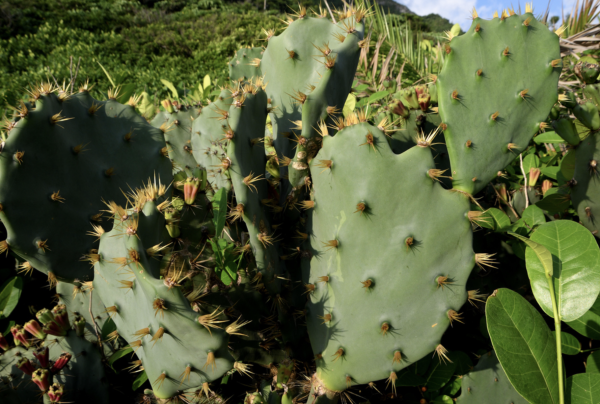
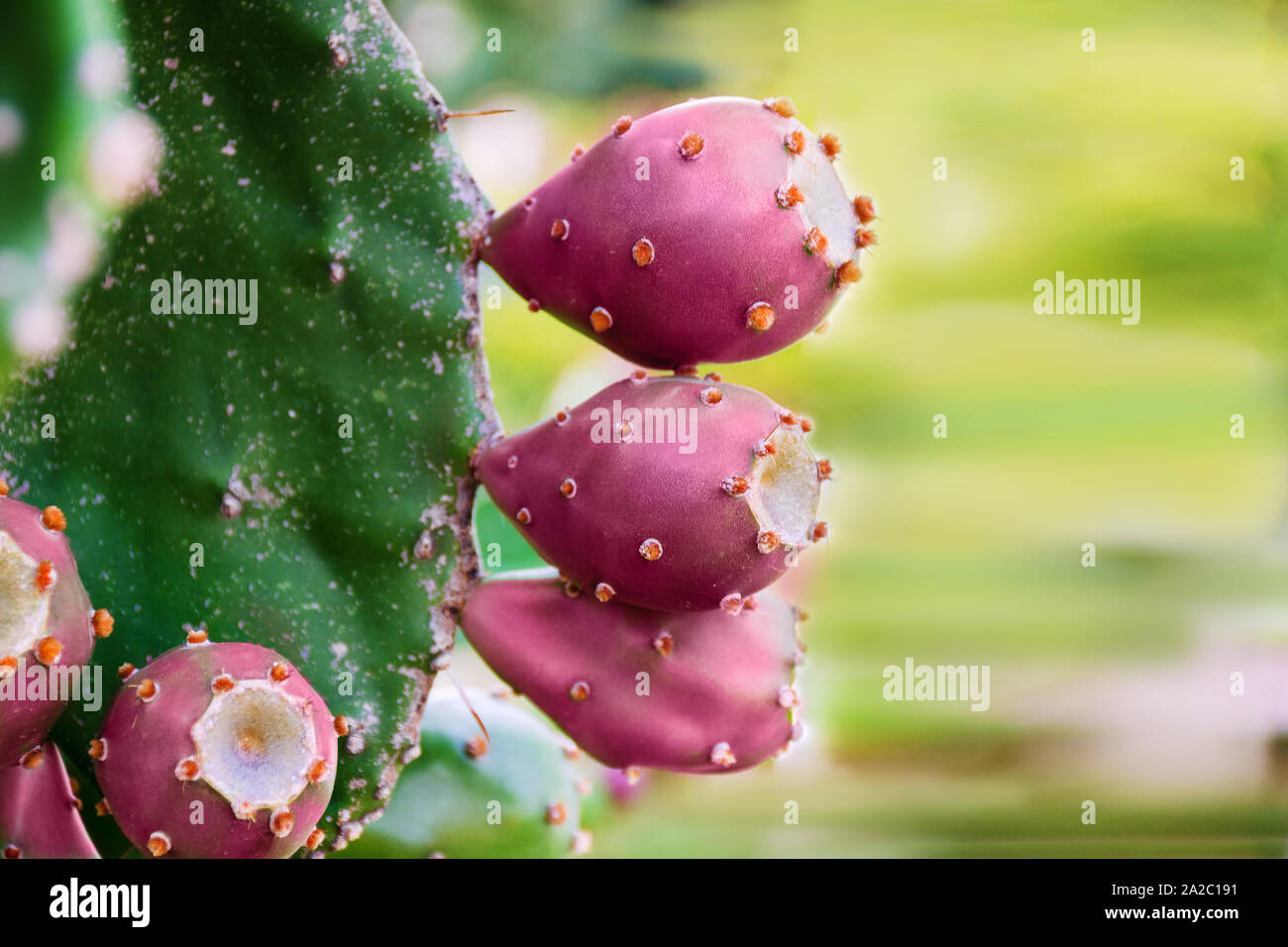
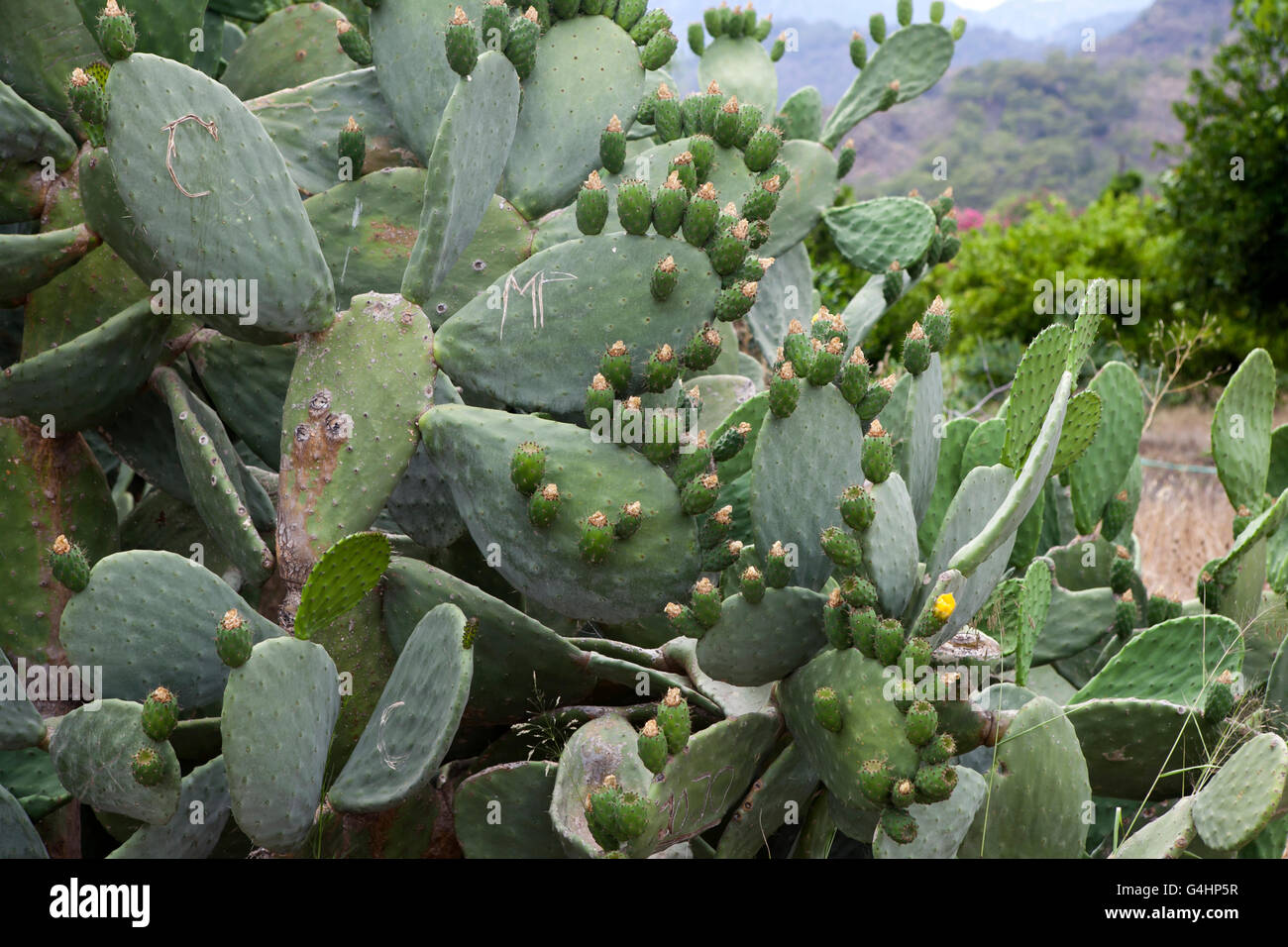
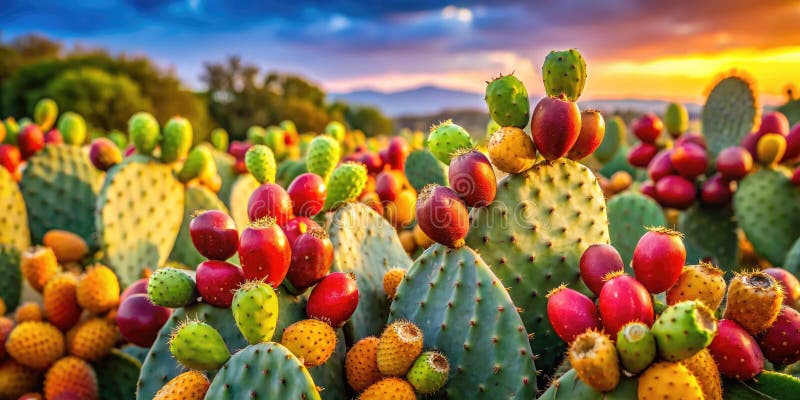
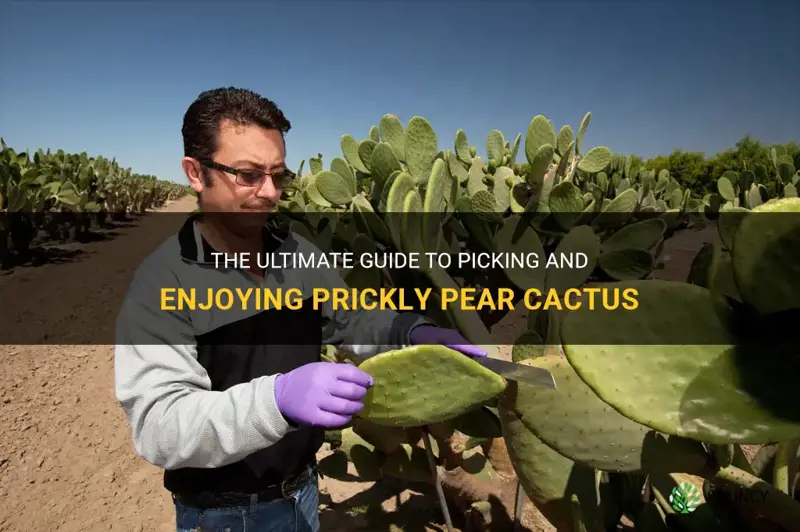
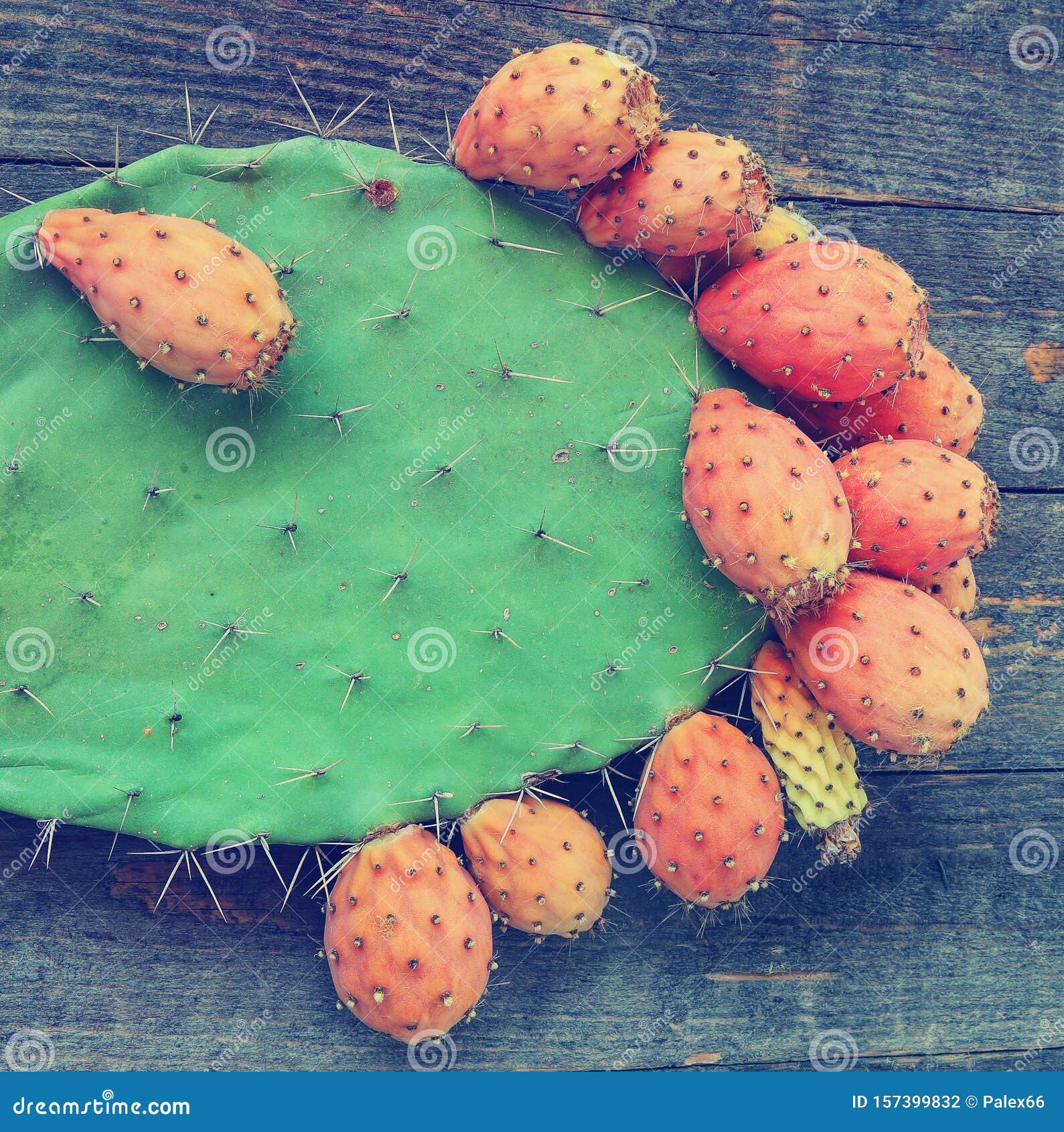
Imagine a fruit that tastes like a sunrise—vibrant, slightly tart, and bursting with the essence of summer. The Opuntia genus, commonly known as prickly pear or nopal, delivers exactly that. Native to the Americas, these cacti have been revered for millennia by Indigenous cultures, from the Aztecs who cultivated them in floating gardens to the Native Americans who harvested them across the Southwest. The pads, or *nopales*, are not just edible; they are a culinary chameleon, lending a crisp, green freshness to salads or a mucilaginous, almost seaweed-like texture when cooked. But it is the fruit—the *tunas*—that steals the show. Each oblong orb is a jewel of flavor, ranging from honeyed yellows to deep magentas, with a pulp that clings to the seeds like ambrosia. The seeds, often discarded, are in fact a nutritional powerhouse, packed with omega-3 fatty acids. To eat a prickly pear is to taste resilience itself: a plant that turns spines into sweetness and drought into abundance.
The Dragon Fruit’s Cosmic Allure: Hylocereus and the Rise of the Pitaya
If Opuntia is the desert’s humble gift, then Hylocereus is its celestial counterpart—a cactus that seems plucked from the pages of a sci-fi novel. Known as the dragon fruit or pitaya, this climbing vine thrives in tropical climates, its aerial roots clinging to trees like a jungle leviathan. The fruit is a marvel of nature’s artistry: a magenta or yellow orb, scaled with overlapping bracts that resemble a mythical dragon’s hide. Slice it open, and you’re greeted by a galaxy of tiny black seeds suspended in snow-white or fuchsia flesh, a texture that is both creamy and subtly crunchy. The flavor is a symphony of mild sweetness, with hints of pear, kiwi, and a whisper of floral perfume. Hylocereus is more than a fruit; it’s an experience, a sensory voyage that transports the eater from the humid jungles of Central America to the neon-lit markets of Asia, where it has become a symbol of exotic indulgence. To grow dragon fruit is to coax a piece of the tropics into your own backyard, a living testament to the cactus’s ability to adapt and enchant.
The Saguaro’s Sacred Harvest: Carnegiea’s Towering Gift
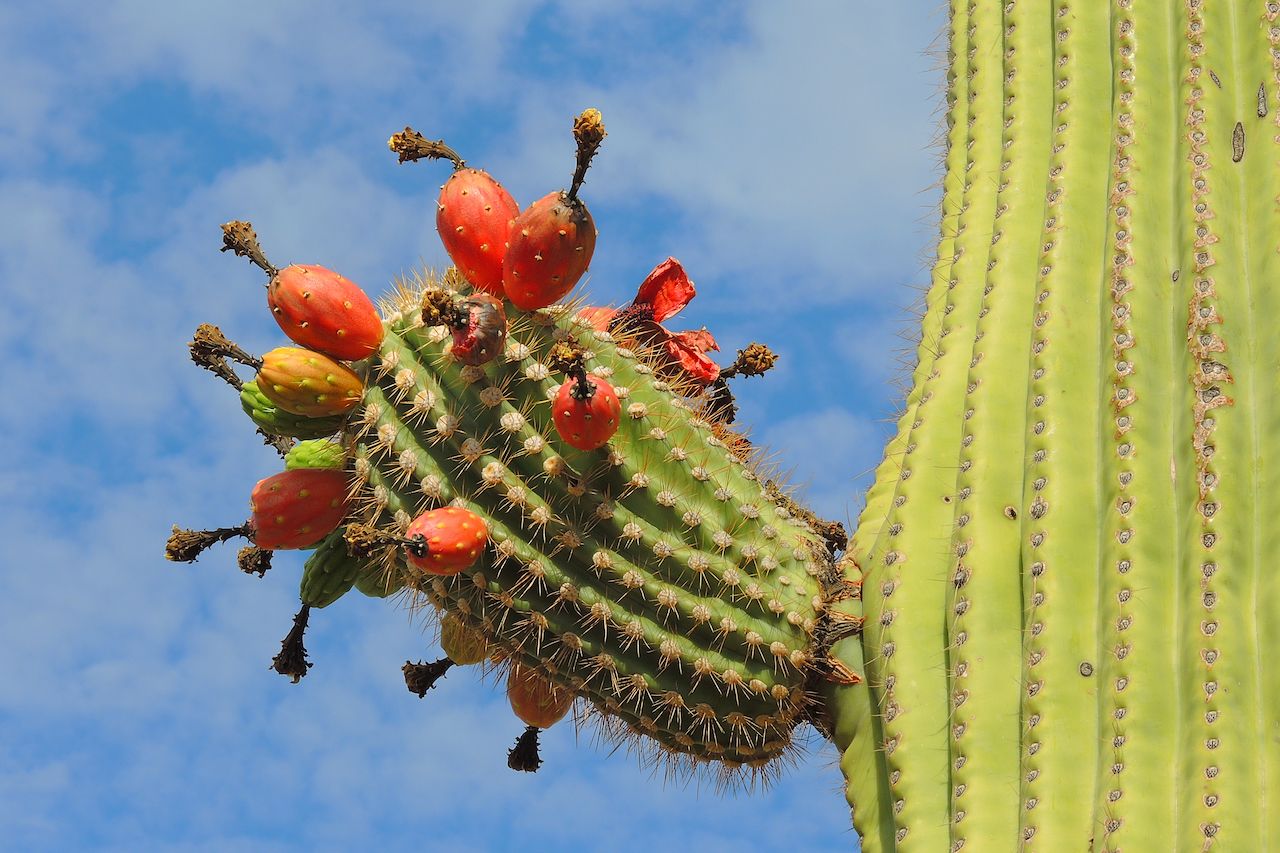
Few sights are as iconic in the American Southwest as the saguaro cactus, its ribbed columns reaching toward the heavens like the outstretched arms of ancient sentinels. To the Tohono O’odham people, the saguaro is not just a plant; it is a sacred relative, a provider of life in the arid expanse. The fruit of the saguaro is a fleeting treasure, ripening in late spring to early summer, its ruby-red pulp packed with tiny black seeds. Harvesting it is a communal ritual, a dance of respect between humans and nature. The pulp is scooped from the fruit’s husk and transformed into syrup, jam, or fermented into a ceremonial wine known as *nawait*. The seeds, toasted and ground, become a nutty flour. To taste saguaro fruit is to partake in a tradition older than the pyramids, a connection to the land that has sustained desert dwellers for generations. The saguaro’s fruit is a reminder that even the most monumental of cacti can yield the most intimate of gifts—nourishment that is as spiritual as it is sustenance.
The Barrel Cactus’s Hidden Sweetness: Ferocactus and Its Golden Nectar
Beneath the barrel cactus’s intimidating exterior—its ribbed, ribbed body bristling with spines like a medieval mace—lies a secret. This stout, globular cactus, often dismissed as a mere desert ornament, harbors a treasure within its pulpy flesh. The fruit of the Ferocactus genus is a golden orb, its exterior splitting open when ripe to reveal a honeyed interior that clings to the seeds like liquid sunshine. The flavor is a delicate balance of sweetness and tartness, with a texture that is both juicy and slightly fibrous. Indigenous peoples of the Southwest have long prized these fruits, drying them into cakes or fermenting them into a tangy beverage. Unlike their more famous cousins, barrel cactus fruits are not widely cultivated, making them a rare delicacy for those willing to brave the spines. To harvest one is to engage in a quiet act of defiance against the desert’s harshness, a testament to the cactus’s ability to hide its sweetness in plain sight.
The Night-Blooming Cereus: Selenicereus and the Moonlit Harvest
As the sun dips below the horizon and the desert cools into a velvet embrace, a different kind of cactus awakens. The Selenicereus genus, often called night-blooming cereus or queen of the night, unfurls its ethereal blossoms under the moonlight, their white petals glowing like phosphorescent lanterns. But it is the fruit that follows—an elongated, red or yellow orb—that captures the imagination. These fruits, known as *pitahayas* in some regions, are a rarity, their harvest limited to the brief window when the flowers have been pollinated. The flesh is translucent, with a flavor that is both floral and subtly tangy, reminiscent of a cross between a pear and a lychee. To eat a night-blooming cereus fruit is to taste the desert’s magic at its most elusive—a fleeting moment of sweetness that disappears as quickly as it arrives. Cultivating Selenicereus is a labor of love, requiring patience and a deep understanding of its nocturnal rhythms. Yet for those who succeed, the reward is a taste of the extraordinary.
Culinary Alchemy: How to Transform Cactus Fruits into Gastronomic Gold
The true magic of edible cacti lies not just in their flavors but in their versatility. Prickly pear syrup, or *queso de tuna*, is a staple in Mexican desserts, drizzled over cheese or used to glaze pastries. Nopales, when charred on a comal, develop a smoky depth that elevates tacos and scrambled eggs. Dragon fruit, with its striking appearance, becomes a canvas for culinary creativity—blended into smoothie bowls, dehydrated into chips, or even infused into cocktails for a vibrant hue. Saguaro syrup, with its rich, caramel-like notes, is a prized ingredient in artisanal chocolates and ice creams. The key to working with cactus fruits and pads lies in understanding their unique textures and flavors. Some, like the dragon fruit, are best enjoyed raw, while others, like the barrel cactus, benefit from slow cooking to mellow their tartness. The seeds, often overlooked, can be toasted and ground into flour or pressed for oil. To cook with cacti is to engage in a dialogue with the land—a dialogue that has been ongoing for thousands of years.
The Future of Edible Cacti: Sustainability, Innovation, and Global Appeal
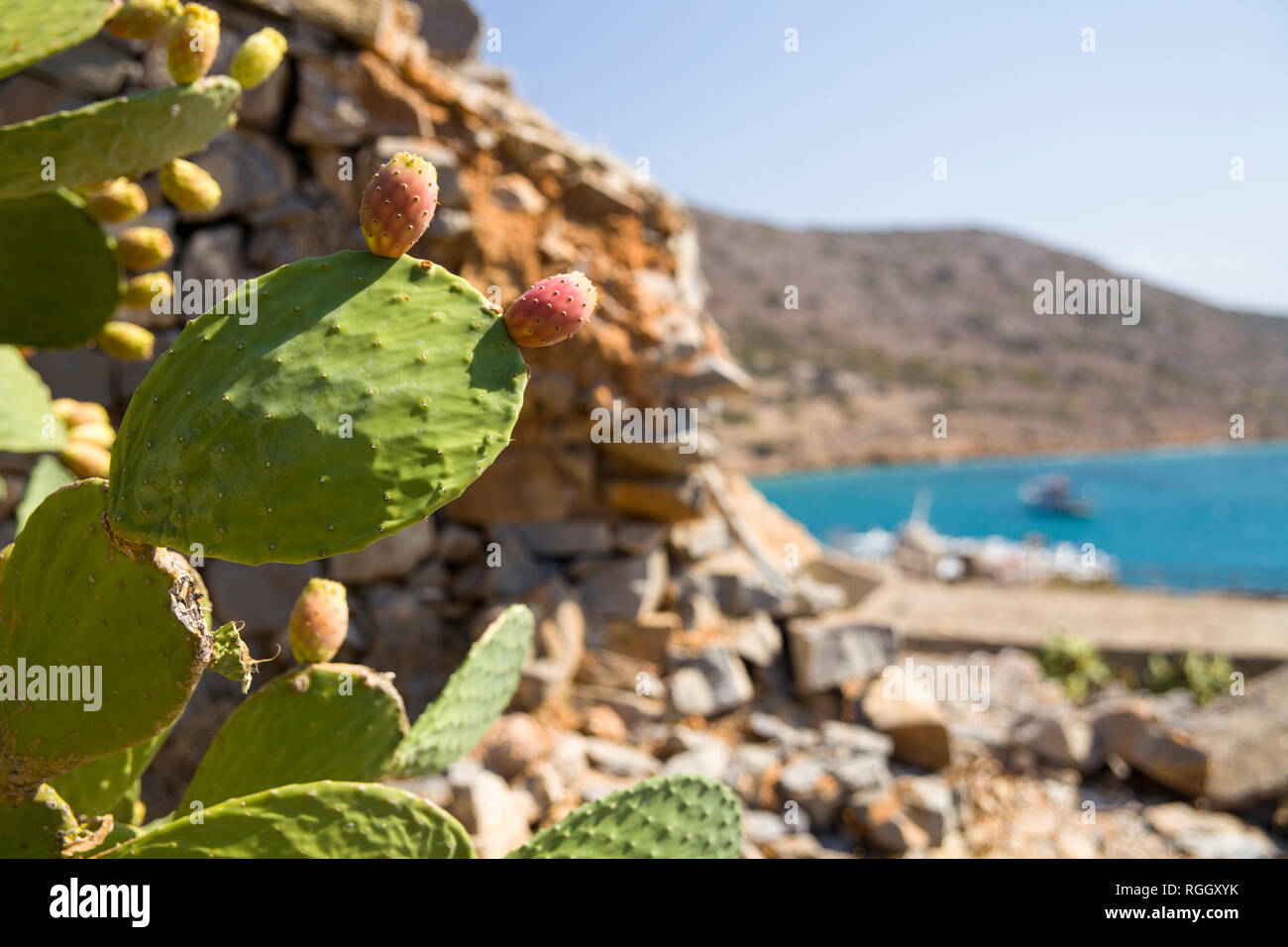
In an era of climate uncertainty, edible cacti offer a beacon of hope. These plants require minimal water, thrive in poor soil, and can sequester carbon at impressive rates. As droughts become more frequent and arable land dwindles, cacti may well become a cornerstone of sustainable agriculture. Innovators are already exploring ways to scale up production, from vertical farms growing dragon fruit in urban centers to agroforestry systems that integrate prickly pear into livestock feed. Chefs and food scientists are reimagining cactus-based ingredients, from protein-rich nopal flour to fermented cactus beverages that rival kombucha in complexity. The global appeal of edible cacti is undeniable, with dragon fruit now a staple in supermarkets from Tokyo to Berlin. Yet, as their popularity grows, so too does the need for responsible cultivation—protecting wild populations, preserving Indigenous knowledge, and ensuring that the harvest remains a gift, not an exploitation. The future of edible cacti is not just about flavor; it’s about resilience, adaptation, and the enduring bond between humans and the natural world.
FAQ
What are the most popular edible cactus genera?
The most popular edible cactus genera include Opuntia (prickly pear), Hylocereus (dragon fruit), Carnegiea (saguaro), Ferocactus (barrel cactus), and Selenicereus (night-blooming cereus).
How do you prepare cactus for cooking?
Cactus can be prepared by removing spines, cooking pads (nopales) on a grill or comal, and using the fruits in syrups or desserts.
Are cactus fruits nutritious?
Yes, cactus fruits are nutritious and are often rich in vitamins, minerals, and antioxidants.
FAQ
What are some popular edible cactus genera?
Popular edible cactus genera include Opuntia (prickly pear), Hylocereus (dragon fruit), Carnegiea (saguaro), Ferocactus (barrel cactus), and Selenicereus (night-blooming cereus).
How can cactus fruits be used in cooking?
Cactus fruits can be transformed into syrups, jams, and desserts, or used as fresh ingredients in salads and tacos.
FAQ
What are the most popular edible cactus genera?
The most popular edible cactus genera include Opuntia (prickly pear), Hylocereus (dragon fruit), Carnegiea (saguaro), Ferocactus (barrel cactus), and Selenicereus (night-blooming cereus).
How can edible cacti be used in cooking?
Edible cacti can be used in various culinary applications, such as making syrups, adding to salads, or blending into smoothies.
Are all cacti edible?
No, not all cacti are edible. It’s important to identify edible species and prepare them correctly to avoid toxicity.


Leave a Reply