
Short Answer
There’s something quietly rebellious about propagating cacti—this act of nurturing life from mere fragments, of coaxing resilience from the seemingly indomitable. In a world that often equates growth with grandeur, the cactus whispers a different truth: that endurance, not spectacle, is the hallmark of thriving. Yet, even the hardiest of these desert sentinels can falter under the weight of well-intentioned mistakes. Whether you’re a seasoned green thumb or a novice enchanted by their stoic beauty, understanding the pitfalls of cactus propagation isn’t just about saving a plant—it’s about aligning with the rhythms of nature itself.
The Allure of the Fragment: Why We’re Drawn to Propagation
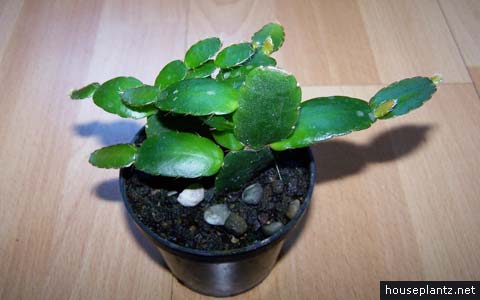
There’s a primal satisfaction in splitting a cactus, in watching a single pad or stem transform into a future forest. This fascination isn’t merely horticultural—it’s existential. Cacti, with their defiance of conventional growth, mirror our own desires to regenerate, to start anew. Yet, this act of creation is fraught with silent saboteurs. The first mistake? Underestimating the fragility of the fragment. A cactus cutting isn’t just a piece of plant; it’s a lifeline, a bridge between past and future. Treat it with the reverence of a newborn, and you’ll be rewarded with tenfold growth.
Root Rot: The Silent Assassin of Cactus Dreams
Nothing dismantles propagation hopes faster than root rot—a creeping, insidious decay that begins with a whisper and ends in collapse. The culprit? Overzealous watering. Cacti, those children of arid landscapes, have no patience for soggy soil. Their roots, designed to seek moisture in the barest of crevices, drown in excess. The fix? Patience. Let the soil dry completely between waterings, and ensure your container has drainage holes deeper than the Mariana Trench. A cactus cutting should never sit in water; it should merely sip, like a desert traveler at a mirage.
The Perils of Premature Separation: When to Divide and Conquer
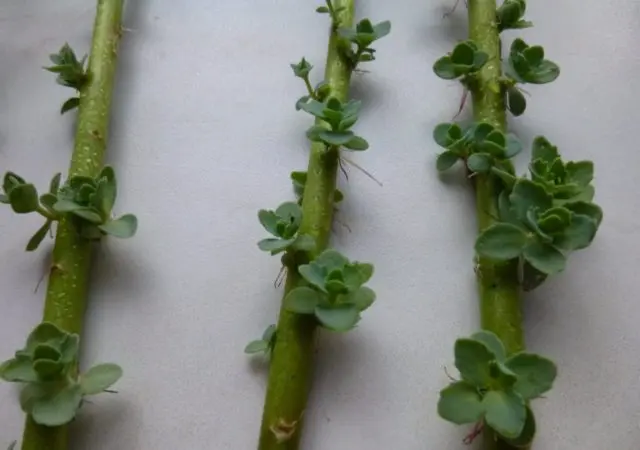
Timing isn’t just a suggestion in cactus propagation—it’s a survival tactic. Separating offsets or cuttings too soon is like sending a toddler into the world without a map. The mother plant must be mature enough to part with its offspring without strain. Look for offsets that are at least a third the size of the parent, with their own rudimentary roots. If you’re working with a cutting, let the wound heal—a process called callusing—before introducing it to soil. This isn’t procrastination; it’s strategic resilience.
Soil Sabotage: The Wrong Medium and the Wrong Message
Not all soil is created equal, and a cactus’s disdain for dense, moisture-retentive earth is legendary. The ideal medium? A gritty, airy blend that mimics the cactus’s native terrain. Think coarse sand, perlite, and a whisper of organic matter—never peat-heavy mixes that cling like a wet blanket. The wrong soil doesn’t just stunt growth; it invites rot, pests, and a slow, suffocating demise. Invest in a mix designed for succulents, or craft your own with the precision of a chemist. Your cactus’s roots will thank you with vigorous, upward growth.
Light: The Double-Edged Sword of Propagation
Sunlight is the lifeblood of photosynthesis, but for a tender cutting, it can be a death sentence. Direct, unfiltered light is the equivalent of throwing a seedling into the Sahara midday. Instead, provide bright, indirect light—a sunbeam filtered through a sheer curtain, or the dappled shade of a patio. If you’re growing indoors, supplement with a grow light, but keep it at a distance. The goal isn’t to scorch; it’s to coax, to nurture. Remember, even the sunniest desert has its shadows.
The Overwatering Obsession: A Cultural Misstep
We’ve been conditioned to believe that more water equals more love, but cacti operate on a different frequency. Their watering needs are not a daily ritual but a seasonal one. In the dormant winter months, they barely need a drop. In the growing season, water deeply but infrequently—until the soil is parched, then drench it, then walk away. The signs of overwatering are subtle at first: a soft, mushy stem, a color shift from vibrant green to sickly yellow. By the time you notice, the damage may already be done. Listen to the cactus’s silent pleas; it’s telling you when it’s thirsty.
Pests: The Uninvited Guests Who Overstay Their Welcome
Even the most vigilant propagator can fall prey to mealybugs, scale, or spider mites—those tiny, tenacious squatters who see a fresh cutting as an all-you-can-eat buffet. Prevention is key: inspect new plants like a detective, quarantine cuttings, and keep your tools sterile. If pests strike, act swiftly with neem oil or insecticidal soap, but avoid harsh chemicals that can further stress your plant. The goal isn’t eradication but balance—a harmonious coexistence where your cactus thrives, and the pests learn their place.
The Psychological Trap: When Attachment Clouds Judgment
There’s a fine line between devotion and delusion in propagation. We become emotionally invested in our cuttings, willing them to root, to grow, to flourish. But attachment can blind us to the signs of distress. A cutting that isn’t taking? It’s not a personal failure. It’s a lesson. The most successful propagators aren’t those who never fail; they’re the ones who learn from each misstep. Let go of the need for control. Nature has its own timeline, and sometimes, the most profound growth comes from the humblest beginnings.
Conclusion: The Art of Letting Go
Propagating cacti is less about mastery and more about partnership. It’s a dance with patience, a dialogue with resilience. The mistakes we make aren’t failures; they’re the soil in which wisdom grows. So the next time you split a pad or nestle a cutting into fresh soil, remember: you’re not just growing a plant. You’re cultivating a philosophy—one of endurance, adaptability, and quiet, unyielding strength. And in a world that often demands instant gratification, that’s a revolution in itself.
FAQ
What is the most common mistake in cactus propagation?
The most common mistake is overwatering, which can lead to root rot.
How can I prevent root rot in cactus cuttings?
Ensure that the soil dries completely between waterings and use pots with drainage holes.
What type of soil is best for propagating cacti?
A gritty, well-draining mix is ideal, avoiding peat-heavy soils.



Leave a Reply