
Short Answer
Imagine a cactus thriving not just as a survivor, but as a flourishing centerpiece in your home or garden. The secret isn’t just in the care you provide—it’s in the very vessel that cradles its roots. Pots for cacti aren’t merely containers; they’re lifelines, microclimates, and silent architects of growth. Choosing the right material can mean the difference between a prickly pear that languishes and one that radiates vitality. Let’s embark on a journey through the world of cactus pots, where every material tells a story of resilience, adaptation, and unexpected beauty.
The Terracotta Paradox: Why the Old-School Favorite Still Rules
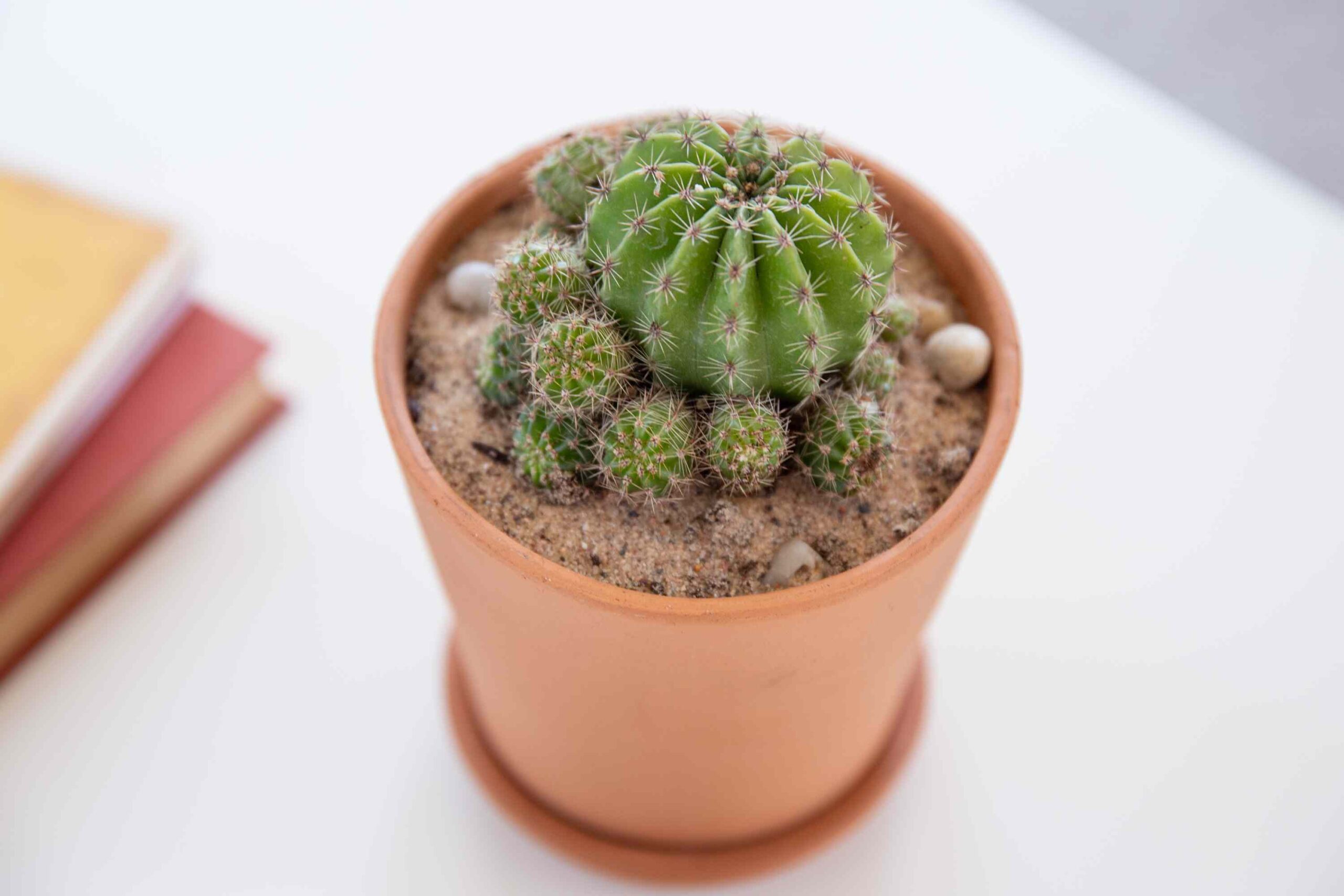
Terracotta isn’t just clay—it’s a breath of fresh air for cacti. Its porous nature whispers to the plant, allowing moisture to evaporate slowly, preventing the dreaded root rot that plagues so many succulent enthusiasts. But here’s the twist: terracotta isn’t just practical; it’s a living dialogue between plant and pot. The material wicks away excess water while simultaneously pulling oxygen to the roots, creating an environment where cacti can stretch their spines without fear. And let’s not overlook the aesthetic alchemy—terracotta’s earthy hues and rustic texture transform a simple cactus into a sculptural masterpiece. The catch? In humid climates, terracotta can become a sponge, soaking up too much moisture. But for arid-loving cacti, it’s a match made in desert heaven.
Plastic: The Unassuming Workhorse with Hidden Depths
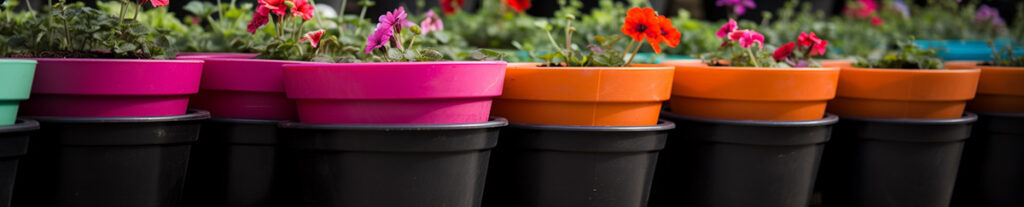
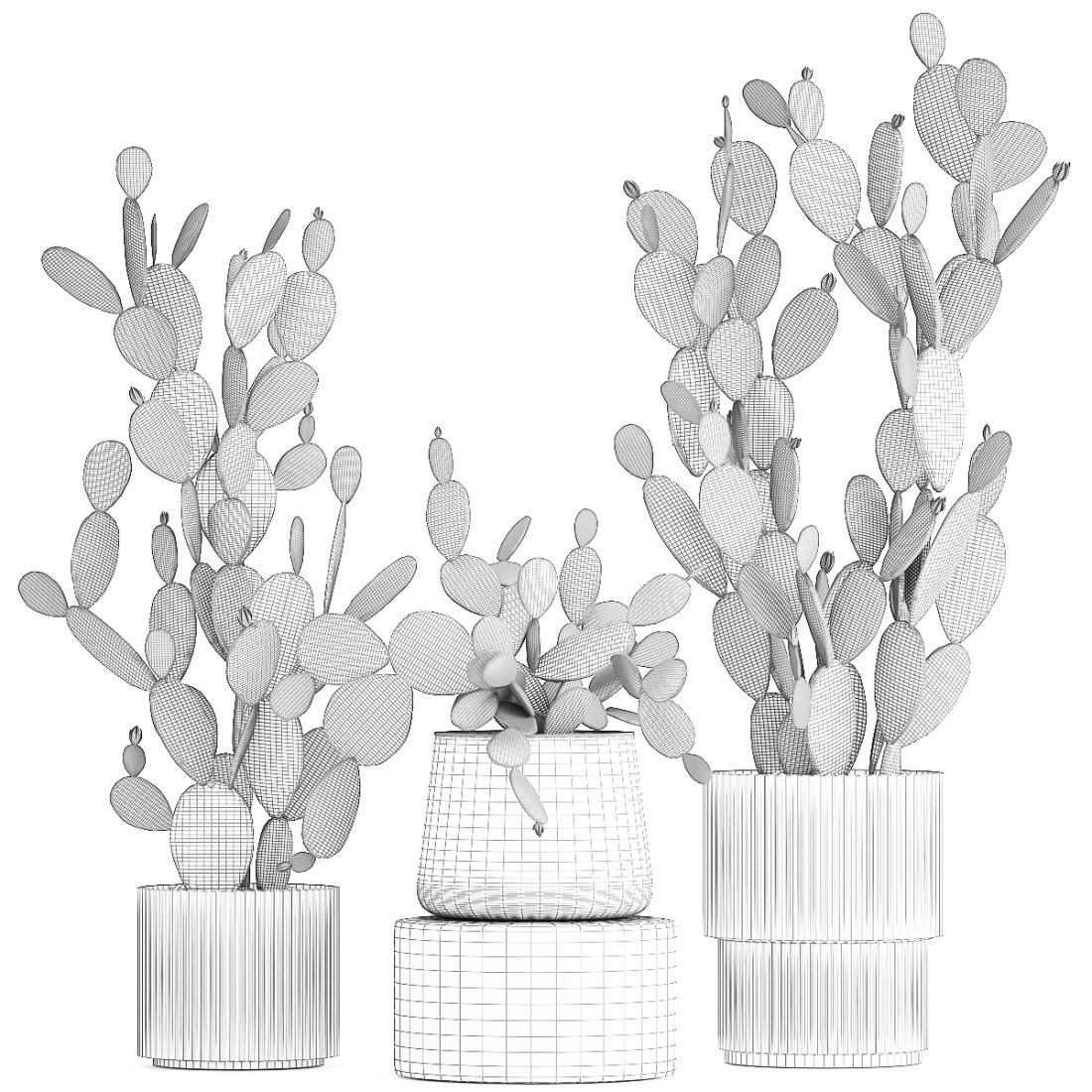
Plastic pots are the unsung heroes of the cactus world. Lightweight, affordable, and endlessly customizable, they’re the go-to for beginners and experts alike. But here’s where it gets interesting: modern plastics are engineered to mimic the breathability of terracotta while retaining moisture just enough to keep roots happy without drowning them. Some high-end plastics even incorporate UV inhibitors, shielding cacti from the harshest sunlight while preventing the pot itself from becoming a brittle relic. And let’s talk versatility—plastic pots come in every shape, size, and color imaginable, from sleek minimalist cylinders to whimsical geometric designs. The downside? Poor drainage holes or low-quality plastic can trap moisture, turning your cactus’s home into a stagnant swamp. But when chosen wisely, plastic pots are the Swiss Army knives of cactus cultivation.
Ceramic: Where Artistry Meets Horticulture
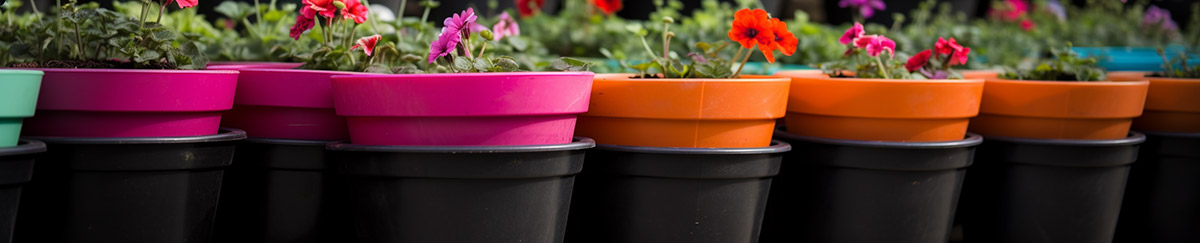
Ceramic pots are the haute couture of the cactus world—elegant, durable, and often breathtakingly beautiful. Glazed ceramics create a watertight seal, making them ideal for moisture-loving cacti or those in less arid environments. Unglazed ceramics, on the other hand, strike a balance between terracotta’s breathability and plastic’s moisture retention. But the real magic lies in the craftsmanship. Hand-painted motifs, intricate carvings, and bold colors transform a simple cactus into a statement piece. However, ceramic’s weight can be a double-edged sword—while it anchors tall cacti against toppling, it also makes them nearly immovable. And in colder climates, unglazed ceramics can crack under frost’s cruel grip. Yet, for those willing to invest, ceramic pots are a love letter to both plant and space.
Fiberglass and Resin: The Modern Mavericks
Fiberglass and resin pots are the rebels of the cactus pot universe. Lightweight yet sturdy, they defy the traditional weight of ceramic and the fragility of terracotta. These materials can be molded into avant-garde shapes—think asymmetrical bowls, modular systems, or even pots that mimic the texture of wood or stone. Their non-porous surfaces resist stains and cracks, making them a dream for indoor cactus enthusiasts. But here’s the kicker: fiberglass and resin can be engineered to regulate temperature, keeping roots cool in scorching summers and warm in chilly winters. The trade-off? They lack the natural breathability of terracotta, so drainage becomes non-negotiable. For the cactus connoisseur who craves innovation, these materials are a revelation.
Metal: The Bold and the Beautiful (But Handle with Care)
Metal pots are the divas of the cactus world—striking, durable, and undeniably glamorous. Copper, brass, and stainless steel pots add a touch of industrial chic to any space, their reflective surfaces bouncing light onto your cactus like a spotlight. But metal isn’t just about aesthetics; it’s a thermal conductor, warming up in the sun and cooling rapidly at night. This can be a boon in temperate climates but a curse in extreme heat or cold, where temperature swings stress the plant. To mitigate this, opt for metal pots with insulating liners or place them in shaded areas. And beware of rust—unless you’re going for a rustic, weathered look, choose corrosion-resistant metals like aluminum or powder-coated steel. When paired with the right cactus, metal pots become more than containers; they’re conversation starters.
Biodegradable Pots: The Eco-Conscious Choice
In a world drowning in plastic, biodegradable pots offer a lifeline—not just for the planet, but for your cactus. Made from coconut coir, peat moss, rice hulls, or even cow manure, these pots decompose naturally, reducing waste while nourishing the soil as they break down. They’re perfect for cacti that need repotting, as the entire pot can be planted directly into the ground or a larger container. But here’s the catch: biodegradable pots retain moisture longer than terracotta, so they’re best suited for cacti that prefer slightly more humidity. And while they’re not as durable as plastic or ceramic, their environmental benefits make them a guilt-free indulgence. For the green-thumbed eco warrior, these pots are a small step toward a greener future.
Hybrid Materials: The Best of All Worlds
Why choose one material when you can have the best of all? Hybrid pots combine the strengths of terracotta, plastic, ceramic, and even metal to create the ultimate cactus habitat. Imagine a pot with a terracotta exterior for breathability and a plastic interior for moisture control. Or a ceramic pot with a fiberglass liner to prevent cracking. These innovative designs are pushing the boundaries of what a cactus pot can be—durable, functional, and stunning. The downside? Hybrid pots can be pricey, and their complexity sometimes comes with maintenance quirks. But for those who refuse to compromise, they’re a game-changer.
The Silent Guardian: Drainage Holes and Their Unsung Role
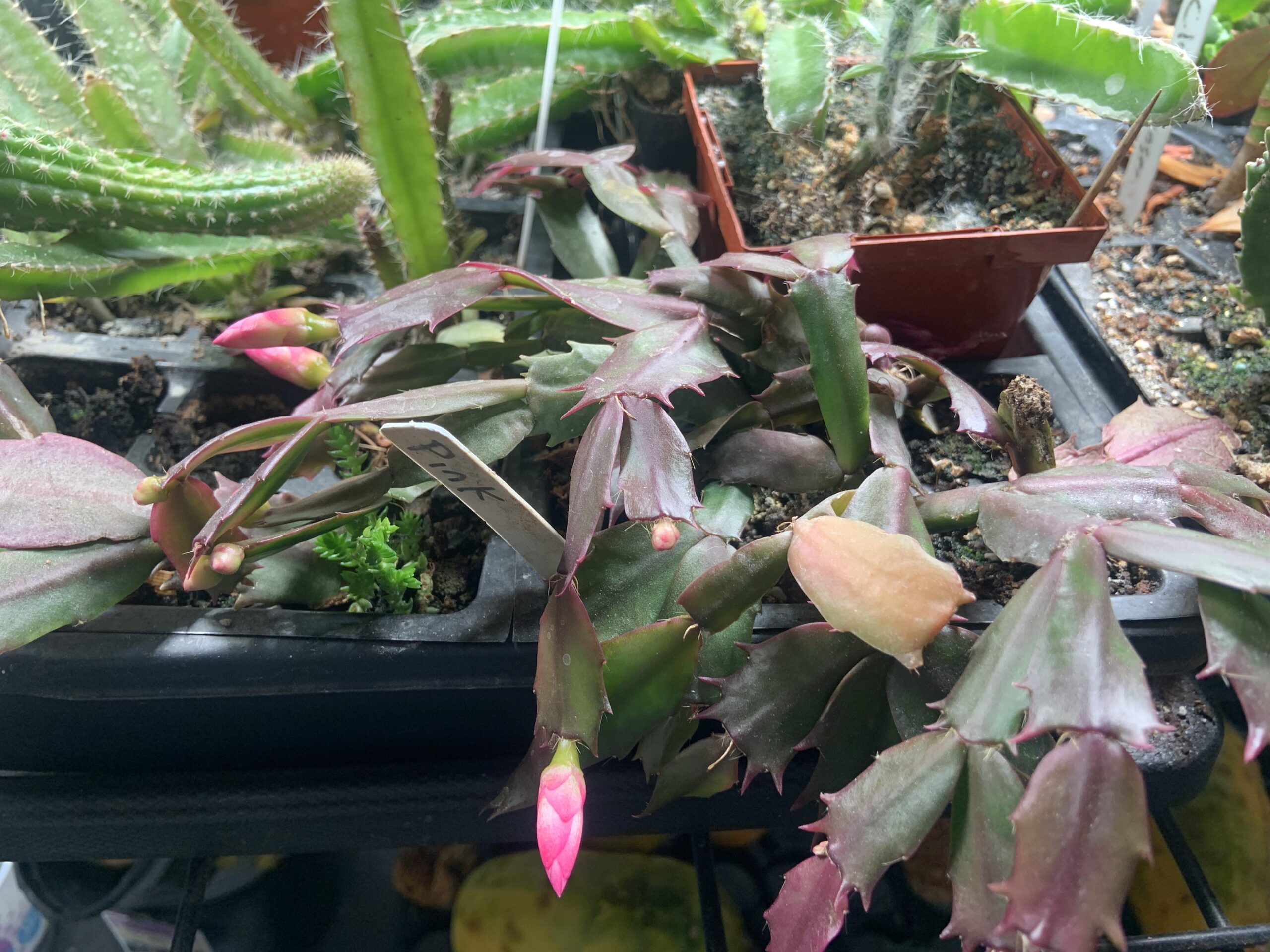
No matter the material, drainage holes are the unsung heroes of cactus cultivation. They’re the difference between a thriving plant and a mushy mess. But here’s the twist: not all drainage holes are created equal. Some pots have a single hole, while others feature a grid of tiny slits. Some are hidden beneath the pot, while others are proudly displayed. The key is to match the drainage system to your cactus’s needs. Desert dwellers like prickly pears and saguaros need ample drainage to prevent rot, while jungle cacti like Christmas cacti prefer slightly more moisture. And don’t forget the saucers—while they catch excess water, they can also trap humidity if left to sit. The right drainage setup turns a pot into a sanctuary, not a death trap.
Final Thoughts: The Pot as a Partner in Growth
Choosing the right pot for your cactus isn’t just about aesthetics—it’s about creating a partnership between plant and vessel. Each material offers unique benefits, from terracotta’s breathability to plastic’s versatility, ceramic’s elegance, and metal’s boldness. But the real magic happens when you align the pot’s properties with your cactus’s needs. A well-chosen pot doesn’t just hold a plant; it nurtures it, protects it, and elevates it. So the next time you bring a cactus into your home, ask yourself: what story do you want this pot to tell? The answer might just transform your prickly friend into a thriving masterpiece.
FAQ
What is the best material for cactus pots?
Terracotta is often favored for its breathability, but plastic and ceramic also have their advantages depending on the cactus type and environmental conditions.
Why is drainage important in cactus pots?
Drainage is crucial to prevent root rot, which can occur if cacti sit in excess moisture.
Leave a Reply