
Short Answer
Ever stared at a spiky, stoic cactus and wondered, “How on earth do I coax life from this prickly enigma?” Propagating cacti isn’t just a gardening task—it’s a delicate dance with nature’s rhythms, a test of patience, and a celebration of resilience. But here’s the rub: timing isn’t just important; it’s everything. Miss the mark, and your little green experiment might wilt before it even begins. So, when *is* the best time to propagate cacti? Buckle up, fellow plant whisperers—we’re about to unravel the seasonal secrets that turn propagation from a gamble into a triumph.
The Golden Window: Spring’s Awakening
Picture this: the world is thawing, the sun is lengthening its embrace, and your cactus is stirring from its winter slumber like a bear emerging from hibernation. Spring is the cactus world’s equivalent of New Year’s Day—a time of renewal, vigor, and unbridled growth potential. This is when your spiky charges are primed to root, branch out, and multiply with gusto. Why? Because spring’s moderate temperatures and increased daylight trigger a surge of hormonal activity, priming the plant for cell division and root development. Attempt propagation in spring, and you’re essentially hitting the biological “go” button at the perfect moment.
But don’t just leap into action the moment the first daffodil blooms. Wait for soil temperatures to climb above 60°F (15°C). Cacti are desert dwellers at heart, and they despise cold, damp conditions. A chilly start can spell rot before roots even think about forming. Instead, let the earth warm up naturally—think late March to early May in most temperate climates. Your cuttings will thank you with enthusiastic root growth, and you’ll avoid the heartbreak of a soggy demise.
The Peril of Premature Propagation: Winter’s Trap
Now, imagine the opposite scenario: a biting winter wind howls outside, your cactus is in full hibernation mode, and you’re itching to snip a piece for propagation. Stop right there. Winter is the cactus equivalent of a bear’s cave—dark, cold, and metabolically sluggish. Propagating in these conditions is like trying to teach a sloth to sprint; it’s just not happening. The plant’s energy reserves are low, its growth hormones are dormant, and any cuttings you take are essentially stranded in a biological wasteland.
Worse still, winter’s damp chill can invite fungal gatecrashers to the party. Cacti are prone to rot, and a cold, wet cutting is a fungal buffet waiting to happen. If you’re tempted to propagate in winter, resist the urge. Instead, use this time to research, plan, and maybe even propagate in your mind (yes, that’s a thing). Come spring, your cactus will reward your patience with explosive growth.
Summer’s Sizzle: A Double-Edged Sword
Summer arrives with a sizzle, and so does the temptation to propagate. After all, the sun is blazing, the days are long, and your cactus is basking in its glory. But here’s the catch: summer’s intensity can be a cactus’s worst enemy. High temperatures and scorching sunlight can stress cuttings before they’ve even had a chance to root. Imagine being plopped into a sauna with no water—it’s not exactly a recipe for success.
That said, summer isn’t all doom and gloom. If you’re propagating in a controlled environment—think a greenhouse or a shaded patio—you can harness the season’s energy without the drawbacks. The key is to avoid direct midday sun, which can scorch tender new growth. Instead, opt for morning light or dappled shade. Keep the soil lightly moist (but never soggy) and provide gentle airflow to prevent rot. With these precautions, summer propagation can yield impressive results, especially for fast-growing species like the prickly pear.
Autumn’s Gentle Decline: A Hidden Gem
Autumn is the unsung hero of cactus propagation—a season of transition, subtlety, and understated potential. As temperatures cool and daylight wanes, cacti begin to slow their growth, but they don’t shut down entirely. This makes autumn an ideal time to propagate species that aren’t overly sensitive to cooler conditions. The advantage? Less stress on the parent plant and a gentler environment for cuttings to take root.
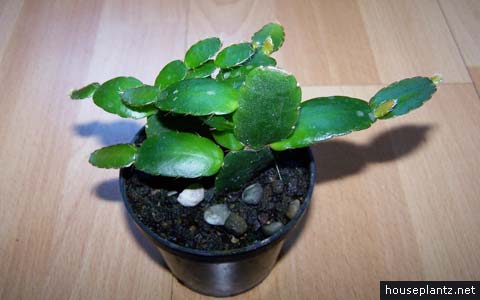
However, autumn propagation requires finesse. Aim for early fall, before the first frost, to give your cuttings enough time to establish roots before winter’s chill sets in. Choose a warm, sheltered spot—perhaps near a south-facing window or under grow lights—and maintain consistent moisture without overwatering. Species like the Christmas cactus thrive in autumn propagation, their holiday namesake a clue to their seasonal preferences. Embrace the season’s mellow vibes, and you might just find autumn to be your propagation sweet spot.
The Microclimate Factor: Tailoring Timing to Your Space
Here’s where things get interesting: your local microclimate can turn the rules of propagation on their head. A cactus in a dry, sunny windowsill in Arizona will have entirely different needs than one in a humid, shaded corner of a Seattle apartment. Pay attention to your environment’s quirks. Is your space perpetually drafty? Does your cactus bake in afternoon sun? Adjust your timing accordingly. For instance, if you live in a region with mild winters, you might stretch the propagation window into early spring. Conversely, in tropical climates, you could propagate year-round—just keep an eye on humidity levels.
Don’t forget the power of observation. If your cactus is already showing signs of new growth, it’s likely primed for propagation, regardless of the calendar. Trust your instincts. Nature’s cues often speak louder than any gardening guide.
Species-Specific Strategies: Not All Cacti Are Created Equal
Let’s get specific. Not all cacti play by the same rules. The regal saguaro, for example, is a slow and steady tortoise in the propagation race, while the zippy zebra cactus (Haworthia attenuata) is more of a hare, rooting with surprising speed. Research your species’ natural habitat and growth patterns. Desert dwellers like the barrel cactus prefer spring propagation, while jungle cacti (yes, they exist!) thrive in warmer, more humid conditions year-round.
Some cacti, like the prickly pear, are forgiving and will root in almost any season if given the right care. Others, like the delicate moon cactus, demand precision timing and a controlled environment. Know your plant’s personality, and you’ll know when to strike.
The Root of the Matter: Patience and Persistence
Finally, remember that propagation is as much an art as it is a science. Even with perfect timing, some cuttings will take longer to root than others. Don’t rush the process. A cactus that’s still stubbornly refusing to root after six weeks isn’t a failure—it’s just biding its time. Keep the soil lightly moist, provide indirect light, and resist the urge to prod it awake. When roots finally emerge, you’ll feel like a plant midwife who’s just delivered a miracle.
So, when’s the best time to propagate cacti? The answer, as with most things in life, is: it depends. But armed with seasonal insights, species knowledge, and a dash of patience, you’re well on your way to turning those spiky enigmas into thriving, multiplying colonies of green joy. Now, go forth and propagate—your cactus empire awaits.
FAQ
When is the best time to propagate cacti?
The best time to propagate cacti is in spring, but autumn can also be suitable for certain species.
What conditions are ideal for cactus propagation?
Cacti thrive in warm, dry conditions with well-drained soil.
Can I propagate cacti in winter?
It's not recommended, as cacti are dormant and more prone to rot in cold, damp conditions.



Leave a Reply