
Short Answer
Imagine a world where water is scarcer than gold, where the sun sears the earth with relentless ferocity, and where life persists against all odds. This is the realm of the cactus—a botanical marvel that thrives where most flora wither. Yet, beyond their prickly exteriors and stoic resilience, cacti are the unsung architects of biodiversity in some of Earth’s most unforgiving landscapes. They are not mere survivors; they are keystone species, ecosystem engineers, and silent benefactors of countless organisms. From the saguaros that punctuate the Sonoran Desert like sentinels of time to the humble prickly pear that carpets the arid plains, cacti are the linchpins of desert ecosystems. Their role is so profound that without them, the intricate web of life in these regions would unravel. Let’s embark on a journey to uncover how these spiny titans shape biodiversity, sustain food chains, and redefine our understanding of resilience in nature.
The Cactus as a Hydrological Oasis: Water Storage and Microhabitat Creation
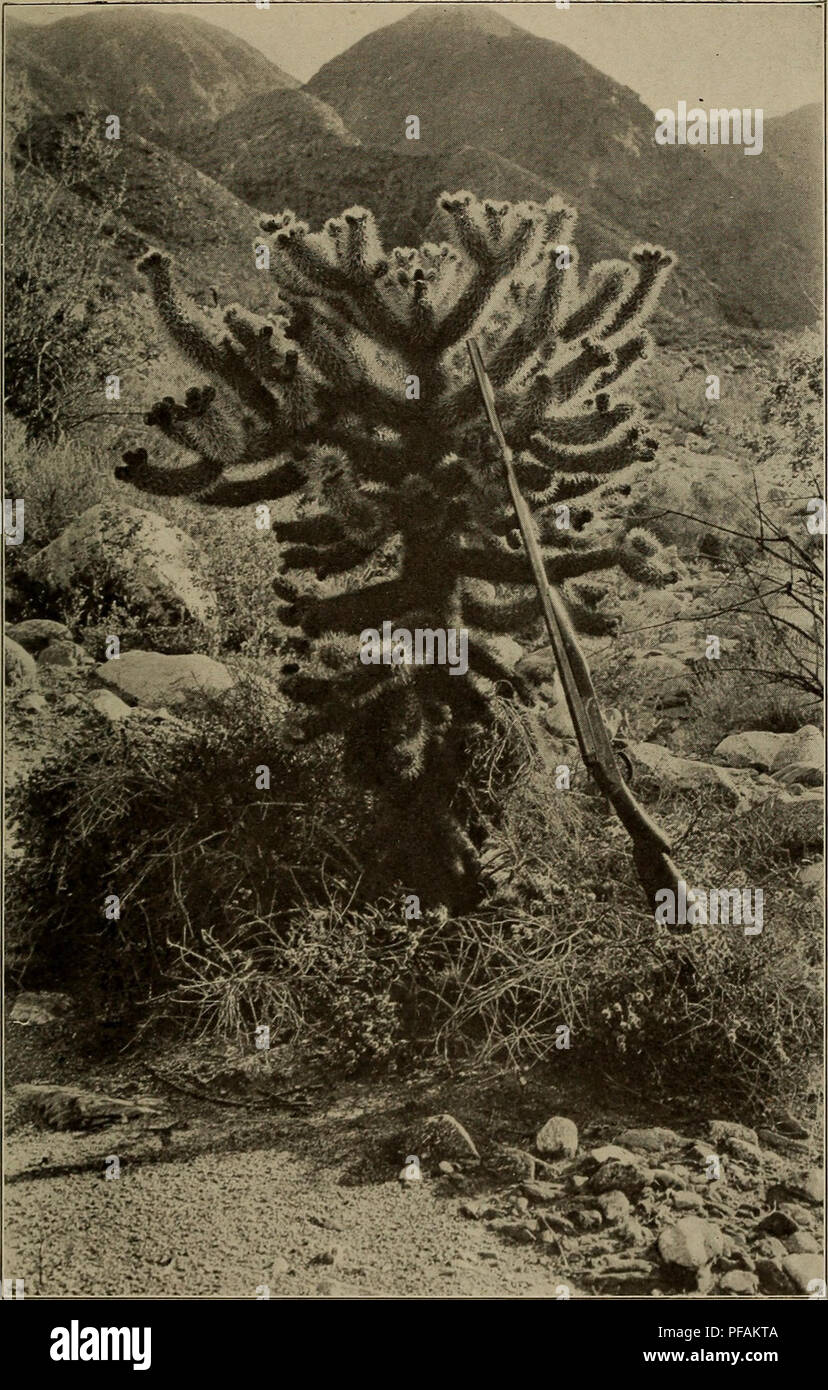
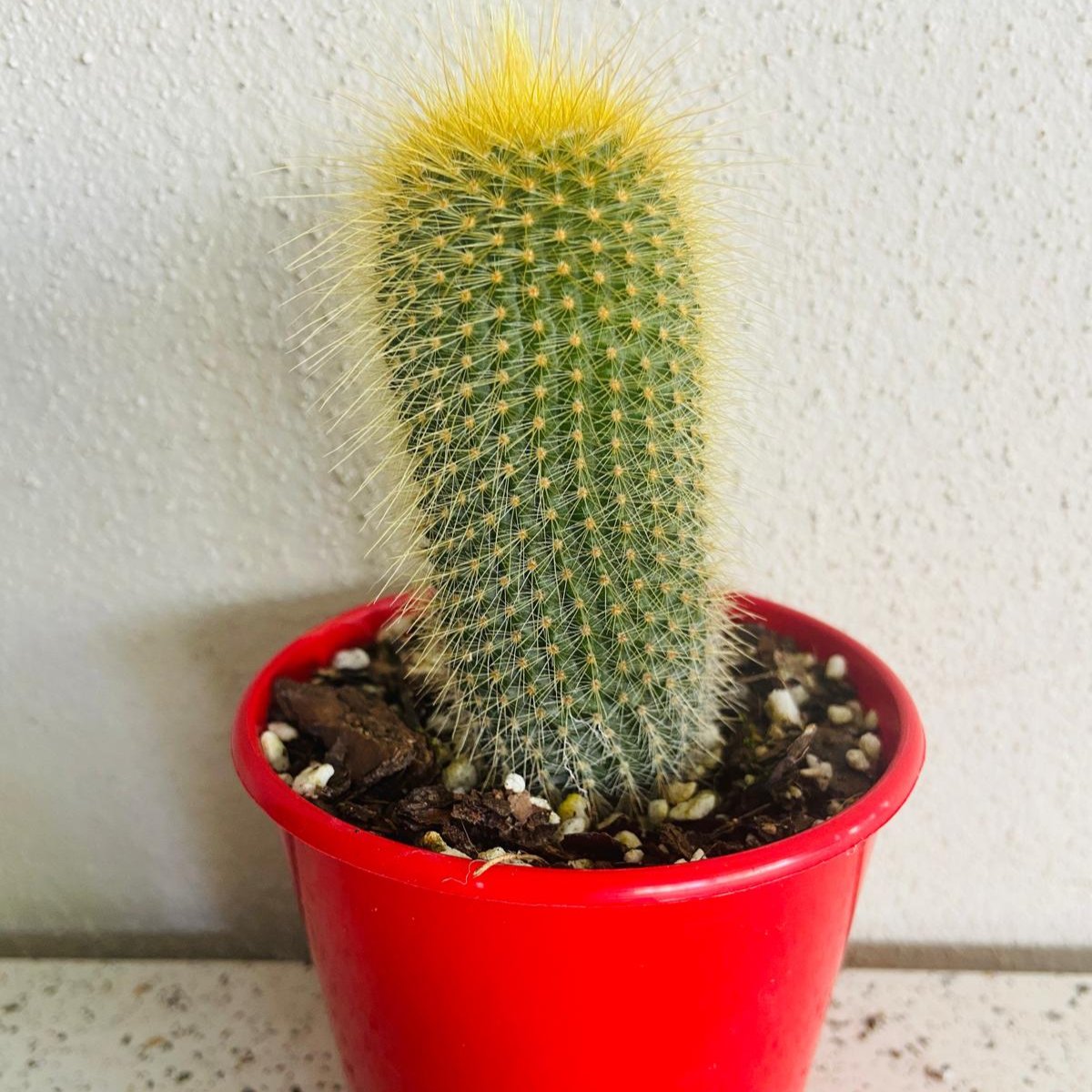
At the heart of a cactus’s ecological prowess lies its ability to hoard water. Unlike most plants, cacti have evolved a succulent strategy, storing vast quantities of water in their fleshy stems—a trait that transforms them into living reservoirs in arid environments. This water-holding capacity does more than just quench the cactus’s own thirst; it creates microhabitats that sustain a surprising array of life. In the crevices of a saguaro’s ribbed trunk, for instance, moisture condenses overnight, forming tiny dew droplets that trickle down to nourish insects, amphibians, and even small mammals. The cactus’s spines, often dismissed as mere defensive mechanisms, also play a subtle yet critical role. They trap wind-blown detritus—leaves, seeds, and organic matter—which decomposes into nutrient-rich soil, fostering the growth of lichens, mosses, and fungi. These miniature ecosystems, in turn, become feeding grounds for beetles, ants, and birds, illustrating how a single cactus can be a bustling metropolis of life in a landscape that appears barren at first glance.
Pollination Partners: The Cactus’s Dance with Desert Fauna
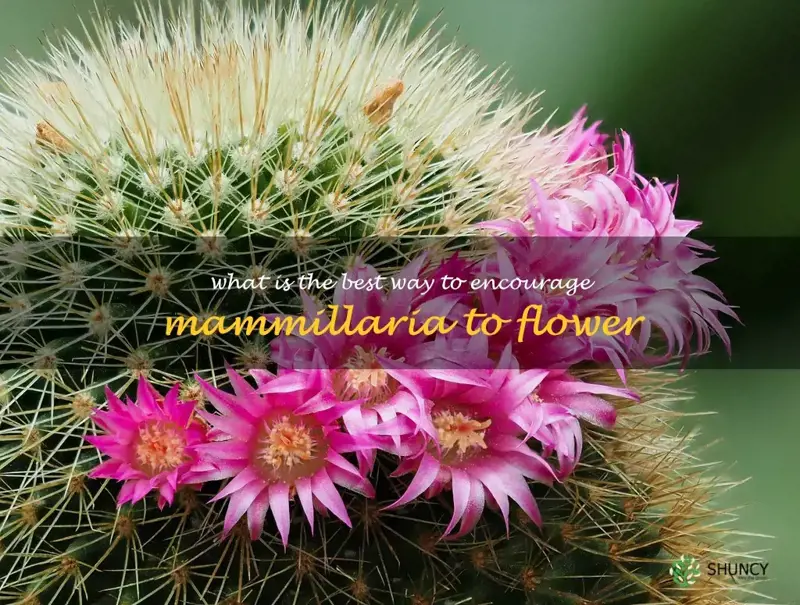
Cacti are not solitary entities; they are deeply entangled in the lives of their pollinators. Their flowers, often vibrant and fragrant, are beacons for a diverse cast of creatures—bees, bats, hummingbirds, and even certain moths—each playing a unique role in the cactus’s reproductive saga. Take the night-blooming cereus, for example. Its ephemeral white blossoms unfurl under the moonlight, emitting a sweet, intoxicating scent that lures long-tongued bats. As these nocturnal foragers dip into the flower’s nectar, their faces become dusted with pollen, which they transfer to the next bloom they visit. This mutualistic relationship is a masterclass in co-evolution, where the cactus provides sustenance in exchange for pollination services. But the story doesn’t end there. Some cacti, like the prickly pear, have evolved to attract multiple pollinators simultaneously. Their flowers offer nectar to bees during the day and to moths at dusk, ensuring a steady stream of visitors. This redundancy in pollination strategies not only secures the cactus’s reproductive success but also sustains the populations of its pollinators, creating a ripple effect that bolsters the entire desert food web.
Food Web Foundations: Cacti as the Bedrock of Desert Nutrition
In the harsh calculus of desert survival, cacti are the ultimate providers. Their pads, fruits, and seeds are caloric goldmines for herbivores, omnivores, and even apex predators. Consider the desert tortoise, a gentle giant that relies on cactus pads as a primary food source, especially during droughts when other vegetation withers. The tortoise’s digestion, in turn, aids in seed dispersal, ensuring that cacti propagate across vast distances. Similarly, the Gila woodpecker carves out cavities in saguaro cacti, not just for nesting but also to feast on the cactus’s inner flesh. These abandoned cavities then become sanctuaries for owls, kestrels, and even snakes, transforming the cactus into a high-rise apartment complex for desert wildlife. Even the cactus’s fruit—a juicy, nutrient-dense bounty—is a magnet for creatures great and small. Coyotes, javelinas, and birds all partake in this seasonal feast, their digestive systems carrying cactus seeds far and wide. In this way, cacti are the linchpins of desert food chains, their energy cascading through trophic levels and sustaining life in ways that are both visible and invisible.
Soil Stewards: Cacti’s Role in Erosion Control and Nutrient Cycling
Beneath the surface, cacti are silent engineers, reshaping the very ground they stand on. Their extensive root systems, which sprawl outward rather than plunging deep, act as natural erosion control. In flash-flood-prone deserts, these roots bind the soil, preventing the devastating loss of topsoil that can turn fertile land into a wasteland. Moreover, cacti contribute to nutrient cycling in ways that are often overlooked. As their leaves and stems senesce, they decompose, enriching the soil with organic matter. This process is accelerated by the actions of decomposers—bacteria, fungi, and arthropods—that thrive in the cactus’s shadow. The result is a localized enrichment of the soil, creating fertile pockets where other plants can take root. This phenomenon is particularly evident in the aftermath of a cactus’s death. A fallen saguaro, for instance, becomes a nutrient hotspot, attracting scavengers and decomposers that break down its tissues and release minerals back into the ecosystem. In this way, cacti are the unsung gardeners of the desert, nurturing the land for generations to come.
Cultural and Ecological Symbiosis: Indigenous Wisdom and Modern Conservation
The relationship between cacti and humans is as old as civilization itself. Indigenous communities across the Americas have long revered cacti not just as a source of food and medicine but as sacred symbols of resilience and adaptability. The prickly pear, for instance, has been a dietary staple for the Aztecs and the Native American tribes of the Southwest, its pads and fruits providing vital sustenance during lean times. Today, this ancient wisdom is informing modern conservation strategies. Agave and cactus farming, once a subsistence practice, is now being scaled up to combat desertification and provide sustainable livelihoods. Moreover, the study of cactus ecology is offering insights into climate resilience. As global temperatures rise and arid regions expand, cacti’s ability to thrive in extreme conditions makes them model organisms for understanding how life adapts to climate change. By protecting cactus habitats, we are not just preserving biodiversity; we are safeguarding a blueprint for survival in a warming world.
The Future of Cactus-Dominated Ecosystems: Challenges and Opportunities
Yet, the future of cacti and the ecosystems they support is not without its shadows. Climate change, habitat destruction, and invasive species pose existential threats to these botanical titans. Prolonged droughts, exacerbated by global warming, can push cacti past their physiological limits, while urban sprawl and agriculture encroach upon their native ranges. Invasive grasses, such as buffelgrass, outcompete native cacti for resources and increase the risk of catastrophic wildfires, which can incinerate entire populations in a matter of hours. However, where there are challenges, there are also opportunities. Conservationists are turning to innovative techniques, such as seed banking and assisted migration, to protect vulnerable cactus species. Meanwhile, ecotourism initiatives are highlighting the ecological and cultural significance of cacti, fostering a new generation of stewards. The story of cacti is far from over; it is a narrative of adaptation, resilience, and interdependence—a testament to nature’s ingenuity in the face of adversity.
FAQ
What role do cacti play in ecosystems?
Cacti serve as keystone species in desert ecosystems, providing food, water, and habitat for various organisms.
How do cacti support biodiversity?
Cacti create microhabitats, attract pollinators, and serve as food sources, thus sustaining a diverse range of life forms.
FAQ
What role do cacti play in desert ecosystems?
Cacti serve as keystone species in desert ecosystems, providing water storage, food sources, and habitat for various organisms, thus supporting biodiversity.
How do cacti contribute to soil health?
Cacti enhance soil health by preventing erosion, contributing organic matter through decomposition, and creating nutrient-rich microhabitats.



Leave a Reply