
Short Answer
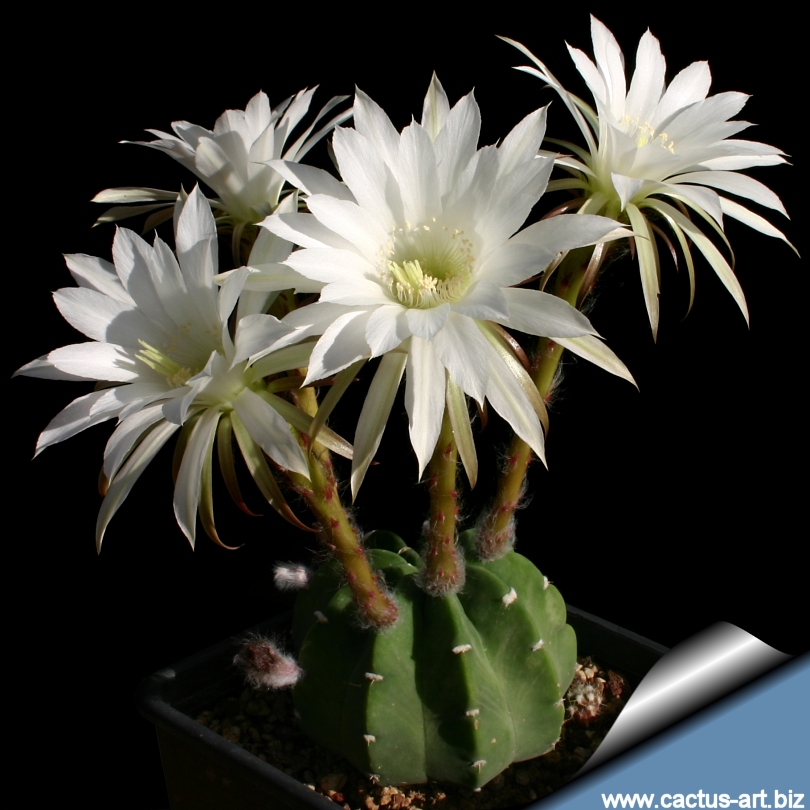
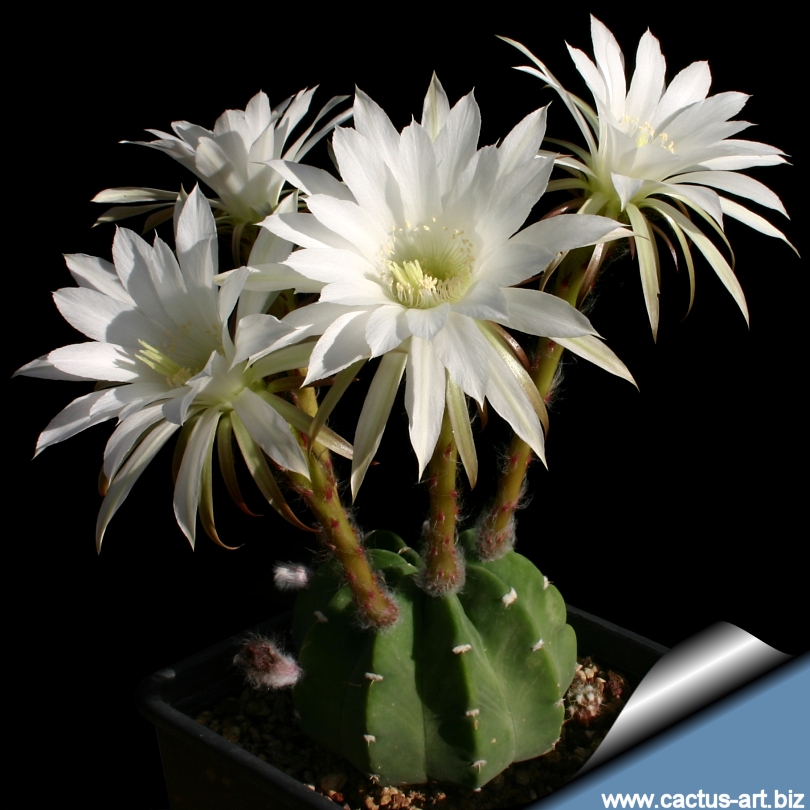
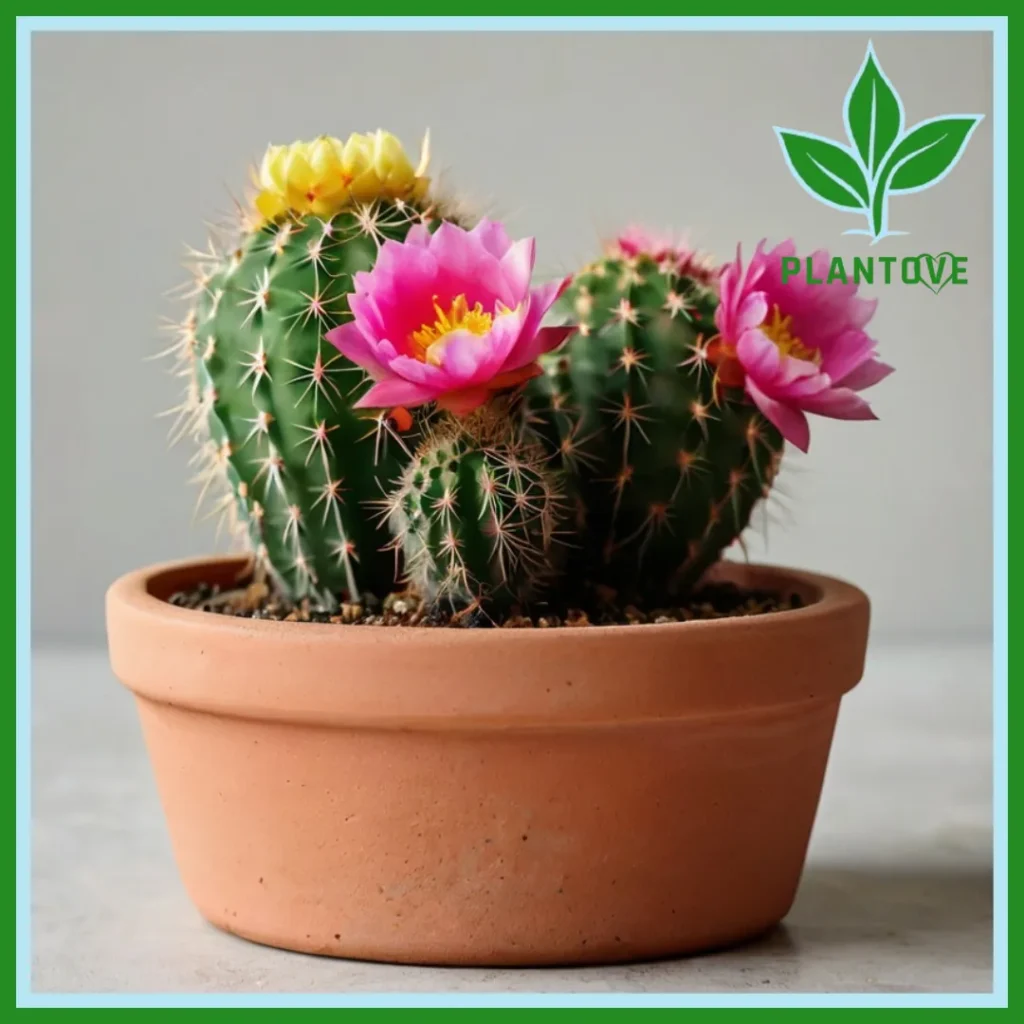
Few sights evoke the quiet magic of desert flora quite like the resplendent blooms of the Echinopsis cactus. Known for their surprising and spectacular blossoms, these succulents turn desert landscapes into vivid canvases painted with nature’s artistry. However, coaxing an Echinopsis to flower can be a nuanced endeavor, requiring both patience and informed care. If you’ve ever wondered how to transform your spiny companion into a flowering spectacle, this comprehensive guide will illuminate every facet of encouraging flowering in Echinopsis, from environmental priming to precise cultural practices.
Understanding the Flowering Cycle of Echinopsis
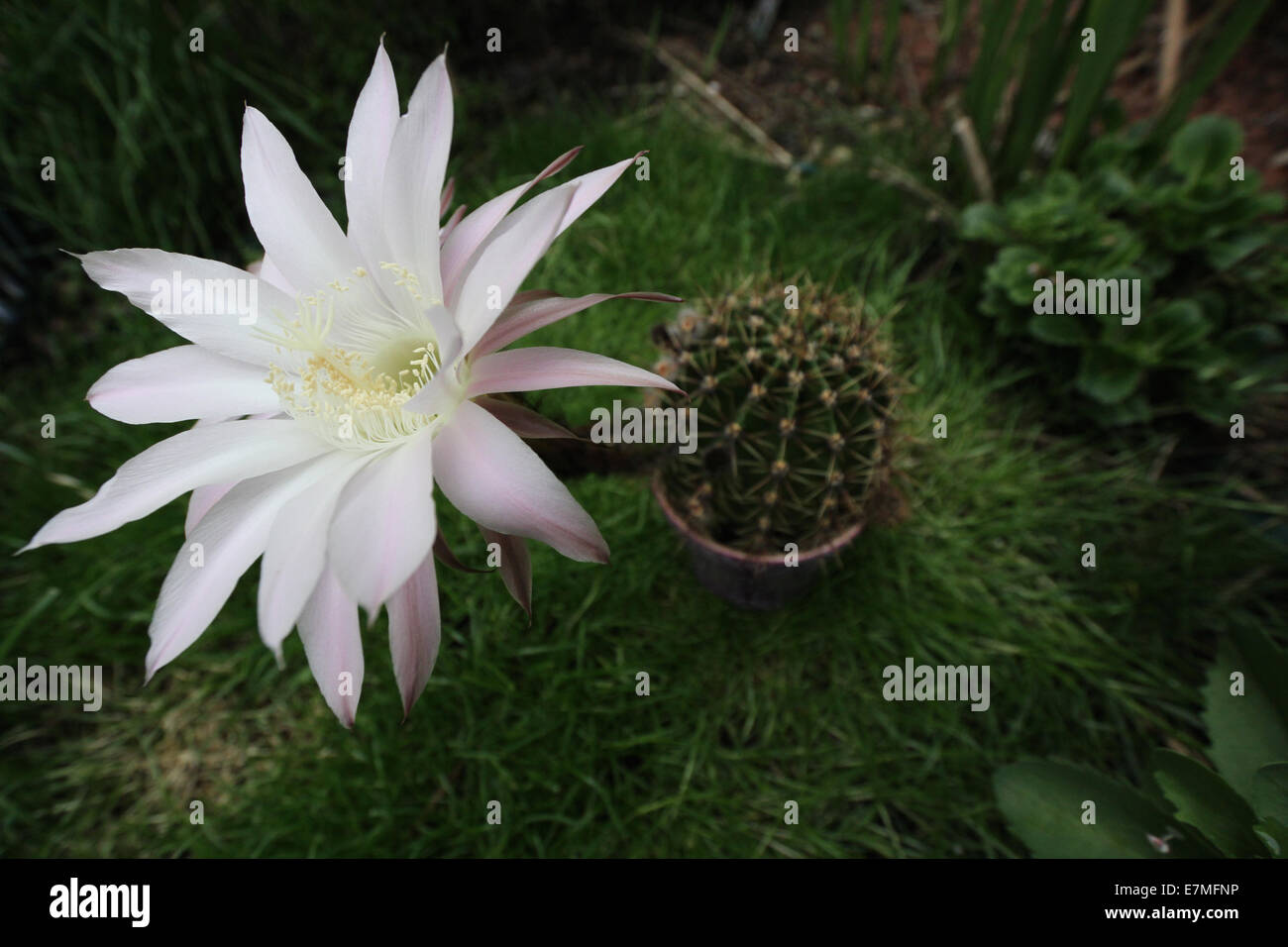
Before diving into cultivation techniques, it’s essential to grasp the biological rhythms that dictate when and how Echinopsis flowers. These cacti typically bloom during late spring to early summer, synchronizing flowering with longer daylight hours and warmer temperatures. The flowers themselves are ephemeral, often lasting only a single night or day, yet their grandeur remains unforgettable. This brief flowering window means that the plant must accumulate sufficient energy reserves beforehand. Understanding this cyclical buildup of resources emphasizes the importance of conditions during the growth phase, rather than just the flowering period itself.
Optimizing Light Exposure for Vibrant Blossoms
Light intensity and duration wield significant influence over the flowering potential of Echinopsis. These cacti thrive in bright, direct sunlight—a natural attribute of their native desert habitats. A minimum of 6 to 8 hours of sun exposure daily is crucial to trigger the biochemical pathways that lead to flower bud formation. Insufficient light can result in robust vegetative growth but an absence of blooms, leaving the plant healthy yet flowerless.
Position your Echinopsis near south or west-facing windows if grown indoors, or provide ample unfiltered sunlight if cultivated outside. Gradual acclimatization to intense light can prevent photodamage, especially when transitioning the cactus from shade to full sun. The interplay between light quality and quantity not only influences flowering but also enhances the vibrancy and size of the blooms themselves.
Fine-Tuning Temperature and Seasonal Variations
Temperature dynamics play a pivotal role in stimulating the flowering process of Echinopsis. These cacti respond best to a regimen that mimics their native desert climates—with warm days and notably cooler nights. Daytime temperatures ideally range from 70°F to 85°F (21°C to 29°C), while nighttime temperatures should drop to around 50°F to 60°F (10°C to 16°C). This diurnal temperature variation promotes hormonal changes conducive to flower bud initiation.
An indispensable yet often underestimated factor is the requisite rest period during winter. Providing a dormancy phase with temperature dips to between 40°F and 50°F (4°C to 10°C) for about 6 to 8 weeks suppresses vegetative growth and triggers flowering hormones. During this cooling period, reduce watering significantly to simulate the arid conditions of winter, giving the cactus a necessary physiological reset.
Watering Practices That Encourage Blooming
The cunning balance between overwatering and underwatering underpins the health of an Echinopsis and its ability to flower. During the active growth season, regular watering is essential—water thoroughly when the soil dries out, ensuring excess moisture drains away to prevent root rot. However, overzealous watering can dilute nutrient uptake and stifle bud formation.
As autumn approaches, taper watering to prepare your Echinopsis for its dormant winter rest. This dry phase is a critical signal that encourages flower development in the forthcoming growing season. Remember, lush green growth does not always equate to imminent flowering; often, moderately stressed plants encourage a more dramatic floral display as a survival mechanism.
Feeding and Fertilization: Fueling Flower Power
Nutrition governs every stage of plant development, particularly flowering. Applying a balanced, low-nitrogen fertilizer optimized for cacti can significantly enhance bloom production. Nitrogen promotes leafy growth but excessive amounts can hinder flowering, while phosphorus and potassium support bud development and flower strength.
Begin fertilization in early spring, continuing through the blooming period with a feeding schedule every 3 to 4 weeks. Consider specialized cactus fertilizers rich in phosphorus to strategically bolster flower formation. Stop fertilizing once the plant enters dormancy to allow natural processes to take their course without chemical interference. This attentiveness to nutritional needs transforms your Echinopsis from a mere succulent into an awe-inspiring floral marvel.
Potting Medium and Drainage: The Unsung Heroes of Flowering
Proper potting conditions are often overlooked yet play a vital role in helping Echinopsis thrive and bloom. These cacti demand a well-draining substrate to prevent root suffocation and fungal diseases. A specialized cactus soil mix composed of coarse sand, perlite, and organic matter provides the ideal aeration and moisture retention balance.
Containers should have ample drainage holes to avoid waterlogging. Repotting every 2 to 3 years refreshes the soil and eliminates salts and minerals that can accumulate and impede growth. A healthy, secure root system translates directly into more energetic shoots capable of flowering with vigor and resilience.

Pruning and Grooming: Shaping for Success
Although Echinopsis cacti do not require extensive pruning, the occasional removal of dead or damaged growth can improve overall plant vitality. Clearing away dried flower remnants and old spines not only increases aesthetic appeal but also redirects the plant’s resources towards new bud growth. A clean and well-maintained cactus is less susceptible to pests and diseases, which can otherwise sap the energy needed for flowering.
Light grooming before the flowering season can also stimulate fresh growth, adding structural resilience to the plant and potentially promoting larger, healthier flowers. However, avoid aggressive pruning or damaging the areoles—the small areas where flower buds initiate—as this can hamper blooming.
Stress Techniques: Encouraging Flowering Through Strategic Challenges
Interestingly, well-managed stress can sometimes coax an Echinopsis to reward growers with more abundant flowers. Techniques such as slightly reducing water, limiting fertilizer, or slightly constraining pot space can mimic natural hardships, triggering survival-based flowering responses. However, these approaches demand subtlety; excessive stress risks plant health and can backfire.
Applying such stress requires attentiveness to plant signals—any signs of severe dehydration or decline should prompt immediate restorative care. When employed judiciously, these stress tactics can intensify blooming, making the reward all the sweeter.
Pollination and Seed Production: Extending the Joy
After flowers open their delicate petals, hand-pollination can extend your relationship with the plant beyond visual drama, allowing for seed set and propagation. Using a fine brush, pollen can be transferred from one flower’s stamen to the stigma of another, facilitating fertilization. This process encourages reproductive success and can lead to an entirely new generation of Echinopsis plants.
Growing from seed also allows the opportunity to observe the entire lifecycle of the plant, deepening the appreciation and understanding of these remarkable cacti. It’s a rewarding endeavor for those who delight in patience and botanical wonder.
Patience and Observation: The Grower’s Most Valuable Tools
Ultimately, the journey to encourage flowering in Echinopsis is one of attentive stewardship and unwavering patience. Each plant is unique, responding subtly to nuanced variations in care. Regular observation allows experienced growers to fine-tune watering, light, and nutrition tailored to their cactus’s individual needs.
Celebrate small signs of progress—from the swelling of buds to the first unfurled petal—as milestones marking your success. With persistence and passion, your Echinopsis will reward you with the breathtaking spectacle of its blooms, a vivid testament to nature’s resilience and your dedicated nurturing.
FAQ
How much sunlight does Echinopsis need to flower?
Echinopsis cacti require at least 6 to 8 hours of bright, direct sunlight daily to encourage flower bud formation.
What temperature range promotes flowering in Echinopsis?
Ideal temperatures for flowering range from 70°F to 85°F (21°C to 29°C) during the day and 50°F to 60°F (10°C to 16°C) at night, with a cooler winter dormancy period between 40°F and 50°F (4°C to 10°C).
How should I water my Echinopsis to encourage blooms?
Water thoroughly when the soil dries during the growing season but reduce watering significantly during the winter dormancy to simulate arid conditions.
Can pruning help my Echinopsis flower?
Light pruning to remove dead or damaged growth can improve plant vitality and encourage new bud growth, but avoid damaging the areoles.
Is fertilization important for Echinopsis flowering?
Yes, using a low-nitrogen, phosphorus-rich fertilizer every 3 to 4 weeks during the growing and blooming season supports healthy flower development.

Leave a Reply