

Short Answer
In the realm of botany, cacti present a fascinating subject for both enthusiasts and casual observers alike. Their unique adaptations to arid environments make them remarkable plants, but understanding their growth stages, particularly the appearance of young cactus plants or sprouts, requires a closer examination. This article will delve into the morphology of cactus sprouts, elaborating on identification techniques and effective strategies for cultivation.
Understanding how to identify cactus sprouts is crucial for successful gardening and conservation efforts. As the seeds germinate and begin to grow, sprouts can exhibit various characteristics depending on their species.
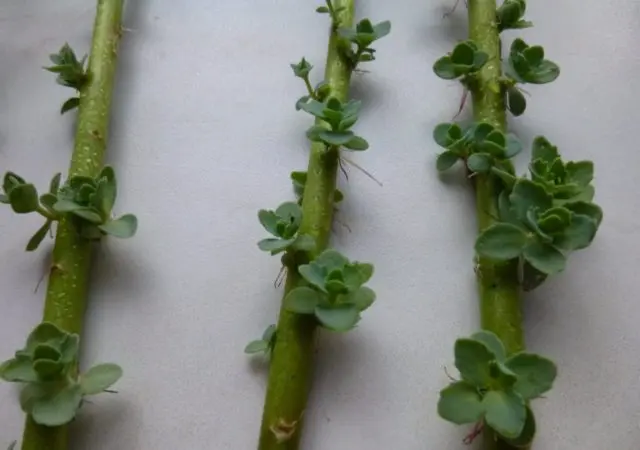
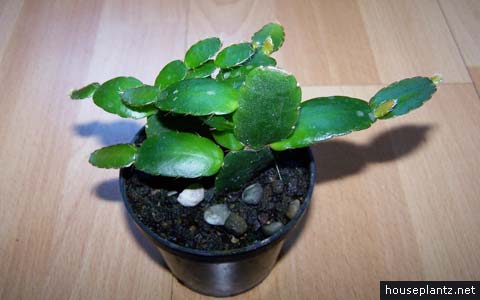
When you first encounter a cactus sprout, it may not resemble the iconic towering figure often depicted in popular culture. Instead, young cacti typically display a small, fleshy body with a rounded or cylindrical shape. These juvenile forms may be covered with a thin layer of green epidermis, sometimes exhibiting a glossy sheen. It is imperative to note that the coloration of cactus sprouts can vary significantly. For instance, some species may present vibrant shades of green, while others, particularly those in arid regions, may take on lighter hues that help in reflecting sunlight.
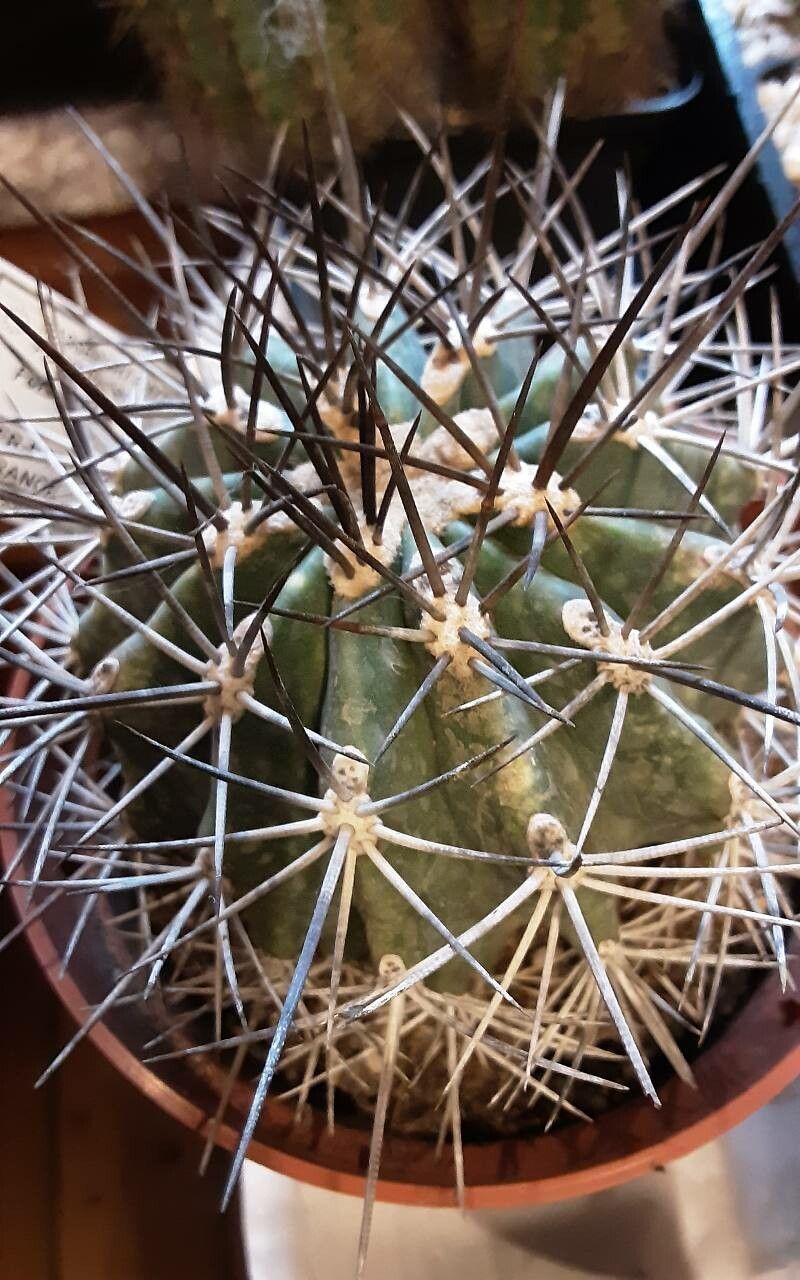
A distinguishing feature of many cactus seedlings is the presence of spines or glochids. Glochids are tiny hair-like structures that can be challenging to see with the naked eye. These may not develop until the plant matures but are often indicative of the species’ future growth. Observing the initial growth patterns is essential; some species may start with a solitary sprout, while others exhibit clustering behavior, producing multiple offsets from the base. Identifying the morphology early can assist in correct species recognition later in their development.
Another critical factor in identifying cactus sprouts is the environment in which they thrive. Cacti are predominantly found in regions with extreme conditions, but they can adapt to diverse habitats. An understanding of their native environments will provide insight into what to expect as they mature. For example, those native to the deserts of the Southwestern United States generally favor full sun and sandy soils, whereas others might thrive in slightly more humid conditions.
Once the initial identification has been made, attention should turn to the cultivation of these young plants. Successful growth depends on several key factors, primarily involving the provision of appropriate soil, light, moisture, and nutrients.
When it comes to soil, cacti thrive best in a well-draining substrate. Commercial cactus blends are available, but creating a custom mix using potting soil, coarse sand, and perlite can yield excellent results. This mixture encourages healthy root development while preventing the detrimental effects of overwatering.
Sunlight is another vital element for the growth of cactus sprouts. Ideally, these young plants should receive bright, indirect light for several hours a day, transitioning gradually to full sunlight as they mature. A sudden exposure to intense light can result in sunburn, causing discoloration and, ultimately, health issues. It’s beneficial to monitor the conditions of their surroundings to ensure optimal lighting.
Moisture management requires a delicate balance. Cactus sprouts need to be watered judiciously. Overwatering can lead to rot, while underwatering may stunt their growth. A general guideline is to allow the soil to dry completely between waterings. This approach mimics the natural conditions in which cacti thrive, where infrequent rainfall is common.
Providing nutrients is less intensive in the early stages of growth. Most young cactus plants can thrive on the nutrients available in their soil mix. An occasional application of a diluted cactus fertilizer during the growing season can further support their development, but care should be taken to avoid over-fertilization.
As the cactus sprouts continue to mature, they will require repotting— a necessary step to ensure they have sufficient space for growth. Signs that a transplant is needed include roots emerging from drainage holes or stagnant growth. When repotting, maintaining the same soil mix is essential to facilitate ongoing health.
In addition to competency in cultivation, an understanding of common pests and diseases is critical for maintaining vigor in cactus sprouts. Fungal infections can occur in overly damp conditions, while pests such as mealybugs and spider mites can damage young plants. Regularly inspecting the plants allows for early detection and intervention, setting the stage for a fruitful growing season.
In conclusion, identifying and growing cactus sprouts involves a nuanced understanding of their unique morphological traits and the specific conditions they require. By engaging with the intricate characteristics of these plants, gardeners and enthusiasts can foster healthy growth and appreciate the evolutionary marvel that cacti represent in their ecosystem. With proper care and knowledge, the journey from sprout to mature cactus can be rewarding, enriching both the environment and the individual’s connection to horticulture.
FAQ
How can I identify cactus sprouts?
Look for small fleshy bodies that are rounded or cylindrical, with green coloration and possibly tiny developing spines or glochids.
What soil mix is best for cactus sprouts?
A well-draining mix of potting soil, coarse sand, and perlite is recommended to promote healthy root growth and prevent waterlogging.
How much light do young cactus plants need?
Start with bright, indirect light and gradually introduce them to full sunlight to avoid sunburn.
What watering practices should be followed for cactus sprouts?
Water sparingly, allowing the soil to dry completely between watering to avoid root rot.
What pests should I watch for on cactus sprouts?
Common pests include mealybugs and spider mites, and fungal infections can occur if the environment is too damp.



Leave a Reply