
Short Answer
Imagine a silent sentry standing tall amidst a sprawling desert, an emblem of resilience and elegance carved by nature’s austere brush. This is the cactus—an enchanting paradox, prickly yet inviting, minimal yet abundant in character. In the realm of sustainable landscaping, cacti emerge as verdant protagonists, weaving stories of survival and artistry while redefining how we conceive green spaces in a warming world. Their role transcends simple aesthetics; they become living metaphors for sustainability, guardians of scarce water, and architects of vibrant biodiversity.
The Resilient Guardians of Arid Landscapes
Cacti are nature’s ultimate survivalists, their physiology a masterclass in water stewardship. With succulent tissues that store precious moisture and a waxy epidermis that minimizes evapotranspiration, these plants are paragons of xerophytic adaptation. In sustainable landscaping, this translates to dramatically reduced water requirements. Unlike conventional turf or water-thirsty ornamentals, cacti thrive on minimal hydration, turning dry, inhospitable patches into luxuriant, self-sustaining ecosystems.
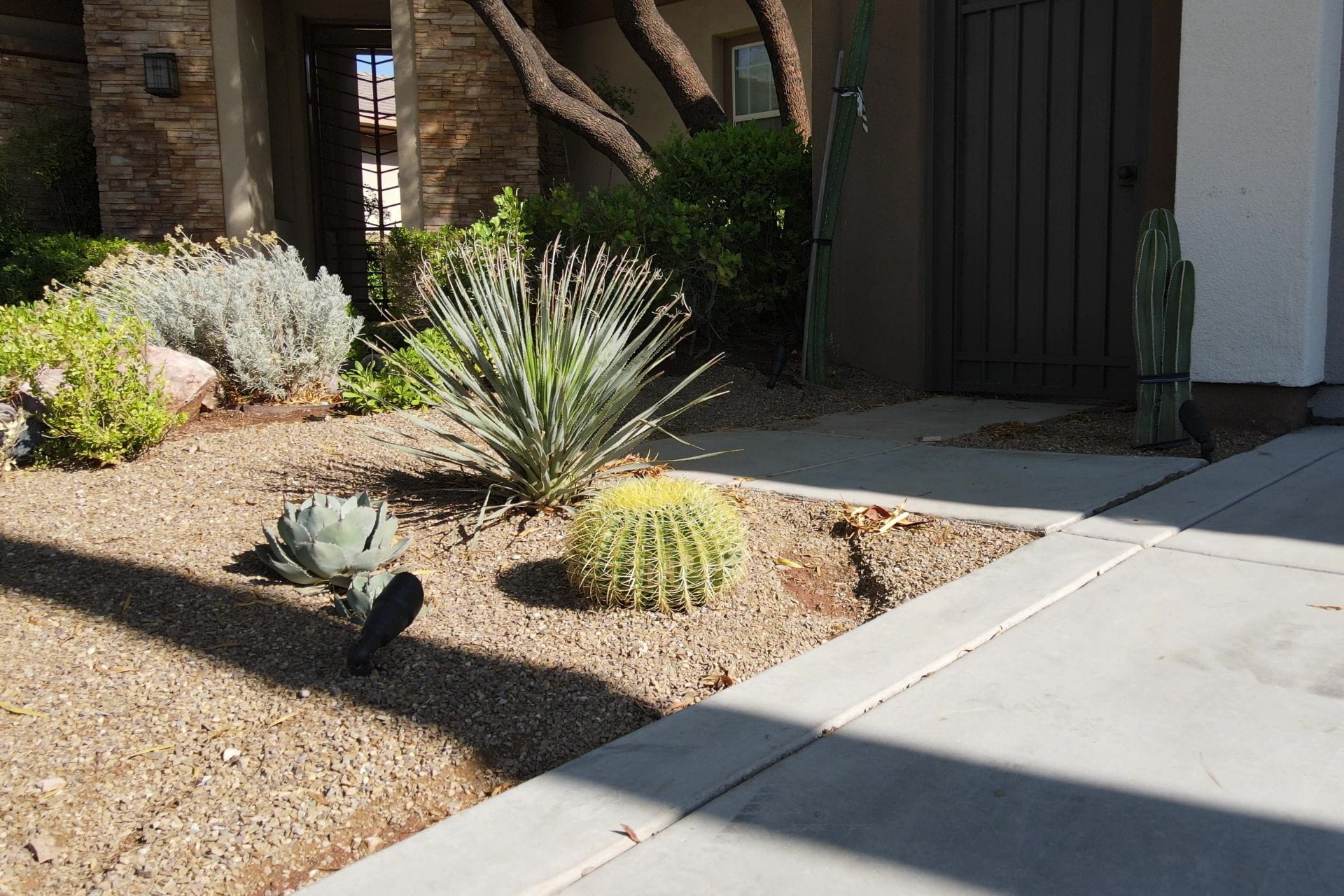
Their capacity to flourish with scant water makes them indispensable in regions grappling with drought and water scarcity. By incorporating cacti into landscape designs, gardeners and urban planners reduce dependency on irrigation infrastructure, contributing to the conservation of one of our most precious resources: water. This practical elegance elevates cacti from mere decorative accessories to vital components of green infrastructure.
Architectural Poise: Sculpting Natural Art
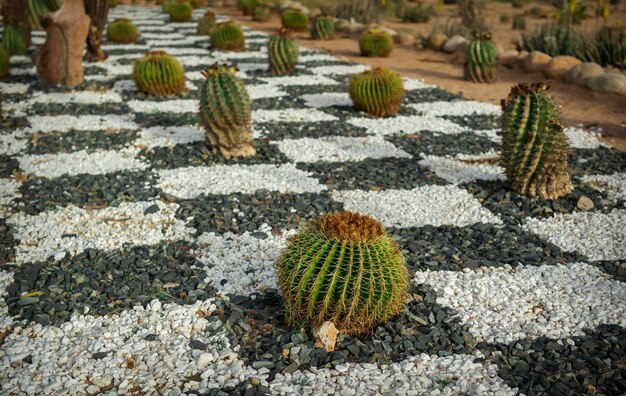
Every cactus is a living sculpture, a testament to nature’s ingenuity in form and function. Their silhouettes punctuate landscapes with geometric precision and primal grandeur—spines radiate like sunbursts, columnar stems ascend like architectural columns, and globular shapes nestle harmoniously in clusters. As a medium of creative expression, cacti invite a fusion of artistry and ecology.

Designers have harnessed their iconic shapes to conjure desert-inspired dreamscapes and minimalist retreats. Their presence commands visual interest, even in dormant seasons, where other flora may fade into the background. This enduring allure connects human aesthetic appreciation with ecological pragmatism, making sustainable landscaping an experience that engages all senses.
Harbingers of Biodiversity: Fostering Ecological Symbiosis
Beyond their solitary beauty, cacti serve as keystones in desert and semi-arid ecosystems, fostering complex relationships with pollinators, birds, and insects. Their nocturnal blossoms beckon moths and bats, while their fruits sustain myriad creatures. Integrating cacti into gardens cultivates a microcosm of life, encouraging biodiversity within urban or suburban settings.
This biological network reinforces ecosystem stability, ensuring pollination services and enhancing soil health. Furthermore, cacti roots reduce erosion and promote nutrient cycling, subtly healing the earth while offering sanctuary. Thus, they embody sustainable landscaping’s ethos: to harmonize human activity with natural processes.
Low Maintenance Luxury: Sustainability Meets Convenience
The narrative of sustainability is often overshadowed by misconceptions about complexity and cost. Cacti dispel these notions effortlessly. Their low-maintenance nature liberates gardeners from constant upkeep, chemical inputs, and expensive resource consumption. A cactus garden matures with grace, requiring little intervention beyond occasional pruning or protection from frost.
This simplicity does not equate to dullness. Instead, it offers a refined, tranquil aesthetic that invites mindful engagement and long-term satisfaction. Sustainable landscaping rooted in cacti is both a botanical investment and a lifestyle enhancer, fostering connection with nature’s rhythms and cycles.
A Palette of Sustainability: Combining Cacti with Complementary Plants
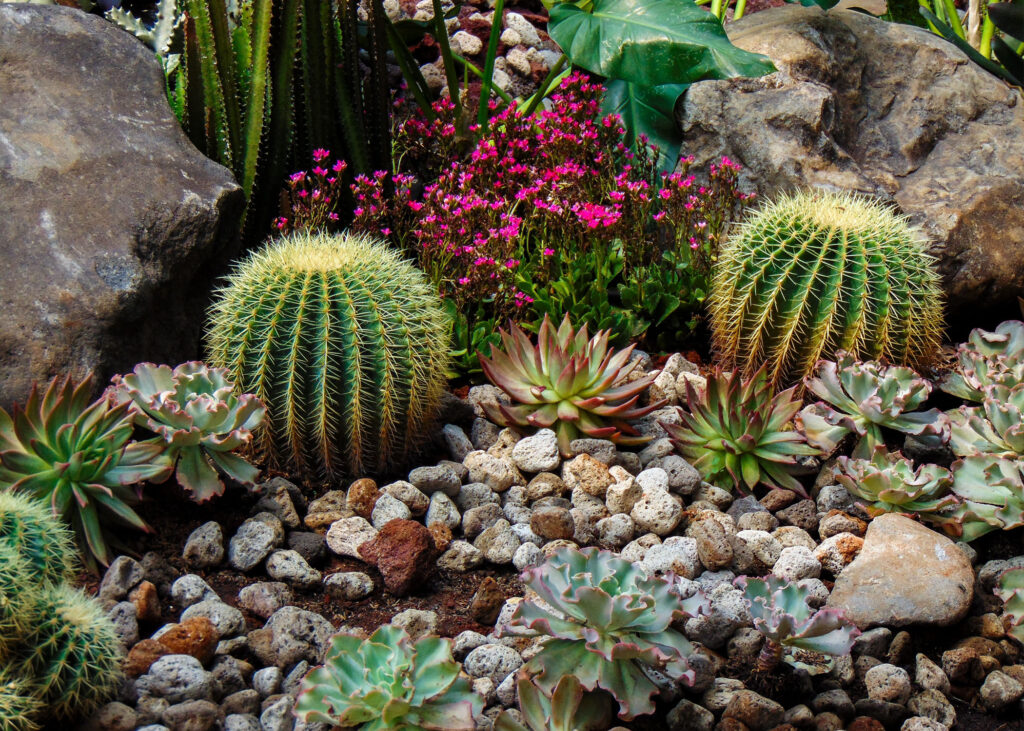
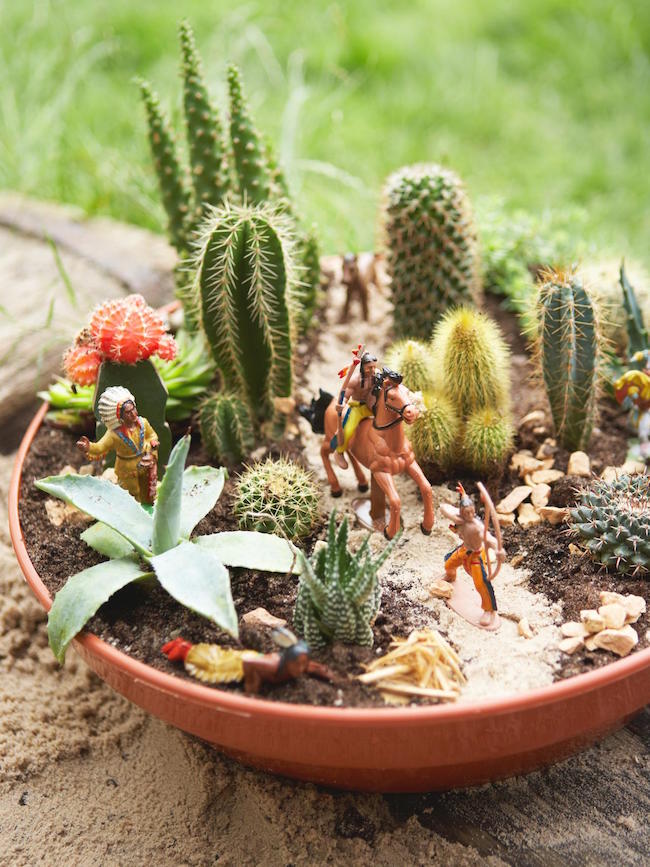
Cacti rarely stand alone in exquisite landscapes. When paired with succulents, drought-tolerant grasses, and native perennials, they create a resilient tapestry. These combinations amplify water efficiency and ecological benefit, establishing layered textures and seasonal variations that evoke natural landscapes.
This mosaic approach to planting encourages soil vitality and pest resistance. By embracing native species and drought-resistant companions, landscapes transition from static displays into dynamic, self-renewing vistas. Here, cacti serve as anchor species—both visually and functionally—around which vibrant plant communities thrive.
Conclusion: Cacti as Symbols and Stewards of Sustainability
In the evolving story of sustainable landscaping, cacti stand as stoic narrators—whispering tales of endurance, artistry, and ecological wisdom. Their unique appeal lies in their capacity to juxtapose severe environments with lush beauty, minimalism with complexity, and austerity with abundance. By embracing these desert dwellers, landscapes become living lessons in conservation and creativity.
More than mere plants, cacti are ethicized living sculptures, water-wise warriors, and biodiversity catalysts. They challenge us to rethink our relationship with nature—not as conquerors but as stewards. In doing so, they transform spaces into sanctuaries where sustainability is not an abstract concept but a tangible, vibrant reality.
FAQ
Why are cacti important for sustainable landscaping?
Cacti require minimal water, making them ideal for drought-prone areas and reducing irrigation needs.
How do cacti contribute to biodiversity?
Cacti support various pollinators and wildlife, fostering complex ecological relationships.
What plants pair well with cacti in a garden?
Cacti can be effectively combined with succulents, drought-tolerant grasses, and native perennials.


Leave a Reply