

Short Answer
There exists a captivating realm within the succulent world, where rarity meets resilience in the form of the Ariocarpus genus. These extraordinary cacti, often termed “living rocks” for their exceptional camouflage and sculptural beauty, have long enchanted collectors and horticulturists alike. Ariocarpus species possess an understated charm, demanding a refined understanding and meticulous care regimen to truly thrive. This ultimate guide unravels the mysteries behind cultivating these botanical enigmas, offering rare cactus enthusiasts a comprehensive embrace of everything Ariocarpus—from soil alchemy to propagation finesse.
Unveiling the Ariocarpus Genus: An Introduction to Its Diversity
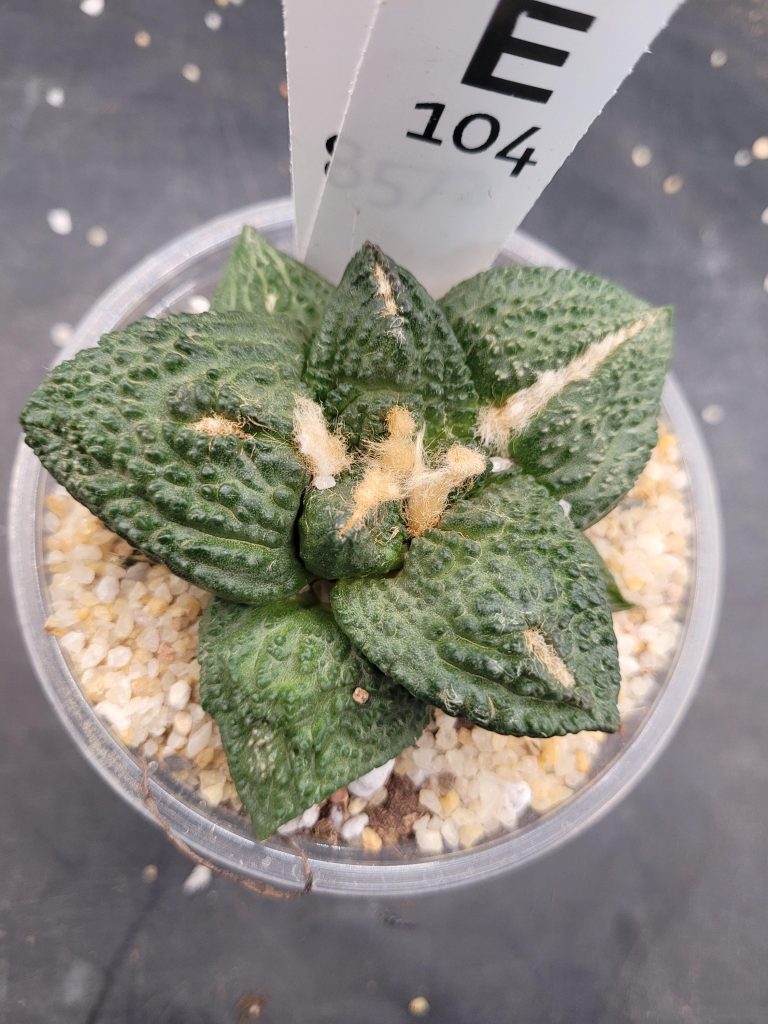
The Ariocarpus genus is a fascinating collection of slow-growing, geophytic cacti native primarily to the arid regions of Mexico and Texas. Their defining characteristic is a rosette of thick, triangular, tubercle-like structures that often resemble textured stones or cracked petrified wood. Notable species like Ariocarpus retusus, Ariocarpus fissuratus, and the mysteriously exquisite Ariocarpus furfuraceus each present distinct textural nuances and growth habits.
Some Ariocarpus wear spines sparsely, while others are spine-less, emphasizing texture over protection in their natural habitat. This evolutionary adaptation highlights their ability to blend into rocky outcrops, evading herbivores and harsh sunlight. Understanding these intrinsic traits is essential for harnessing their full horticultural potential.
Optimal Growing Conditions: Crafting the Perfect Microhabitat
Success with Ariocarpus begins with the precise recreation of their native microhabitat. These cacti flourish in environments that marry intense light with well-draining substrates, but without the excess humidity that notoriously invites rot.
Light Exposure: Ariocarpus demand copious sunlight—preferably full sun or bright indirect light. Inadequate illumination leads to etiolation, where plants elongate awkwardly and lose their characteristic compact form.
Temperature: These succulent marvels thrive in warm daytime temperatures (70–90°F / 21–32°C) but benefit from cooler nights that mimic desert fluctuations. Seasonal rest periods with reduced watering and cooler temperatures (down to 50°F / 10°C) encourage robust growth cycles.
Watering Regimen: Water sparingly but thoughtfully. Overwatering is the nemesis of Ariocarpus, often culminating in catastrophic root rot. During active growth phases—spring and early summer—water only when the soil has completely dried out. In dormancy, reduce watering drastically or cease altogether.
Soil Composition: The Bedrock of Ariocarpus Vitality
Soil for Ariocarpus must achieve a delicate equilibrium between moisture retention and rapid drainage. A gritty, mineral-rich substrate mimics the xeric limestone outcrops these cacti call home.
A robust soil mix might include a blend of pumice, perlite, coarse sand, and alkaline components such as crushed limestone or oyster shell grit. Organic matter should be minimal—too rich and water retention spikes, risking rot.
The pH mildly leans alkaline, reflecting the native conditions these cacti evolved within. Repotting every 2–3 years ensures substrate replenishment and enables inspection of the root system for any signs of stress or rot.
Propagation Mastery: Unlocking the Secrets of Ariocarpus Reproduction
Propagation can pose a rewarding challenge for aficionados. Sexual reproduction via seed is the most authentic method capturing genetic diversity, yet it demands patience. Seeds are tiny and require sterilized, moist yet aerated conditions to germinate—often taking weeks to months.
Vegetative propagation through grafting onto faster-growing rootstocks is another popular approach, especially for rare or slow-growing individuals. Grafting accelerates growth and bolsters resistance to pathogens, acting as a scaffold for these slow-developing beauties.
Cuttings are rare in Ariocarpus but may occasionally work when carefully excising healthy tubercles. Regardless of method, meticulous hygiene and patience are imperatives for propagation success.
Pest and Disease Vigilance: Protecting Your Living Stones
Despite their rugged appearance, Ariocarpus remain vulnerable to a handful of insidious threats. Root mealybugs and spider mites are frequent pests that require immediate intervention. These sap-sucking intruders can stunt growth and cause disfigurations.
Fungal infections, primarily stemming from overwatering, are another persistent hazard. Signs such as softening tubercles, dark lesions, or an unpleasant odor signal trouble. Preventive measures focus on maintaining dryness, good airflow, and avoiding damage during handling.
Remedies include systemic insecticides for pest control and fungicides for early fungal outbreaks. Integrated pest management and vigilant monitoring can keep these problems in check without harming the plant’s delicate physiology.
The Enchanting Bloom: Nurturing Ariocarpus Flowers
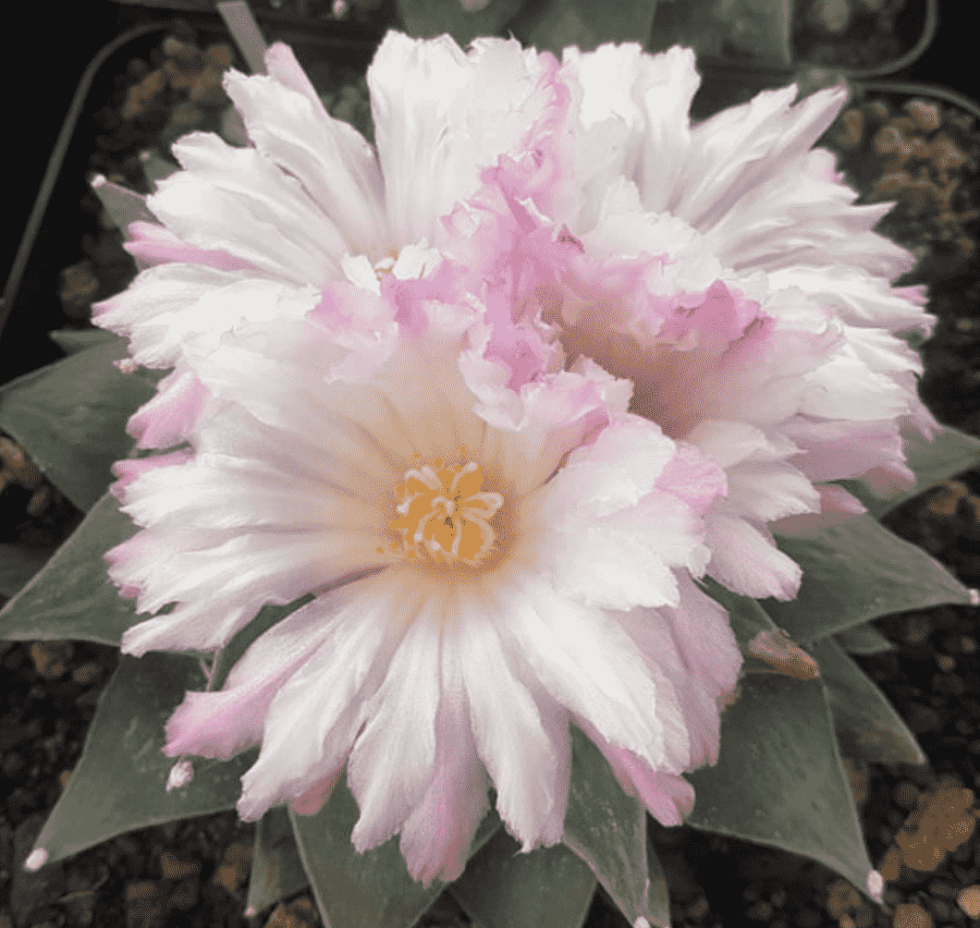
Flowering Ariocarpus is a sublime reward bestowed upon the most dedicated gardeners. Though the blooms are ephemeral and modest compared to showy succulents, their beauty is exquisite—ranging from soft pinks to creamy whites and subtle yellows.
Flower production typically occurs in autumn, signaling successful acclimatization and robust health. To encourage blooming, ensure the plant experiences a distinct rest period with cooler temperatures and slightly drier conditions.
Pollination can be hand-assisted, especially to produce seed, enhancing the hobbyist’s ability to create rare hybrids or maintain genetic lineages.

Common Challenges and Expert Troubleshooting
Navigating Ariocarpus care comes with its hurdles. Slow growth can frustrate novices, but understanding that patience is intrinsic to their allure is key. Seasonal dormancy may give the false impression of decline—recognizing these physiological rhythms prevents unnecessary intervention.
Etiolation due to insufficient light is remedied by gradual acclimation to brighter conditions. Conversely, sunburn manifests as pale or sunken spots and necessitates shade during the most intense rays.
Root rot poses the most lethal threat and underscores the imperative of well-draining soil and controlled watering. Prompt removal of infected tissue and repotting in sterile substrates can salvage borderline cases.
Conclusion: Cultivating a Lifelong Passion with Ariocarpus
The pursuit of Ariocarpus cultivation is a journey of reverence and fascination. These remarkable cacti, with their stone-like façade and delicate floral performances, reward those who invest care, precision, and patience. Armed with comprehensive knowledge—from soil chemistry to propagation intricacies—enthusiasts can unlock the full potential of these botanical rarities.
By mastering their specialized needs, gardeners not only conserve a unique lineage of desert flora but also partake in a timeless tradition of patience, observation, and discovery. The Ariocarpus world awaits your stewardship—embark and transform your collection into an extraordinary sanctuary of living art.
FAQ
What are the ideal growing conditions for Ariocarpus?
Ariocarpus thrive in bright sunlight with well-draining soil and warm temperatures, ideally between 70–90°F during the day.
How can I propagate Ariocarpus?
Propagation can be done through seeds or grafting onto faster-growing rootstocks, while cuttings are less common.
What pests should I watch for with Ariocarpus?
Common pests include root mealybugs and spider mites, which require immediate intervention to prevent damage.
Leave a Reply