
Short Answer
Rhipsalis, often hailed as the jewel of epiphytic cacti, is a fascinating genus renowned for its delicate, trailing stems and uniquely subtle blossoms. While many associate cacti with arid deserts and bold, flamboyant flowers, Rhipsalis breaks the mold by flourishing as a tropical forest dweller, producing understated yet captivating blooms. Encouraging your Rhipsalis to flower is an art steeped in understanding its natural habitat, precise care requirements, and patient nurturing. This guide unravels the nuances behind coaxing these exquisite plants to bloom, transforming your green space into a living gallery of exotic elegance.
Understanding the Nature of Rhipsalis Blooms
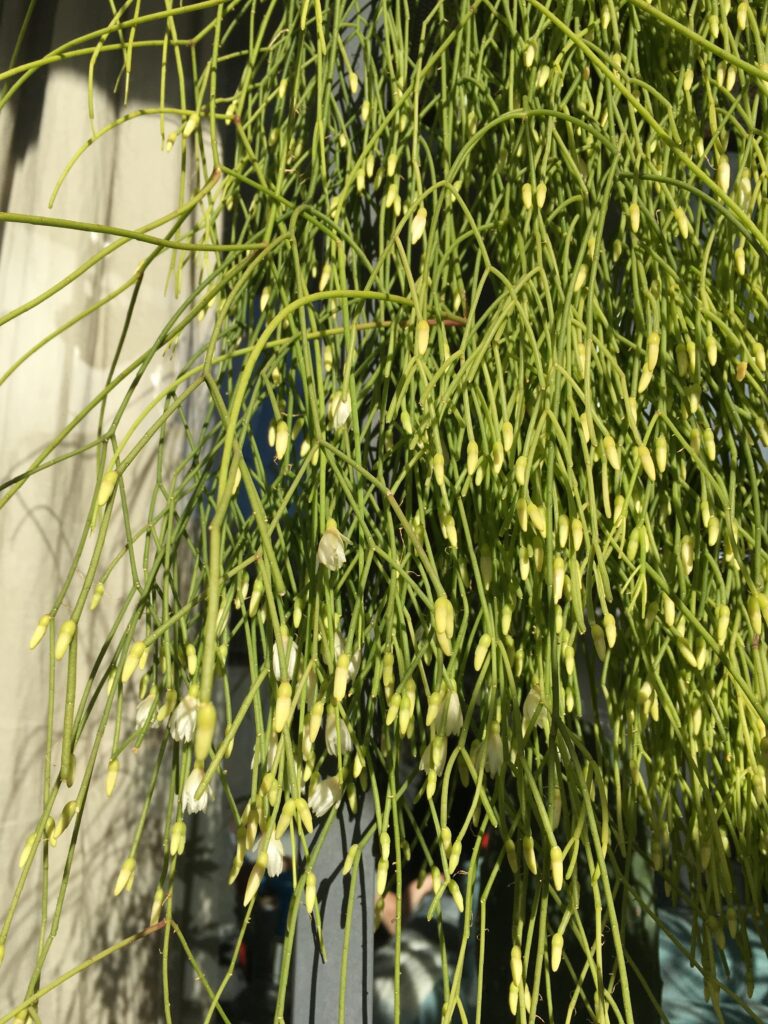
Rhipsalis flowers are often diminutive, but their charm lies in their subtle beauty and delicate presence. Unlike the grandiose blossoms of desert cacti, these blooms whisper rather than shout, reflecting the gentle tropical understory where they naturally thrive. Typically, the flowers emerge in clusters along the trailing stems and are usually white, cream, or pale pink. Their ephemeral nature makes timing and environment crucial to enjoying these fleeting marvels.

The Importance of Mimicking Tropical Conditions
To stimulate flowering, replicating the Rhipsalis’ native environment is paramount. These epiphytic cacti flourish under dappled light, sheltered beneath forest canopies where humidity is moderate to high. Bright yet indirect sunlight encourages healthy growth and flower bud development. Direct harsh sun can scorch the tender stems, inhibiting bloom formation.
Maintain bright filtered light conditions indoors by placing your plant near an east or north-facing window. Outdoors, a shaded veranda or covered patio mimics their natural habitat perfectly. The temperature should ideally stay between 60°F and 80°F (15°C to 27°C), avoiding sudden fluctuations or cold drafts, as consistent warmth promotes flowering.
Optimizing Watering for Flower Initiation
Water plays a pivotal role in coaxing flowers from your Rhipsalis, but balance is key. Overwatering leads to root rot and stunted blooms, while insufficient moisture stresses the plant. Employ a moderate watering regimen that keeps the substrate lightly moist but never soggy during the growing season.
Allow the top inch of soil to partially dry out before watering again, particularly in cooler months when metabolic activity slows down. Adjust watering frequency seasonally to mimic natural rainfall patterns of their native rainforests—more frequent in spring and summer, tapering off in fall and winter. Humidity supplementation, such as misting or using a pebble tray, can further boost flowering potential.
Selecting the Right Growing Medium
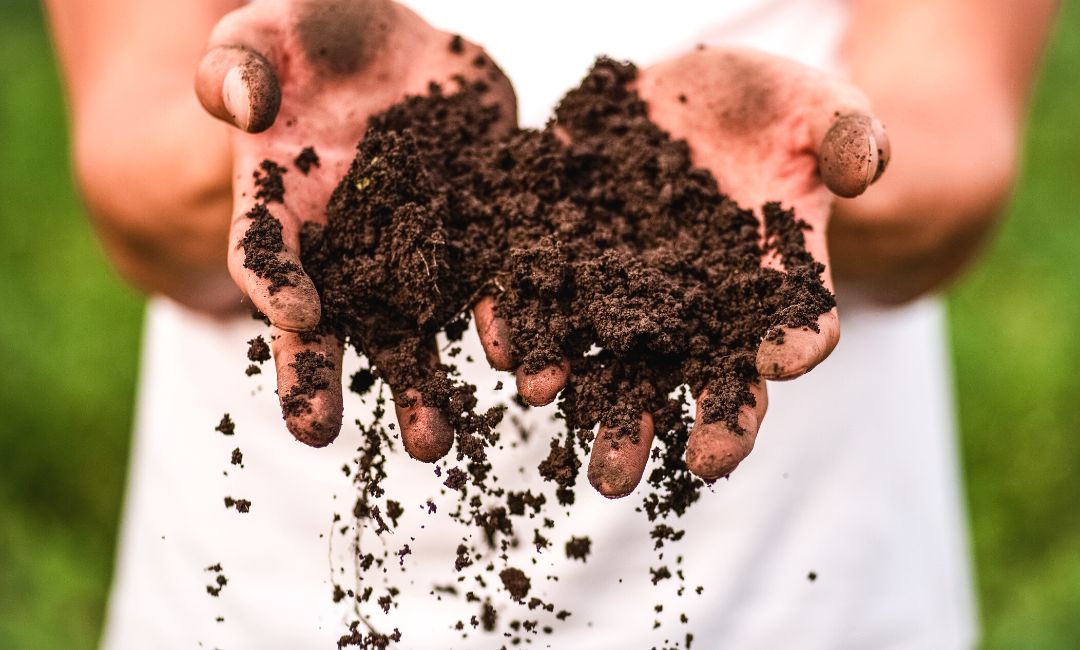
Rhipsalis demands a highly specific growing medium to flower optimally. A loose, well-draining substrate enriched with organic matter is ideal. This mix should combine components such as orchid bark, peat moss, perlite, and a hint of charcoal to replicate the airy, nutrient-rich epiphytic soils they cling to in the wild.
Roots need ample oxygen and must never remain waterlogged. Utilizing a porous blend ensures rapid drainage and prevents fungal issues that hinder bud development. Refresh the potting medium every two years for sustainable soil health and sustained flowering vigor.
Fertilization Strategies to Encourage Blooms
Fertilization is the secret catalyst for flower production. Apply a balanced, liquid fertilizer diluted to half strength every two weeks during the active growing season (spring to early fall). Choose formulations higher in phosphorus and potassium relative to nitrogen—these macronutrients are instrumental in promoting vibrant, abundant blossoms.
Organic options like seaweed extract or fish emulsion provide a gentle nutrient lift without the risk of salt buildup, enhancing overall plant vitality and flowering success. Avoid excessive nitrogen, which encourages lush foliage at the expense of blooms.
The Role of Seasonal Rest and Light Adjustment
Seasonal cues profoundly affect Rhipsalis flowering cycles. A period of restful dormancy during cooler, shorter days signals the plant to transition from vegetative growth to reproductive activity. Gradually reduce watering and fertilizing in late autumn and provide slightly cooler temperatures if feasible, mimicking their native mild dry season.
During dormancy, maintain bright but indirect light and avoid disturbing the plant. After six to eight weeks of rest, resume regular care to trigger bud initiation. This cyclical routine strengthens the plant’s internal rhythms and encourages consistent flowering year after year.
Propagation and Its Influence on Bloom Timing
Propagation from cuttings is a rewarding way to expand your collection and invigorate flowering. New cuttings may take one to two years to mature before blooming, depending on care and conditions. Propagated plants benefit from identical environmental attention as mature specimens—light, moisture, and rest cycles—to achieve flowering readiness.
Semi-ripe cuttings root most successfully in a warm, humid environment with indirect light. Once established, gradual exposure to optimal care conditions ensures a healthy transition toward blooming maturity.
Common Challenges and Remedies to Enhance Flowering
Several factors can thwart the blooming process, such as insufficient light, erratic watering, pest infestations, and nutrient imbalances. Identify and rectify these issues promptly for a flourishing display.
- Light Deficiency: Shift the plant to a brighter location or supplement with grow lights.
- Overwatering or Poor Drainage: Improve soil drainage, repot if necessary, and adjust watering habits.
- Pest Pressure: Inspect regularly for mealybugs, spider mites, and scale insects. Treat infestations with insecticidal soap or neem oil.
- Nutrient Deficiency: Implement a consistent, balanced fertilization schedule.
Addressing these challenges not only promotes optimal flowering but also enhances plant longevity and vibrancy.
Appreciating the Blooming Cycle and Aftercare
Once your Rhipsalis bursts into delicate flower clusters, it’s important to nurture the blooms rather than prune or excessively move the plant. Flowers often last a few days to a week, rewarding patient caretakers with subtle beauty.
After flowering, consider light pruning to encourage bushier growth and prepare the plant for subsequent bloom cycles. Consistent, tailored care ensures that your Rhipsalis continues to thrive as both a lush ornamental and a blooming marvel.

FAQ
What is the best way to water Rhipsalis?
Water Rhipsalis when the top inch of soil is dry, ensuring it is never soggy.
What type of soil is best for Rhipsalis?
A loose, well-draining substrate enriched with organic matter is ideal.
Leave a Reply