
Short Answer
The allure of the Astrophytum, commonly hailed as the “Star Cactus,” is nothing short of mesmerizing. Its celestial shape and understated beauty have captivated succulent enthusiasts and botanists alike, sparking a fascination that transcends mere plant care. This succulent, with its star-like appearance and enigmatic textures, beckons hobbyists into a world of botanical wonder, where patience, precision, and passion converge. But what lies beneath this obsession? Beyond the surface, the Star Cactus embodies resilience and a unique botanical narrative that invites a deeper appreciation of its existence. This comprehensive guide is designed to shepherd you through every facet of Astrophytum care so that you can nurture your own stellar specimen to its fullest glory.
Understanding Astrophytum: A Botanical Marvel
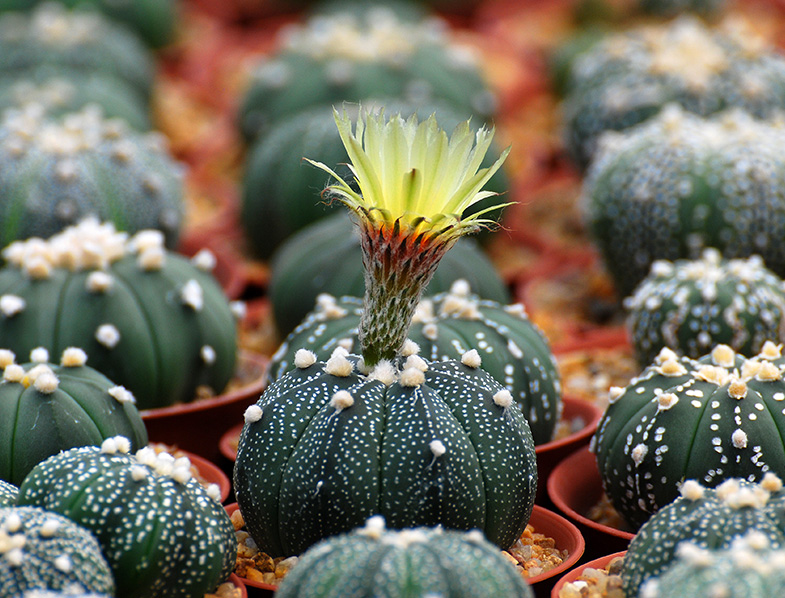
Astrophytum is a genus of cacti native primarily to the arid regions of Mexico, flaunting a distinct morphology that evokes cosmic imagery. Its name, derived from the Greek “astro” for star and “phytum” for plant, alludes directly to the iconic star-shaped ribs that characterize many species within the genus. What makes Astrophytum particularly fascinating is its variegated species and textured epidermis, often dotted with small white trichomes, resembling a constellation painted onto a green canvas.

These formidable plants possess a slow-growing but resilient constitution, reflecting their evolutionary adaptation to survive in nutrient-deficient and moisture-scarce habitats. Their rarity and unique beauty have young and seasoned collectors alike obsessing over each new wrinkle, spot, or bloom.
Choosing the Perfect Astrophytum for Your Collection
Selecting the right Astrophytum species or cultivar depends largely on your environmental conditions and personal preference. The Astrophytum Asteria, often called the “Star Cactus,” is renowned for its dome-shaped body and striking radial symmetry. Meanwhile, Astrophytum myriostigma stands out with its distinct star-like rib count and smooth surface, occasionally adorned with small white speckles. Variegated varieties, exhibiting variegations in color, are especially prized, offering an added layer of uniqueness and complexity to your green menagerie.
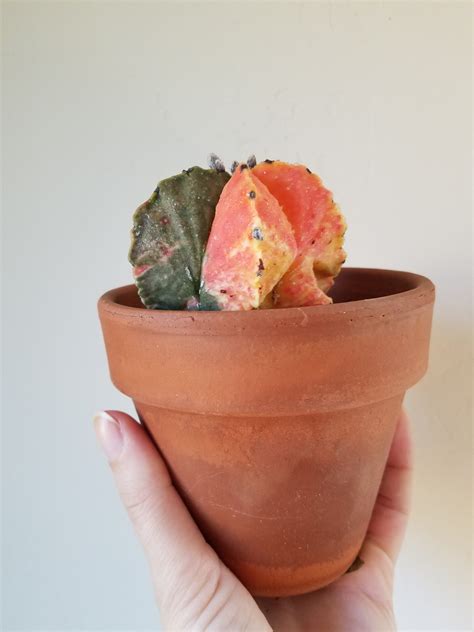
When obtaining your specimen, seek healthy, firm plants with no signs of rot or pests. Remember that patience is your greatest ally; younger specimens require attentive nurturing but reward you with years of mesmerizing growth.
Optimal Lighting: Illuminating the Star Within
Lighting represents the linchpin of successful Astrophytum cultivation. These cacti thrive under bright, indirect sunlight where the warmth elevates physiological functions without the harsh desiccation that direct, scorching rays can cause. While Astrophytum can tolerate some direct sun, especially in cooler months, prolonged exposure during intense summer heat may lead to sunburn, visible as bleached or scarred patches on the surface.
Indoor growers benefit from placing their plants near south-facing windows or equipping them with full-spectrum grow lights to mimic their native sunlit habitats. Balancing light and shade encourages that perfect gloaming hue that Astrophytum aficionados cherish.
Mastering the Art of Watering: The Delicate Dance of Hydration
Watering Astrophytum demands a delicate touch, as these succulents have evolved to thrive in drought-prone environments. Overwatering is the cardinal sin, often culminating in root rot—a silent assassin that can swiftly undo your careful cultivation. The best practice involves watering deeply but infrequently, allowing the soil to dry out completely between each cycle.
During the active growing season (spring and summer), watering once every two to three weeks suffices for mature cacti. In contrast, winter months warrant a more austere regimen, with occasional hydration just to prevent shriveling.
Utilizing well-draining soil mixtures enriched with inorganic materials such as pumice, perlite, or gritty sand ensures rapid drainage and aeration, crucial for the roots’ health. Never let your Astrophytum sit in standing water or soggy substrate.
Soil and Repotting: The Foundation of Stellar Growth
Repotting is more than a mere transplant—it’s an opportunity to invigorate your cactus’s roots and prevent soil exhaustion. A carefully crafted soil blend embodies the synergy of porous, mineral-rich components, echoing the cactus’s native desert bedrock. Incorporating equal parts of cactus mix, coarse sand, and perlite can strike an ideal balance between moisture retention and drainage.
Repot your Astrophytum every 2–3 years or when the roots begin crowding the container, preferably at the onset of the growing season. When repotting, handle your cactus gently, using gloves or folded newspaper to avoid harm from its delicate spines or skin.
Temperature and Humidity: Cultivating Comfort
These stellar succulents are hardy in warm, dry conditions reminiscent of their desert origins. Temperatures between 70°F and 85°F (21°C to 29°C) create an optimal environment during active growth. They tolerate cooler nights but should be shielded from prolonged exposure below 50°F (10°C), which may cause deleterious effects to their tissues.
Humidity levels should be kept low, as excessive moisture in the air fosters fungal diseases and rot. Good air circulation coupled with a dry atmosphere simulates the natural balance these plants flourish in. In temperate zones, bringing your cactus indoors during colder months preserves its health and longevity.
Feeding Your Astrophytum: Nutritional Nuances
Although hardy, Astrophytum benefits from a judicious feeding regimen to support its slow but steady growth. Employ a diluted, balanced cactus fertilizer (with lower nitrogen content) during the spring and summer growing seasons. Feeding once a month suffices—too much fertilizer can stress the plant, distorting growth or prompting etiolation.
Natural options such as worm castings or dilute seaweed extracts can also provide micronutrients in a gentle yet effective manner, nurturing your star cactus without irritating its sensitive root system.
Flowering Phenomenon: Blossoms of Celestial Delight
Watching a Star Cactus bloom is akin to witnessing a moment of natural artistry. Astrophytum flowers, typically yellow with an orange or reddish center, bloom in late spring to summer, adding vivid contrast against the cactus’s muted greens and grays. Their ephemeral nature—lasting only a few days—makes every flowering event a treasured occasion.

Flowering is often stimulated by mature age, sufficient light, and a proper rest period during winter. Ensuring these conditions increases your chances of enjoying these stunning floral displays, each a reminder of the plant’s tenacity and elegance.
Common Challenges: Navigating Pests and Diseases
Though relatively resilient, Astrophytum cacti are not immune to troubles. The most common adversaries include mealybugs, spider mites, and root rot caused by overwatering. Spotting white cottony masses or tiny webs early allows for prompt treatment with insecticidal soap or neem oil. Maintaining dryness and airflow drastically reduces fungal risks.
Regular inspections and a hygienic growing environment prolong your cactus’s vitality, enabling it to continue thriving and enchanting for years to come.
Propagation: Expanding Your Galactic Collection
Propagation of Astrophytum is predominantly achieved through seed sowing, as these cacti rarely offset. Growing from seed requires patience and care; seeds must be sown on well-draining soil and kept in a warm, humid environment to germinate, typically within a few weeks. Using a transparent cover to retain moisture while ensuring ventilation provides an optimal microclimate.
While more challenging than many succulents, propagating from seed gives novice botanists a profound connection to their growing star, witnessing the embryonic beginnings of a future constellation.
Conclusion: Embracing the Enigma of Astrophytum
The Star Cactus is far more than a mere plant—it’s a living homage to the mysteries of the desert night sky, a tiny universe captured in a single, verdant marvel. Tending to an Astrophytum demands not only practical knowledge but a patient heart willing to observe subtle changes and embrace slow progress. Every fold, every bloom, and every color variant tells a story spanning millennia and miles of arid wilderness. By mastering the art and science of its care, you yourself become part of this cosmic dance, nurturing a truly stellar specimen that brightens your collection with its celestial charm.
FAQ
What is Astrophytum?
Astrophytum, commonly known as the Star Cactus, is a genus of cacti known for their star-shaped ribs and unique variegated species.
How often should I water my Astrophytum?
Water your Astrophytum deeply but infrequently, allowing the soil to dry completely between watering, typically every two to three weeks during the growing season.

Leave a Reply