
Short Answer
Discocactus, with its captivating spherical forms and exquisite woolly cephalium, stands out as one of the most alluring and rare genera among desert succulents. These extraordinary cacti captivate hobbyists and collectors alike, not only for their distinctive shape but also for their fascinating nocturnal blooms. Growing Discocactus presents unique challenges and rewards, demanding a thoughtful approach that celebrates their intriguing biology and natural habitat. Exploring the nuances of Discocactus care unveils a journey of patience, precision, and profound admiration for botanical beauty.
Understanding Discocactus: A Botanical Marvel
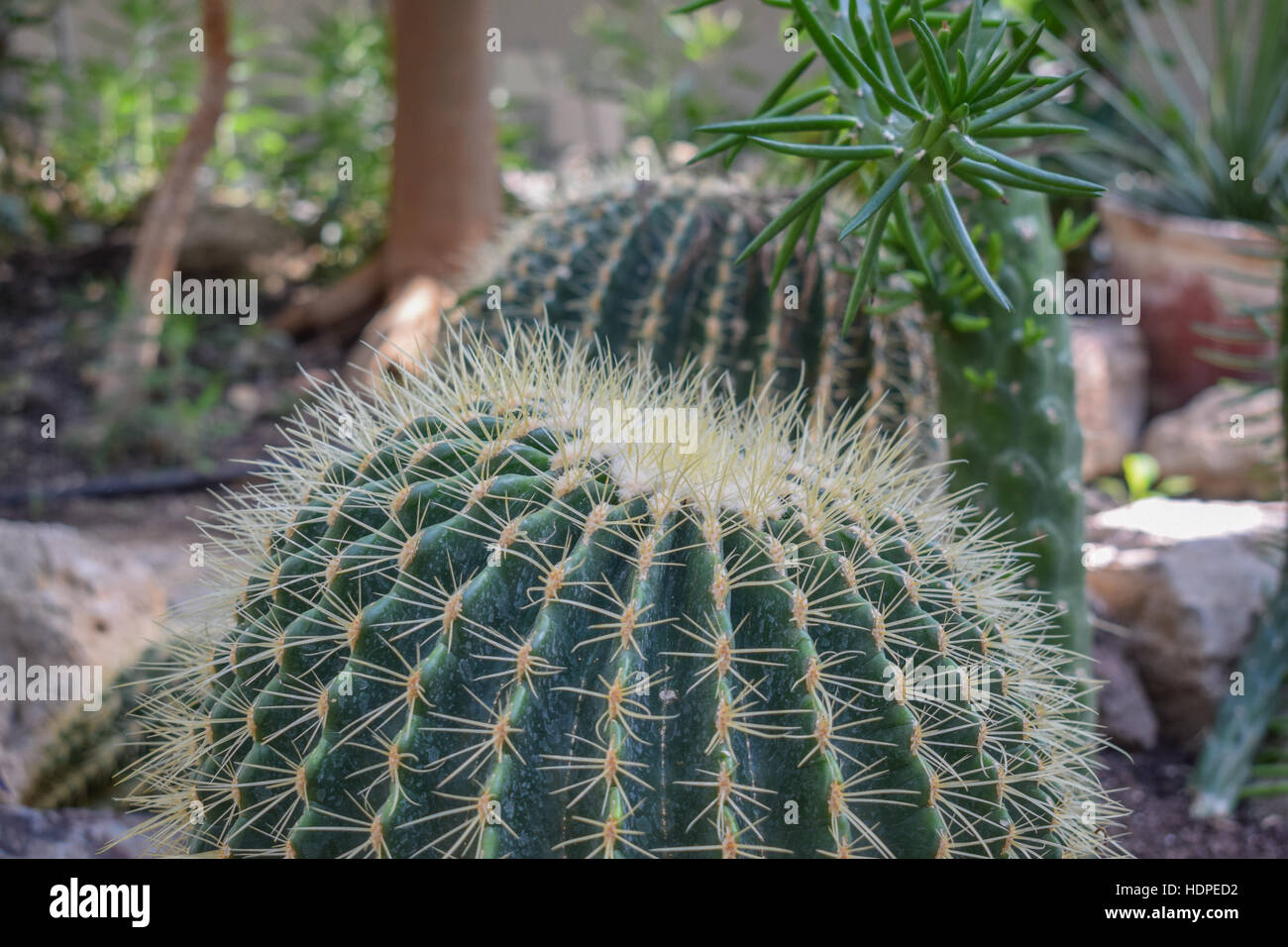
The genus Discocactus belongs to a small but remarkable group native primarily to South America, especially Brazil and surrounding areas. Unlike many cacti which flaunt elongated columns or branching arms, Discocacti maintain a neat, flattened globular or disc-shaped body adorned with prominent ribs and spines. A prominent feature is the thick, woolly cephalium—an enigmatic growth at the apex from which flowers emerge. This specialized structure is not only distinctive but biologically vital, signaling maturity and readiness to reproduce. The cephalium appears like a soft, downy cap, often white or yellowish, and serves as a protective blanket for the delicate nocturnal blossoms that shimmer under moonlight.

Ideal Growing Conditions: Mimicking the Native Habitat
Replicating the desert-like environment of Discocactus’ natural range is essential for thriving growth. These cacti flourish in well-drained, gritty soil with minimal organic matter and ample mineral content—mirroring their native rocky outcrops. A cactus mix blended with pumice, coarse sand, and a touch of crushed granite works wonders to ensure sufficient aeration and avoid root rot.
Light is paramount. Discocactus craves bright but diffused sunlight. Direct, brutal midday rays can scorch the plant’s tender cephalium, yet too little light will stunt growth and impede blooming. A location with early morning or late afternoon sun is ideal, or filtered light under a shade cloth in hotter climates.
Temperature stability also influences Discocactus health. These plants prefer warm days ranging from the mid-70s to mid-80s Fahrenheit (24–30°C) with cooler nights dropping into the 50s (10–15°C). Crucially, they require a dry winter rest period where temperatures can safely slip to 50°F (around 10°C), fostering dormancy and encouraging flowering in the growing season.
Watering Protocols: Balancing Moisture and Desiccation
Watering Discocactus demands a delicate balance—too much moisture spells calamity, while too little can stunt growth. During the active season (spring through early autumn), moderate watering encourages growth but always allow the soil surface to dry out completely between watering. Overwatering leads to root rot, an insidious foe given the plant’s compact root system.
In winter, reduce watering drastically or halt entirely, allowing the plant to rest in a near-dormant state. This dry spell mimics the natural dry season and is crucial for robust flowering. If kept indoors, ensure watering frequency remains low and humidity minimal. Misting around the cephalium is unnecessary and may promote fungal infections.
Feeding and Fertilization: Fueling Vibrant Growth
Discocactus benefits from a sparse but precise fertilization regimen. Use a balanced, diluted cactus fertilizer during the growing season at half-strength every 4-6 weeks. Excessive nutrients can cause lush, weak growth that may damage the delicate cephalium. Employ slow-release fertilizers with micronutrients to support sustained health.
Organic soil amendments like crushed eggshells or finely ground bone meal can be applied occasionally to mimic the natural mineral uptake from their native rocky soils. These supplements offer trace minerals encouraging robust pigmentation and spine development.
Propagation Challenges: From Seeds to Seedlings
Propagating Discocactus is an endeavor for patient gardeners with a penchant for precision. Seed propagation is the most common method, though it requires an understanding of germination cues. Fresh seeds sown on a sterile, fast-draining substrate and maintained at warm temperatures (around 77°F/25°C) can germinate within 2-3 weeks. Maintaining high humidity initially via a propagation dome or plastic cover is helpful—careful venting reduces fungal risks.
The seedlings are tiny and vulnerable, requiring gentle shading and meticulous watering. It may take several years before the cephalium forms, marking maturity. Offset production is rare, so vegetative propagation is less common and mostly limited to expert grafting onto more vigorous rootstocks, which can enhance resilience and growth speed.

Common Pests and Diseases: Protecting Your Precious Plants
Despite their thorny armor, Discocacti are susceptible to a handful of pests and maladies. Mealybugs and spider mites are the most common adversaries. These pests cluster around the cephalium and roots, drawing moisture and nutrients and causing yellowing or stunted development. Regular inspection and prompt treatment with insecticidal soaps or neem oil can keep infestations at bay.
Fungal infections, primarily root rot and crown rot, arise from excessive moisture. Using well-draining substrates and avoiding splashing water onto the cephalium reduce infection risks. Fungicidal treatments and repotting into sterile, dry soil may be necessary if symptoms appear.
Flowering Spectacle: The Nocturnal Bloom
Discocactus’ crowning glory is undoubtedly its ethereal flowers, which typically unfurl after dusk and fade come dawn. These blooms are often white or pale pink, delicately fragrant, and short-lived. The cephalium acts as the flower’s launching pad, with blossoms emerging at its apex in a display that enchants under moonlit skies.
Faithful care, proper dormancy, and optimal light and moisture ultimately reward growers with this elusive spectacle. The fleeting blooming period inspires awe and admiration, making every effort and patience worthwhile.

Repotting and Longevity: Nurturing Your Discocactus Over Time
Discocacti grow slowly, so frequent repotting is unnecessary. Repot every 3-4 years, or when the substrate becomes compacted or saline buildup threatens root health. Choose a slightly larger pot with excellent drainage; terracotta is preferred for its breathability.
Handling while repotting requires care—protect the cephalium to avoid breakage. Discocactus plants can live for decades under good care, maturing gracefully as prized centerpieces in any succulent collection. Their longevity enhances not just the botanical diversity in your space, but also the depth of your connection to the natural world’s intricate wonders.
FAQ
What are the ideal conditions for growing Discocactus?
Discocactus thrives in well-drained, gritty soil with bright but diffused sunlight, warm temperatures, and a dry winter rest period.
How often should I water my Discocactus?
Water moderately during the active growing season, allowing the soil to dry completely between waterings. In winter, reduce watering significantly.


Leave a Reply