
Short Answer
The genus Astrophytum is a captivating constellation within the cactus family, boasting an array of species that allure succulent enthusiasts and botanists alike. From the stately Bishop’s Cap to the delightfully unique Sand Dollar Cactus, these remarkable plants exhibit stunning forms, intricate patterns, and fascinating growth habits. Exploring these species offers a journey through textured star-shaped ribs, velvety surfaces, and extraordinary flowers that bloom like celestial wonders. This article delves into the enchanting world of Astrophytum species, unveiling their distinct characteristics, cultivation nuances, and the thriving diversity that makes them so prized in collections worldwide.
Bishop’s Cap: The Quintessential Astrophytum
Among all the species, Astrophytum myriostigma, or Bishop’s Cap, holds a revered place for its simplicity and striking geometry. Its iconic star-shaped body, usually featuring five strong ribs but occasionally varying in number, creates an almost architectural spectacle. Unlike many cacti, Bishop’s Cap is virtually spineless, adorned instead with characteristic flecks of white trichomes that resemble a light dusting of snow or fine sand. This ethereal texture contributes to its common name, evoking the imagery of a bishop’s ceremonial headdress.
Cultivators cherish this species for its resilience and subtle elegance. Bishop’s Cap thrives in well-drained soil enriched with mineral content, tolerating drought with stoic grace. The plant’s nocturnal blossoms, typically bright yellow with a vivid orange throat, add a burst of color that contrasts exquisitely with its velvety green body.

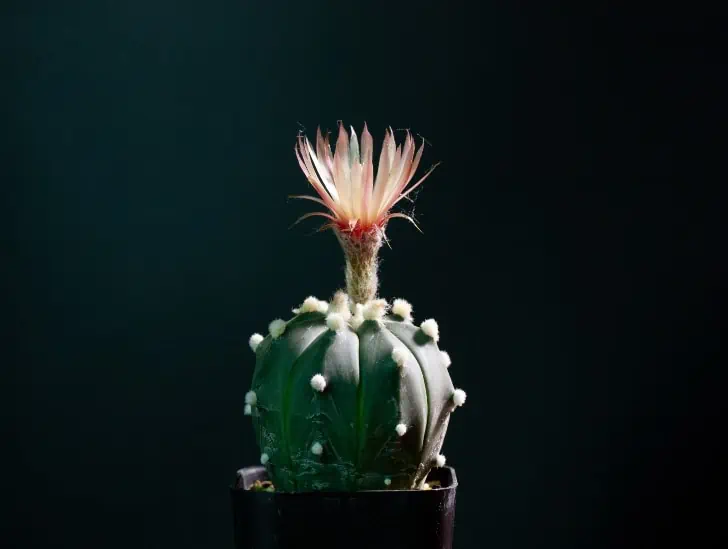
Its moderate growth rate and adaptability to container life make Bishop’s Cap a universal favorite. Whether cultivated indoors under grow lights or outdoors in suitable climates, this species rewards patient growers with mesmerizing shapes and cheerful blooms.
The Fascinating Diversity of Astrophytum Species
While Bishop’s Cap may be the emblematic figure of Astrophytum, the genus encompasses several other intriguing species that exhibit considerable diversity in form and texture. Each species possesses unique adaptations that reflect their native desert environments and idiosyncratic evolutionary paths.
For instance, Astrophytum ornatum is a larger species notable for its vertical ridges fringed with prominent white tufts and spines. This species can reach imposing heights and develop a robust trunk, lending it a tree-like appearance uncommon among cacti. In contrast, Astrophytum capricorne features long, twisted spines reminiscent of a goat’s horns—a spectacular display of defense and ornamentation.
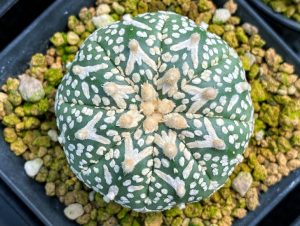
The genus also includes lesser-known but equally captivating species like Astrophytum asterias, commonly referred to as the Sand Dollar Cactus. This species is a flattened, disk-shaped marvel, almost like a living fossil, with symmetrical ribs radiating from a central point. Its surface is covered in fine white dots, giving it an almost powdery finish and a resemblance to oceanic sand dollars, hence the name.
Sand Dollar Cactus: A Botanical Gem
Astrophytum asterias, the Sand Dollar Cactus, captures attention with its extraordinary morphology. Unlike columnar or globular cacti, this species is strikingly flat and wide, often forming a perfect circular star-like shape. Its subtle patterns of white are not merely decorative but serve to reflect sunlight and reduce water loss—a masterstroke of natural design.

In cultivation, Sand Dollar Cactus requires meticulous care, particularly awareness of watering and soil composition. Its roots are delicate and prone to rot if overwatered, meaning growers must strike a balance between perseverance and restraint. The cactus flowers with remarkable yellow blossoms crowned with orange centers, a spectacle that highlights its understated charm.
Due to its rarity and distinctiveness, having a Sand Dollar Cactus in a collection is a badge of honor for many collectors. It serves as a testament to patience and horticultural skill, elevating any succulent assembly with its alien yet elegant presence.
Cultivation Techniques and Growing Conditions for Astrophytum
Understanding the cultural needs of Astrophytum species is pivotal to thriving growth. These cacti hail predominantly from xeric regions of Mexico and the southern United States, adapted to bright sunlight, well-draining soils, and periods of drought. Replicating these conditions in cultivation unlocks their greatest potential.
A porous, gritty substrate combining elements such as pumice, grit, and coarse sand provides the ideal aeration and moisture balance. Watering should be cautious—allowing the soil to dry completely before the next watering cycle imitates their native rhythms. During winter dormancy, water access should be minimal.
Sunlight is another critical factor. Most Astrophytum species favor full sun to partial shade, but intense afternoon rays in extremely hot climates may call for some shielding. When grown indoors, supplemental grow lighting ensures robust development and abundant flowering.
Propagation typically involves seed sowing, though grafting and cuttings are techniques sometimes employed to maintain certain cultivars. Patience is rewarded, as plants often take years to reach full flowering maturity, but the wait is always worthwhile.
Collecting and Appreciating Astrophytum Cacti
Astrophytum species do more than simply decorate a home or garden—they connect growers to a story of survival, adaptation, and aesthetic sophistication. Collectors prize rare variants, particularly those exhibiting unusual rib counts, patterns of trichomes, or hybrid vigor. Each cactus embodies a nuanced interplay of form and function, inviting admiration and study.
Exhibitions and specialized nurseries often showcase hybrids and cultivars derived from Astrophytum, where breeders manipulate traits to enhance color variegation, spine form, or growth habits. These innovations keep the intrigue alive and ensure that Astrophytum remains a vibrant subject in succulent horticulture.
For newcomers and experts alike, cultivating Astrophytum offers an ongoing dialogue with nature’s artistry. From the austere elegance of Bishop’s Cap to the surreal geometry of the Sand Dollar Cactus, each species stands as a testament to botanical wonder and the unending allure of desert flora.
FAQ
What are the main species of Astrophytum?
The main species include Astrophytum myriostigma (Bishop’s Cap), Astrophytum ornatum, and Astrophytum asterias (Sand Dollar Cactus).
How do I care for Astrophytum cacti?
Astrophytum cacti require well-drained soil, bright sunlight, and careful watering to avoid root rot.


Leave a Reply