

Short Answer
Have you ever wondered why some Astrophytum cacti burst into radiant clusters of flowers while others barely bloom at all? It’s a tantalizing mystery that challenges even seasoned succulent enthusiasts. These striking desert gems, cloaked in star-shaped ridges and soft flecks, promise a spectacle of blooms—but coaxing them to unveil their floral magic can feel like decoding an arcane ritual. What’s the secret behind coaxing prolific flowering from these resilient cacti? The answer lies in understanding their unique biology, environmental preferences, and subtle cultural cues that spark their spectacular floral displays.
Understanding the Astrophytum’s Blooming Cycle
Astrophytum species, known for their iconic geometry and compact stature, harbor an intrinsic blooming rhythm linked to seasonal cues and physiological readiness. Flowering typically occurs in spring and summer when the days lengthen and warmth intensifies, yet this natural cadence can be disrupted by inadequate care or environmental stressors. Recognizing the plant’s dormancy and active growth phases is essential. During dormancy, often in cooler months, the cactus conserves energy and refrains from producing flowers. Encouraging blooms thus requires nurturing a healthy growth cycle with a balanced cadence of rest and activity.
Flower buds initiate from areoles, specialized growth points nestled along the ribs. These buds demand optimal conditions: not too dry, yet not excessively moist, and enough light energy to trigger their transformation into flamboyant blossoms. Patience is a virtue here, as premature or insufficient stimuli can cause buds to abort prematurely or fail to appear altogether.
Light: The Catalyst for Floral Brilliance
One of the most pivotal factors for maximizing Astrophytum flowering is providing copious, but not blinding, illumination. These cacti thrive under vigorous sunlight, replicating their native arid habitats. However, too intense direct sun can scorch their delicate epidermis, leading to stress and diminished blooming potential. A smart approach is offering bright, filtered sunlight for at least six hours a day—morning sun paired with afternoon shade is often ideal.
Artificial lighting can also play a role, especially in climates with less natural sun. Full-spectrum grow lights that mimic the sun’s wavelengths stimulate photosynthesis and can extend the flowering season. Manipulating day length with supplemental lighting encourages flower bud formation by simulating the cactus’s preferred photoperiod.

Watering: Striking a Fine Balance
Hydration in desert plants is a delicate dance—not too lush, not too parched. Overwatering Astrophytum can drown their roots and inhibit flower development, while underwatering stunts growth and reduces energy reserves necessary for blooms. The golden rule is to water sparingly but deeply during the growth season, allowing the soil to dry out thoroughly between watering sessions.
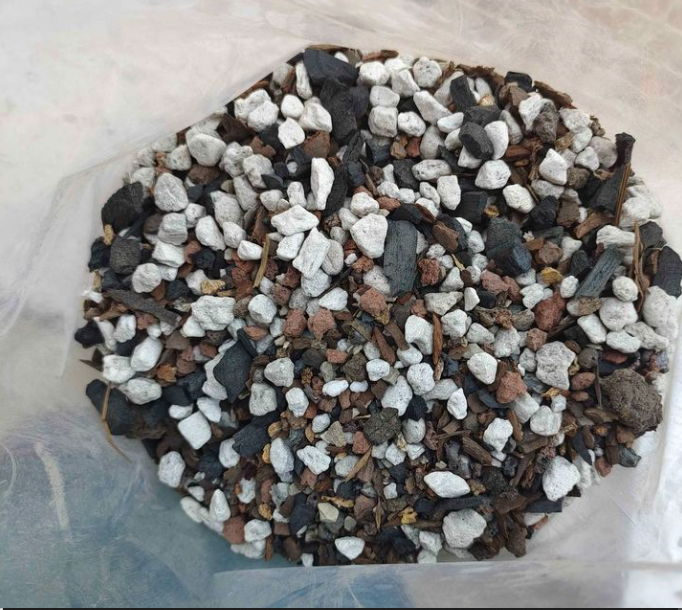
During dormancy, reduce watering drastically, almost to a trickle. This dry rest period encourages the cactus to cease vegetative growth and focus its limited resources on preparing for the next flowering cycle. Using a well-draining soil mix is crucial to prevent root rot and ensure oxygen permeates the root zone.
Nutrients: Feeding the Floral Ambitions
Like all flowering plants, Astrophytum cacti require a carefully calibrated diet to achieve prolific blooming. A fertilizer formulated specifically for cacti or succulents with a balanced or slightly phosphorus-rich NPK ratio supports robust flower formation. Phosphorus plays a vital role in root and flower development, while nitrogen promotes lush foliage.
Apply fertilizer sparingly, typically once a month during the active growing season. Avoid excessive nitrogen, which can provoke rampant leafy growth at the expense of flowers. Organic options like diluted fish emulsion or seaweed extracts can provide micronutrients and growth hormones to subtly enhance flowering vigor.
Temperature and Humidity: Simulating Native Extremes
Astrophytum species are accustomed to wide diurnal temperature swings—scorching hot days contrasted with cool nights. Mimicking these conditions can spur blooming by signaling seasonal changes to the plant’s internal clock. Daytime temperatures between 75°F and 90°F are ideal. Nighttime drops to around 55°F to 65°F encourage metabolic processes necessary for flower bud differentiation.
Humidity should remain low, as these cacti evolved in arid deserts with minimal atmospheric moisture. Excessive humidity can foster fungal diseases and inhibit the physiological cues needed for flowering. Good airflow and dry conditions around the plant are essential.
Potting and Root Health: Anchoring Blossoms from Below
Healthy roots are the unseen architects of a flourishing plant. Root crowding or poor soil aeration can stress Astrophytum and curtail blooming. Choose a container slightly larger than the root ball to avoid excessive moisture retention. Repotting every 2-3 years with fresh, gritty soil encourages vigorous root growth that sustains flower development.
Root-bound plants often divert energy into mere survival rather than reproduction. Observing root health during repotting and trimming any damaged roots fosters a resilient foundation for seasonal blooms.

Stress and Flowering: The Paradox of Challenge
Interestingly, mild stress can paradoxically encourage Astrophytum to bloom as a survival mechanism. Controlled exposure to slightly cooler nights or modest drought can shift the cactus’s energy priorities from growth to reproduction. This environmental “pressure” triggers the production of flower buds as the plant attempts to perpetuate its lineage under perceived threat.
However, this is a delicate balance. Excessive or prolonged stress damages tissue and suppresses flowering. The key is subtlety—stress enough to stimulate the plant but not so much that it compromises vitality.
Pollination and Aftercare for Successive Blooming
Once your Astrophytum bursts into bloom, successful pollination can enhance the plant’s vigor and encourage further flowering cycles. While some Astrophytum flowers self-pollinate, hand pollination using a fine brush can improve seed set and reproductive success. Pollinated flowers often contribute to healthier, more robust plants over time.
After flowering, it’s vital to continue balanced care. Reduce watering as the plant moves toward dormancy, and maintain nutrient schedules to replenish reserves used during bloom. Encouraging a natural rhythm of growth, rest, and flowering year after year transforms your Astrophytum into an enduring, blossoming spectacle.
Ultimately, the secret to maximizing Astrophytum flowering lies in attentiveness—reading the subtle signs your cactus communicates and adjusting your care tactics accordingly. With patience, precision, and a touch of horticultural romance, your Astrophytum can become not just a plant, but a vibrant canvas of desert beauty in bloom.
FAQ
What are the ideal conditions for Astrophytum flowering?
Astrophytum require bright, filtered sunlight, balanced watering, and specific temperature ranges to maximize flowering.
How often should I fertilize my Astrophytum?
Fertilize once a month during the growing season with a cactus-specific fertilizer to promote blooming.
Can stress help Astrophytum bloom?
Mild stress can encourage blooming as a survival mechanism, but excessive stress can harm the plant.
FAQ
What are the best conditions for Astrophytum flowering?
Astrophytum cacti require bright, filtered sunlight, careful watering, and a balanced nutrient supply to maximize flowering.
How often should I water my Astrophytum?
Water sparingly but deeply during the growing season, allowing the soil to dry thoroughly between watering sessions.
What type of fertilizer is best for Astrophytum?
Use a balanced or slightly phosphorus-rich fertilizer specifically formulated for cacti or succulents.
FAQ
What conditions are ideal for Astrophytum flowering?
Astrophytum cacti thrive with bright, filtered sunlight, minimal humidity, and a balanced watering schedule during their active growth phase.
How often should I fertilize Astrophytum?
Fertilize Astrophytum once a month during the growing season with a phosphorus-rich cactus fertilizer.

Leave a Reply