
Short Answer
Have you ever wondered if a cactus could grow so fast that it almost seems like it’s reaching for the sky in real time? Cereus cacti, those towering columnar beauties, challenge the typical slow-and-steady stereotype of desert plants. But with their rapid growth comes an intriguing challenge: how do you keep these verdant skyscrapers thriving while managing their impressive vigor? Delving into the world of Cereus care reveals not only their fascinating biology but also the art and science behind nurturing these majestic columnar cacti.
Understanding the Growth Habits of Cereus Cacti
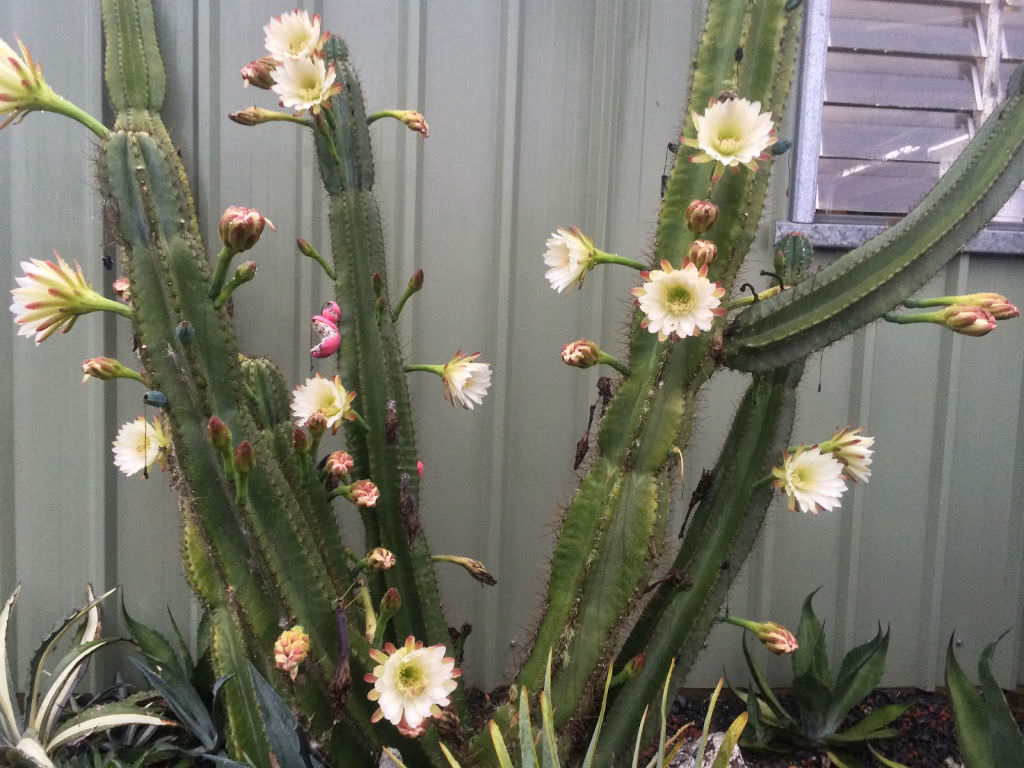
Cereus cacti are renowned for their dramatic vertical growth, often shooting upwards like green pillars that command attention in any xeriscaped garden or indoor collection. Unlike many cacti that expand laterally or remain stubby, Cereus species display a columnar habit, characterized by ribbed, elongated stems that can grow multiple feet within a growing season under optimal conditions. This rapid elongation is supported by their internal structural adaptations—thickened vascular bundles that transport water efficiently and a photosynthetic stem capable of sustaining vigorous growth without reliance on leaves.
But here’s the catch: their swift growth can become a horticultural conundrum. Without appropriate care, these giants may become top-heavy, prone to damage, or even outgrow their containers. Successfully cultivating Cereus involves more than just watering and sun placement; it demands a thoughtful approach to harness their dynamic nature.
Optimal Lighting: Harnessing the Desert Sun Indoors and Out
Light is arguably the most pivotal element in Cereus care. These cacti flourish under intense, direct sunlight, mimicking their native desert environments where brilliant equatorial sun bathes the landscape for hours on end. Providing 6 to 8 hours of direct sun daily stimulates robust photosynthesis, fueling growth and encouraging their iconic columnar form.

When grown indoors, placing Cereus near a south- or west-facing window is essential. Insufficient light can cause etiolation—where stems elongate but become weak and pale, losing their hallmark rigidity and vibrant green hues. Conversely, sudden exposure to intense outdoor sunlight can scorch delicate plants unaccustomed to such rigors. A gradual acclimatization process ensures they don’t suffer photodamage, allowing their tissues to build resilience to bright light.
Watering Regimens: Balancing Thirst and Drought Tolerance
Unlike many plants craving frequent hydration, Cereus cacti have evolved to thrive on scarcity. Yet, their fast growth demands more water compared to their more languid relatives. The key lies in striking a delicate balance between satiating their thirst and avoiding the perils of waterlogged soil.
During the active growing season—spring through early fall—deep, infrequent watering is best. Allow the soil to dry out completely between soakings; this dry-down cycle encourages root respiration and prevents root rot. In winter, when growth slows dramatically and the cactus enters dormancy, watering should be curtailed drastically or halted entirely to mimic desert dry spells.
The medium used is also crucial—well-draining, gritty soil blends that simulate desert terrain are ideal. Incorporating pumice, coarse sand, and perlite ensures excess water escapes swiftly, safeguarding the roots from suffocation and rot.
Temperature and Humidity: Crafting a Desert Microclimate
To grow vibrantly, Cereus cacti crave warmth and aridness. These desert denizens thrive in daytime temperatures ranging from 70 to 95°F. Nighttime lows can dip, but sustained freezing conditions often spell disaster.
High humidity is their nemesis. Excess moisture in the air invites fungal pathogens and causes epidermal lesions where bacterial infections can take hold. Conversely, low indoor humidity replicates their native habitat, promoting healthy transpiration and maintaining their skin’s waxy, protective coating.
If winters are harsh, bringing potted Cereus indoors or into a greenhouse is advisable to shield them from frost. Maintaining a consistent warm environment encourages sustained growth and prevents chilling injuries that could stunt development.
Propagation Techniques: Multiplying Your Columnar Giants
One of the most rewarding aspects of cultivating Cereus is their ease of propagation. While seed grows are possible, the fastest and most reliable method is through cuttings. Harvesting a healthy segment of stem and allowing it to callous for a week reduces risk of rot once planted.
Once calloused, the cutting can be placed upright in a similar gritty mix, watered sparingly until roots take hold—usually within a few weeks. This technique not only accelerates the creation of new plants but also offers a practical solution to manage size and shape by pruning existing stems.

Mastering propagation enables even novice gardeners to cultivate new specimens, expand collections, or share the spiny bounty with fellow enthusiasts, perpetuating the presence of these architectural wonders.
Fertilization: Nourishing the Rapid Growth
Though Cereus cacti are adapted to nutrient-poor desert soils, their accelerated growth cycle benefits from supplemental feeding. Use a balanced, low-nitrogen cactus fertilizer diluted to half-strength every 4 to 6 weeks during the active growth months. This promotes healthy cell elongation and strengthens stems against mechanical stress.
Avoid over-fertilizing, which can cause unnatural, straggly growth and increase susceptibility to diseases. Organic amendments like worm castings or compost tea also provide gentle nutrition and enhance soil microbiota, fostering a holistic root environment.
Pests and Diseases: Vigilance for Healthy Morphology
While Cereus cacti are relatively resilient, they are not impervious to assaults from pests like mealybugs, spider mites, and scale insects. These pests sap vitality, sometimes causing unsightly blemishes or deformities.
Regular inspection and early intervention with horticultural oils or insecticidal soaps can keep infestations at bay. Good air circulation and avoidance of overly damp conditions further reduce fungal issues such as stem rot or black spot.
Supporting and Training: Managing Impressive Heights
As Cereus cacti tower upwards, gardeners often encounter structural challenges. Branches can become heavy, or the main stem might lean under its own weight—especially in container-grown specimens.
Employing stakes or custom supports helps maintain upright posture. Strategic pruning can also redirect energy flow and encourage denser growth. Interesting architectural forms can be sculpted through patience and gentle manipulation, transforming these cacti into living sculptures.
In conclusion, tending to the exuberant Cereus cacti means embracing both their rapid, lofty growth and the nuanced balance of their desert origins. With careful attention to light, water, temperature, and nutrition, these columnar cacti reward with stunning vertical architecture and an undeniable presence that enlivens any space. Are you ready to cultivate one of nature’s most fascinating desert skyscrapers in your own garden or home?
FAQ
What type of soil is best for Cereus cacti?
Cereus cacti thrive in well-draining, gritty soil blends that simulate their native desert terrain.
How often should I water my Cereus cactus?
Water deeply but infrequently, allowing the soil to dry out completely between waterings, especially during the active growing season.
What light conditions do Cereus cacti need?
Cereus cacti require 6 to 8 hours of direct sunlight daily to flourish.


Leave a Reply