
Short Answer
In the vast botanical tapestry, the Cleistocactus stands out like a gleaming silver torch illuminating the desert dusk. This spectacular genus of columnar cacti enchants gardeners with its slender, spiny forms and cascades of delicate, tubular flowers. Among its ranks, the Silver Torch Cactus, or Cleistocactus strausii, reigns supreme, its frosty spines shimmering like a beacon under the sun. Cultivating these statuesque beauties requires a nuanced understanding of their innate desert heritage combined with a gardener’s tender care. Embark on a journey to master the art of Cleistocactus care—where grit, grace, and growth converge.
Understanding the Cleistocactus Genus: A Symphony of Slender Spires
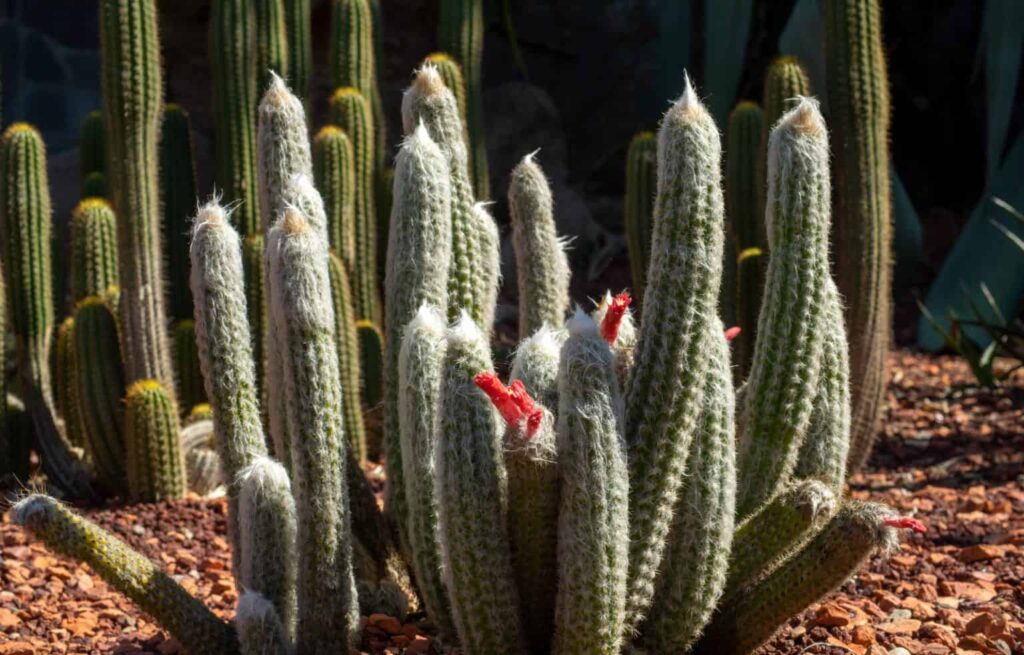
The Cleistocactus genus belongs to the cactus family, comprising species that look like armor-clad sentinels standing tall in arid landscapes. Their cylindrical stems, adorned with dense, silvery spines, resemble skyscrapers wrapped in glimmering chainmail. Among these, the Silver Torch cactus is a definitive icon, reaching impressive heights of several feet. But unlike many cacti that prioritize bulk, Cleistocacti trade girth for elegance and vertical drama.

What makes these botanical wonders captivating is not only their stature but their floral spectacle. Bright rosy or red tubular flowers peer shyly from within the spines, as if peeking through a veil of armor, a unique trait that inspired the name Cleistocactus from the Greek “kleistos,” meaning “closed.” Their flowers rarely open fully, producing a subtle, almost secretive display that invites closer inspection.
Lighting and Location: Mimicking the Desert’s Embrace
Cleistocacti are sun worshippers at heart. They thrive in dappled to full sun, basking in at least six hours of direct light daily. Think of them as desert lighthouses, their silvery spines beaming best when bathed in radiant sunlight. However, abrupt shifts from shade to blazing sun can scorch tender juvenile stems, so gradual acclimation is key.
Indoors, they should be stationed near south- or west-facing windows where the light is vivid yet gentle. Outdoors, ensure they rest in locations protected from excessive afternoon heat spikes or harsh winds that can dehydrate them quickly.
Soil and Potting: The Art of Well-Drained Foundations
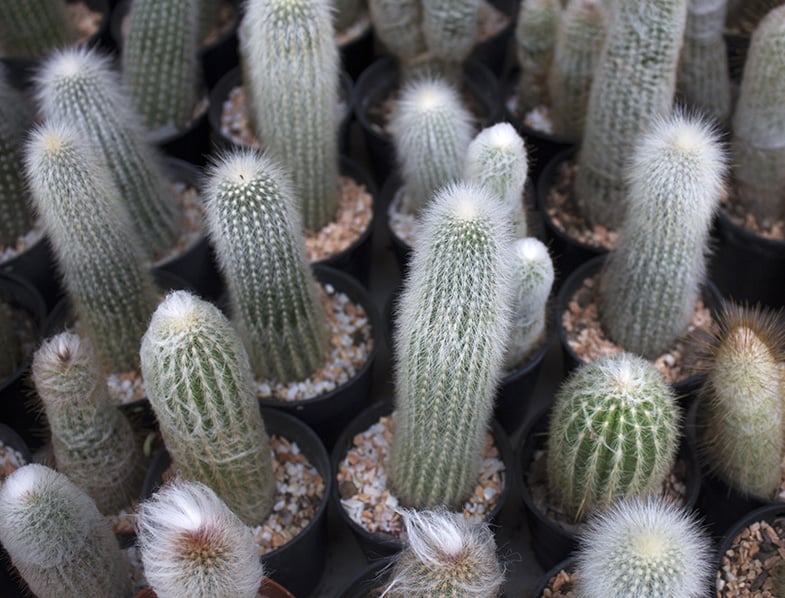
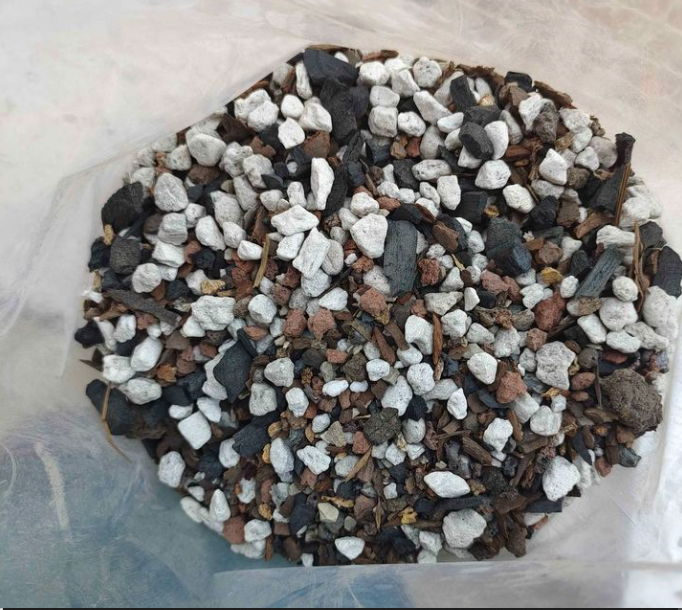
Imagine the roots of the Cleistocactus as fragile anchors searching for sparse moisture in a rugged desert floor. For this reason, well-draining soil is paramount. A gritty, sandy cactus mix enriched with pumice or perlite fosters aeration and prevents the suffocating dread of waterlogged roots.
When potting, select a container with ample drainage holes and consider terracotta pots that wick moisture away, echoing the desert’s arid conditions. Repotting every two to three years provides fresh soil and room for growth, a ritual that rejuvenates the spiny leviathan.
Watering Wisely: The Dance of Moisture and Desiccation
Watering Cleistocactus is a delicate ballet mimicking nature’s rhythms. Overzealous watering smothers its roots in suffocating wetness, leading to rot, the bane of desert plants. Conversely, withholding water during growth stunts development and dulls vitality.
During spring and summer—their active growing season—water deeply but infrequently, allowing soil to dry thoroughly between sessions. In the dormant winter months, water sparingly, sometimes not at all, as the cactus hunkers down in metabolic repose. The ultimate goal is balance: enough hydration to fuel growth, yet little enough to simulate desert scarcity.
Temperature and Humidity: Recreating the Desert’s Extremes
Cleistocactus species revel in temperature swings familiar to their native habitats in Bolivia and Argentina. Warm days between 70°F and 85°F (21°C–29°C) interspersed with cooler nights around 50°F (10°C) stimulate their natural rhythms. They tolerate brief dips below freezing but prolonged frost invites cellular damage and decay.
Humidity should be low to moderate; excessive moisture in the air encourages fungal problems. Creating airflow and avoiding crowded planting helps maintain a breezy environment suitable for the cactus’s resilience.
Feeding: Fueling the Spiny Beacon
Although they flourish in nutrient-poor soils, Cleistocacti benefit from occasional feeding during their active month stretch. A diluted, balanced cactus fertilizer administered monthly encourages robust stem elongation and vibrant flowering.
Resist the impulse to overfeed. Too much fertilizer accelerates lush growth that the plant’s architecture cannot support, leading to sagging or brittleness. Think of feeding as a whisper—subtle encouragement rather than overt coaxing.
Propagation: Multiplying the Celestial Towers
Multiplying Cleistocactus can feel like weaving new threads into the desert tapestry. Seeds germinate slowly and require patience, germinating in warm, well-lit conditions with consistent moisture.
More commonly, propagation occurs through stem cuttings. Selecting a healthy, mature stem, allowing the cut end to callous for several days, then planting it in well-drained soil often yields swift rooting. This technique replicates the natural way these cacti propagate, through fallen and rooted segments creating new growth pillars over time.
Common Pests and Troubleshooting: Guarding the Silver Torch’s Flame
The Silver Torch is hardy but not impervious. Mealybugs, spider mites, and scale insects sometimes threaten the fortress. These pests can be eradicated with careful treatment using insecticidal soaps or neem oil, ensuring the cactus’s gleaming armor remains intact.
Overwatering and poor drainage lead to root rot and stem softening, a silent killer that must be vigilantly guarded against. If yellowing or shriveling occurs, reassess watering schedules and soil conditions immediately.
Showcasing the Silver Torch: An Architectural Wonder in Any Garden
The unique appeal of the Silver Torch and its Cleistocactus kin lies in their sculptural elegance and ethereal blooms. They punctuate desert gardens with vertical brilliance, their spines casting silver shadows and their flowers offering bursts of color like fireworks in a dry night sky.
Whether as a solitary specimen or in a xeriscape composition, these cacti command attention and inspire reverence for nature’s ingenuity. Their care is a rewarding challenge that transforms any plant lover into a desert artisan.
FAQ
What are the basic care requirements for Cleistocactus?
Cleistocactus requires bright light, well-draining soil, infrequent watering during active growth, and low humidity.
How often should I water my Cleistocactus?
Water your Cleistocactus deeply but infrequently, allowing the soil to dry out completely between watering sessions.
What pests should I watch for when caring for Cleistocactus?
Common pests include mealybugs, spider mites, and scale insects. Use insecticidal soap or neem oil for treatment.

Leave a Reply