
Short Answer
Few encounters in nature awaken a blend of awe and trepidation quite like the touch of Cylindropuntia cactus spines. These formidable, tan sheathed spines—often densely clustered on trichomatic glochidiate areoles—are not merely botanical curiosities, but complex defense mechanisms that evoke both fascination and frustration. Their intricacy hints at evolutionary artistry, designed for survival in unforgiving desert landscapes, yet their tenacity often turns an innocent brush against the plant into an ordeal of precision removal. This article delves into the meticulous art and science of removing Cylindropuntia spines safely, shedding light on the enigmatic allure of these natural barbs and offering a pragmatic guide for those who find themselves face-to-face with these prickly sentinels.
Understanding Cylindropuntia Spines: The Anatomy of a Natural Defense
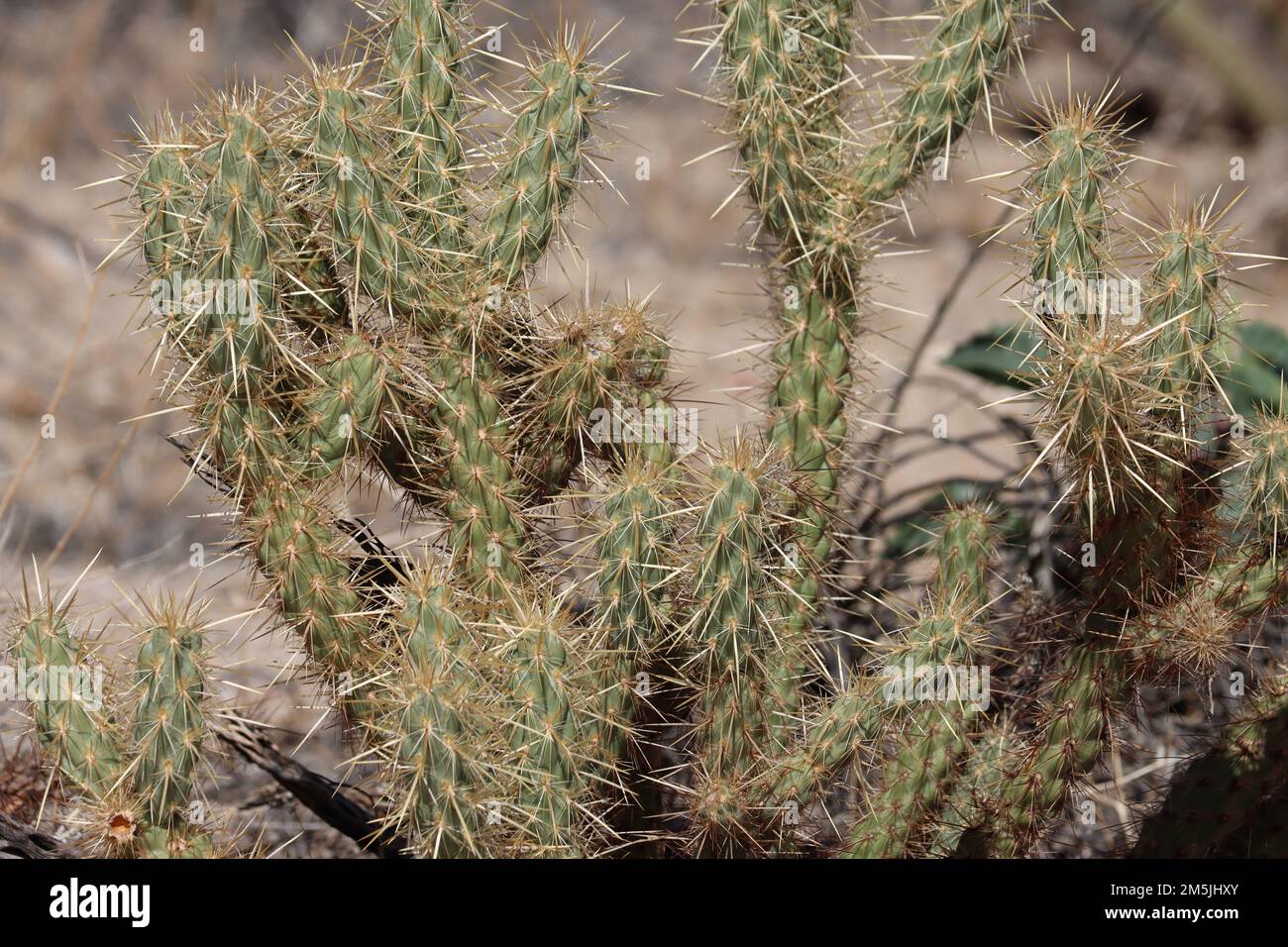
Before engaging in the removal process, understanding the anatomy of Cylindropuntia spines enriches our appreciation and informs our approach. These spines aren’t just sharp needles; they are often encased in a fine, fibrous sheath that camouflages and protects the spine’s core. Beyond their apparent rigidity lies a complex array of glochids—minute, hair-like spines that cluster in trichomes, capable of detaching with surprising ease and embedding in the skin almost invisibly. This multifaceted design renders them notoriously difficult to remove and emphasizes the need for cautious, deliberate intervention.
First Contact: Immediate Responses to Spine Penetration
When spines pierce the skin, the reaction is instantaneous—a sharp sting followed by irritation that can escalate if not addressed promptly. Recognizing the urgency of early action cannot be overstated. The microscopic glochids have barbed tips that anchor into the skin, and their removal becomes exponentially more difficult the longer they remain embedded. A careful, immediate rinse with cool water to remove surface debris is the first step, but this alone rarely suffices. Swiftly immobilizing the affected area reduces further embedding of spines, setting the stage for a more thorough extraction.
Essential Tools for Safe and Effective Spine Extraction
Preparation is key in confronting Cylindropuntia spines. A suite of specialized tools serves to navigate the delicate task: fine-tipped tweezers designed to grasp the thinnest glochids, magnifying lenses to identify the minuscule intrusions, adhesive tape for gentle surface lifting, and antiseptic solutions to prevent infection post-extraction. None of these tools functions well in isolation. The synergy between precise instruments and steady hands transforms the ordeal from a harrowing experience into a manageable procedure.
Step-by-Step Guide to Removing Cylindropuntia Spines
The extraction process is as much an art as it is a methodical science. Begin by thoroughly washing your hands and the affected area to minimize infection risk. Employ a magnifying glass to locate embedded spines, particularly the nearly invisible glochids. Next, use tweezers to clamp close to the skin and carefully pull each spine out in the direction it entered—avoiding breakage or deeper embedding. For stubborn clusters, an adhesive tape method can lift superficial spines without additional discomfort. Persistence is essential, as even a single overlooked glochid can cause prolonged irritation.
Post-Removal Care: Soothing and Healing the Skin
Extracting the spines is only half the battle. Post-removal care plays a pivotal role in ensuring the skin heals promptly and avoids complications like infection or granulomas—small, inflamed nodules caused by retained spines. After extraction, cleansing the site with a mild antiseptic is mandatory. Application of soothing agents such as aloe vera or hydrocortisone cream helps reduce inflammation. Monitoring the area over subsequent days ensures that any emerging symptoms—redness, swelling, or persistent pain—can be addressed swiftly with medical attention if needed.
Preventive Measures and Respectful Coexistence
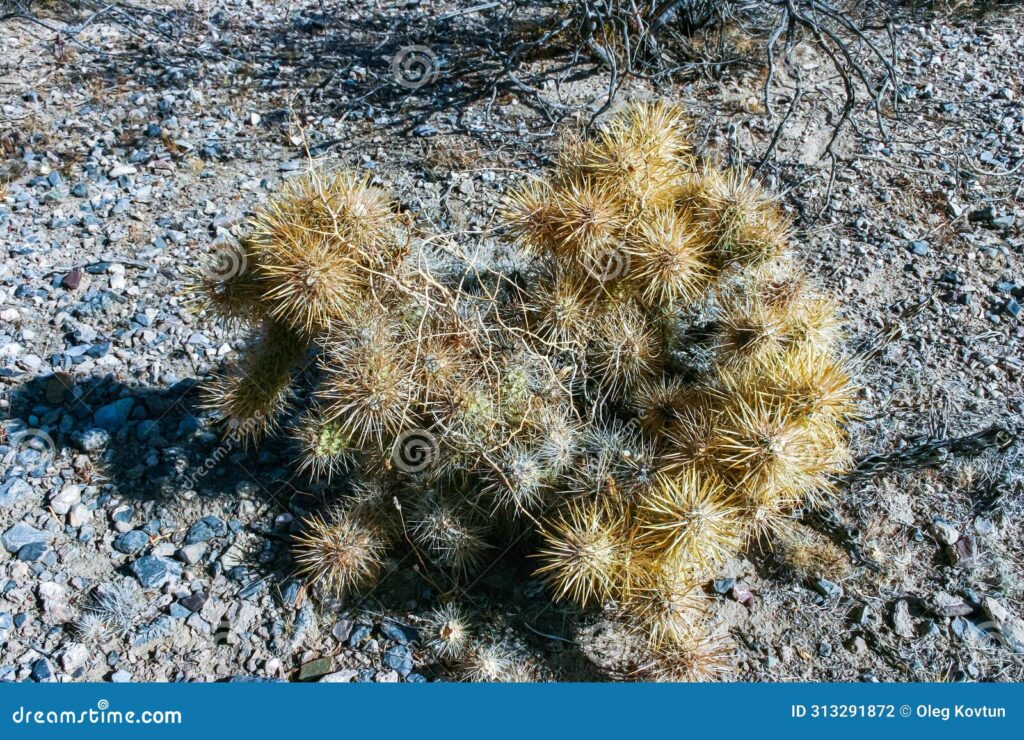
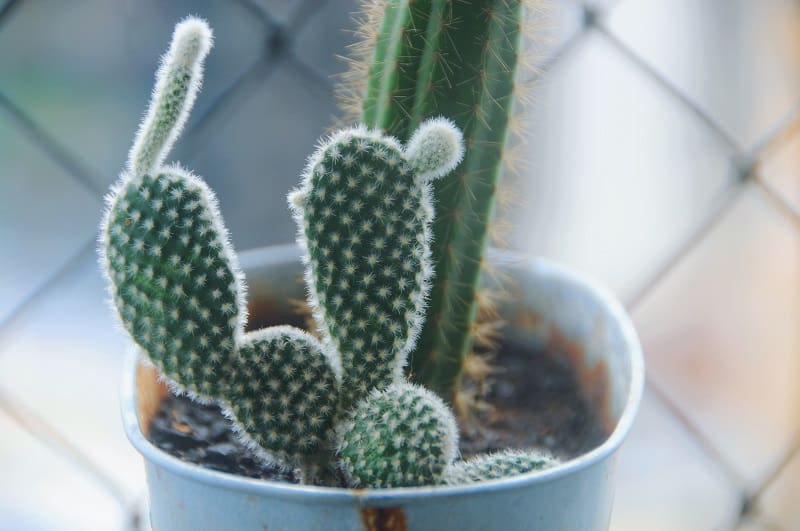
Given the persistent nature of these spines, prevention remains the best strategy. Wearing protective clothing—thick gloves, long sleeves, and sturdy boots—can dramatically reduce the chances of unwanted contact. Awareness of the plant’s habitat and growth patterns aids in avoidance. Yet, beyond caution, there lies a profound respect for these resilient desert dwellers. Their tenacious yellow spines, sometimes seen in clusters on plants such as the Teddy Bear Cholla, embody survival and resistance—qualities that command awe as much as caution.

The Psychological Intrigue: Why the Fascination Persists
What fuels our curiosity about these cacti, despite their painful reputation? Perhaps it is the paradox of beauty and danger—the rich tawny spines that form almost hypnotic patterns against stark desert backdrops. Or the challenge they pose: how something so seemingly simple as a cactus spine can resist removal and command respect through pain and persistence. For some, the ordeal of extraction becomes a rite of passage, a small conquest over nature’s more prickly obstacles—a testament to human resilience and care.
When to Seek Professional Medical Assistance
Despite the best efforts, some spine injuries necessitate professional intervention. If spines penetrate deeply, become infected, or cause excessive swelling or pain, immediate medical evaluation is warranted. Specialists may use advanced imaging to locate embedded fragments or administer tetanus prophylaxis if the injury is significant. Ignoring these signs risks complications that overshadow the initial discomfort. Medical professionals bring both the skill and sterile environment necessary for complicated removals and ensuring a safe recovery.
Conclusion: Embracing Knowledge for Safer Interactions
Removing Cylindropuntia spines is a nuanced endeavor demanding respect, readiness, and reverence for the natural world. It invites a deeper appreciation for these desert marvels—plants that appear as sentinels of an arid wilderness. With careful technique, informed preparation, and persistent care, the pain of a spine encounter can transform from a moment of distress to an experience of understanding. Mastery over the extraction process ultimately reflects a harmonious balance: humanity’s ability to coexist with nature’s most enigmatic and resilient creations.
FAQ
What are Cylindropuntia spines?
Cylindropuntia spines are sharp, barbed structures that protect the cactus and can cause irritation if they penetrate the skin.
How can I safely remove Cylindropuntia spines?
Use fine-tipped tweezers, adhesive tape, and antiseptic solutions to carefully extract the spines, ensuring to pull them out in the direction they entered.
What should I do if I can't remove a spine?
If a spine remains embedded or causes severe irritation, seek professional medical assistance for safe removal.


Leave a Reply