
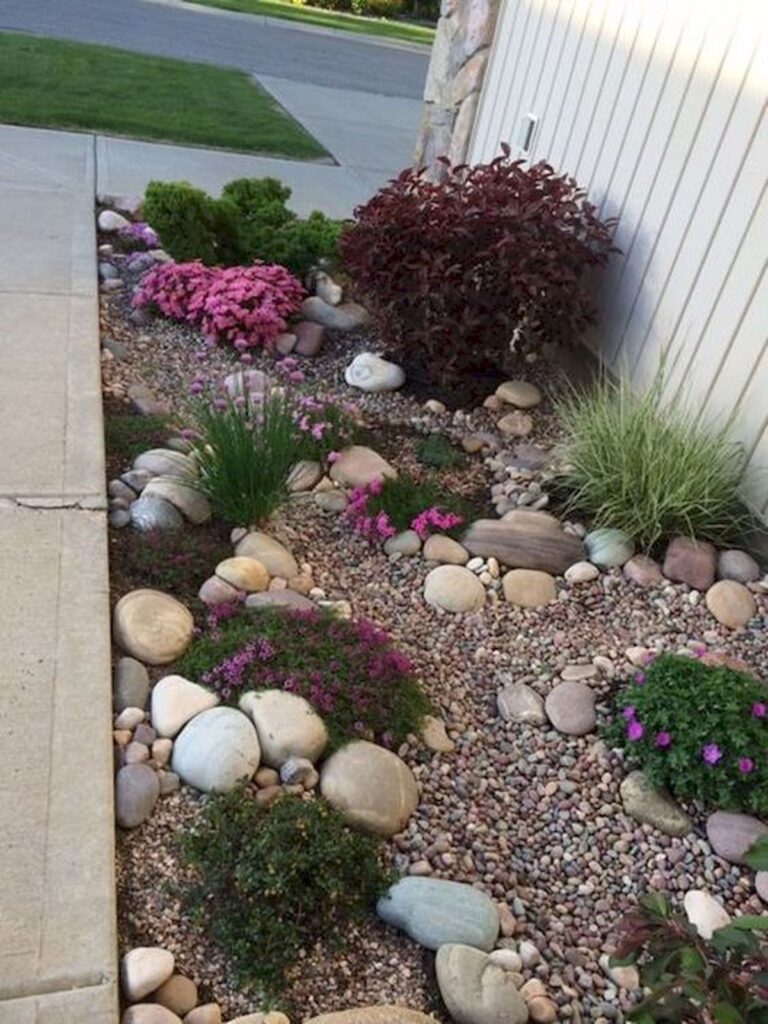
Short Answer
Rock gardens have a timeless allure, evoking natural elegance and a rugged charm that complements all kinds of outdoor spaces. Among the many plants that thrive in these environments, Echinocactus—the iconic barrel cactus—stands out as a captivating choice. Its globular form, ribbed texture, and striking spines bring both architectural boldness and subtle complexity to rock garden designs. Embracing Echinocactus in your rock garden offers a harmonious blend of sculptural artistry and xerophytic resilience, creating a breathtaking landscape that endures.
The Allure of Echinocactus in Rock Gardens
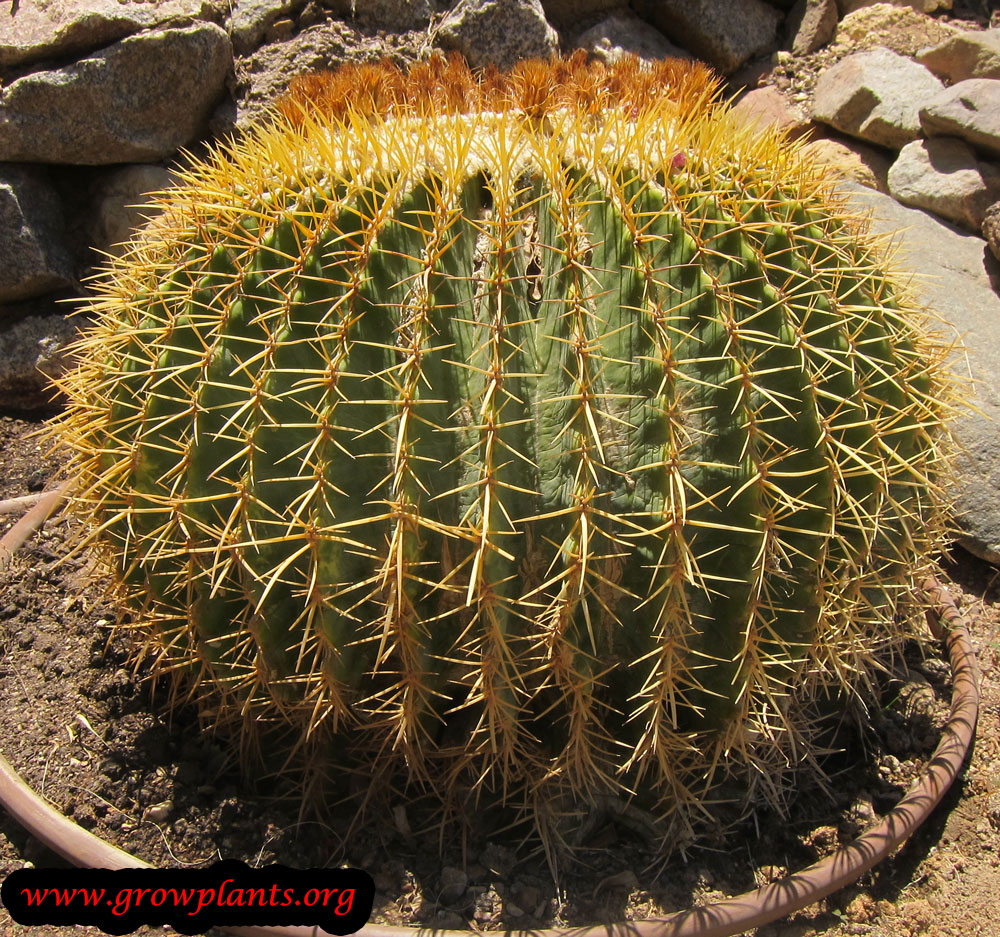
Echinocactus, commonly known as barrel cactus, is a succulent jewel native to arid and semi-arid regions. Its robust, rounded silhouette can evoke the look of a natural boulder, perfectly echoing the rocky canvas it inhabits. Beyond mere aesthetics, Echinocactus delivers a tactile contrast with its stout spines and intricate ribbing, inviting a touch of exoticism and intrigue in garden compositions. Its unique physiology adapts splendidly to well-drained, gravelly substrates, making it an impeccable candidate for rock gardens in drought-prone regions.
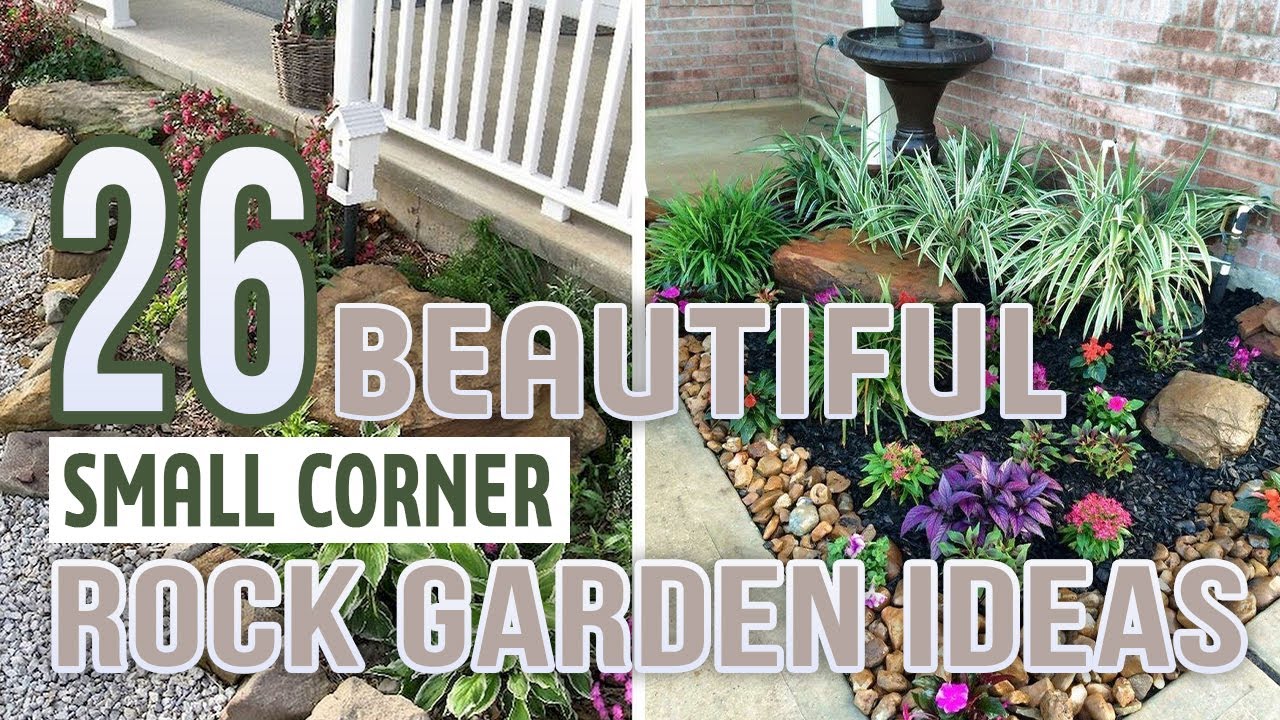
Selecting the Perfect Echinocactus Species for Your Garden
The genus Echinocactus encompasses several species, each bringing distinct textural and visual characteristics. For instance, Echinocactus grusonii, often referred to as the Golden Barrel, boasts radiant golden spines that glow in sunlight, making it a stellar focal point. In contrast, Echinocactus texensis features darker spines and a more muted green hue, lending a subtle sophistication amidst stoniescapes.
When planning your rock garden, consider the size parameters as well. Golden Barrels can grow impressively large over time, potentially dominating smaller beds. Smaller species like Echinocactus horizonthalonius integrate gracefully into mixed succulent settings, allowing interplay with other xerophytes and textured rocks. Harnessing the diversity within the genus allows for layered visual interest and a choreographed rhythm throughout the garden space.
Designing Around Echinocactus: Principles for Harmonious Placement
Placing Echinocactus thoughtfully is essential to elevate its natural grandeur. Positioning these cacti where sunlight bathes their golden spines enhances their luminescence, creating a captivating spectacle during dawn and dusk. Their spherical form thrives on contrast against rugged stones, coarse gravel, or skeletal driftwood, which accentuate their smooth, curvilinear profiles.
Grouping Echinocactus with complementary succulents like agaves, yuccas, and sedums encourages textural dialogues. The spikes of Echinocactus juxtapose crisply against broad, smooth leaves and delicate flower stalks, establishing a symphony of lines and silhouettes. Additionally, strategic elevation—placing larger specimens on gentle slopes or raised beds—provides visual hierarchy and guides the viewer’s gaze.
:max_bytes(150000):strip_icc()/how-to-build-rock-gardens-2132674-hero-0ca8dc4580c9495c8fea6ed3db29f92f.jpg)
Soil and Drainage Considerations for Thriving Echinocactus
One of Echinocactus’s most defining features is its adaptation to arid, well-drained soils. To replicate these conditions, the soil mix should be gritty, fast-draining, and low in organic matter. Typical recommendations include combining coarse sand, gravel, and a minimal quantity of composted material. This not only prevents water accumulation but also enables oxygenation around the roots, crucial in averting rot.
Incorporating a subtle layer of crushed stones or decorative gravel around the base of the cacti aids in moisture regulation and stabilizes the plant, especially on slopes. This mineral mulch also helps protect the roots from temperature extremes, shielding the plant during winter and scorching summer spells.
Seasonal Care and Maintenance for Longevity
While Echinocactus is remarkably hardy, ensuring its health within a rock garden requires mindful seasonal care. In hot summers, sporadic watering can stimulate healthy growth but avoid excess moisture. Typically, watering once every few weeks suffices, depending on the ambient humidity and rainfall patterns. During winter, depending on your climate zone, watering should be drastically reduced or halted to encourage dormancy.
Pruning is minimal, usually limited to removing old flower stalks or any damaged tissue. Watch for pests such as mealybugs, which can occasionally afflict these species, and address infestations promptly with recommended organic treatments. Regular visual inspections sustain plant health and preserve the pristine aesthetic of your garden.
Creative Layout Ideas Featuring Echinocactus
Transforming your rock garden with Echinocactus invites boundless creativity. For a minimalist statement, cluster a trio of Golden Barrels at different heights on a bed of volcanic rocks, allowing shadows and light to choreograph throughout the day. Another compelling approach is integrating Echinocactus into a dry riverbed design, where meandering stones simulate a natural arid wash, punctuated with resilient cacti.
Consider adjoining pathways lined with low-growing succulents that lead the eye to the majestic presence of barrel cacti. The contrast between the organic geometry of the cacti and the raw texture of stones fosters dynamic visual tension. Adding rustic elements such as weathered metal sculptures or antique pottery enhances the narrative, personalizing your rock garden experience.

Enhancing Biodiversity and Sustainability
Although Echinocactus thrives in harsh conditions, integrating it into a well-balanced rock garden contributes to the microecosystem’s vitality. Its flowers attract native pollinators such as bees and hummingbirds, adding a lively dimension to your outdoor environment. Creating pockets of habitat with rocks and mulch around plants supports beneficial insects and small reptiles.
Utilizing drought-tolerant Echinocactus reduces water consumption significantly, aligning with sustainable gardening principles. Implementing rainwater harvesting or drip irrigation systems can further optimize resource use, making your rock garden as eco-conscious as it is stunning.
Conclusion: Elevating Rock Gardens with Echinocactus
Echinocactus is more than just a plant—it is an elemental piece of living sculpture that elevates rock garden aesthetics to impressive heights. With its distinctive form, adaptability, and timeless beauty, it bridges the artistic and ecological aspirations of modern landscaping. Thoughtful species selection, strategic placement, and attentive care ensure your Echinocactus thrives, offering years of visual delight and inspiring tales from the arid landscapes they hail from.
FAQ
What is Echinocactus?
Echinocactus, commonly known as barrel cactus, is a succulent native to arid regions, known for its rounded shape and spines.
How do I care for Echinocactus in a rock garden?
Ensure well-drained soil, water sparingly, and position in full sunlight to thrive.


Leave a Reply