
Short Answer
The enchanting world of Echinocactus, often recognized by their iconic barrel shapes, invites gardeners and succulent enthusiasts alike to explore their robust beauty and tenacious nature. Among these desert dwellers, the Barrel Cactus and the Blue Barrel Cactus stand out not only for their striking appearances but also for their fascinating growth habits and resilient characteristics. Cultivating these cacti can be a deeply rewarding experience, especially when equipped with detailed knowledge about their specific needs and care requirements. Dive into this comprehensive guide where every aspect, from propagation to soil preferences, is meticulously unpacked to help you foster thriving specimens in your home or garden.
Recognizing the Diverse Forms of Echinocactus
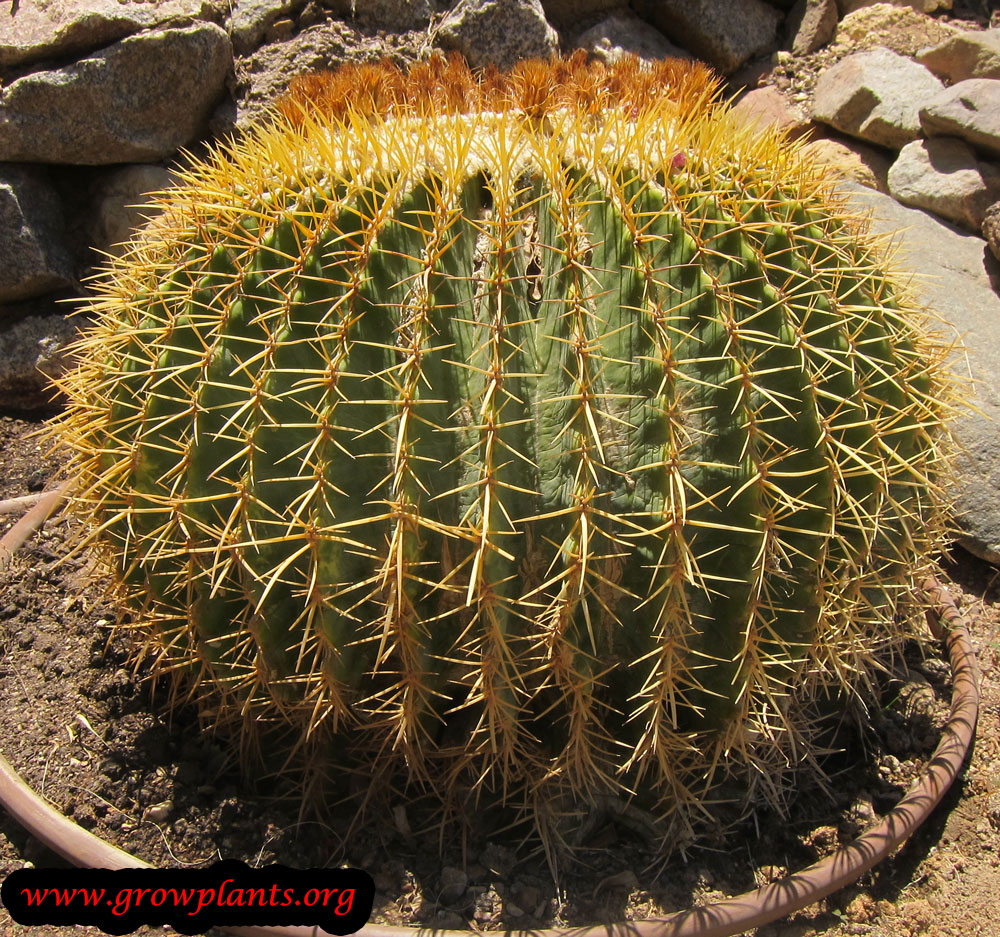
The genus Echinocactus embodies a spectrum of barrel-shaped cacti renowned for their stout, ribbed bodies and formidable spines. Among the myriad species, the traditional Barrel Cactus (Echinocactus grusonii) and the Blue Barrel Cactus (Echinocactus platyacanthus) capture the imagination with contrasting hues and forms. The Barrel Cactus flaunts a vibrant emerald green skin adorned with conspicuous golden spines, evoking a classic desert iconography. In contrast, the Blue Barrel Cactus is distinguished by its stunning powdery blue epidermis, which amplifies its ornamental appeal.
Visual appreciation of these beauties is enhanced by their robust spherical bodies that mature into mighty columns over the years. Each species presents slightly different growth rates and ultimate sizes, with the Blue Barrel tending to achieve larger dimensions under favorable conditions.

Optimal Growing Conditions: Light, Temperature, and Humidity
To nurture Echinocactus effectively, understanding their native environment is paramount. These cacti thrive under intense sunlight, replicating the stark conditions of arid deserts. Full sun exposure—preferably a minimum of six hours daily—is critical for stimulating healthy growth and sustaining their vibrant coloration. Insufficient light often leads to etiolation, where the cactus elongates and weakens in a desperate search for more sun.
Temperature preferences align with warm climates, comfortably flourishing in daytime highs ranging from 85°F to 105°F (29°C to 40°C). While Echinocactus can endure cooler temperatures, prolonged exposure below 50°F (10°C) can induce stress or damage, making frost protection essential in temperate zones.
Humidity levels should be kept low, simulating the dry air typical of their desert origins. Excess moisture in the atmosphere or soil can easily promote fungal diseases or root rot, two of the most formidable adversaries of barrel cacti.
Soil Composition and Potting Techniques
The success of growing barrel cacti hinges upon excellent soil drainage and minimal water retention. A meticulously crafted substrate enhances root aeration and prevents stagnant moisture, which can precipitate decay. Ideal soil blends combine coarse sand, perlite, and mineral grit with a modest organic component, ensuring both nutrient availability and rapid drainage.
When potting, containers with ample drainage holes are indispensable. Terra cotta pots are highly favored due to their porous nature, allowing excess moisture to evaporate readily. Repotting every two to three years invigorates growth by replenishing nutrients and providing more space for the roots to expand.
Watering Regimens: Balancing Hydration and Drought
Barrel cacti exhibit remarkable drought tolerance, making overwatering their most common pitfall. Watering schedules should mimic natural rainfall patterns—frequent in spring and summer but sparing during autumn and winter dormancy. During the growing season, a thorough soaking that allows water to drain freely through the pot is recommended but only after the soil has completely dried out from the previous watering.
In winter months, watering should be virtually ceased or reduced drastically, as the cactus enters a period of rest. Overhydration at this time can be fatal, triggering root rot and other fungal pathogens. Observing the feel of the soil and the cactus’ firmness can aid in gauging hydration needs more accurately than a rigid schedule.
Fertilization for Robust Growth and Vivid Coloration
While barrel cacti are undemanding, a carefully applied fertilization regimen can significantly enhance their vigor and appearance. Use a balanced, diluted cactus fertilizer once a month during the active growing season, typically from late spring through summer. Fertilizers low in nitrogen but rich in phosphorus and potassium are especially beneficial for flower production and reinforcing the thick, ribbed epidermis.
Avoid fertilizing during dormant periods to prevent stimulating unwelcome soft tissue growth susceptible to damage and disease.
Propagation: From Seeds to Offsets
Expanding your Echinocactus collection can be a gratifying endeavor, with two primary techniques employed: seed propagation and offsets division. Growing from seed allows the enthusiast to witness the complete life cycle, albeit requiring patience since germination can be slow and early development delicate.
Seedlings need warmth, bright indirect light, and a stable moisture level, often necessitating a greenhouse or controlled environment. Conversely, mature barrel cacti occasionally produce offsets, smaller cacti growing at the base, which can be carefully separated and potted individually after allowing wounds to callous over.
Pest and Disease Management
Barrel cacti exhibit natural resilience but remain vulnerable to certain pests and ailments. Common adversaries include mealybugs, spider mites, and scale insects, which sap vitality by feeding on plant tissues. These pests can be thwarted through diligent inspection, removal, and the application of horticultural oils or insecticidal soaps when necessary.
Fungal infections, often exacerbated by overwatering or poor air circulation, demand immediate attention. Root rot is a prevalent concern and is best averted through preventative cultural practices rather than reactive treatments, underscoring the importance of dry substrates and appropriate watering.
Landscaping with Barrel Cacti: Designing Desert Elegance
Beyond individual cultivation, Barrel and Blue Barrel Cacti serve as captivating focal points in xeriscaping and desert garden designs. Their architectural form and contrasting colors offer dramatic visual interest, lending a sculptural brilliance that complements gravel beds, succulents, and drought-resistant flora.
Incorporating these cacti into a landscape requires strategic planning to accommodate their full-grown size and ensure they receive unfiltered sunlight. Grouping them with complementary plants such as agaves, yuccas, and ornamental grasses enhances textural diversity while conserving precious water resources.
Embracing the rewarding journey of cultivating Echinocactus enriches any gardener’s repertoire, combining aesthetic pleasure with the satisfaction of nurturing a hardy desert treasure. With mindful care and keen observation, these barrel cacti transform from simple plants into enduring symbols of resilience and rugged beauty.
FAQ
What are the ideal light conditions for Echinocactus?
Echinocactus thrive under full sun exposure, requiring at least six hours of sunlight daily for optimal growth.
How often should I water my barrel cactus?
Watering should mimic natural rainfall patterns, with thorough soakings during spring and summer, and minimal watering during autumn and winter dormancy.
What type of soil is best for Echinocactus?
A well-draining soil mix that includes coarse sand, perlite, and mineral grit is ideal for Echinocactus.
FAQ
What are the ideal light conditions for Echinocactus?
Echinocactus thrives in full sun exposure, requiring a minimum of six hours of direct sunlight daily.
How often should I water my Barrel Cactus?
Watering should mimic natural rainfall, being frequent in spring and summer, and reduced during autumn and winter dormancy.
What type of soil is best for Barrel Cacti?
A well-draining soil mix of coarse sand, perlite, and mineral grit is ideal to prevent root rot.
FAQ
What are the ideal light conditions for Echinocactus?
Echinocactus thrives in full sun exposure for at least six hours daily.
How often should I water my Barrel Cactus?
Watering should mimic natural rainfall patterns, frequent in spring and summer, and reduced during fall and winter.
What type of soil is best for Barrel Cacti?
A well-draining mix of coarse sand, perlite, and mineral grit with minimal organic matter is ideal.
Leave a Reply