
Short Answer
Vibrant, resilient, and intriguingly spiky, the Echinocereus genus—commonly dubbed the “Hedgehog Cacti”—has captured the hearts of succulent aficionados around the globe. With their flamboyant blossoms and kaleidoscopic stems, these cacti bring a mesmerizing splash of desert color to any collection. Although their rugged exterior betrays their toughness, nurturing these beauties requires gentle understanding and a touch of passion. Dive into the vibrant world of Echinocereus care and discover how to cultivate these striking cacti to their fullest, most colorful potential.
Understanding the Diversity within Echinocereus
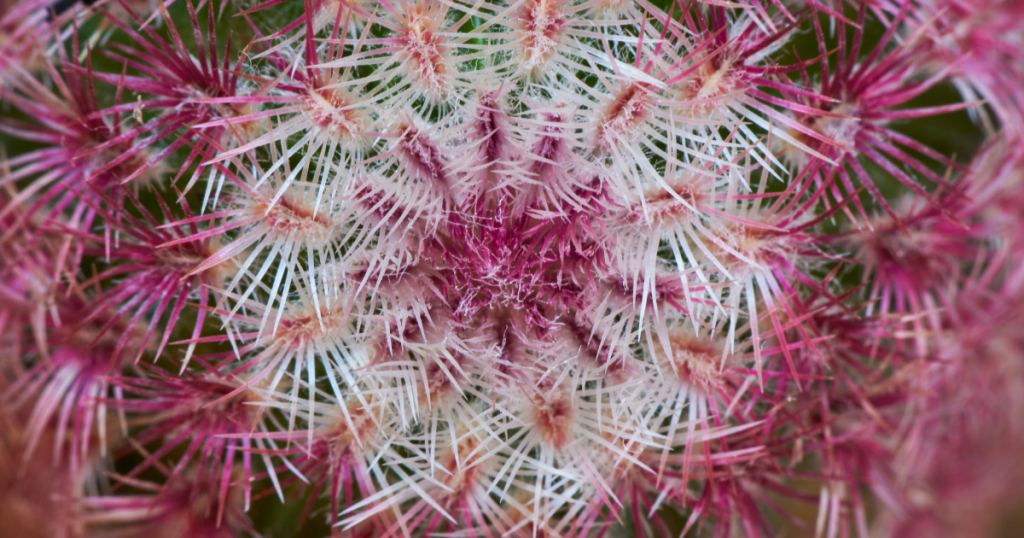
The genus Echinocereus encompasses an eclectic range of species, each with unique hues, shapes, and growth habits. From the spectacularly variegated Rainbow Hedgehog Cactus to the compact, globular species that bloom in flamboyant magentas and yellows, the diversity is astounding. The allure lies not only in their vivid flowers but also in their intriguing stem patterns—some banded with stripes, others adorned with contrasting spines that mimic tiny fireworks frozen in time.
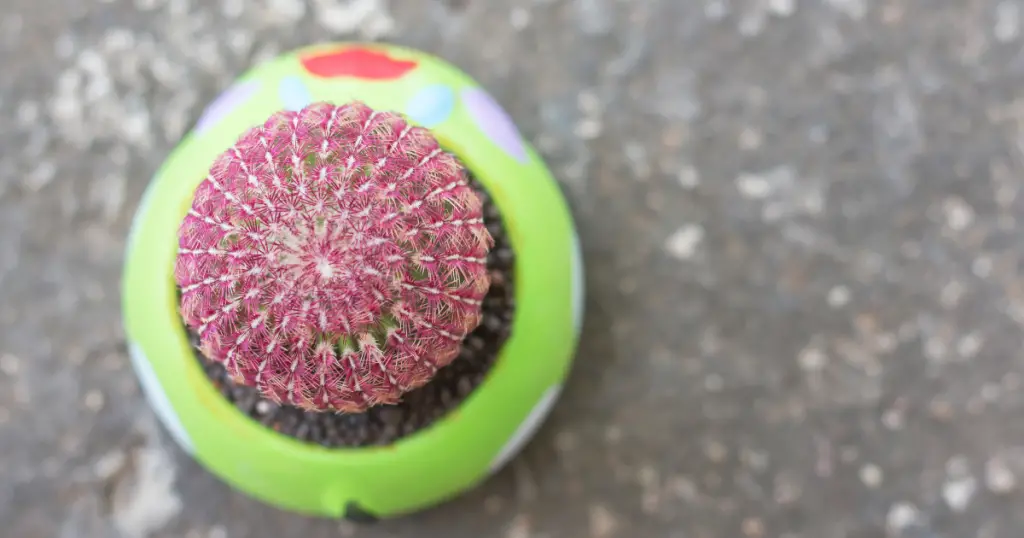
Exploring this diversity begins with choosing the right species suited to your environment. Some Echinocereus varieties thrive in bright, direct sunlight while others prefer partial shade. The Rainbow Hedgehog Cactus, for example, is renowned for its dazzling striping on the stem and can develop breathtaking color changes in response to environmental conditions, making it a favorite among collectors. Embracing this diversity enriches the succulent journey and broadens one’s horticultural horizons.
Ideal Lighting: Harnessing the Sun’s Radiance
Echinocereus cacti are desert denizens and crave abundant light to thrive. Their vibrant coloration and prolific flowering heavily depend on receiving the right intensity of sunlight. Ideally, these plants should bask in bright, direct sunlight for at least six hours a day. Too little light results in etiolation—a leggy, stretched appearance—and dulls both stem coloration and flower production.
Nonetheless, some species exhibit sensitivity to scorching midday sun, especially when newly propagated or in extremely hot climates. In such cases, filtered sunlight or morning sun combined with afternoon shade creates a sanctuary that promotes healthy growth without sunburn. Employing adjustable shading or positioning near south or west-facing windows can help balance sunlight exposure indoors, allowing your Echinocereus to flourish vibrantly.

Watering Wisdom: Mastering the Desert Hydration Rhythm
Watering Echinocereus demands a fine balance—too much and roots rot; too little and growth stagnates. These cacti have evolved to tolerate prolonged drought, storing precious water in their fleshy stems. During their active growing season in spring and summer, they appreciate a deep soak followed by complete soil drying before the next watering. This emulates their native desert pulse: sporadic bursts of rain followed by dry spells.
In winter, a near-dormant state takes over. Watering becomes infrequent, sometimes ceasing altogether, to prevent root rot and encourage flowering cycles. The substrate’s texture is paramount—fast-draining cactus mixes blended with perlite or pumice ensure excess moisture escapes swiftly, mimicking arid desert soil.
Soil Composition: Crafting the Perfect Desert Bed
To thrive, Echinocereus cacti require a substrate that replicates their native terrain. The secret lies in a gritty, porous medium that promotes drainage yet retains sufficient moisture for root uptake. Commercial cactus and succulent mixes often provide a solid foundation, but enhancing them with additional inorganic materials, such as pumice, lava rock, or coarse sand, improves aeration and prevents soil compaction.
Healthy roots breathing in crisp air are crucial to ward off fungal infections and root rot. Furthermore, the mildly alkaline to neutral pH (around 6.5 to 7.5) aligns with their natural desert habitat, fostering optimal nutrient availability. Investing time in creating such a soil environment offers your Hedgehog Cacti the ideal foothold for prosperous growth.
Fertilization Practices: Feeding for Flourishing Flowers
Though hardy and self-sufficient, Echinocereus plants respond spectacularly to judicious fertilization during active growth periods. Applying a low-nitrogen, high-phosphorus fertilizer nourishes root systems and stimulates blooming—phosphorus being essential for vibrant flowers and robust stems. Use a diluted, water-soluble fertilizer approximately once every four to six weeks from spring to early fall.
Avoid over-fertilizing, as excessive nutrients can diminish flower production and promote weak, elongated growth. Organic options such as worm castings or balanced succulent blends also encourage subtle, steady nutrient release, enhancing soil health over time. Feeding these cacti carefully grants them the nourishment critical to producing glorious, intensely pigmented blooms.

Propagation Techniques: Multiplying Your Hedgehog Family
Propagation offers an exciting gateway into expanding your Echinocereus collection. These cacti are highly amenable to propagation through offsets, cuttings, or seed sowing. Offsets—small pups that sprout at the base of mature plants—can be carefully separated once they’ve developed sufficient roots, offering the quickest and most reliable multiplication method.
Stem cuttings are another popular avenue; after a callus forms on the cut surface (typically several days), plant the cutting in a dry, sandy medium and withhold water for a week to prevent rot. Seeds require patience and meticulous care but reward growers with genetic variety and the thrill of nurturing cacti from inception. Each method deepens the connection to these plants and unravels the marvels of desert propagation.
Pest and Disease Management: Maintaining a Healthy Hedgehog
Though generally resilient, Echinocereus cacti can fall victim to common succulent pests such as mealybugs, spider mites, and scale insects. Regular inspection—especially beneath spiny ribs and in crevices—facilitates early detection and swift eradication. Applying insecticidal soap or neem oil is effective against many infestations. Quarantine new plants before introducing them to your collection as a precaution.
Fungal maladies, primarily root rot, arise when soil remains excessively moist. Preventive care—well-draining soil and conservative watering—remains the best defense. If root rot is suspected, promptly remove affected roots, repot into fresh substrate, and reduce watering frequency. Vigilantly maintaining hygiene and environmental balance promotes vitality and longevity for your Hedgehog Cacti.
Seasonal Care: Preparing for Rest and Renewal
Seasonal rhythms govern Echinocereus growth cycles. Spring heralds awakening; increased water, light, and fertility spur vigorous growth and flowering. Summer’s intensity demands vigilant monitoring of water and sun exposure to avoid stress. As autumn approaches, taper watering and cease fertilization to acclimate the plant for dormancy.
Winter is a restful season. Cooler temperatures and reduced watering mimic natural climatic shifts, fostering root recuperation and future bloom readiness. Shielding from frost and extreme cold is essential, as these cacti are sensitive to freezing temperatures. Adjust your care regimen accordingly to synchronize with this natural ebb and flow.
Creating a Stunning Display: Integrating Echinocereus in Your Garden
Echinocereus cacti make exceptional focal points in succulent arrangements and xeriscaping projects. Their vibrant stems and flowers contrast beautifully against muted desert peers like agaves and aloes, providing visual intrigue and dynamic texture. Consider grouping multiple species with varying heights and colors for a miniature desert tableau bursting with life.
In containers, jewel-toned pots enhance their exotic allure. Combining them with gravel mulches not only supports drainage but accentuates their rugged, natural beauty. Whether nestled in garden beds or showcased on sun-drenched balconies, these Hedgehog Cacti radiate charismatic charm and invite admiration.
Embracing the captivating world of Echinocereus care is a gratifying endeavor, blending horticultural skill with artistry. Their kaleidoscopic forms and undaunted spirit inspire both novice and seasoned growers alike. By mastering light, water, soil, and propagation nuances, you unlock the door to a vibrant oasis of color right at your fingertips. Step boldly into this desert fantasia and watch your Rainbow Hedgehog Cacti flourish beyond your wildest dreams.


Leave a Reply