
Short Answer
In the vast botanical symphony of succulents, few performers captivate quite like the Uebelmannia. This enigmatic cactus, cloaked in a sculptural armor of ribs and spines, transforms into a delicate spectacle when it finally chooses to bloom. The flowering of Uebelmannia is akin to a whisper from the desert’s soul—a rare and poetic event that hints at the extraordinary resilience and understated beauty wrapped within its spiny facade. To witness and nurture these floral gems is to partake in an intimate dialogue with nature, one that demands patience, precision, and a touch of reverence.
The Enigmatic Charm of Uebelmannia Blooms
Unlike the ostentatious fireworks of many flowering plants, Uebelmannia flowers are subtle yet mesmerizing. They emerge like pale jewels nestled along the cactus’s sculpted ribs, bearing delicate petals that contrast the rugged texture of their host. The blooms, often described as ethereal, seem to float above the tough exterior, a silent testament to the plant’s tenacity and evolutionary artistry. These flowers are not mere embellishments; they are evolutionary masterpieces designed to attract specific pollinators in their native harsh habitats.
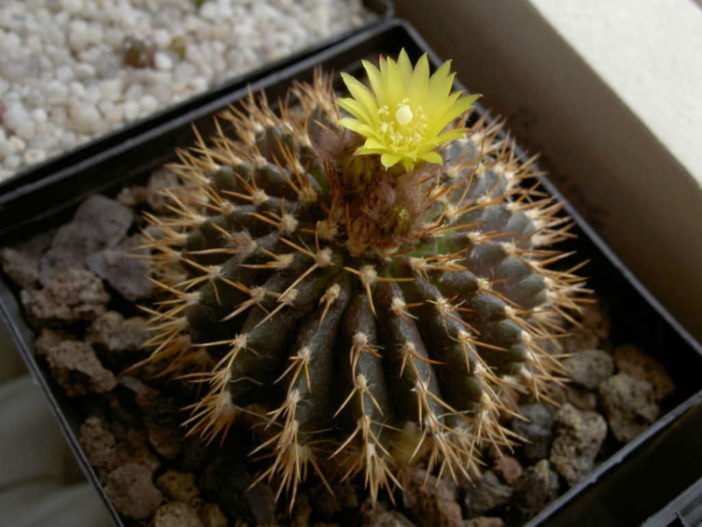
Expect flowers that glow in pastel shades—creamy whites, soft yellows, or subtle pinks—each petal unfurling like a fragile fan against the equatorial sun. The flowering period is ephemeral, a fleeting glimpse into an otherwise austere world, and thus demands the vigilant eye of the cultivator eager to capture this burst of life.
Understanding the Life Cycle of Uebelmannia Flowering
Flowering in Uebelmannia is not an annual spectacle but an event that unfolds with deliberate slowness, a botanical crescendo crafted by time. It usually occurs once the plant has established a robust root system and favorable growing conditions have been met. Patience, therefore, is the gardener’s valiant companion. The cactus undergoes a slow, steady growth phase, gradually amassing the internal resources necessary to support the reproductive effort.
The blooming window typically aligns with the cactus’s active growing season, when mild warmth and increased light coax the delicate flower buds from their hidden nodes. These buds may appear as tiny swellings along the ribs, gradually swelling into blossoms that open with a tender grace at dawn, closing with the setting sun. Understanding this rhythm is essential for any gardener hoping to nurture blooms to their full splendor.
Optimal Growing Conditions to Encourage Flowering
Replicating the arid yet temperate environment of the Brazilian cerrado is key to coaxing Uebelmannia into bloom. Bright, indirect sunlight is a necessity, bathing the plant in the gentle glow it needs without subjecting it to scorch. Imagine the delicate caress of morning sunlight filtered through a translucent canopy—this is the light that encourages floral development without stressing the plant.
Watering must be an artful balance, resembling the sporadic desert rainfall that nourishes without drowning. During the growing season, moderate watering is essential, allowing the soil to dry out between sessions—this encourages root respiration and signal cues for blooming. Reduce watering significantly during winter dormancy to mimic seasonal aridity, preventing the fatal rot that too much moisture can bring.
Soil composition plays a decisive role. The substrate should be airy, gritty, and well-draining, evoking the rocky cliffsides and sandy plains that these cacti call home. A blend of mineral-rich components such as pumice, quartz sand, and a touch of organic matter creates a medium that supports healthy root growth and, by extension, floral production.

Nurturing the Flower Buds: Patience Meets Precision
As flower buds emerge, the cultivator’s role shifts to protective custodian. These fragile architects of reproduction must be shielded from environmental shock—harsh winds, sudden temperature fluctuations, and excessive moisture can prematurely abort the flowering process. Shielding the plant while maintaining ventilation creates a microclimate conducive to successful bloom development.
Nutrition is subtle yet significant. Fertilization during the active growing season with a diluted, phosphorus-rich fertilizer can stimulate blooming potential without overwhelming the plant. The trick lies in restraint—too much nitrogen encourages lush, green growth at the expense of flowers. Timing fertilizer application to coincide with the early stages of bud formation nudges the plant toward its flowering destiny.
The Intricate Dance of Pollination and Propagation
When the flowers finally unfurl, they open a portal to a world of pollinators—tiny agents of continuity like bees and moths drawn by delicate colors and subtle scents. Pollination is a delicate dance that, when successful, results in the formation of seed pods, heralding the next generation of these remarkable cacti.
For enthusiasts desiring propagation, hand pollination is a rewarding endeavor. Using a fine brush to transfer pollen between flowers mimics natural processes and increases fruit set. Once fruits mature, bearing seeds within, propagation through seed sowing is possible but requires the simulative conditions of warmth and humidity akin to their native environment.

Common Challenges and Troubleshooting Flowering Issues
Despite best efforts, Uebelmannia flowering can encounter obstacles. Inadequate sunlight often leads to reluctance in bud formation, while overwatering can invite rot, squashing hopes of a bloom. Nutrient imbalances might cause weak or aborted buds. Stressors such as pests—even the seemingly minor presence of mealybugs—can sap vitality and prevent flowering.
Diagnosing the root cause requires a judicious review of cultural conditions: Are the light levels sufficient? Has watering been monitored carefully? Is the soil providing the right balance of drainage and nutrients? Addressing these questions often paves the path back to health and eventual flowering success.
The Poetic Reward of Blooming Uebelmannia
When a Uebelmannia flowers, it is not merely a botanical event—it is a narrative of survival, adaptation, and reverence for time itself. Each bloom becomes a silken brushstroke on the canvas of desert endurance, a sublime moment where the rugged meets the delicate. For the cultivator, these flowers are the culmination of quiet devotion, a whispered thank you from the cactus that braved the elements and thrived.
Guarded closely, these blossoms remind us that beauty often flourishes in the most unexpected crevices, and that patience in care is rewarded with moments of pure, ephemeral magic.
FAQ
What conditions are necessary for Uebelmannia to bloom?
Uebelmannia requires bright, indirect sunlight, moderate watering during the growing season, and a well-draining soil mix.
How often does Uebelmannia flower?
Flowering is not annual but occurs when the plant has established a robust root system and favorable conditions.
What are common challenges in Uebelmannia flowering?
Challenges include inadequate sunlight, overwatering, nutrient imbalances, and pest infestations.
Leave a Reply