
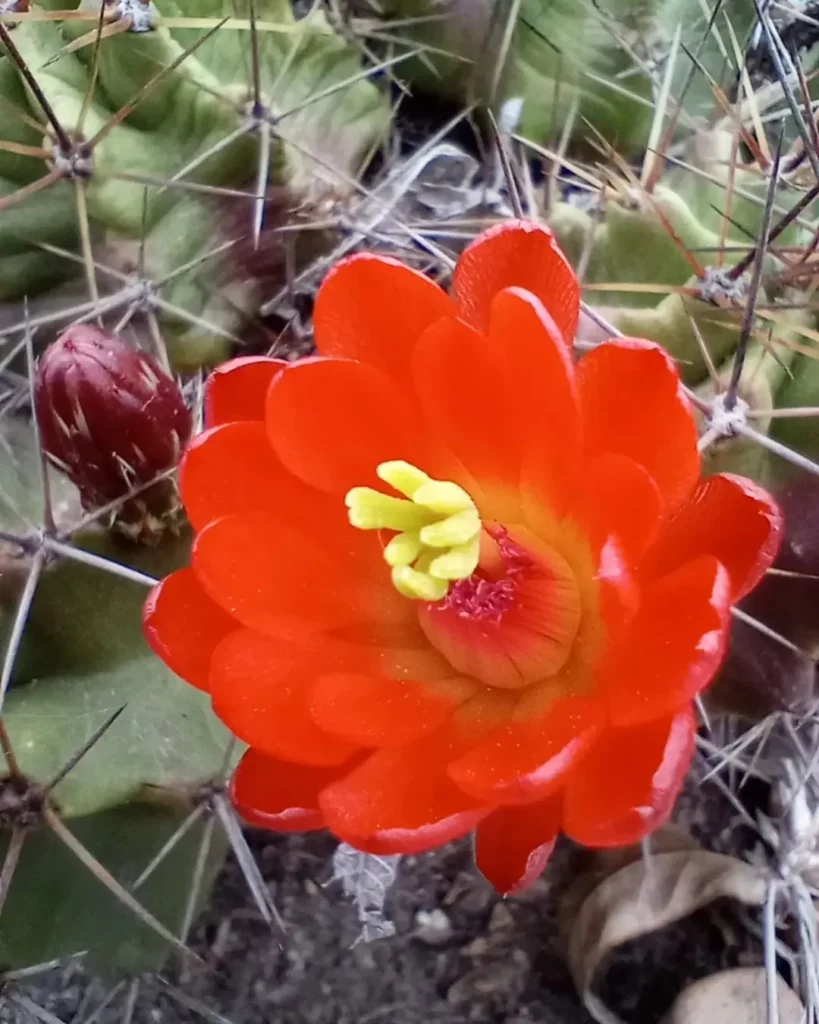
Short Answer
Have you ever wondered how a seemingly unassuming cactus can burst forth with a kaleidoscope of colors and take your breath away? What if the very survival of these spiny wonders involved mastering a delicate balance between rugged desert resilience and flamboyant floral displays? Welcome to the fascinating world of Echinocereus species, where nature’s artistry meets the relentless challenge of arid environments. From the dazzling Rainbow Cactus to the vivid allure of the Claret Cup Cactus, these desert denizens tell a story as rich and vibrant as their blooms.
The Enigmatic Genus: Introducing Echinocereus
Echinocereus, a genus within the Cactaceae family, captivates botanists and enthusiasts alike with its diversity and adaptability. Enveloped in dense clusters of spines and boasting a spectrum of striking flowers, these cacti are masters of survival in harsh climates, primarily across the southwestern United States and northern Mexico. But what exactly sets these cacti apart from their desert cousins? It’s a combination of their intricate morphology and floriferous tendencies that inspires a botanical intrigue.
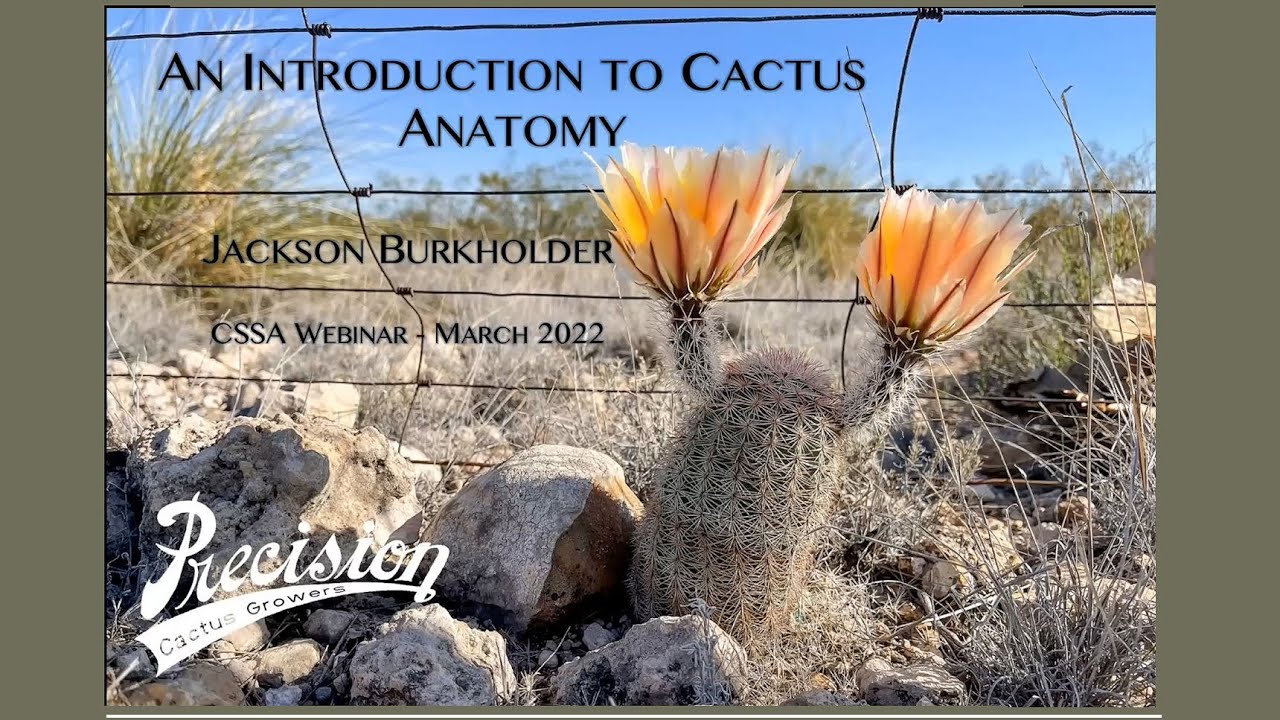
Characteristically, Echinocereus species range from cylindrical to globular forms, often sprawling in clumps that form natural fortresses against desert herbivores. Their flowers are ephemeral jewels—vibrant and fleeting—unfolding in radiant bursts that can range from deep magentas to fiery reds and delicate pastel hues.
The Rainbow Cactus: A Prism of Desert Beauty
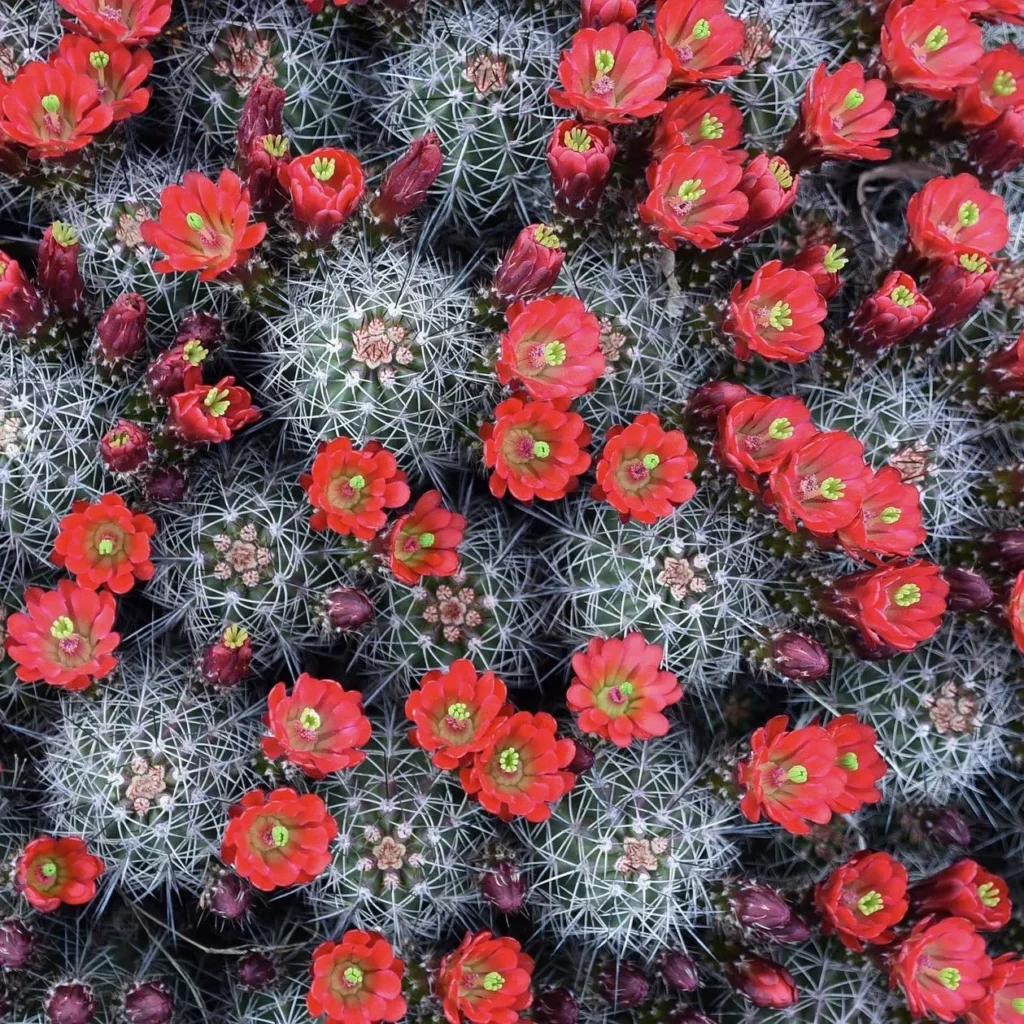
What if a cactus could carry the entire spectrum of summer on its petals? The Rainbow Cactus, belonging to the Echinocereus genus, is a marvel of polychromatic splendor. Unlike the singular color bursts typical of many desert flowers, this species showcases an array of hues that seem almost surreal against the sterility of desert sands.
The playful challenge with the Rainbow Cactus is deciphering how it manages such chromatic diversity without compromising its survival. These colors aren’t just for show; they attract a variety of pollinators—from hummingbirds to native desert bees—ensuring cross-pollination and genetic vitality. The evolutionary choreography here is as delicate as it is breathtaking.
Claret Cup Cactus: The Firebrand of the Desert
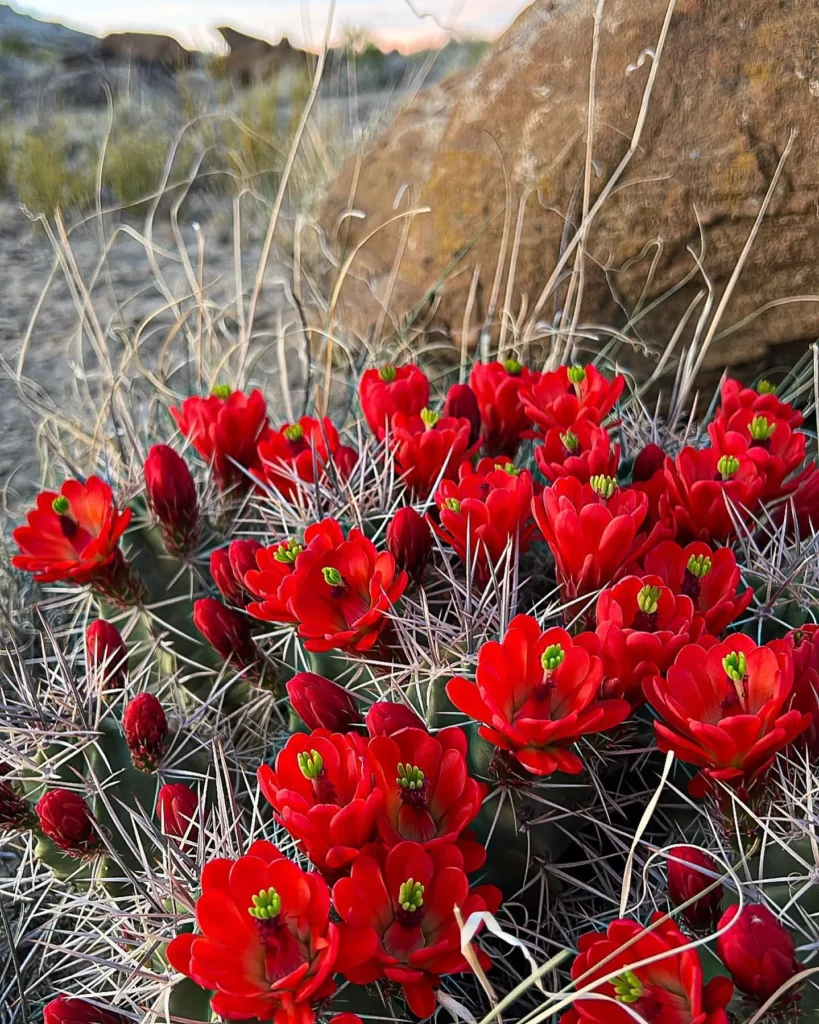
Stepping into the world of the Claret Cup Cactus (Echinocereus triglochidiatus) is akin to encountering a desert firebird. Its blossoms flaunt a rich, carmine red that seems to set the arid landscape ablaze with color. But beyond aesthetics, the Claret Cup harbors secrets that make it a resilience icon.
How does a plant withstand the extremes of temperature and drought to unleash such a vivid display? Its secret lies in an intricate water-storage system and protective spines that minimize transpiration and deter predators. The Claret Cup also thrives in rocky soils where few others dare root. Its tenacity challenges the preconceived notion that beauty and strength are mutually exclusive.
Pollination Strategies: Nature’s Ingenious Game Plan
What if the survival of these cacti depended on a covert game of seduction? Indeed, Echinocereus species employ a remarkable array of pollination strategies that blend attraction and timing. The Rainbow and Claret Cup cacti flower in synchrony with the appearance of their primary pollinators, a delicate dance choreographed by millions of years of co-evolution.
The Rainbow Cactus’s multihued flowers entice a panoramic mix of pollinators, ensuring genetic diversity and widespread propagation. Conversely, the Claret Cup’s intense red flowers are specialized to beckon hummingbirds whose vision is tuned to that scarlet wavelength. This interplay reveals nature’s finesse: balancing specificity with versatility to conquer ecological constraints.
Challenges in Cultivation: Can You Tame the Desert’s Wild Charm?
Here’s the question that tempts even the most seasoned succulent aficionados: can the wild elegance of Echinocereus species be successfully cultivated beyond their native, unforgiving habitats? These cacti pose unique challenges that require nuanced understanding and patience.
The Rainbow Cactus, with its sensitivity to moisture and temperature fluctuations, demands precise watering regimes and well-draining soil blends. Overzealous irrigation can easily lead to rot, undoing months of tender care. Similarly, the Claret Cup thrives on neglect in some ways, needing bright sunlight and minimal water, but it also requires protection from frost and pests.
Cultivators must therefore strike a balance—mimicking nature’s extremes while moderating risks. The reward? An unparalleled burst of desert color that evokes both wildness and delicacy.
Ecological Significance and Conservation
These magnificent cacti do not exist in isolation; they play pivotal roles in their ecosystems. Their flowers sustain pollinators during scarce blooming seasons, and their bodies offer shelter and nourishment to desert fauna, including small mammals and insects.
Yet, Echinocereus species face mounting threats from habitat loss, climate change, and illegal collection. Conservation efforts pose another enticing challenge: how to preserve these botanical gems without stifling their natural distribution and genetic diversity. Protected reserves and propagation initiatives strive to maintain wild populations while promoting awareness of their ecological value.
The Allure of Echinocereus: A Testament to Desert Splendor
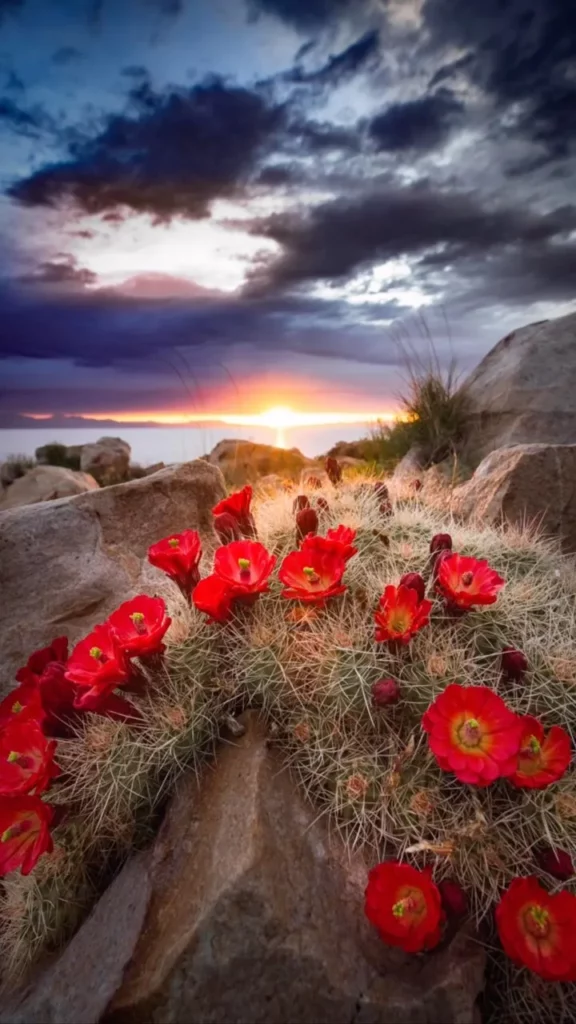
Ultimately, the story of Echinocereus species is a compelling narrative of contrast—between harsh deserts and vivid blooms, survival and beauty, complexity and simplicity. From the playful allure of the Rainbow Cactus to the fiery passion of the Claret Cup, these cacti invite us to rethink preconceived ideas about what thrives in adversity.
Will you accept the challenge of nurturing these desert jewels or simply marvel at their ephemeral brilliance from afar? Either way, their enduring legacy reaffirms that even in the driest, most unyielding places, life can erupt with astonishing color and vitality.
FAQ
What are Echinocereus cacti?
Echinocereus are a genus of spiny desert cacti known for their colorful and ephemeral flowers, adapted to survive in arid climates.
How do I care for a Claret Cup Cactus?
Provide bright sunlight, minimal water, well-draining soil, and protect it from frost and pests to mimic its natural desert conditions.
Why are Echinocereus species important ecologically?
They support pollinators during scarce blooming periods and provide shelter and nourishment to desert wildlife.
Can Echinocereus cacti be grown outside their native habitat?
Yes, but they require careful attention to watering, temperature, and soil conditions to replicate their native desert environment.



Leave a Reply