
Short Answer
Have you ever wondered how a tiny cactus can steal the spotlight in your succulent collection? The Mammillaria genus, bursting with charm and variety, offers a playful challenge: can you resist the allure of these spiny wonders that blend resilience with breathtaking floral displays? Let’s delve into the kaleidoscopic world of Mammillaria species and unravel the secrets that make them the darlings of cacti enthusiasts worldwide.
The Enigmatic Charm of Mammillaria
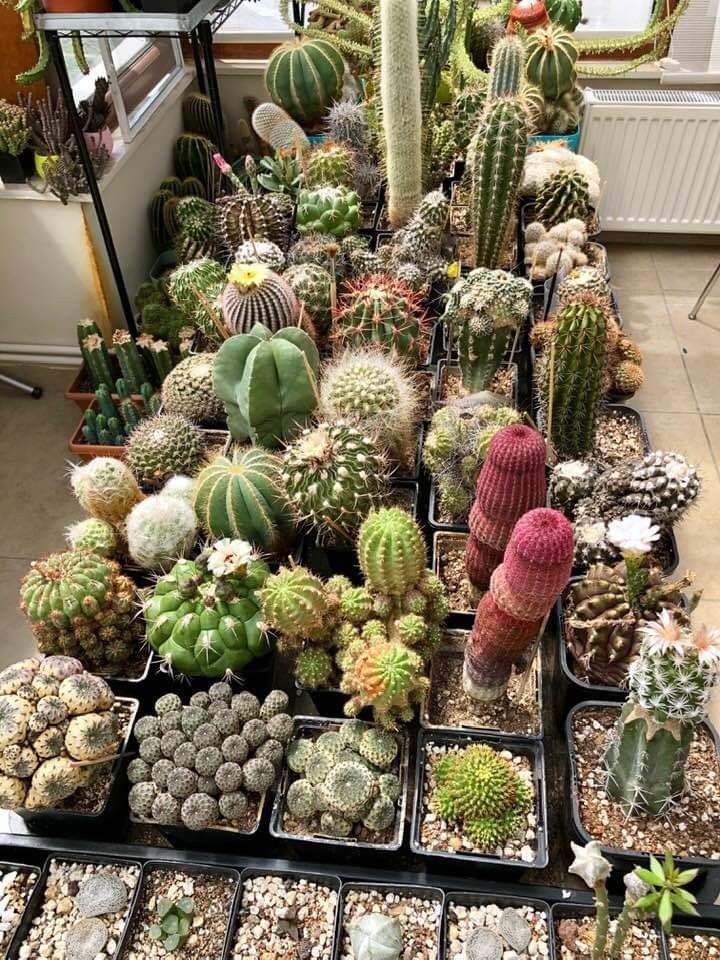
Mammillaria stands as one of the most diverse and captivating cactus genera, boasting over 200 species scattered across the arid Americas. Known colloquially as “pincushion cacti,” these succulents feature compact, globular forms crowned with an array of tiny tubercles or “mammillae.” This unique morphology is more than ornamental; it’s an adaptive marvel allowing water conservation and protection against herbivores in punishing desert climates.
Yet, what truly elevates their status is their florid extravagance. Brightly hued blossoms—ranging from vivid pinks and reds to soft pastels—often form striking crowns encircling the apex. This spectacular display not only enchants gardeners but also confounds pollinators, orchestrating a symphony of survival in one compact package.

Unpacking the Most Popular Mammillaria Types
With such a sprawling genus, identifying favorites can feel like navigating an oasis of possibilities. However, a handful of species have ascended to cult status due to their distinctive aesthetics and cultural ease. Let’s explore a few illustrious members of this prickly family.
Mammillaria Elongata: The Ladyfinger Sensation
Renowned for its elongated cylindrical stems covered with golden spines, Mammillaria elongata captivates with its soft, fuzzy appearance—almost beckoning a curious touch. This species thrives in clusters, creating a lush carpet of finger-like projections. Amidst summer, its inconspicuous white or yellowish flowers bring a delicate contrast, adding to its textural complexity.
Mammillaria bocasana: The Powdery Pixie
This species wears a powdery, white fuzz that not only protects it from intense sunlight but also gives it an almost magical aura, like a frosted fairyland dweller. The radial arrangement of spines, gracefully arching outward, imparts an elegant architectural quality. Its petite pink blooms encircle the crown, creating a floral halo that delights onlookers and enhances its winter appeal.
Mammillaria zeilmanniana: The Spiral Maestro
For the aesthete with an eye for geometric wonder, Mammillaria zeilmanniana offers a captivating spiral pattern in its growth. Tubercules form precise, mesmerizing coils that embody natural symmetry and evoke a sense of fossilized dance. Bright magenta flowers emerge along the ridges, punctuating the spiral with bursts of vibrancy, making it a truly spellbinding visual experience.
Challenges in Cultivating Mammillaria: Can You Rise to the Occasion?
Despite their hardy reputation, Mammillaria species present unique challenges that call for a delicate balance between vigilance and laissez-faire gardening. Their drought tolerance is legendary, but excessive watering or poor drainage can swiftly invite rot—a silent but swift adversary.
Temperature fluctuations, while tolerated, should not straddle extremes. The Mammillaria’s subterranean root systems are sensitive to freezing conditions, yet they appreciate the occasional chill to mimic their native desert climates’ natural ebb and flow.
Another subtle puzzle lies in propagation. While offsets often appear prolifically—making division a straightforward approach—some species resist straightforward seed germination, demanding patience and precision. This nuanced reproduction dance can frustrate novices but rewards persistence with spectacular results.
Ideal Growing Conditions: Crafting the Perfect Desert Niche
Recreating the idyllic desert environment fosters Mammillaria’s exuberance. A mineral-rich, well-draining soil mix enriched with pumice or perlite encourages robust root health and wards off moisture stagnation. Bright, indirect sunlight sows steady growth, while periods of direct sun amplify its flowering tendencies.
Feeding schedules should be subtle and sparse. During the active growth phase—spring and summer—using a diluted low-nitrogen fertilizer enhances vitality without encouraging overly vigorous but vulnerable growth.

The Allure of Mammillaria in Home Collections and Beyond
Perhaps the most tantalizing aspect of Mammillaria cacti lies in their ability to anchor any succulent collection with an irresistible combination of texture, form, and floral spectacle. Compact enough for intimate tabletop gardens, yet visually arresting enough to command shelf space, these species invite a tactile engagement rare among indoor plants.
Beyond their horticultural appeal, Mammillaria species also hold a cultural resonance. In Mexico, where many originate, these cacti have been symbols of endurance and mysticism, weaving into folklore and indigenous rituals. Owning one thus connects you not just to a plant but to a living legacy of desert grandeur.
Conclusion: Embracing the Mammillaria Challenge
So, will you dare to add a Mammillaria to your collection and embrace the joyful complexity they bring? These cacti are more than mere plants; they are invitations to explore resilience, beauty, and nature’s architectural genius. Whether you are a seasoned succulent savant or a curious beginner, the Mammillaria genus promises a journey rich with discovery and delight. Step into their prickly embrace and watch your green space transform into a desert tapestry of life and color.
FAQ
What is Mammillaria?
Mammillaria is a diverse genus of cacti known for their unique morphology and vibrant flowers, commonly referred to as pincushion cacti.
How do you care for Mammillaria?
Mammillaria requires well-draining soil, bright indirect sunlight, and minimal watering to thrive.



Leave a Reply