

Short Answer
There is something undeniably mesmerizing about the presence of Mammillaria cacti nestled within rock gardens — a fusion of resilience and delicate beauty that captivates observers both novice and seasoned. This fascination goes beyond mere aesthetics; it touches on a deeper appreciation for nature’s ability to thrive in adversity, the striking contrasts between textures, and the thoughtful harmony of design principle melding with ecological sensibility. As these spiny globes punctuate stone landscapes, they command attention and invite contemplation, inspiring innovative approaches to their placement and design within rock gardens.
The Enduring Allure of Mammillaria in Rock Gardens
Mammillaria, a genus rich with diversity, is renowned for its unique form and prolific flowers. Its diminutive stature coupled with remarkable resilience makes it a perfect candidate for rock garden incorporation. The allure begins with its tactile and visual contrast against rugged rocks — the soft yet spiny curves juxtaposed with rough stone surfaces create a sensory dialogue. More importantly, Mammillaria embodies survival; thriving in arid, rocky terrains intrinsically links it to its garden environment, offering gardeners an authentic glimpse into desert ecology.


Choosing the Ideal Rock Garden Location for Mammillaria
Placement begins with understanding both the microclimate and substrate preferences of Mammillaria. Sun exposure is paramount; these cacti flourish in full sun or partial shade, replicating their native desert conditions. Selecting south or southwest-facing locations ensures ample light while shielding against intense midday heat when necessary. The soil must boast impeccable drainage — rocks inherently facilitate this, but ensuring a gritty, sandy base enriched with inorganic matter prevents root rot and mimics natural habitats. The interplay of sun, shadow, and stone moisture retention creates an ideal niche.
Design Principles Embracing the Intricacies of Mammillaria Forms
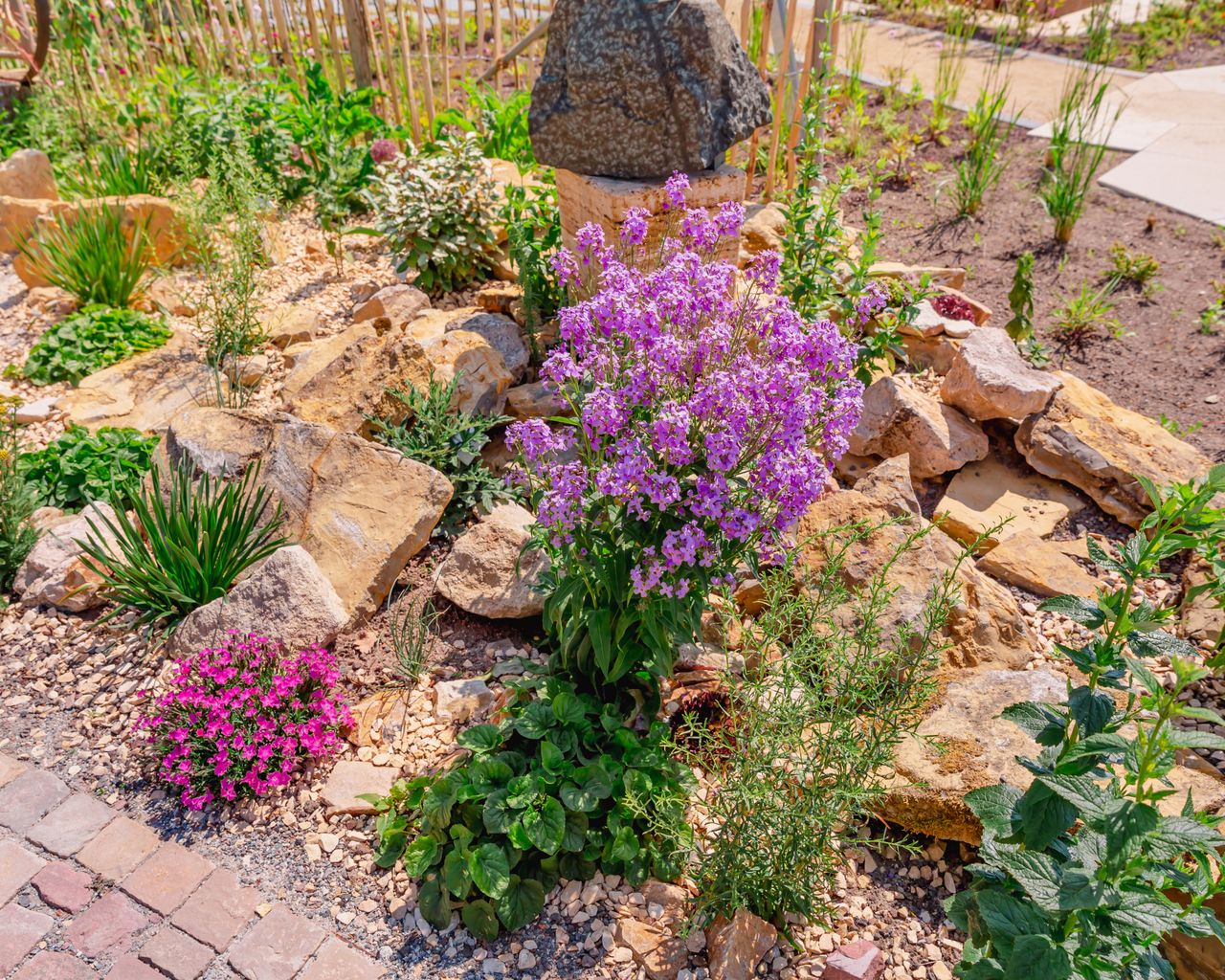
The compact and spherical form of Mammillaria invites a community-style arrangement rather than isolated specimens, fostering a dynamic visual rhythm. Clustering several plants varying in height and spine coloration enhances depth and dimension in a rock garden. Arrange these groups along natural crevices or leveled terraces of rocks to accentuate their modular build. Consider the fractal beauty of rock arrangements themselves — layered stones with natural cracks and alcoves provide microhabitats that echo Mammillaria’s clustered growth, facilitating both aesthetic appeal and plant health.

The Subtle Symphony of Texture and Color
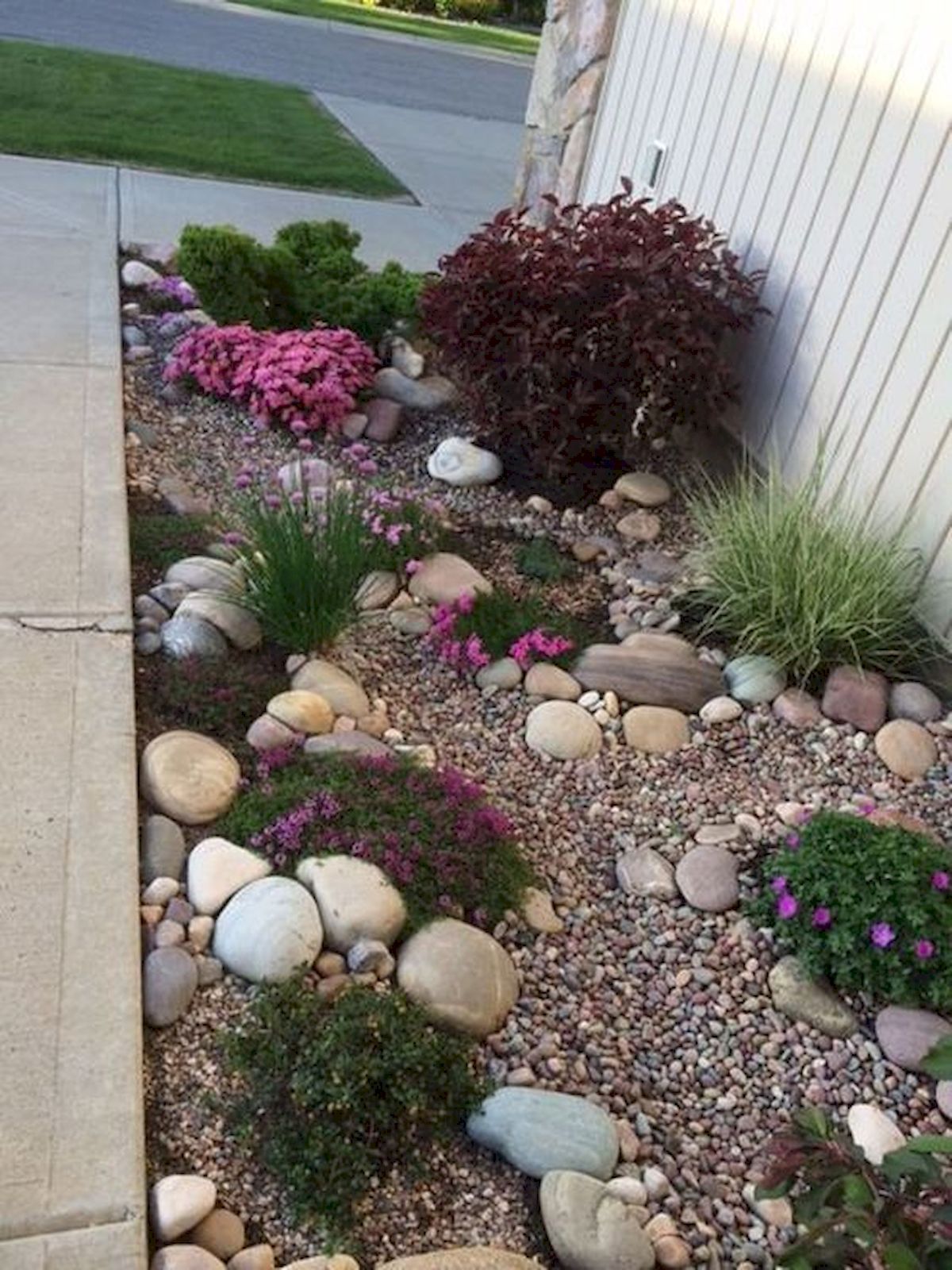
Mammillaria’s interplay of sharp spines gleaming in sunlight and soft pastel blooms during flowering seasons crafts a subtle yet arresting balance of texture and color. Incorporating white or light-colored rocks heightens the vibrancy of these blossoms, popping against the neutral palette of stones. Contrasting textures between jagged mineral surfaces and the cactus’s radial symmetry invites tactile curiosity, turning the rock garden into a sensorial experience. Little details like interspersing lichen-covered stones or gravel with delicate pebbles refine the composition, making it both wild and curated.
Ecological Functionality: Beyond Aesthetic Charm
While Mammillaria undeniably enhances visual allure, its role in a rock garden transcends mere decoration. It contributes to stabilizing soil, supporting microfauna, and creating microclimates that buffer temperature extremes. The cactus’ ability to store water reduces overall garden irrigation needs, promoting sustainable landscaping practices. Additionally, its blossoms attract pollinators, invigorating the garden’s biodiversity. Thoughtful placement near complementary succulents or drought-resistant flora fosters a resilient ecosystem, where each element harmonizes in function and form.
Seasonal Dynamics and Maintenance Considerations
Rock gardens incorporating Mammillaria require attentiveness to seasonal changes to maintain vitality and display. Though hardy, these cacti benefit from protection during severe cold snaps or excessive rainfall, conditions sometimes mitigated by stone positioning that deflects water or provides warming radiance. Periodic removal of debris that may retain moisture around roots prevents fungal issues. Prudent pruning of faded flowers encourages continued blooming cycles. The integration of organic mulch—sparingly and wisely applied—can also aid in moisture regulation without compromising the desired rocky aesthetic.
Creative Placement Ideas to Ignite Inspiration
Imagine Mammillaria nestled within a crevice of a sculptural rock, as if nature herself placed it there. Alternatively, an elevated rock outcrop can act as a pedestal, highlighting the little cactus as a jewel in the garden’s crown. Linear arrangements mirroring rock veins evoke natural continuity, while more whimsical designs scatter these plants like gems catching the daylight sporadically. Mix various Mammillaria species, varying spine color and flower hue, to weave a living mosaic. Such thoughtful spatial choreography enhances both accessibility and visual storytelling.

Conclusion: The Sublime Intersection of Survival and Design
Mammillaria embedded in rock gardens epitomizes a profound affection for nature’s endurance and artistry. Each cactus tells a story of persistence amid adversity, mirrored by the indomitable stone landscape that cradles it. This dynamic relationship furthers an aesthetic rooted not just in beauty, but in meaning and ecological harmony. Through thoughtful design and placement, rock gardens become outdoor galleries celebrating not just flora, but the philosophical marriage between life and the elemental rock. The deeper allure is an invitation — to slow down, observe, and marvel at the silent poetry thriving amidst stone and spines.
FAQ
What is Mammillaria?
Mammillaria is a genus of cacti known for their unique forms and prolific flowers, making them popular in rock gardens.
How should I care for Mammillaria in a rock garden?
Ensure they have full sun exposure, well-draining soil, and protect them from excessive moisture to prevent root rot.
Leave a Reply