
Short Answer
In the mesmerizing world of cacti, few genera captivate the imagination quite like Parodia. These enchanting succulents defy the mundane with their vibrant forms and intricate spination, inviting plant enthusiasts to explore a realm where nature’s artistry takes center stage. Parodia isn’t just a cactus; it’s an invitation to rethink your perspective on desert flora and uncover the unexpected splendor hidden within these resilient plants. Prepare to embark on a journey through the most stunning Parodia species, each a botanical masterpiece promising to elevate any collection.
The Allure of Parodia: Nature’s Sculpted Gems
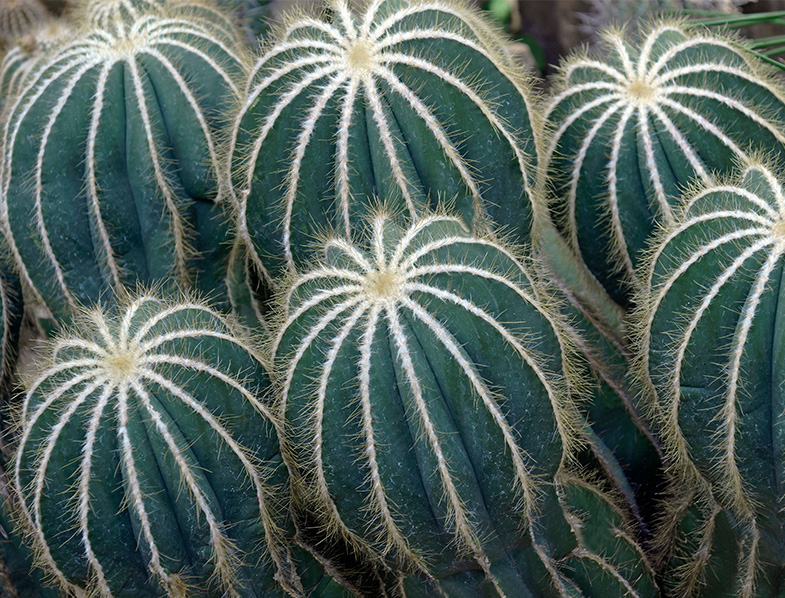
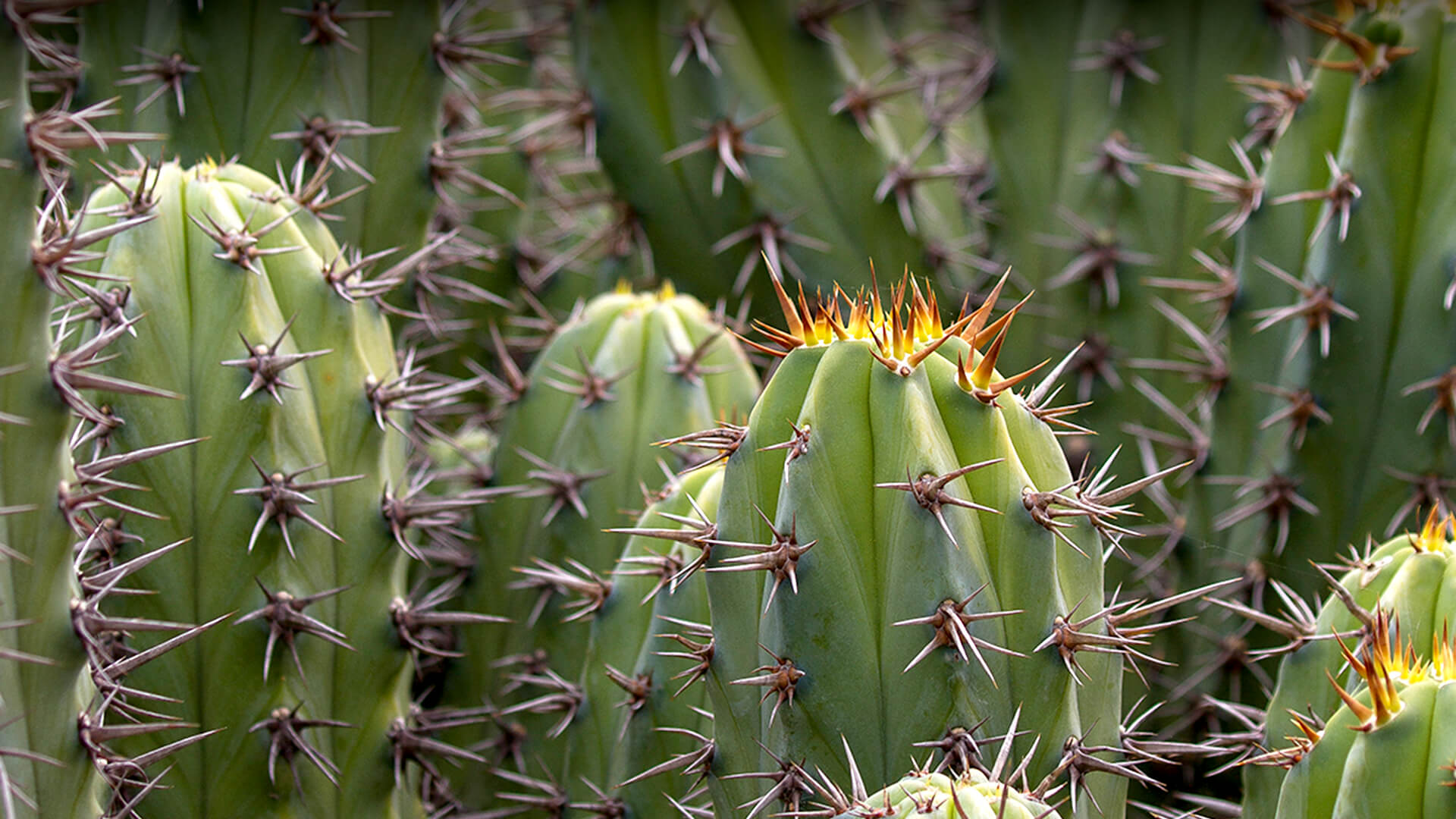
Parodia species stand out not merely due to their hardy constitution but because of their extraordinary aesthetic appeal. Unlike many cacti that exude harshness, Parodia boasts a charming softness in its rounded bodies complemented by an array of spines that shimmer in sunlight like fine embroidery. The genus is a showcase of diversity, ranging from compact globular forms to more elongated specimens adorned with floral crowns of vivid hues. This vivacity is born from evolutionary nuances—adaptations to their native South American habitats that impart an exquisite visual diversity. The subtle gradation of green tones on their epidermis, juxtaposed with sharp yellow, white, or reddish spines, creates an artist’s palette that defies expectations.
Parodia Magnifica: The Regal Splendor
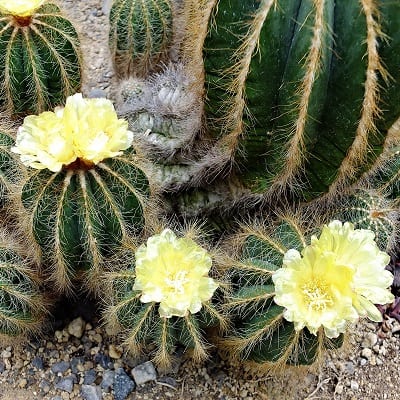
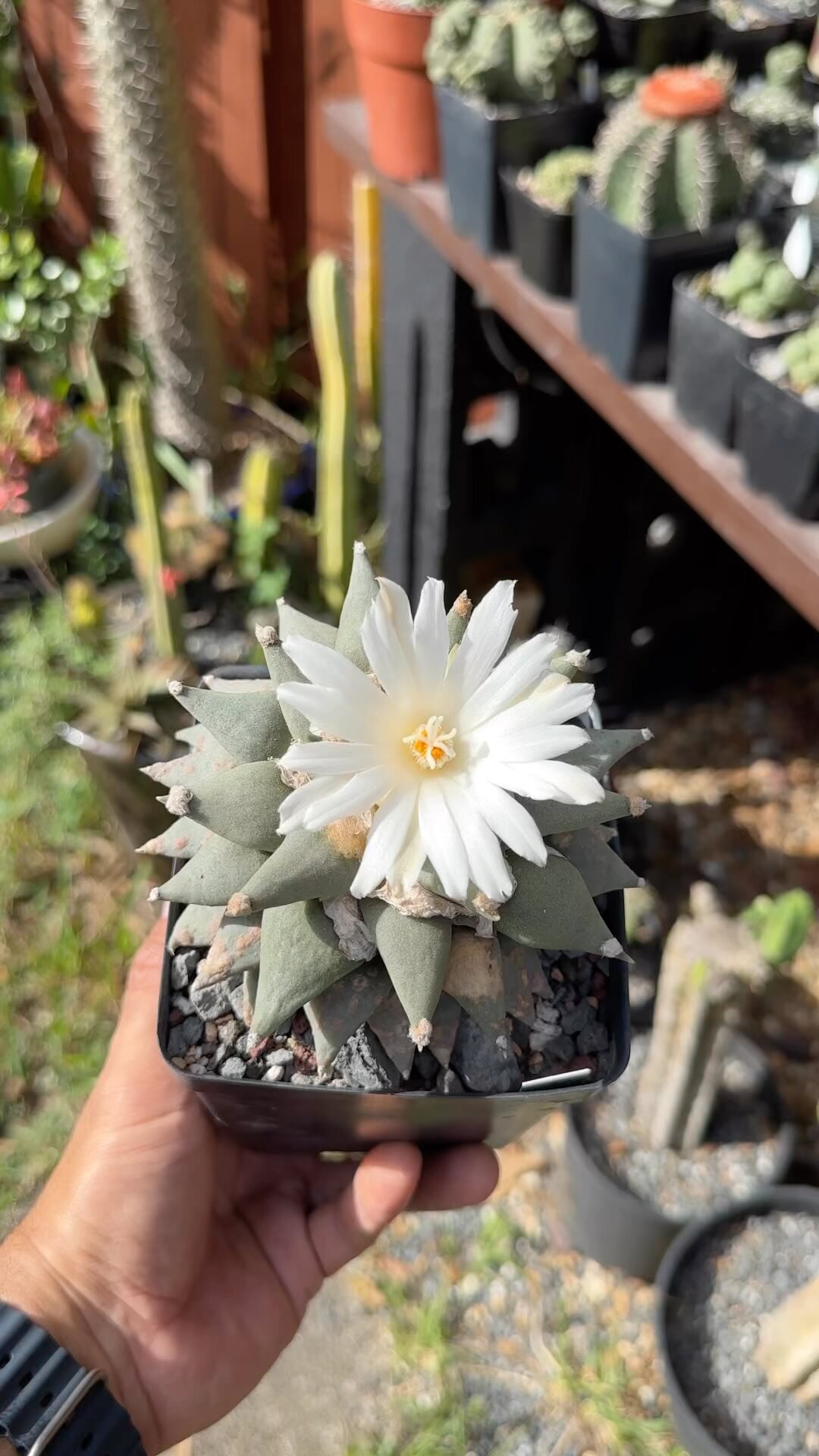
Among the pantheon of Parodia species, Parodia magnifica reigns with undeniable grandeur. This species is celebrated for its stout, ribbed body and up to 20 resplendent, golden radial spines that seem to catch fire under the sun’s rays. What truly sets Parodia magnifica apart is the mesmerizing floral display it exhibits during blooming seasons—usually bright yellow flowers that burst forth from the crown like miniature suns. Its name, “magnifica,” aptly conveys the sense of awe it inspires. Though visually imposing, it remains manageable for cactus aficionados, making it a coveted specimen for both novices and experts alike.
Parodia Erinacea: The Prickly Enigma
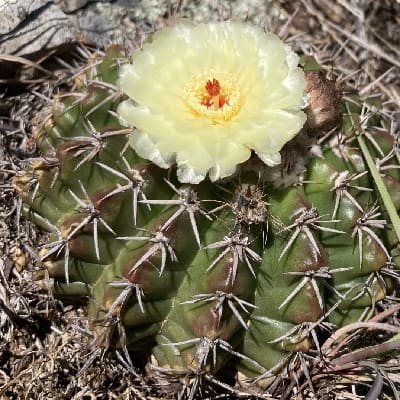
Venturing into slightly more enigmatic territory, Parodia erinacea offers a study in contrasts. Named for its dense, bristly spination that resembles the quills of a hedgehog, this species captivates with a texture uniquely its own. Rather than smooth convexity, it presents a rugged façade that challenges conventional ideas of cactus elegance. Yet, hidden beneath this armor lies a fascinating floral spectacle—bright yellow to orange blossoms that punctuate the plant’s defenses with splashes of unexpected color. Managing Parodia erinacea requires respect for its protective spines, but the reward is a conversation piece unlike any other.
Ecological Adaptations and Habitat Fascination
Understanding the ecological whisperings behind Parodia’s intricate appearances enriches appreciation for these plants’ evolutionary odysseys. Native predominantly to South America’s arid and semi-arid landscapes, Parodia species have mastered survival amid stony slopes and sun-drenched plateaus. Their rounded shapes minimize surface area exposure to scorching conditions, while their varied spine arrangements act both as defense mechanisms against herbivores and as micro-climate regulators—casting protective shadows to reduce water loss. These adaptations invite botanists and hobbyists alike to ponder the sophisticated interplay between form and function, where beauty intertwines effortlessly with survival.
Cultivation Tips: Cultivating Parodia’s Radiance at Home
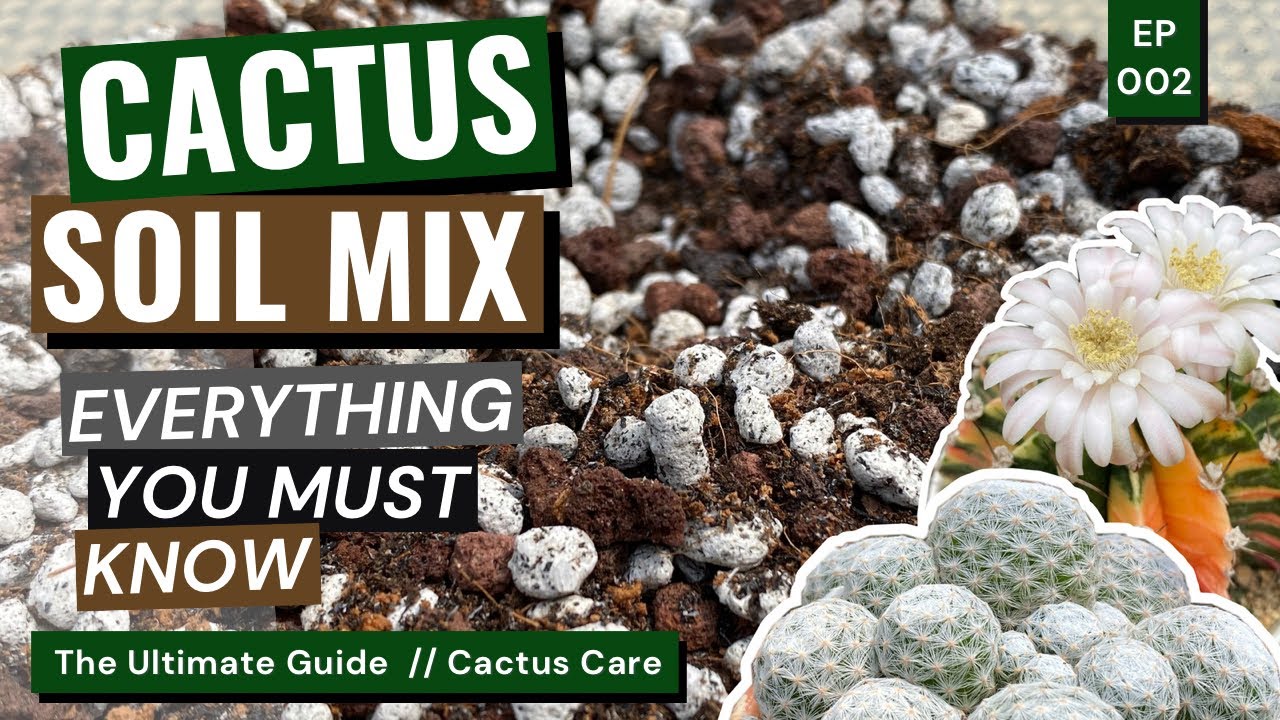
To grow Parodia species successfully is to nurture an exquisite balance of conditions. These cacti flourish with abundant light, though filtered sunlight can prevent spine scorching, especially in the most vivid species. Well-draining soil is paramount, composed of gritty substrates that mimic their native rocky beds. Watering should be judicious; too much moisture invites rot, while too little stifles growth. During dormant winter months, watering is often curtailed entirely. Fascinatingly, many Parodia cacti reveal their most spectacular blooms when given gentle stress—a hint to coax out their innate resilience. Patience and keen observation reveal their slow but rewarding development, and flowering events become triumphant celebrations.
Parodia in Decorative Horticulture: More Than Just a Cactus
Beyond their survivalist marvels, Parodia cacti are increasingly embraced for their decorative attributes. Their rounded contours and radiant spines offer textural contrasts in mixed succulent gardens or minimalist desert landscapes. When flowering, their bursts of color bestow ephemeral beauty, transforming barren spaces into lively botanical tableaux. Designers and collectors often use Parodia specimens as focal points, leveraging their structural uniqueness and chromatic vibrancy to invoke a sense of exotic charm and sophistication. This dual role—as both a botanical marvel and design element—positions Parodia as a compelling choice for anyone aiming to infuse their green spaces with intrigue and elegance.
Conclusion: Shifting Perspectives on Desert Beauty
Exploring the world of Parodia species reveals a paradigm shift in how we perceive cacti and desert flora in general. Far from mere prickly oddities, these plants embody a harmonious fusion of rugged endurance and delicate artistry. Each species is a narrative of adaptation, survival, and splendor. Whether it’s the regal magnifica or the enigmatic erinacea, Parodia promises not just a plant to care for, but a living story to behold—a beckoning call to deepen our curiosity about nature’s resilient masterpieces. Engaging with Parodia is, ultimately, an invitation to see the desert not as barren, but as a vibrant canvas teeming with intricate beauty.
FAQ
What are the most popular Parodia species?
Some of the most popular Parodia species include Parodia magnifica and Parodia erinacea.
Can Parodia cacti bloom indoors?
Yes, with the right care and conditions, Parodia cacti can bloom indoors, showcasing vibrant flowers.

Leave a Reply