
Short Answer
Welcome to the verdant world of Schlumbergera, a captivating genus beloved by plant enthusiasts for its festive bloom and distinctive appearance. More commonly known as Christmas and Thanksgiving cacti, these charming succulents transform indoor spaces into vibrant displays of floral wonder during the colder months. Providing the right care for these botanical gems is not merely an act of routine maintenance but a rewarding journey into understanding their unique physiology and environmental needs. Embrace this comprehensive guide on Schlumbergera care, and unlock the secrets to flourishing holiday cacti that will enchant your home year after year.
Understanding Schlumbergera: The Christmas and Thanksgiving Cacti
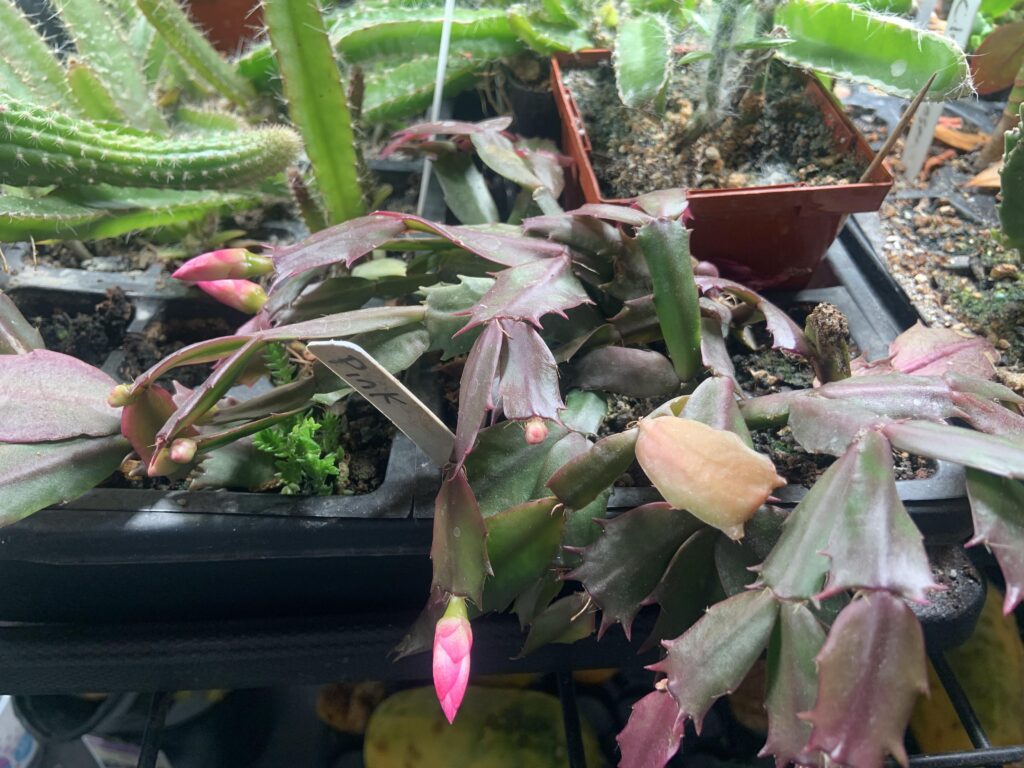
At first glance, Christmas and Thanksgiving cacti might appear similar, but discerning growers appreciate the subtle distinctions that make each species stand out. Originating from the Brazilian coastal mountains, these epiphytic plants have adapted to thrive under the canopy of rainforests, clinging to tree branches and mossy rocks. The Thanksgiving cactus (Schlumbergera truncata) is recognized by its pointed, claw-like segments, while the Christmas cactus (Schlumbergera x buckleyi) showcases rounded, smoother edges on its leaf-like pads. These morphological differences not only influence their aesthetic appeal but also dictate subtle variations in their care regimen.

Understanding these intrinsic characteristics sets the stage for providing an environment in which each species can thrive spectacularly.
Ideal Environmental Conditions for Flourishing Growth
Schlumbergera plants are decidedly temperate in their preferences, flourishing best when provided with an environment that mirrors their natural habitat. While they appreciate ample indirect sunlight, direct exposure particularly during mid-day hours can scorch their delicate pads. Positioning your cactus near an east or north-facing window is optimal. The nuanced dance of light, shadow, and shade throughout the day replicates the dappled light beneath a rainforest canopy.
Temperature plays a quintessential role in the life cycle of these festive succulents. During the active growth period—typically spring through early fall—they prefer temperatures between 65°F and 75°F (18°C to 24°C). As the flowering phase approaches, cooler evenings dropping to 50°F–55°F (10°C–13°C) prompt bud formation. Be mindful to avoid sudden thermal shocks, drafts, or proximity to heating vents, which can stress the plant and impede blooming.
Watering: The Balancing Act of Moisture
The succulent nature of Schlumbergera pads means water conservation is innate, but unlike desert cacti, these epiphytes demand a more careful hydration strategy. The key lies in sustaining consistent moisture without waterlogging the roots. During the vigorous growing months, it’s best to water thoroughly when the top inch of soil feels dry, allowing excess to drain freely. This practice mimics the intermittent rainfall patterns of their native rainforest environment.
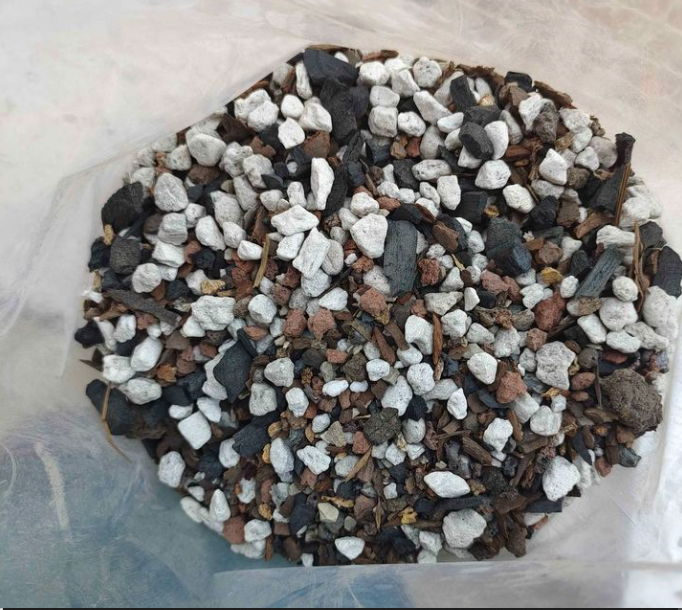
Come fall and winter, reduce watering frequency to prevent root rot and encourage dormancy, which supports robust flowering. Always ensure the container and soil mix afford excellent drainage, as stagnant water is the nemesis of these plants. Using a porous potting mix enriched with organic matter such as peat and perlite enhances aeration and moisture management.

Feeding Your Schlumbergera: Nourishment for Vibrance
Nutrition is pivotal in coaxing your Schlumbergera to its full color and bloom potential. During the active growing stage, feeding your cactus every 2 to 4 weeks with a balanced, water-soluble fertilizer diluted to half strength promotes vigorous growth. Choose a fertilizer formulated for flowering houseplants—rich in phosphorus and potassium—to enhance bud development and flowering quality.
Be cautious to halt fertilization approximately six weeks before blooming to avoid stimulating unwarranted vegetative growth which can detract from flower production. Nutrient cycling and attentive feeding transform your holiday cactus from a passive green inhabitant to a dazzling, living ornament.
Pruning and Repotting: Shaping and Sustaining Health
Pruning is an artful practice in Schlumbergera care, serving both aesthetic and physiological functions. Regularly pinching off segments after blooming encourages bushier growth and more abundant flowering in subsequent seasons. Removing leggy, diseased, or damaged segments improves air circulation within the plant’s architecture, reducing the risk of fungal infections.
Repotting is recommended every 2-3 years or when the root system outgrows its container. Spring, just before the growth season, is the ideal time for this task. Select a pot slightly larger than the previous one and refresh the potting medium to replenish nutrients and improve drainage. Handling the roots carefully is essential to avoid trauma, which can hinder blooming cycles.
Encouraging Blossoms: The Science of Flowering
One of the most rewarding aspects of Schlumbergera care is witnessing the spectacular blooms that adorn these cacti during late autumn and winter. Flower initiation is triggered by environmental cues—primarily shorter day lengths and cooler nighttime temperatures. Ensuring your cactus experiences approximately 12 to 14 hours of uninterrupted darkness each night for 6 weeks prior to flowering is crucial; this mimics the natural photoperiodic signals of their native setting.
Maintaining cool nighttime temperatures, as previously mentioned, further induces bud formation. Patience and precision during this phase yield profusions of tubular blossoms in shades ranging from delicate pinks and rich reds to pure whites and vibrant purples. When buds appear, resume moderate watering and feeding to support the energetic flowering process.
Pest and Disease Management: Preserving Plant Vitality
Though generally robust, Schlumbergera can fall prey to common houseplant pests and maladies. Mealybugs, spider mites, and scale insects occasionally infest the segmented pads, identifiable by their cottony masses or fine webbing. Early detection through routine inspection is vital. Remedies include gentle wiping with alcohol-soaked cotton swabs, insecticidal soaps, or neem oil applications.
Root rot and fungal leaf spots are prevalent problems caused by overwatering and poor ventilation. Ensuring proper care protocols and maintaining a clean environment mitigate these threats. Dead or infected segments should be pruned immediately to prevent spread and preserve plant health.
Special Considerations: Varieties and Bloom Timing
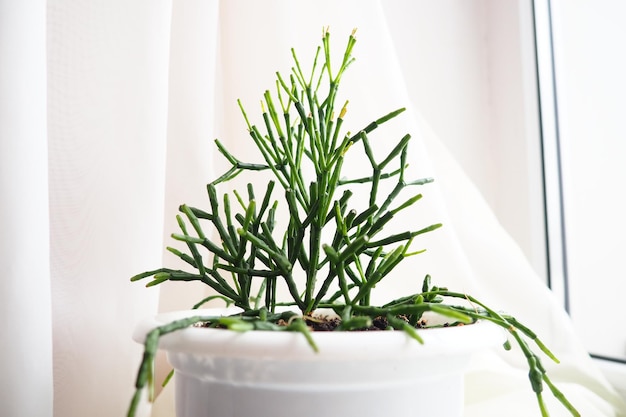
Schlumbergera diversity extends beyond just Christmas and Thanksgiving species. The Easter cactus (Hatiora gaertneri), often confused as part of the group, differs slightly in care and bloom timing, flowering in spring and exhibiting more pointed petals. Additionally, hybrid varieties exhibit an impressive spectrum of colors and forms, expanding the appeal to collectors and novices alike.
Understanding the particular variety in your collection aids in tailoring care strategies to maximize bloom success at the right season. Observing the life cycle and subtle morphological cues provides insightful guidance on care adjustments throughout the year.
Conclusion: Cultivating a Living Holiday Tradition
The Christmas and Thanksgiving cacti are more than mere decorations; they embody nature’s resilience and artistry, bringing joy and life to homes during the darker months. Cultivating these enchanting plants demands attention to detail, respect for their evolutionary habits, and a passion for botanical stewardship. By mastering the essentials of light, water, nutrition, and environment, gardeners can enjoy a spectacular seasonal display that honors tradition and enlivens the spirit.
Embrace the rhythmic dance of growth, rest, and bloom with your Schlumbergera, and watch as your holiday cactus becomes a cherished centerpiece, a living testament to the beauty of attentive, informed plant care.
FAQ
What are the best conditions for growing Schlumbergera?
Schlumbergera thrive in indirect sunlight, with temperatures between 65°F and 75°F during the growing season and cooler temperatures for bud formation.
How often should I water my Christmas cactus?
Water thoroughly when the top inch of soil feels dry, reducing frequency in fall and winter to prevent root rot.

Leave a Reply