
Short Answer
Have you ever paused to consider how a humble cactus—with its spiky defiance and stoic endurance—could become the muse of some of history’s most celebrated artists? These prickly paradoxes of the plant kingdom, often dismissed as mere desert curiosities, have slithered, stretched, and sprawled their way into the annals of art history. From the sun-baked canvases of the American Southwest to the grand halls of European museums, cacti have transformed from botanical oddities into symbols of resilience, mystery, and even surreal beauty. But what is it about these spiky sentinels that has captivated painters and sculptors for centuries? And could the challenge of capturing their essence in art be as thorny as the plants themselves?
The Cactus as Canvas: A Botanical Revolution in Painting
Imagine standing in the shadow of a towering saguaro, its arms outstretched like a silent sentinel against the blazing desert sky. Now, picture that same silhouette immortalized on canvas—each ribbed contour rendered with the precision of a master draftsman. The cactus, in all its prickly glory, has long been a favorite subject for painters who seek to distill the essence of arid landscapes into two-dimensional form. But it wasn’t until the 19th and 20th centuries that these plants truly became icons of artistic expression.
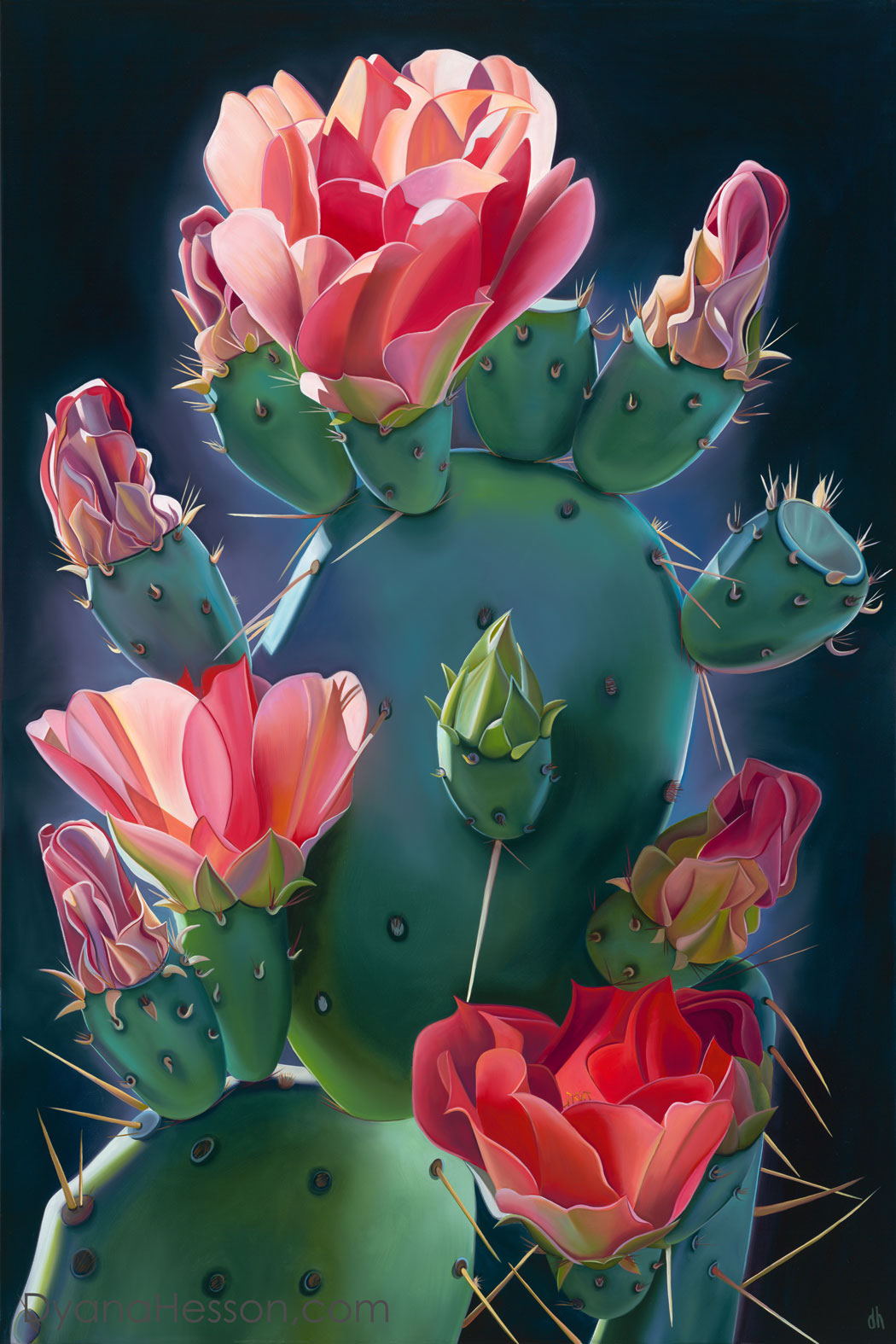
In the hands of American Impressionists and Regionalists, cacti evolved from mere background foliage to central characters in a visual narrative. Artists like Georgia O’Keeffe, with her iconic depictions of oversized, almost anthropomorphic blooms, transformed the humble desert plant into a symbol of feminine power and raw vitality. Her paintings, such as *Ram’s Head White Hollyhock and Little Hills* (1935), didn’t just capture a cactus—they captured a mood, a myth, a whisper of the wild. Meanwhile, in the Southwest, painters like Maynard Dixon wove cacti into the very fabric of the land, using them as visual anchors to convey the vast, untamed spirit of the frontier.
The challenge? Capturing the cactus’s paradoxical nature—its rigid spines and delicate blossoms, its harsh exterior and hidden fragility. Artists must grapple with texture, light, and shadow in ways that few other subjects demand. A single misplaced stroke can turn a majestic saguaro into a comical caricature. Yet, when executed with skill, the results are nothing short of breathtaking.

But the cactus’s artistic journey doesn’t end with paint. Enter the world of sculpture, where these spiky marvels take on a three-dimensional life of their own.
Sculpting Spines: The Cactus in Three Dimensions
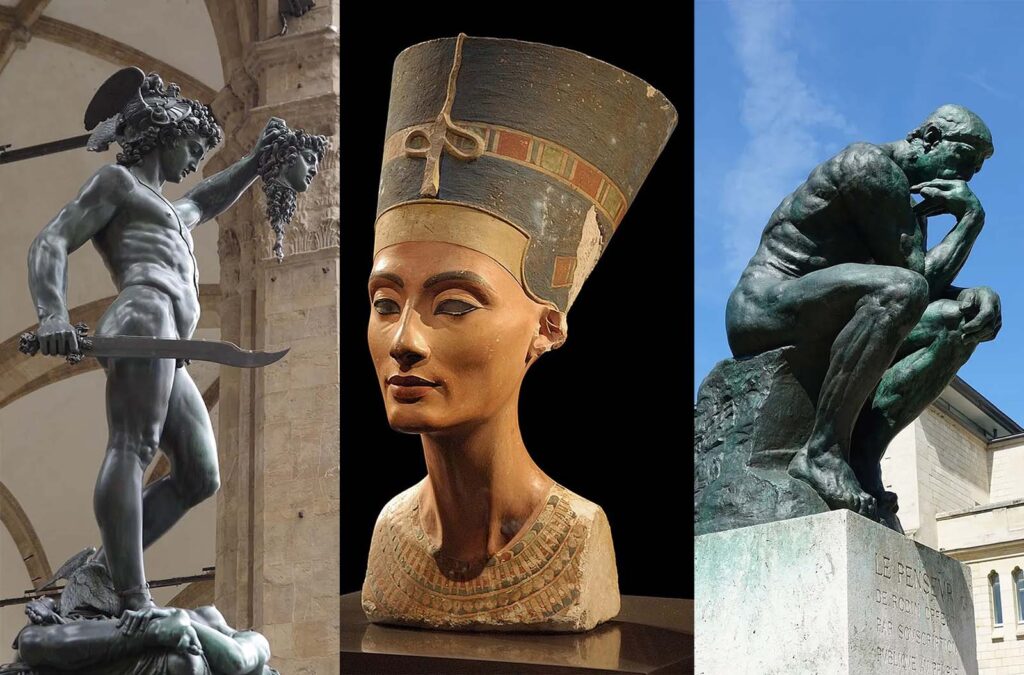
If painting a cactus is a test of a painter’s ability to render texture and depth, then sculpting one is a Herculean feat of patience and precision. The cactus’s very nature—its ridges, its spines, its waxy sheen—demands a sculptor’s touch. From the towering bronze saguaros of the American West to the delicate ceramic prickly pears of contemporary artists, these plants have been reimagined in materials ranging from marble to steel.
Consider the work of Deborah Butterfield, whose welded-steel sculptures of horses are legendary. Yet, in her later years, she turned her attention to the cactus, crafting towering, skeletal forms that seem to defy gravity. Her *Cactus Series* (2010s) is a masterclass in contradiction—each piece is both plant and machine, organic and industrial. The spines, rendered in twisted metal, cast shadows that dance across the gallery floor, blurring the line between reality and abstraction.
Then there are the sculptors who embrace the cactus’s more whimsical side. Take, for example, the whimsical bronze cacti of David C. Roy, whose kinetic sculptures seem to grow and shift before the viewer’s eyes. Using a combination of gears and counterweights, Roy’s pieces mimic the slow, deliberate unfurling of a cactus bloom, a mesmerizing dance of art and nature.
The challenge here is twofold: first, to honor the cactus’s natural form while infusing it with artistic innovation; and second, to choose materials that can withstand the test of time. A cactus sculpture exposed to the elements must be as durable as it is beautiful—a delicate balance indeed.
But the cactus’s artistic legacy isn’t confined to the hands of professionals. For centuries, indigenous cultures have woven these plants into their own visual traditions, creating a tapestry of meaning that spans continents.
Cacti in Indigenous Art: A Legacy of Symbolism and Survival
Long before European artists picked up their brushes, indigenous peoples of the Americas were celebrating the cactus in their own artistic traditions. For the Hopi and Zuni tribes of the Southwest, the cactus—particularly the prickly pear—was a symbol of sustenance, resilience, and spiritual connection. Their pottery, textiles, and petroglyphs often feature stylized cacti, each one a testament to the plant’s role in their survival.
In Mexican folk art, the cactus takes on a more whimsical persona. The *alebrijes*—vibrant, fantastical creatures crafted from papier-mâché and wood—sometimes incorporate cactus motifs, blending the plant’s spiny silhouette with the mythical. Meanwhile, in Peru, the *retablos*—three-dimensional dioramas depicting scenes of daily life—often include cacti as silent witnesses to the Andean landscape.
The challenge for modern artists drawing from these traditions is to honor their cultural significance while avoiding appropriation. How does one pay homage to centuries of indigenous artistry without reducing the cactus to a mere decorative motif? The answer lies in collaboration, research, and a deep respect for the stories these plants carry.
Yet, the cactus’s artistic journey doesn’t end with tradition. In the hands of contemporary artists, these plants are being reimagined in ways that challenge our perceptions of nature, art, and even identity.
Contemporary Cacti: From Kitsch to Conceptual Masterpieces
The 21st century has seen the cactus evolve from a quaint desert motif to a bold statement in contemporary art. Artists today are using these plants to explore themes of climate change, consumerism, and even artificial intelligence. Take, for example, the work of Eduardo Kac, whose *GFP Bunny* (2000)—a genetically modified rabbit—sparked global debate. While not a cactus, Kac’s use of biotechnology as an artistic medium paves the way for artists to experiment with living, growing plants in their work.
Enter the world of bio-art, where cacti are no longer static subjects but active participants in the creative process. Some artists are cultivating cacti in unconventional ways—pruning them into geometric shapes, grafting them onto other plants, or even using them as canvases for microbial art. The result? A fusion of nature and technology that feels both futuristic and deeply primal.
Other artists are turning to the cactus as a symbol of resistance. In a world grappling with environmental collapse, the cactus’s ability to thrive in adversity makes it a potent metaphor. The Cactus Project by artist Tarshito, for instance, uses cacti as living sculptures, their spines adorned with tiny mirrors that reflect the surrounding landscape. The effect is mesmerizing—a reminder that even in the harshest conditions, beauty persists.
But perhaps the most intriguing trend is the cactus’s foray into digital art. With the rise of NFTs and virtual galleries, artists are creating hyper-realistic 3D renderings of cacti, exploring their forms in ways that were once impossible. These digital cacti exist in a liminal space—neither fully real nor entirely imagined—blurring the boundaries between the natural and the artificial.
The challenge for contemporary artists? To push the boundaries of what a cactus can represent without losing sight of its essence. Can a cactus still be a cactus when it’s been digitized, bioengineered, or transformed into a political statement? The answer may lie in the very spines that once made these plants so difficult to capture.
Conclusion: The Cactus as a Mirror of Humanity
From the brushstrokes of Impressionists to the welded steel of modern sculptors, from the sacred symbols of indigenous artisans to the digital dreams of contemporary creators, the cactus has proven itself to be far more than a mere plant. It is a mirror, reflecting our fears, our hopes, our resilience, and our capacity for wonder. Whether rendered in oil, bronze, or pixels, the cactus challenges us to see beauty in the unexpected—to find poetry in the prickly, the persistent, and the profound.
So the next time you encounter a cactus—whether in a museum, a gallery, or the wild—take a moment to consider its story. For in its spines and blooms, its shadows and silhouettes, lies a narrative as rich and complex as the human experience itself. And perhaps, just perhaps, the real challenge isn’t capturing the cactus in art—but capturing the essence of what it means to endure.
FAQ
What is the significance of cacti in art?
Cacti have been used in art to symbolize resilience and beauty, often reflecting the harsh conditions of their natural habitats.
Which artists are known for depicting cacti?
Notable artists include Georgia O'Keeffe and Maynard Dixon, who incorporated cacti into their works to express themes of nature and identity.

Leave a Reply